Pneumatic Staple Gun
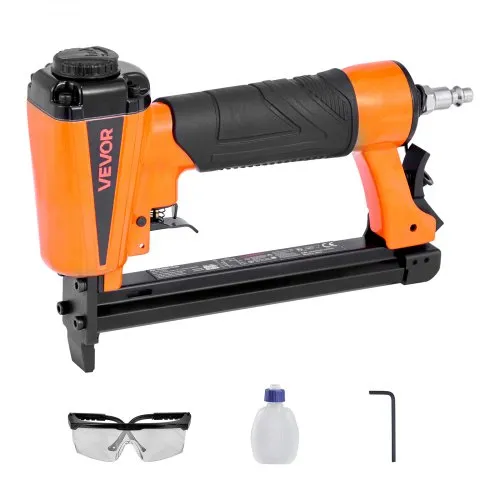


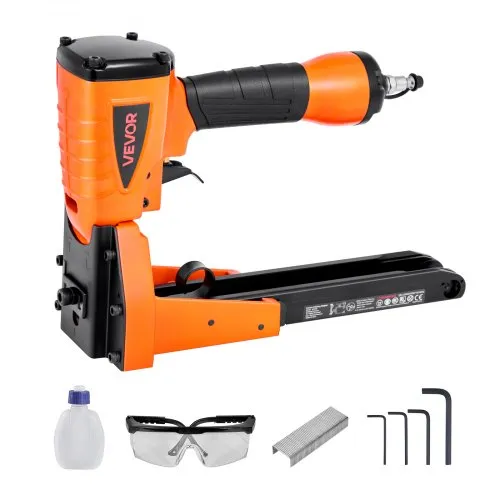


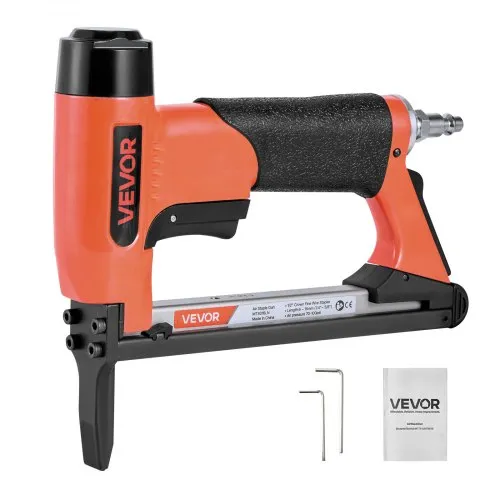


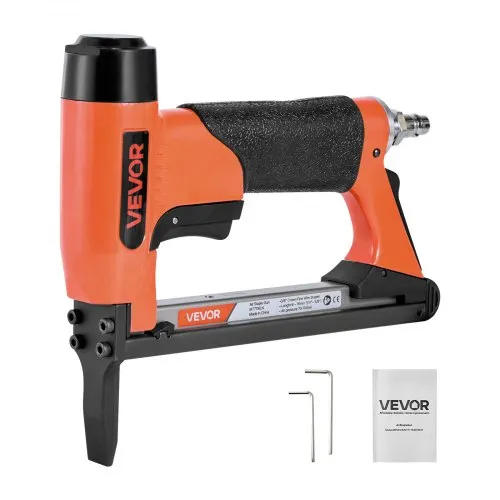


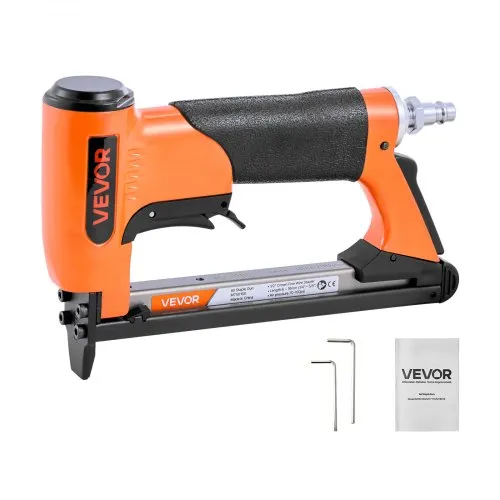


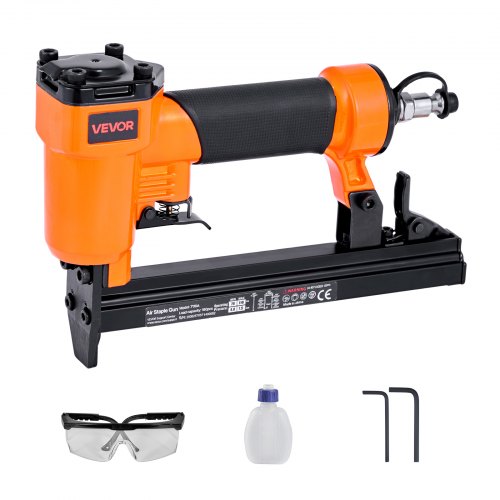


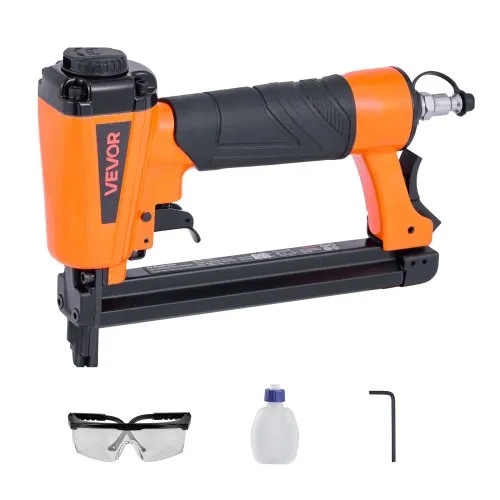


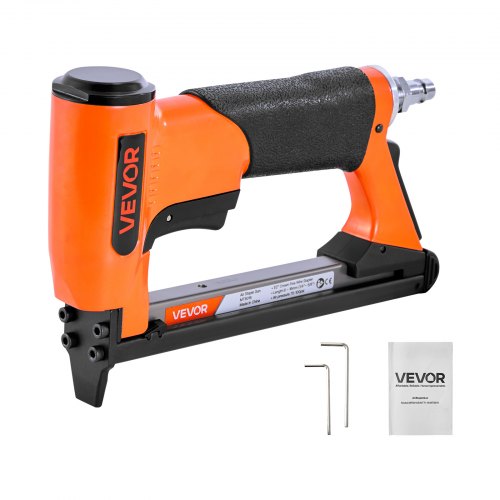


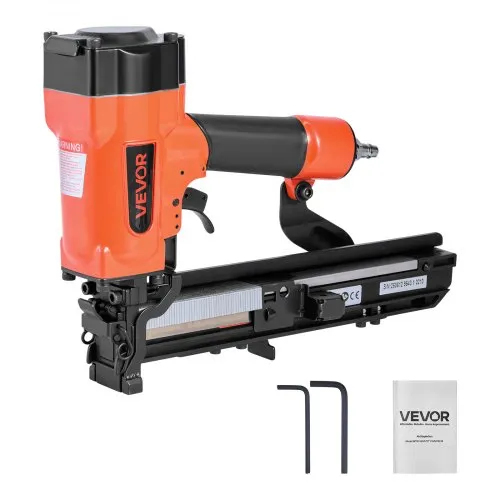


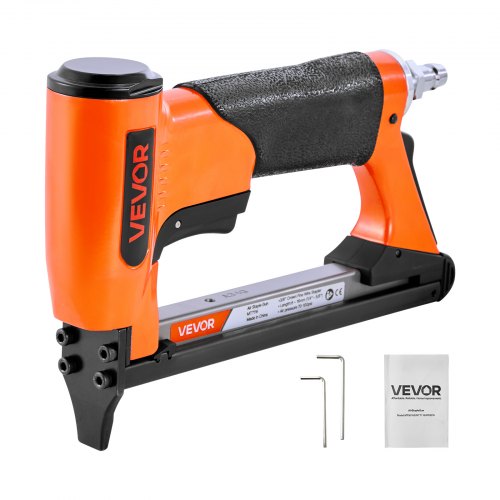


Results for Pneumatic Staple Gun
Discover VEVOR's extensive selection of pneumatic staple guns, designed to handle any fastening task, from repetitive carton sealing to detailed upholstery work. VEVOR offers consistent performance across different tool types, whether you require a heavy-duty pneumatic stapler gun for woodworking and construction, a specialized pneumatic upholstery staple gun for furniture reupholstering, or a dependable carton-closing stapler for shipping and warehouse operations. With VEVOR's dependable quality and after-sales support, our full product lineup guarantees proper ergonomic design, a recommended pressure range, and staple size compatibility for every trade expert and serious do-it-yourselfer.
VEVOR Pneumatic Staple Guns: Upholstery, Woodworking, and Carton Sealing Staplers for Professional and DIY Use
Having trouble with uneven penetration depth, slow manual stapling, or hand strain when doing a lot of fastening work? Compared to electric or manual options, a high-quality pneumatic stapler gun is far faster and more accurate, driving staples with steady air-powered force in a single trigger stroke. For both professionals and serious do-it-yourselfers, VEVOR offers a wide range of cardboard staple guns and pneumatic upholstery staplers that support a wide range of staple sizes, material thicknesses, and application types.
Staple Size Range and Pressure Requirements: Matching Your Pneumatic Staple Gun to the Job
Two main factors that determine whether a pneumatic staple gun will function reliably with your particular materials and applications are staple size compatibility and operating pressure. On the job, being aware of both helps avoid misfires, jams, and under-driven fasteners.
Staple Gauge, Crown Width, and Leg Length: What the Numbers Mean
Three factors, wire gauge, crown width, and leg length, determine how well a staple works in a particular material. Higher gauge numbers indicate finer wire suitable for delicate upholstery fabric and thin materials where large staple marks would be noticeable or damaging. In comparison, lower gauge numbers indicate thicker, stronger wire suitable for heavy-duty structural fastening.
Crown width, or the horizontal span of the staple top, varies from narrow 3/16-inch crowns used in applications involving pneumatic upholstery staple guns, where a small surface footprint is important, to wide 7/16-inch crowns used in general construction, roofing, and sheathing, where holding surface area is crucial. Leg length, which ranges from 1/4 inch for light foam and fabric layers to 9/16 inch or longer for sealing thick cardboard cartons and hardwood framing, controls the depth of penetration into the substrate. Instead of finding a mismatch after the compressor has started, you can verify gauge, crown, and leg length compatibility before purchasing with VEVOR pneumatic staple guns, since each model offers explicit staple size compatibility ranges.
Operating Pressure Ranges and Air Compressor Compatibility
Each pneumatic staple gun has a specific air pressure range that it functions within, usually stated in PSI. For safe, reliable operation, this range must match the output of your compressor. In most cases, the ideal working pressure for a particular application falls somewhere in the middle of the 70–120 PSI operating range for pneumatic stapler gun variants. Using a staple gun at low pressure results in shallow, underdriven staples that do not align with the material's surface. Excessive pressure can drive staples completely through thin materials and compromise the tool's internal valve system.
Operating pressures between 70 and 90 PSI are generally sufficient to provide clean, flush staple seating in fabric, foam, and thin wood substrates without blowthrough when using a pneumatic upholstery staple gun. The higher end of the pressure range, 90 to 110 PSI, is advantageous for heavy-duty cardboard staple guns and carton closing stapler applications that handle thick corrugated material or multi-layer carton walls because it allows for complete penetration and secure closure. In addition to an integrated pressure adjustment dial that lets you fine-tune driving power for various materials without disconnecting from the air supply between activities, VEVOR pneumatic staple guns clearly disclose the operational pressure ranges in their product specifications.
Staple Size Compatibility Across Different Applications and Materials
When you pick a pneumatic staple gun with the right size range for your main task, you will not have to keep switching tools, which saves time and makes your work more efficient. This is because different tasks need different staple specifications. Pneumatic upholstery staplers typically use 20 gauge fine wire staples with narrow crowns and 3/8 to 1/2 inch leg lengths to recover dining chairs, couches, headboards, and ottomans. These staples hold cloth securely in place without damaging the surface or stretching the fabric around the fastener.
Cabinet assembly and furniture building require heavy 16- to 18-gauge staples with wider tops and 1/2- to 9/16-inch legs to firmly grip the wood grain and keep it from pulling out under structural stress. Carton closure staplers and cardboard staple guns are used in warehouses and for packing. They use medium crown staples with a crown width of approximately 1 inch and leg lengths adjusted to fit the thickness of the carton wall being sealed. Workshops and job sites that need to do a lot of fastening work in a single shift can choose from a range of VEVOR pneumatic staple guns, each best suited to each type of job. With their adjustable driver blades, some multipurpose models can accommodate a range of staple sizes, making them truly versatile for a wide range of uses.
Single Versus Sequential Actuation Modes and Their Impact on Staple Placement Accuracy
The staple gun firing mechanism, or actuator mode, directly affects firing speed, safety, and placement accuracy across a variety of working conditions. As long as the trigger is held and the nose contacts the work surface, contact actuation, also known as bump firing, allows the tool to fire continuously. This mode maximizes stapling speed in repetitive, high volume applications like cardboard staple gun carton sealing lines or roofing underlayment work, where precise individual placement is less critical than throughput.
For sequential activation, each staple must have its own trigger pull after the nose safety tip contacts the surface. When using a pneumatic upholstery staple gun, where each staple must land precisely relative to fabric seams, piping, or ornamental components, this methodical 2 step firing technique significantly increases placement accuracy. In confined workshop areas, sequential mode also reduces the risk of unintentional firing. The ability to switch between contact and sequential operation is a feature of many VEVOR pneumatic stapler gun models. This feature allows the user to customize the tool for both high speed production runs and precise detail work, eliminating the need for two different tools at different project stages.
Features and Ergonomics That Define a Professional-Grade Pneumatic Staple Gun
The useful features and ergonomic design of a pneumatic staple gun, along with staple compatibility and pressure ratings, affect how comfortable, effective, and long-lasting the instrument is throughout a full workday.
Magazine Capacity, Loading Mechanism, and Jam Clearing Design
For high-volume applications such as carton-closing stapler operations or large upholstery manufacturing runs, magazine capacity determines the frequency of reloading interruptions. It is possible to finish most individual pieces of furniture before needing to refill a pneumatic upholstery stapler magazine, which typically holds 100 to 140 staples per load. There are high capacity magazine types that can hold 200 or more staples per load for industrial settings where reducing downtime is crucial.
How fast and neatly staples can be reloaded in the middle of a task depends on the design of the loading mechanism. Certain carton closing staplers feature bottom loading designs that keep the nose pointed at the work area during reloading. In contrast, rear loading magazines allow reloading without tilting or moving the tool uncomfortably. Jam clearing access is also vital; a tool with a side access clearing panel or a quick-release nosepiece saves a lot of time compared to one that requires a screwdriver and several disassembly steps. Key variants of VEVOR pneumatic staple guns feature smooth action magazine releases and tool free jam clearing systems, reducing workflow disruption during hectic production sessions.
Handle Grip, Weight Distribution, and Vibration Reduction for All Day Use
A pneumatic stapler gun's ergonomic design is not a luxury; for professionals who use the instrument four to eight hours a day, fatigue, accuracy, and long-term hand health are directly affected by handle comfort, weight balancing, and vibration management. Compared to bare-metal or hard-plastic handles, the rubberized overmold grip surfaces of VEVOR pneumatic staple guns reduce cumulative hand and wrist fatigue during long sessions by absorbing vibration from the tool body during firing.
A pneumatic upholstery staple gun that naturally balances at the trigger hand with little forward nose-heaviness allows for precision one-handed positioning without frequent grip adjustment. Weight distribution is just as important as overall tool weight. The majority of VEVOR pneumatic stapler gun variants are lightweight enough for extended overhead upholstery work on furniture frames and chair undersides, weighing between 2.2 and 3.5 pounds. A 360-degree swivel air intake fitting, standard on many VEVOR models, significantly reduces wrist strain during prolonged work sessions by preventing the air hose from applying torque to the tool when it is stationary. All of these ergonomic factors work together to determine whether a pneumatic staple gun remains precise and comfortable at hour seven as it was at hour one.
Why Choose VEVOR Pneumatic Staple Guns?
Professional upholsterers, woodworkers, and packaging operators want a fastening tool for everyday use, and VEVOR pneumatic staple guns deliver the ergonomic design, pressure-range precision, and staple-size compatibility they require. Every model in the VEVOR family, from heavy-duty carton closing staplers to fine-wire pneumatic upholstery staplers, is designed to perform consistently and while helping to reduce fatigue in high-volume work conditions. It has never been easier to upgrade your fastening setup, thanks to competitive pricing and dependable after-sales support. Get VEVOR pneumatic staple guns now to help drive every staple with professional-level accuracy.
FAQs
What PSI is needed to operate a pneumatic staple gun?
The majority of pneumatic staple guns run at 70–120 PSI. For clean fabric fastening, upholstery work usually calls for 70–90 PSI, whereas heavy woodworking and box sealing applications benefit from 90–110 PSI for complete staple penetration into heavier materials.
What staple size should I use for upholstery work?
The standard 20-gauge fine wire staples used in pneumatic upholstery staple guns have small crowns and leg lengths of 3/8 to 1/2 inches. This combination firmly fastens cloth without distorting the finished upholstery pieces at the staple point or producing obvious surface damage.
Can one pneumatic stapler gun handle both upholstery and woodworking?
Yes, as long as the model supports a wide range of staple gauges. Several VEVOR pneumatic stapler gun variants are adaptable enough to handle a wide range of applications in a single session, accommodating both heavier woodworking gauges and fine-wire upholstery staples.
What is the difference between a cardboard staple gun and a standard pneumatic staple gun?
Designed for high-cycle-rate production settings, a cardboard staple gun, or carton closing stapler, uses wider-crown staples that are ideal for sealing corrugated material. For woodworking and upholstery, standard pneumatic staple guns emphasize accurate placement over raw sealing throughput.