Polyester Pull Tapes










Results for Polyester Pull Tapes
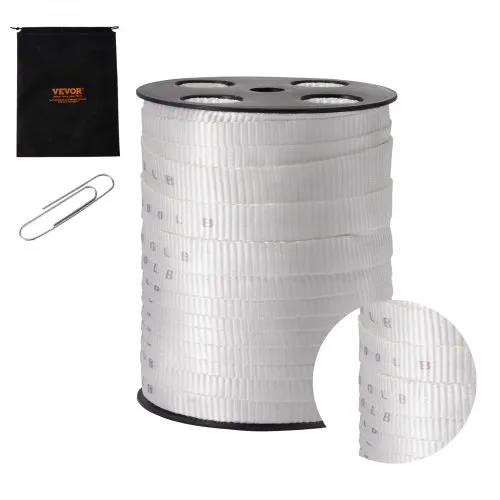
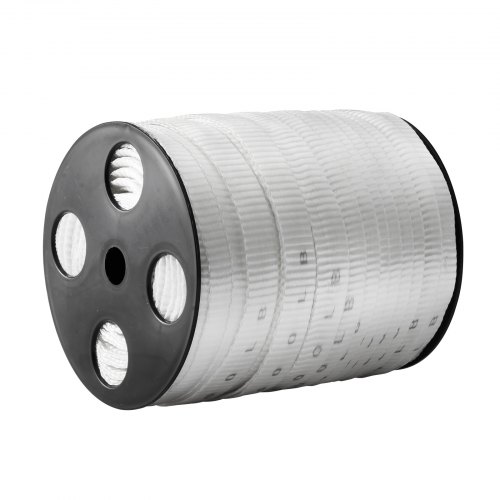
Use VEVOR polyester pull tapes, designed for utility workers, telecom installers, and electricians, to run cables and wires more quickly. We provide flat woven mule tape in 1/2", 3/4", and 1" widths, with break strengths suitable for heavy feeder bundles and single low-voltage lines. These tapes make pulling safer and cleaner than rope since they are pre-measured, low-stretch, and resistant to conduit friction. VEVOR offers dependable pulling tape at a cost that keeps your material budget in control, whether you're upgrading a service, wiring a new build, or fishing a duct bank.
VEVOR Polyester Pull Tapes for Fast, Reliable Cable and Wire Runs
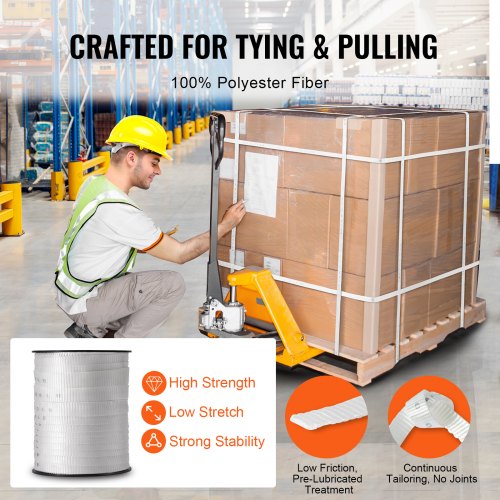
Do you need to draw conductors through conduit without the rope fraying or the line breaking in the middle? A flat woven tape holds your pulling grip firmly, prevents stretching, and rests flat against the duct wall. Electricians and cable personnel can pull wire through pipe and duct banks using a robust, low-friction method with VEVOR polyester pull tapes. Pull every run with confidence as you experiment with widths from 1/2" to 1" and break strengths suited to your load.
Choosing Polyester Pull Tapes by Width and Application
The tape width and what you're pulling through determine the best option for your task. VEVOR polyester pull tapes come in various widths and strengths, so you can match the tape to the conduit and load instead of buying too much or too little.
1/2 Polyester Pull Tape for Light Runs
The 1/2 polyester pull tape is a sensible option for small conductor pulls, data cables, and low-voltage lines. Its narrow, flat profile means you spend more time pulling wire and less time battling the tape, and it slides into tight duct and smaller conduit without bunching. The half-inch width of this all-purpose wire pulling tape is light enough to blow, vacuum, or fish through lengthy runs, providing real break strength, typically well into the hundreds or low thousands of pounds depending on the model.
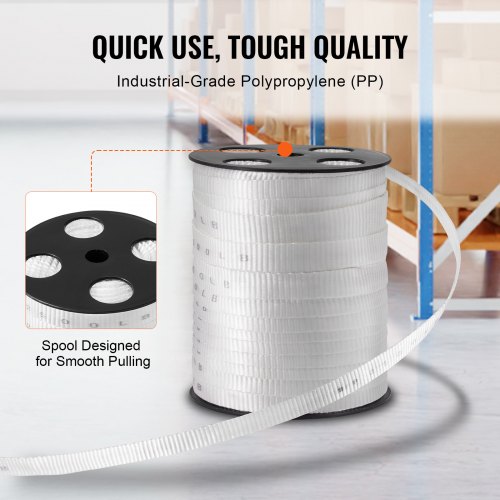
The main benefit over round rope is the flat weave. Its printed footage marks let you know precisely how much conduit is left or how far you've pulled, and it moves with less friction when it rests against the conduit wall. This polyester pull cord width suits most daily tasks in household and light commercial settings. The 1/2" size offers smooth pulls without the bulk of thicker tape when you're looking for lightweight, low-friction polyester pull tapes for smaller tubing.
3/4 Polyester Pull Tape for Everyday Pulls
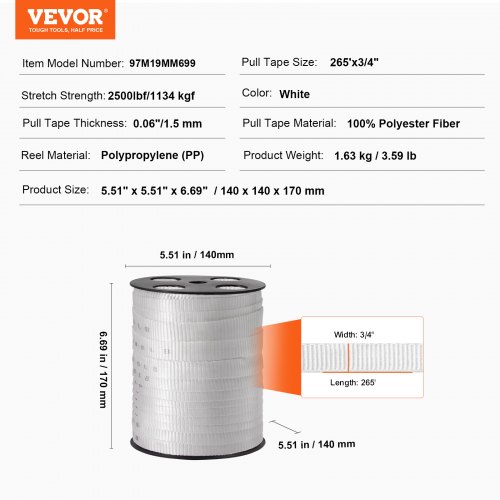
When pulling larger conductors or bundles via medium conduit, use the 3/4 polyester pull tape. Because it strikes a better compromise between strength, weight, and packability than either extreme, this mid-width size is the workhorse of most electrical vans. You have more leeway when a pull binds around a bend or a lubricant runs thin since the added width increases rated break strength over half-inch tape. Instead of pausing to re-rig a snapped line, that margin is what keeps a project going.
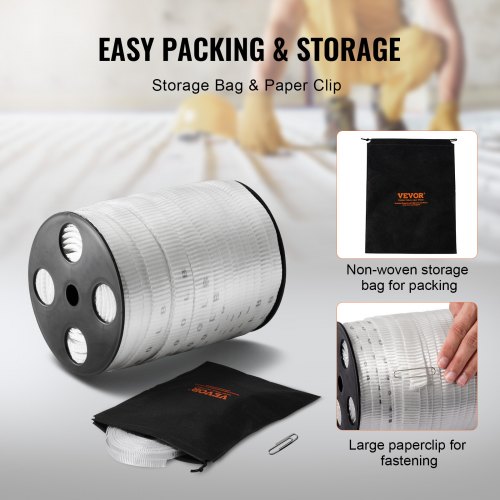
3/4-inch tape still travels well between locations because it stores compactly on a reel or in a carry bag and feeds smoothly through standard conduit. It can be used as a measuring tape for the run thanks to sequential footage printing. This width is ideal for contractors who want a single size that covers the majority of what they pull. 3/4" polyester pull tapes are the standard reach-for tape on a lot of vehicles because they can handle branch circuits, feeders, and multi-cable bundles.
1 Polyester Pull Tape for Heavy Cable
The 1" polyester pull tape provides the necessary break strength for big loads, such as extended duct-bank pulls, several heavy conductors, or huge feeders. As the widest common size, the tape is less likely to dig in or break under a strong pull because it distributes pulling power across a larger area. Flat woven tape really works better than rope in high-tension jobs. Because of its minimal stretch, it uses energy to move the cable rather than store hazardous recoil in a stretched line, and it won't corkscrew or bite into the conduit.
Utility crews, industrial electricians, and those making long or heavily loaded runs favor it. One-inch tape, with the proper pulling grip and lubricant, can handle bundles that would choke a narrower line. The wide format still prints crisp footage marks so you can keep accurate distance monitoring even on the biggest jobs. The thickest pull tape is in polyester, so it isn't the weak point when you are pulling hard with a heavy load.
Conduit Pull Thrus and Practical Applications
Width is relevant only in context, and context is almost always relevant. Flat woven tape is useful in pull tape conduit runs like EMT, PVC, or underground duct banks, as it feeds neatly around sweeps and elbows where round rope tends to jam. Normally, you put the tape on, blow or vacuum a line through the empty conduit, and pull your conductors with the tape. Special conduit pulling tape is available for this purpose, with a low-friction surface and printed footage that lets you pre-measure cable before the pull.
Utility work, telecom and fiber installations, new builds, and service upgrades are all applications. Some crews even leave a tape in place to act as a mule queue for the next set of conductors after a draw. The tape is lubricant-friendly or pre-lubricated to reduce drag on long or crowded runs. VEVOR polyester pull tapes provide installers with a dependable, non-damaging means to pull wire through pipe the first time, regardless of the project type.
VEVOR Polyester Pull Tapes: Material & Strength
A tape's strength, along with its width, depends on its strength rating and the material used. And VEVOR polyester pull tapes are reliable on both fronts.
Load Matching Rating & Break Strength
Basic safety means the break strength has to exceed your pull, the most important number for any tape. The flat line of cable pulling mule tape from VEVOR comes with a certified tensile strength printed on the box so you can size the tape to the projected pulling tension. It is a simple rule. Your tape must have a rated strength well above the draw force you calculated, with a safety margin for bends and binds.
Too big takes up room and money; too small risks snapping the line and whipping back, which can be dangerous. Raw strength matters, but so does low stretch. Polyester has very little stretch when loaded, so it stores less energy when it recoils. Polyester is much safer than a stretch string. Its low-stretch characteristic means film under tension can be read accurately. Predictable pulls, safe crews. Use the correct polyester pull tape for each run.
Woven Polyester Material and Its Significance
It is the material that makes the system work as a whole. Polyester pulling tape is a dense woven polyester fiber, flattened and compressed into a flat profile. Strong under tension when pulled inside wet conduit, it resists rot, moisture, and abrasion. That’s what sets it apart: its flat construction, called Mule Tape Flat Rope. It spreads force across its width. Less likely to cut into the conduit edges. It creates less friction than round rope on long runs and provides cleaner pulls and longer tape life.
Polyester can handle underground and outdoor conditions where natural fibers will not. A good Polyester Cable Pulling Tape will stand up to season after season of service. It won’t absorb water like some materials, and it resists UV rays. It will retain its rated strength over multiple uses. Thanks to the sequential footage already printed on it and the option to pre-lubricate it, the material can also serve as a pulling line and measuring tool. That combination is why professional crews choose woven polyester pull tapes over rope for serious cable work.
Why Choose VEVOR Polyester Pull Tapes?
VEVOR polyester pull tapes cover every conduit, load, and trade: residential, commercial, telecom, and utility, in sizes from 1/2" light-duty line to 1" heavy-pull tape. Flat-weave strength, low stretch, printed footage markings, and lubricant-ready surfaces come at a fraction of the cost of premium brands. Pull cleaner the first time and avoid snapped lines and frayed rope. Professional-grade pulling tape is reasonably priced with VEVOR's fast after-sales service and satisfaction guarantee. Get ready for your next cable run by perusing the entire selection now.
FAQs
What's the difference between pull tape and rope?
Pull tape is made of flat woven polyester that rests on the conduit wall to reduce friction and prevent stretch. Flat tape feeds smoothly and often has printed footage markings, while round rope tends to corkscrew and jam on bends.
How do I choose the right break strength?
Choose a tape whose rated strength easily exceeds the tension of your pull, leaving a safety margin for bends and binds. Wider tapes provide greater break strength for heavier cable, whereas undersizing increases the likelihood of a hazardous snap.
What do the numbers printed on the tape mean?
Most are measuring lines because the sequential marking indicates their length. Before cutting cable, you can measure conduit runs and determine how far you've pulled, which saves time.
Can polyester pull tape be used underground?
Indeed. Polyester outlasts natural-fiber rope in damp duct banks and outdoor runs because it resists moisture, decay, and UV rays. As a mule queue for next pulls, several crews leave a tape in the pipe.