Pullers








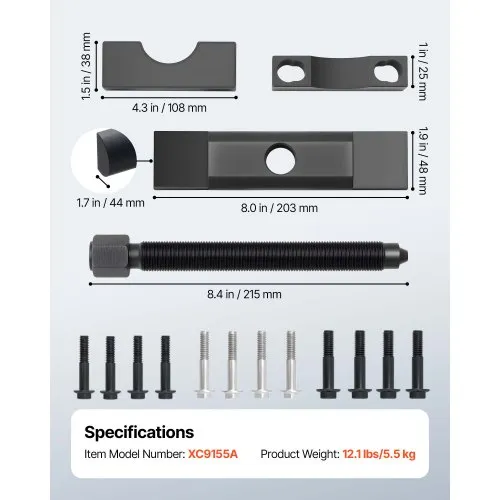
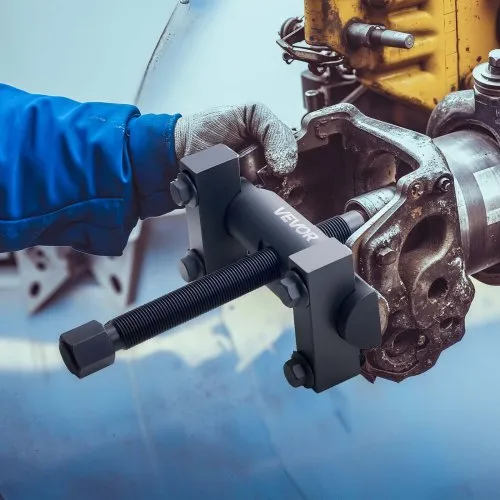
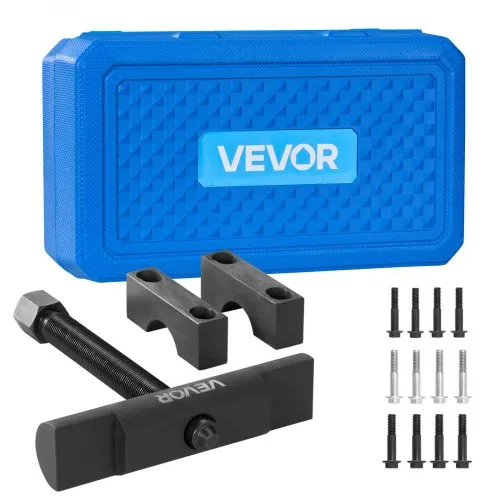
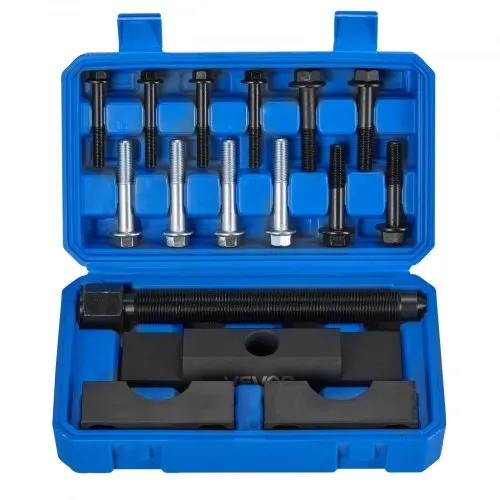

Results for Pullers
One thing unites seized gears, persistent dents, and stuck bearings: manually removing them frequently causes more harm than good. From car body dent pullers to bearing and race extractors, slide hammer pullers, and harmonic balancer pullers, VEVOR's pullers are designed to remove these parts cleanly. This collection gives mechanics and DIYers the right puller for any job, whether they're doing a full engine teardown or repairing a small body panel.
VEVOR Pullers for Auto Repair, Bearing Removal, and Industrial Jobs
Unsure whether the task at hand requires a gear puller, a slide hammer, or a specialized dent puller? Because VEVOR's pullers are organized by repair task, you can match the right tool to what you're removing instead of forcing something that wasn't designed for it. Whether it's stubborn bearings and gears or body dents and engine components, the right puller can make removal much easier. Selecting the right tool will also help reduce the chances of damaging neighboring components during repairs.
Puller Type and Application: Matching Pullers to the Job at Hand
Each stuck component requires a different strategy, and the wrong puller often results in bent parts, stripped threads, or a part that still won't move. This section breaks down the types and applications of VEVOR's pullers.
Gear Pullers for Removing Gears, Pulleys, and Press-Fit Components
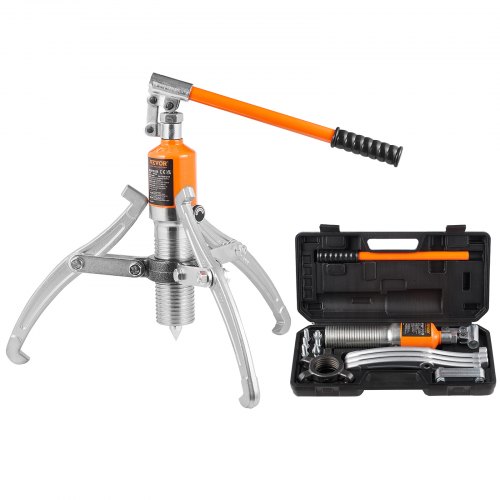
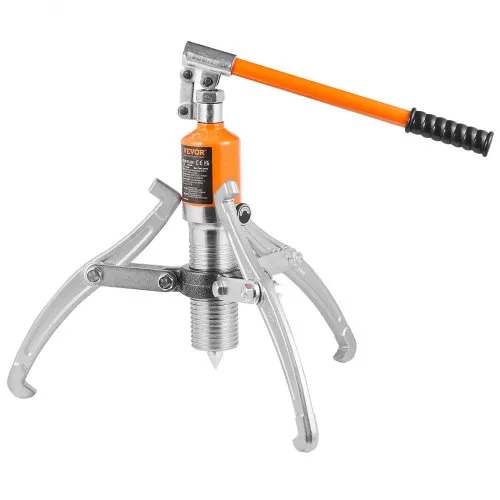
A mainstay in most mechanics' toolboxes, gear pullers remove gears, pulleys, and press-fit components by grasping them from the outside edge. VEVOR commonly offers two-jaw and three-jaw gear pullers; three-jaw models provide better stability on parts with uneven surfaces or few grip points. The choice between the two usually relies on the part you're removing; three-jaw designs handle irregular forms more securely, while two-jaw pullers perform best on simpler, symmetrical components.
Pulley pullers offer a similar function and are designed to remove pulleys from crankshafts, alternators, and power steering pumps without damaging the shaft threads. Forcing pulleys off without the proper puller typically warps the pulley or breaks the shaft because pulleys are often tightened tightly and exposed to heat cycles over years of operation. Instead of compromising the component to remove it, a high-quality gear puller keeps it intact and reusable by applying uniform pressure across several points.
Bearing and Race Extractors for Precision Removal Work
Because bearings and races are forced into housings with extremely tight tolerances, they are notoriously difficult to remove without specialized tools. The purpose of bearing and race extractors is to grasp these small, frequently recessed parts and extract them without causing harm to the housing bore surrounding them. This matters because a gouged or damaged housing may require replacing the entire assembly rather than just the bearing, making a straightforward repair much more expensive.
With interchangeable jaws or collets designed for various bearing diameters, VEVOR's bearing and race extractors offer you flexibility across a variety of maintenance tasks without requiring a separate tool for every bearing size you come across. Because wheel bearings, gearbox bearings, and differential bearings vary in size and depth, this is particularly helpful for shops working on a variety of cars. Having a multipurpose extractor set on hand saves time and money compared to buying specialized equipment for every task.
Slide Hammer Pullers for Stubborn, Deeply Set Components
A slide hammer puller applies controlled impact force to free a component that won't move under constant pressure. These gadgets deliver shock force into whatever is attached at the other end by sliding a weighted handle along a shaft and smashing it against a stop. Slide hammer pullers often remove axles, hub assemblies, and other deeply seated parts that resist the constant pull of a standard puller.
A single slide hammer handle can handle several tasks, depending on the adapter you attach, thanks to the interchangeable attachments often included with VEVOR's slide hammer pullers. Even if you don't use it often, its adaptability makes it a smart addition to a shop's toolkit because its impact force can handle situations that no amount of patience with a regular puller can. Auto body dent pullers apply the same slide-hammer concept differently, using impact force rather than mechanical elements to draw dents outward from sheet metal panels.
Specialty Pullers for Harmonic Balancers, Cylinder Liners, and Yokes
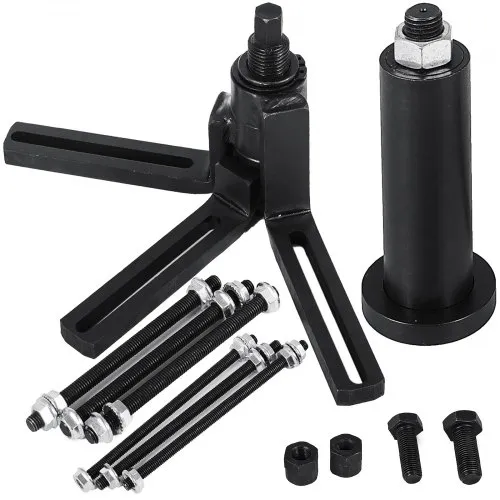
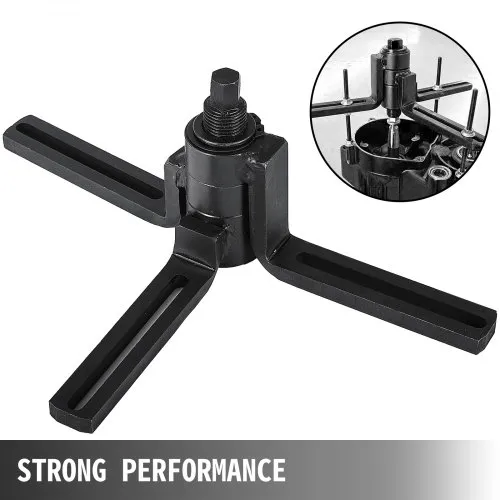
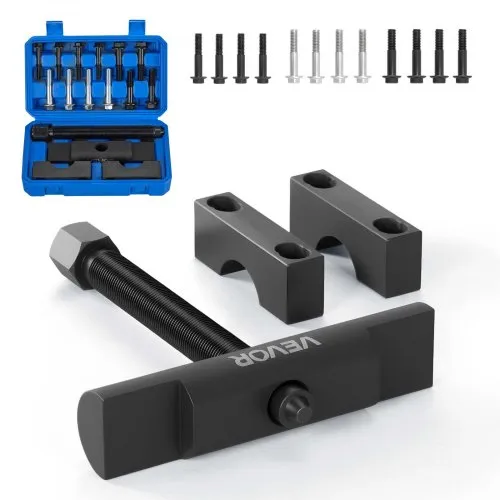
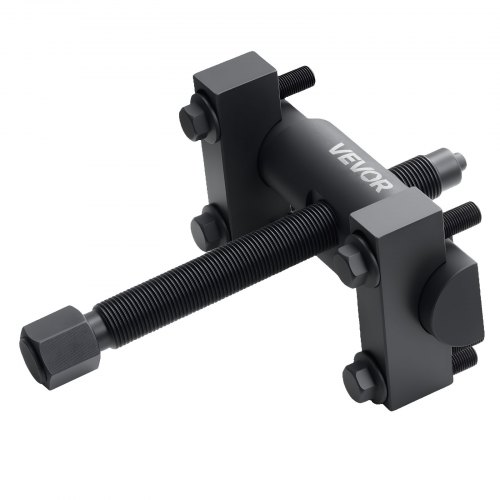
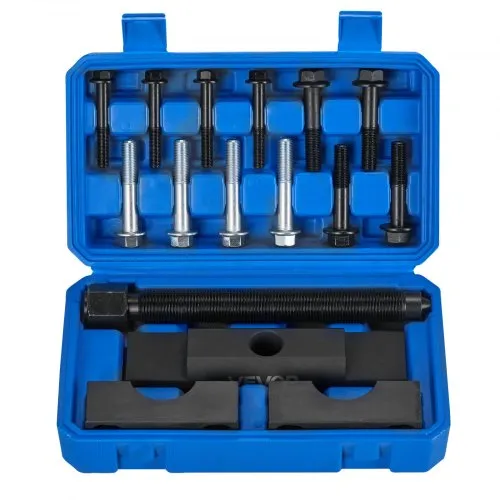
Some tasks require a specialized tool rather than a general-purpose puller. The purpose of harmonic balancer pullers is to remove balancers from crankshafts, a task that necessitates exact thread engagement because balancers are placed in proximity to other engine parts and are installed with considerable force. Using the wrong puller can damage the crankshaft snout, turning a simple repair into a serious engine issue.
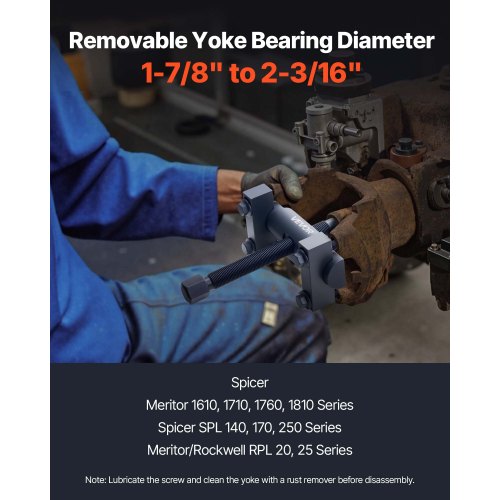
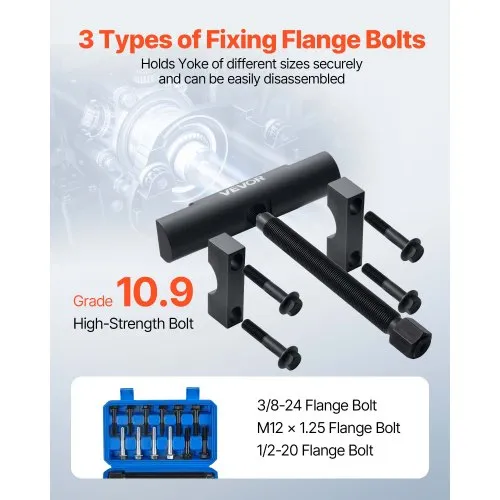
Cylinder liner pullers remove liners from engine blocks without damaging the block or cutting the cylinder walls. This specialty category includes yoke pullers, designed to separate drivetrain yokes from gearbox or differential parts during driveline maintenance. VEVOR offers specialized pullers for each of these car maintenance tasks rather than expecting one tool to cover them all, since a generic gear puller often won't fit or provide enough targeted force.
Capacity and Features: What to Check Before Buying Pullers
Beyond puller type, a tool's capacity rating and construction affect whether it completes the task or fails midway.
Weight Capacity and Jaw Spread Considerations
One of the quickest ways to bend a jaw or break a forcing screw in the middle of an operation is to exceed the maximum load rating that each puller possesses. Before purchasing, compare the jaw spread range and tonnage rating to the components you will actually be pulling. Matching capacity to the work is just as important as matching the puller type, since a puller rated for light-duty pulley removal won't withstand a press-fit bearing race that has been seized in place for years.
Jaw spread is equally crucial because a puller with an excessively small range won't reach around larger components, such as larger pulleys or harmonic balancers. For this reason, VEVOR lists puller spread range and capacity explicitly, making it easier to check compatibility before you find out the jaws won't open wide enough halfway through a task. When in doubt, sizing up a little instead of buying the exact minimum for a single task gives you more flexibility for future repairs.
Build Material and Durability Features
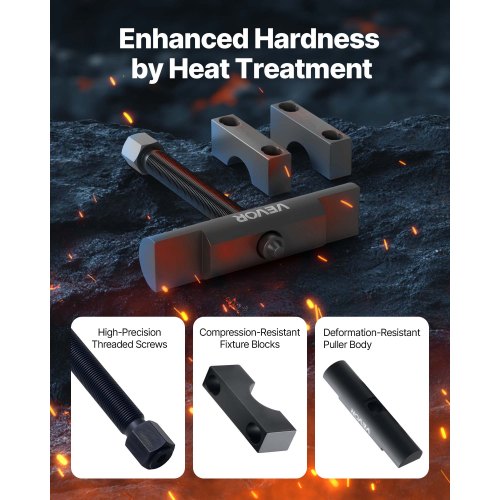
For slide hammer pullers and gear pullers used under high force, forged steel performs noticeably better under prolonged pressure than cast equivalents. This matters more for shops that use pullers daily than for sporadic home repairs, since cast components can fracture under stress that forged steel withstands. When repairing vehicles, puller jobs involving corroded or severely seized parts are worth the extra minute to inspect construction materials before buying.
Because pullers exposed to coolant, grease, and shop grime benefit from corrosion-resistant coatings that keep threads moving smoothly over years of operation, coating also affects longevity. By letting you replace worn gripping surfaces instead of the entire instrument, interchangeable or replaceable jaw tips extend a puller's useful life. When assembling a shop toolkit, it is more cost-effective to prioritize build quality on pullers you use most often than to spend a few dollars up front on a tool that breaks down within a year of constant use.
Why Choose VEVOR Pullers?
The entire spectrum of vehicle repair and industrial removal tasks is covered by VEVOR's pullers, which vary from gear pullers and bearing extractors to slide hammers and specialty tools for harmonic balancers and cylinder liners at costs that don't negatively impact your bottom line. You're covered long after you check out because every tool is supported by trustworthy after-sales service. Give up manually pushing jammed parts. Find the right tool for the part you're removing by browsing VEVOR's puller selection now.
FAQs
What distinguishes a three-jaw gear puller from a two-jaw one?
Even grip points and symmetrical components are ideal for two-jaw pullers. Three-jaw pullers offer superior stability on uneven shapes, making them more flexible for different auto repair operations.
Is it possible for a slide hammer puller to harm the part it is removing?
If used incorrectly, it can. Because excessive impact can harm shafts, housings, or the component being withdrawn, always use the proper attachment and use controlled force.
Does removing a harmonic balancer require a specialized puller?
Yes. Harmonic balancers require controlled force and precise thread engagement. Crankshaft damage that a generic gear puller could readily cause is avoided using a specialized harmonic balancer puller.
Which bearing extractor size is required?
Housing depth and bearing diameter determine the required size. To accommodate various bearing sizes for various maintenance tasks, look for extractor sets with replaceable jaws or collets.
For pullers, is forged steel preferable to cast steel?
Yes, for heavy-duty or frequent use. Cast steel is more likely to collapse under the same recurring load, while forged steel resists fracture under prolonged pressure.