Roll Roofing














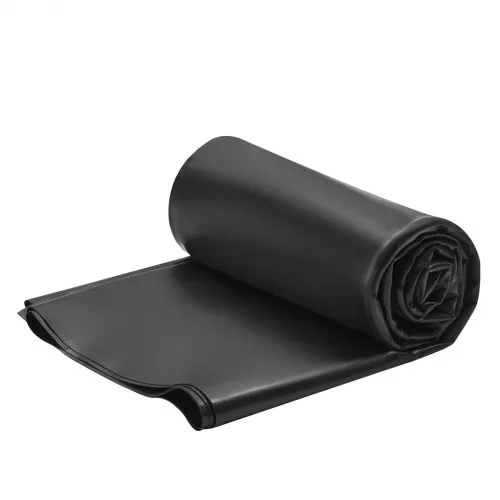

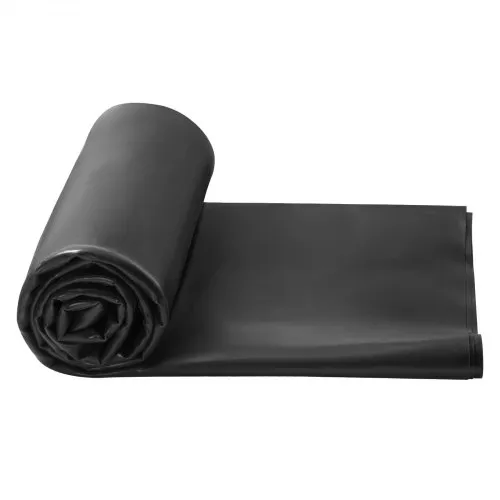

Results for Roll Roofing
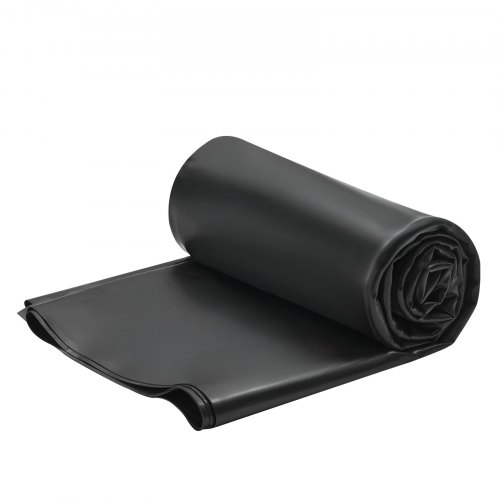
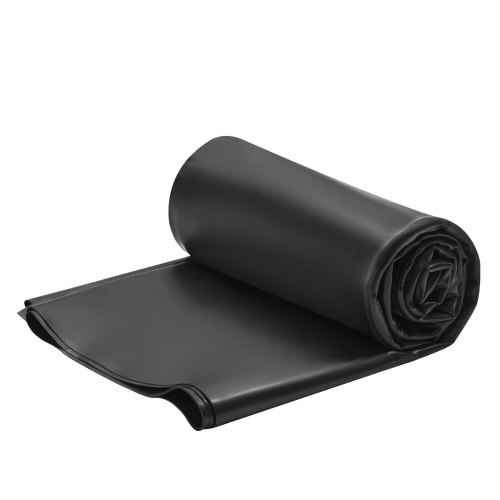
VEVOR offers a wide variety of roofing rolls to protect low-slope and flat roofs. Developed for both do-it-yourselfers and contractors, VEVOR offers roll roofing materials, felt underlays (underlayments), and rubber roofing rolls that are reliable for weather sealing in most roof applications. VEVOR can meet all of your needs, whether you need rubber roll roofing for a garage, shed, or flat roof expansion, or a roll for roofing underlayment under shingles.
VEVOR Roofing Rolls for Reliable Weather Sealing on Flat and Low-Slope Roofs
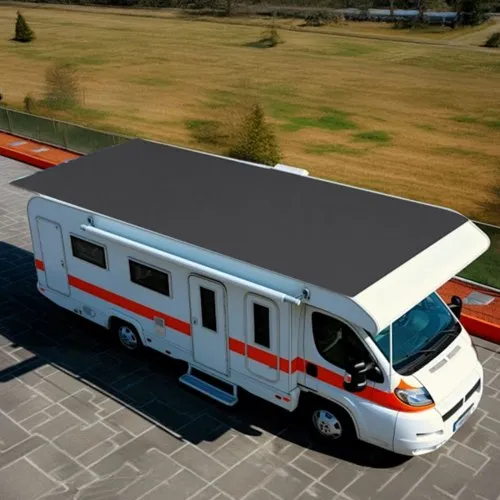
Are you applying underlayment under shingles on a low-slope application, waterproofing a flat roof, or covering a shed? For flat and low-pitch surfaces, the proper roofing roll provides a continuous, seam-minimized weather barrier unmatched by sheet materials or individual tiles. VEVOR's roofing rolls offer easy installation, long-lasting outdoor performance, and consistent protection against rain, UV rays, and temperature fluctuations year-round.
Material Type and Coverage Area in VEVOR Roofing Rolls
The two main factors that determine whether a roofing roll is appropriate for your application and how many rolls your project needs are the material type and the roll's coverage area. Each product in VEVOR's lineup includes explicit coverage parameters for the main roofing roll materials used in residential and light commercial applications.
Rubber Roofing Rolls: Performance on Flat and Low-Slope Surfaces
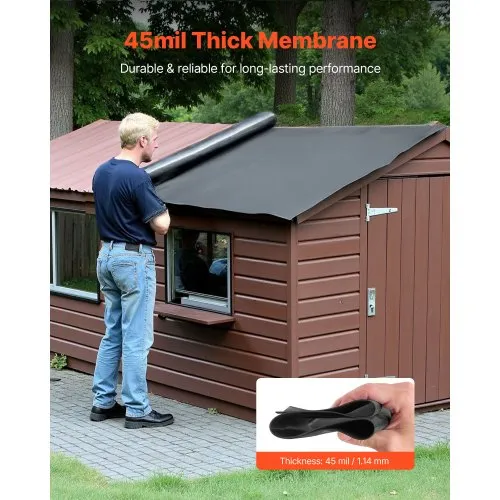
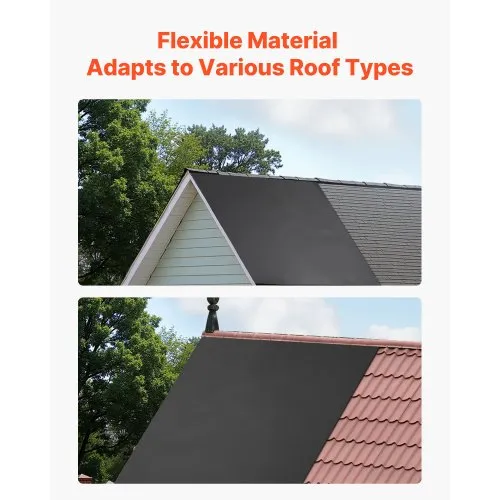
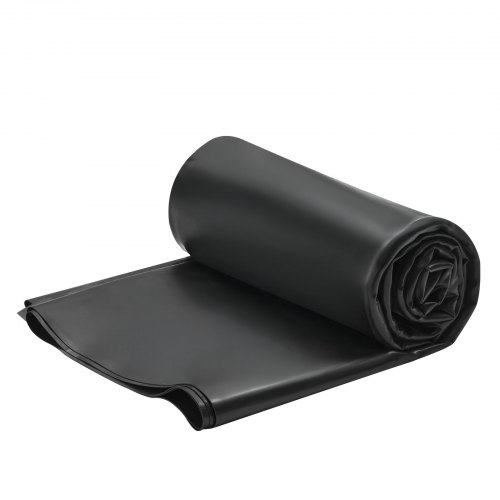
Because it combines true waterproofing performance with flexibility that allows for thermal expansion and slight structural movement without cracking or delaminating, rolled rubber roofing is the most popular material for flat and low-slope roof applications. Rubber roll roofing creates a nearly continuous membrane across the roof surface, eliminating the numerous seam locations where water infiltration begins on built-up roofing systems, unlike rigid roofing materials that depend on perfect lap joints to shed water.
The EPDM or similar rubber compounds used to make VEVOR rolls maintain their flexibility over a broad temperature range. In colder climates, where less expensive materials break, they remain pliable, and in hotter summers, when less expensive rubber compounds soften and deform, they remain dimensionally stable. Rubber roll roofing is a dependable option for all-climate applications, from hot southern climates to frigid northern ones where daily temperature fluctuations continually put roofing materials under duress. Compared to tile and panel systems, which require the placement and alignment of individual pieces, rolled rubber roofing's continuous membrane structure allows a single installer to cover vast roof surfaces effectively, saving labor time.
Coverage Area: Calculating How Many Roofing Rolls Your Project Needs
Precise coverage estimation avoids the expensive and time-consuming issue of material shortages in the middle of a project. This feature is especially problematic with roofing rolls, as matching material from a different production batch may introduce subtle color and thickness variations that are visible in the final roof surface. Therefore, it is crucial to comprehend how roll dimensions correspond to usable coverage areas before making a purchase.
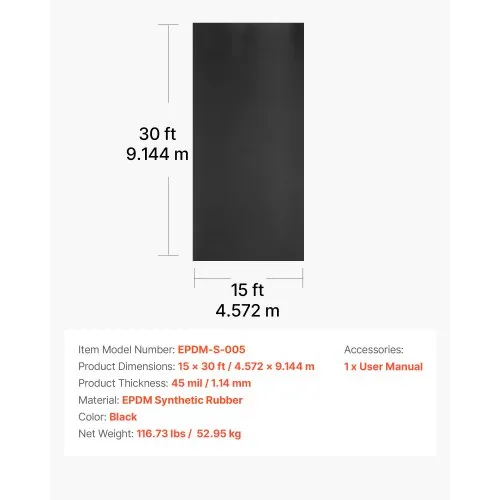
Each VEVOR roofing roll product page clearly states the coverage area and the typical roll widths and lengths. Depending on the material type and slope, the usual practice is to overlap adjacent roll edges by 3 to 6 inches, reducing the net coverage per roll. This feature means that usable coverage is always less than the total roll area due to the overlap required at seams. To account for seam overlaps, perimeter edge trim, and waste from cutting around obstructions such as vents, skylights, and roof penetrations, always add 10-15% to your predicted roof area when placing your order. To make ordering calculations easier for both experienced roofers and novice do-it-yourself installers, VEVOR provides product dimensions in both imperial and metric units, and the covering area per roll is indicated on key product pages after the customary overlap allowance.
Felt and Bitumen Roofing Rolls: Underlayment and Surface Applications
The main uses for felt and bitumen rolls are as surface-applied cap sheet material on built-up or modified-bitumen flat roof systems and as underlayment under shingles and tile on pitched roofs. These uses differ from those of rubber membrane materials. Knowing where each type of material works best helps avoid the common mistake of using an underlayment product as a finished surface or vice versa.
Installed directly over the roof deck beneath shingles, roofing felt rolls are the conventional underlayment option for pitched roof applications. They serve as a slip plane to shield shingles from deck irregularities and a supplementary water barrier. Bitumen-based rolls provide a reliable waterproof covering that can be torch-applied or self-sealing on slopes too shallow for conventional shingle installation, significantly improving performance on low-slope and flat roof surfaces. VEVOR's roll-for-roofing range covers both categories, and product descriptions make it clear whether a roll is intended for underlayment or finished-surface use. The first step is to choose the right product category for your particular application. If you use a felt underlayment as a finished, exposed surface, it will quickly deteriorate from UV rays and fail prematurely in just one season.
Roll Dimensions and Waste Reduction on Complex Roof Layouts
On roofs with complex layouts, roll width and length directly affect how efficiently a roofing project proceeds because of offcuts from many penetrations, valleys, hips, and irregular perimeters, resulting in material waste. Narrower rolls are easier to handle but result in more seam lines that require more sealing; wider rolls cover more area per run but are heavier and more challenging for a single installer to handle on a roof.
On residential roof scales, VEVOR roofing rolls come in widths that strike a mix between practical single-installer handling and coverage efficiency. Standard widths make it easier to manage the full roll weight at height by enabling rolls to be cut to length on the ground before sections are carried up to the roof. Sheds, garages, and flat roof extensions are examples of simple rectangular roof surfaces that can often be covered with a single roll width in one or two passes, with little waste. To minimize material waste and the number of seam-sealing operations needed for a waterproof final installation, more complex layouts should plan the run direction to minimize cross-cuts and align seams away from valley and penetration zones. This pre-project layout design is simple thanks to VEVOR's explicit roll dimensions.
Durability and Installation Method in VEVOR Roofing Rolls
Both the long-term performance of the completed roof and the ease of installation, given the skill level and equipment available on your project, depend on how well a roofing roll performs when exposed to the elements and the installation technique required. With installation methods accessible to both skilled do-it-yourselfers and professional roofers, VEVOR designs its roofing rolls for long-lasting outdoor performance.
UV Resistance, Weather Durability, and Service Life
Of all building materials, roofing materials must withstand the most severe outside exposure conditions, including constant UV rays, rain, wind, freeze-thaw cycles, and thermal expansion stress that builds up over many years of use. Water penetration issues caused by a roofing roll that deteriorates, splits, or loses adhesion in a matter of seasons can cause significantly more costly damage to the roof's interior and structure than the initial cost of the roofing material.
The UV-stabilized rubber compounds in VEVOR rubber roofing rolls help prevent surface oxidation, cracking, and brittleness over the years of exposure to direct sunlight. In most regions, this is the main way that outdoor rubber goods deteriorate. Despite higher initial material costs, EPDM rubber compounds used in high-quality rubber roll roofing generally have service lives rated longer than those of standard felt and basic bitumen products. This feature makes them an affordable long-term investment. Instead of choosing the least expensive option without fully comprehending the durability trade-offs, buyers can choose based on the actual climate demands of their particular project location, thanks to VEVOR's product specifications, which list each roofing roll material's UV resistance rating and expected service conditions.
Installation Methods: Adhesive, Mechanical Fix, and Torch-Applied
Roofing roll installation techniques vary depending on the kind of material and roof architecture. For example, bitumen cap sheet products use cold-applied adhesive or torch application, rubber membrane rolls use mechanical fastening or adhesive bonding, and felt underlayment products use glue or staples to attach directly to the roof deck. An insufficient bond that rises, bubbles, or splits due to thermal movement and wind uplift results from using the wrong installation technique for the material type.
Each product's installation instructions are clearly marked on VEVOR roofing rolls, and adhesive-applied rubber rolls include instructions on the types of adhesives that work best and the coverage required. For felt and certain rubber underlayment goods, mechanical fixing with roofing nails, screws, and plates is suitable when the roof system design does not call for adhesive bonding. Compared to bitumen systems that require gas-torching equipment and roof fire safety management, VEVOR's adhesive-applied rubber roll products offer a torch-free installation method that provides a dependable waterproof bond when correctly installed, without specialized equipment, offering a significant practical advantage for do-it-yourself installers. VEVOR roofing rolls come with comprehensive installation instructions that cover everything from surface preparation to adhesive application, roll placement, seam sealing, and perimeter edge detailing for a thorough, waterproof final installation.
Why Choose VEVOR Roofing Rolls?
For dependable flat and low-slope roof protection, VEVOR roofing rolls offer the material quality, coverage area, and weather-resistance required by contractors and do-it-yourself homeowners. Every product is designed for long-lasting outdoor performance, from felt underlayment rolls for pitched roof systems to UV-stable rubber roofing rolls for long-term membrane applications. Projects can achieve professional-quality roofing outcomes with VEVOR's affordable prices and dependable after-sales service. Visit VEVOR.com to see the entire selection and start protecting your roof right now.
FAQs
What is the difference between rubber roofing rolls and felt roofing rolls?
For finished-surface, level, low-slope applications, rubber roofing rolls create a watertight membrane. The main purpose of felt rolls on pitched roofs is as an underlayment under the shingles. Rapid UV damage and early failure result from using an underlayment product as the final exposed surface.
How do I calculate how many roofing rolls I need?
Add 10% to 15% to the area of your roof to account for seam overlaps, perimeter trim, and waste removal around penetrations. Calculating the total roll quantity before placing an order is simple using VEVOR roofing roll product pages, which specify usable coverage per roll after standard overlap allowance.
Can VEVOR rubber roll roofing be installed without a torch?
Yes, VEVOR adhesive-applied rubber roofing rolls provide a dependable watertight bond without the need for a torch, which is advantageous for do-it-yourself installers. For proper installation, adhere to VEVOR's adhesive type, coverage rate, and cure time recommendations.
How long do VEVOR rubber roofing rolls last outdoors?
To ensure a long outdoor service life in all climates, VEVOR rubber roofing rolls use UV-stabilized EPDM compounds. Correct installation, climatic severity, and maintenance determine actual service life; before making a purchase, review the rated service conditions for the particular product on the VEVOR product page.
What roof slope is rubber roll roofing suitable for?
For low-slope and level applications, rubber roll roofing is ideal; these are usually roofs with a pitch of less than 3:12. The proper way to apply roofing rolls on steeper pitches is to place felt underlayment underneath shingles or tiles. Before installation, always verify the VEVOR product's minimum slope rating.