

Roof Ripper
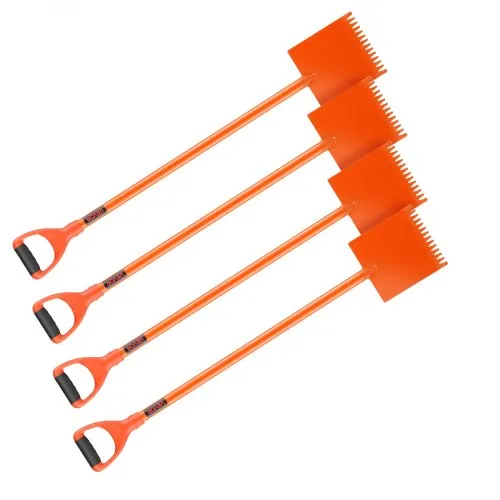


Results for Roof Ripper
A shingle shovel, also called a roof ripper, is a long handled hand tool made for stripping old roofing off a deck. Its flat head ends in a row of teeth that slide underneath the shingles. The worker pushes the head below a course, presses down on the handle, and pries upward so the roofing lifts away along with the nails holding it. A raised step behind the head acts as a pivot, turning downward effort into lifting force. The long handle adds reach and leverage, letting the user break material loose while standing rather than kneeling on the roof.
Most shingle shovels come in a few forms. Narrow heads around 8 to 10 inches work in tight spots, standard heads of 12 to 14 inches balance reach and control, and wide heads of 16 to 18 inches clear open runs fast. Handles range from short 36 to 42 inch grips for steep roofs to long 48 to 60 inch levers for standing work, and most blades carry serrated teeth with a fulcrum step for prying nails. Typical uses are stripping asphalt, wood, and composite shingles, lifting underlayment, and clearing fasteners before a new roof goes on.
5 things decide what you need:
- Blade width: narrow heads steer around vents and flashings, while wide heads clear open roof faster.
- Handle length: shorter handles control steep pitches, longer handles add standing leverage on low slopes.
- Blade edge: serrated teeth bite under courses and pull nails, while smoother edges slide but grip less.
- Leverage: a stepped fulcrum near the head turns down force into lift and saves your back.
- Quantity: one tool suits a homeowner, while multi-packs equip a full tear-off crew.
Browse the complete shingle shovel range to compare heads and handles, or step up to the full roofing tools range for the rest of the tear-off job.
Shingle Shovel Types at a Glance
The main shingle shovel types differ mostly by blade width, which drives where each one performs best.
| Sub-type | Blade Width Range | Typical Work Area | Stripping Pace | Trade-off |
|---|---|---|---|---|
| Narrow-blade | 8 to 10 in | Vents, chimneys, flashings, cut-up roofs | Slower, controlled | Precise around obstacles but needs more passes on open areas |
| Standard-blade | 12 to 14 in | Most homes and light commercial roofs | Moderate, all-round | One head covers most jobs without switching tools |
| Wide-blade | 16 to 18 in | Large open roof planes and tear-offs | Fast, high-volume | Clears area quickly but heavier and less nimble |
VEVOR Shingle Shovels for Fast Tear-Off and Efficient Roofing Projects
Are you looking for roof removal equipment that quickly removes shingles while keeping you from getting too exhausted on tough tear-off jobs covering whole rooftops? The right shovel transforms exhausting manual labor into swift stripping and deck clearing, enabling the installation of new roofing. The blades of VEVOR shingle shovels are quite sharp, and the handles are designed to fit your hand comfortably. This makes it easier to remove old shingles, underlayment, and fasteners without straining your body on long days of roofing labor.
Blade Width Options and Handle Lengths for Optimized Performance
Knowing the blade size and handle specs can help you choose shingle shovels that are right for your project and your tastes. The right blade width makes stripping easier, and the right handle length makes it easier to operate and gives you more leverage.
Narrow Blade Options for Precision Work
Narrow-blade shingle shovels, 8 to 10 inches wide, give you fine control for detailed work around vents, chimneys, and roof penetrations that require careful material removal. These shingle removers are easy to maneuver in narrow areas where broader blades get in the way. Using a precise shingle-removal shovel around flashings prevents the remaining shingles from being damaged.
Lighter weight from smaller shingle shovels makes it easier to operate overhead for long periods and on steep slopes, where you need to be careful about your balance. These flexible roofing shovel alternatives are great for home projects with many holes that require close attention. Compact roof ripper options work best on roofs with complicated shapes.
The VEVOR narrow-blade shingle shovels meet the need for precision by using designs that are the right size. Our roof shingle removal tools are easy to move and work well on roofs with a variety of features. These specialized tools help with detailed tear-off work around anything that gets in the way.
Standard Blade Options for Versatile Performance
Standard-blade shingle shovels that are 12 to 14 inches broad strike a compromise between coverage and agility, making them useful for different types of roofs. These useful roofing shingle shovels work well for most household and light business uses. The versatile shingle removal tool is sized for most tear-off jobs and requires no specialized tools.
Standard shingle shovels with balanced coverage strip open field areas quickly and are easy to use around small obstructions. These roof shingle shovels can be used for an entire job without having to switch between sizes. All-purpose roof ripper tools can do many things, making them quite useful.
The VEVOR standard-blade shingle shovels are useful for a wide range of roofing tasks. Our balanced roof shingle removal tools cover the most common needs for removing shingles. These different sizes make it easier to choose the right tool for most jobs.
Wide Blade Options for Maximum Coverage
Wide-blade shingle shovels that are 16 to 18 inches long cover the most area for quickly stripping huge open roof portions. These powerful roofing shingle shovels clear large areas with each stroke, speeding up project timelines. For high-volume shingle removal work, a shovel with a wider blade is better.
Wide shingle shovels that quickly cover many square feet are helpful for large commercial and residential applications. These useful shingle-removal options reduce the number of passes needed across large roof planes. Industrial roof-ripping equipment features large blades that allow it to work faster.
VEVOR wide-blade shingle shovels are designed to cover the most area possible, making them great for removing many shingles at once. Our effective tools for removing roof shingles speed up big tear-off jobs. These useful tools help keep up with the busy schedules of commercial roofing.
Handle Length Options for Leverage and Reach
Short-handled shingle shovels that are 36 to 42 inches long are ideal for working in tight spaces and for people who like small tools that provide them direct control. These easy-to-handle roofing shingle shovels don’t provide you as much leverage, but they do make it easier to move around in tight spaces. Shorter handles on shingle removal tools work well on steep slopes where longer equipment is difficult to use.
Long-handled shingle shovels that are 48 to 60 inches long provide you with more leverage, which means you don’t have to work as hard when peeling shingles. These ergonomic shingle removers let you work while standing, reducing strain on your back. Longer roof ripper handles let you operate in comfortable positions for extended periods.
VEVOR makes shingle shovels in different lengths to meet the needs and tastes of different users. We offer different handle options for our shingle removal tools to suit various operating styles. These length options make it easy and comfortable to tear off.
Matching a Shingle Shovel to the Job
Beyond blade width, the right handle and feature set depend on the roof in front of you.
| Roof or Job Type | Handle Length to Favor | Feature That Earns Its Keep | What to Watch For |
|---|---|---|---|
| Steep or high-pitch roofs | Shorter, 36 to 42 in | Secure D-grip | Long handles cut control and footing on steep slopes |
| Large low-slope or commercial | Longer, 48 to 60 in | Fulcrum leverage | More reach adds weight you swing all day |
| Vents, chimneys and flashings | Shorter for control | Serrated edge | Rushing here chips flashing and cracks sound shingles |
| Multi-layer or nail-dense decks | Mid to long for leverage | Fulcrum point | Layered tear-off loads wrists, so pace the work |
| All-day overhead stripping | Mid-length, balanced | Cushioned grip | Poor grip angle strains the forearm over hours |
Material Construction and Performance Features for Demanding Use
The quality of the construction and the practical aspects of shingle shovels affect how well they work on tough tear-off jobs. By looking at these things, you can be sure to choose tools that will operate well during heavy roofing work.
Heavy-Gauge Steel Blade Construction
Quality shingle shovels have heavy-gauge steel blades that can pry, pull, and scrape without bending or breaking under strain. These strong shingle-removal blades stay flat, even when used hard on tough materials. The robust construction of roofing shingles ensures they perform consistently on every project.
Premium shingle shovels feature reinforced blade edges that won’t chip or bend when hitting nails or scraping the deck. These shovel edges for removing shingles stay sharp and effective even after heavy use. Quality roof ripper blades are worth the money because they last a long time and work well.
VEVOR heavy-gauge shingle shovels have strong blades that can handle tough tear-off jobs. Our roof shingle removal tool blades are strong enough to withstand rough professional use. These high-quality supplies help roofing jobs go smoothly.
Serrated Teeth for Aggressive Stripping
Serrated teeth along the blade of a shingle shovel dig into layers of shingles and underlayment, removing material quickly. These cutting shingle remover designs cut through adhesive bindings and hold shingles tightly while lifting. Compared to smooth-edge alternatives, aggressive roofing shovel teeth speed up the stripping process.
Quality shingle shovels have teeth that are spaced and shaped to maximize material contact and allow the blade to slide smoothly under the shingle courses. These specialized shovel profiles for removing shingles strike a compromise between aggression and regulated operation. The best roof-ripping tooth designs make removing the roof as easy as possible.
The teeth on VEVOR serrated shingle shovels are arranged to make them very good at stripping. Our roof shingle removal tools speed up the tear-off process. These built features make removal more efficient.
Fulcrum Features for Leverage Advantage
Premium shingle shovels feature built-in fulcrum points that let you pry up items with less effort. These roof shingle shovels with mechanical advantages can efficiently apply force many times. Using a roofing shovel with more leverage makes tough jobs easier for the user.
Properly positioning the fulcrum features during shingle shoveling maximizes the lifting force while safeguarding the deck surfaces underneath. These systematic shingle-removal shovel techniques let you remove materials quickly without causing excessive damage to the deck. Using the right amount of leverage with a roof ripper improves its performance.
VEVOR shingle shovels with fulcrums provide you with a mechanical advantage that makes tear-off easier for your body. Our roof shingle removal tools with extra leverage make it easier to get the job done. These features help operations run more smoothly and with less fatigue.
Ergonomic Handle Designs for Comfort
Quality shingle shovels with ergonomic grips prevent hand fatigue and make it easier to control the tool during long stripping sessions. These shingle remover handles are comfortable because they feature cushioned surfaces and the right diameters for a natural hand posture. The handles on the roofing shovel are easy to use, helping you get work done without getting tired too quickly.
Premium shingle shovels come with D-grip and auxiliary handle choices that let you use the tool in different ways to suit your strokes and preferences. These shingle-removal shovel handles offer multiple uses to accommodate the needs of diverse projects. Adaptable roof ripper grip options make it easier to use in different situations.
VEVOR ergonomic shingle shovels are designed with the user’s comfort in mind. Our roof shingle removal shovel grips are comfortable so that you can work for long periods. These ergonomic characteristics help you stay awake and alert during long roofing jobs.
Best-Seller Comparison
VEVOR offers this shingle shovel in three pack sizes, so the main choice is how many heads your job needs.
| Product | Pieces in Pack | Blade Width | Blade Material | Handle Length | Total Set Weight | Best For |
|---|---|---|---|---|---|---|
| Shingle Shovel 1-Pack, 45# Steel | 1 | 8 in | 45# heat-treated steel | 46 in overall | 6.39 lbs | Lightest buy-in; one-off DIY tear-offs and patch repairs |
| Shingle Shovel 2-Pack, Serrated Blade | 2 | 8 in | 45# heat-treated steel | 46 in overall | 12.79 lbs | Only paired option; keeps a backup head on hand |
| Shingle Shovel 4-Pack, Crew Kit | 4 | 8 in | 45# heat-treated steel | 46 in overall | 25.57 lbs | Most heads here; equips a whole commercial crew at once |
Why Choose VEVOR Shingle Shovels?
VEVOR offers great value with our entire line of shingle shovels, designed for tough roofing jobs and quick tear-off. Different blade widths, handle lengths, and feature configurations can meet a wide range of needs, from little home jobs to large commercial ones. Our shingle remover selections are flexible, and our roofing shovel designs are excellent at stripping. Quality tear-off tools are easy to get at competitive prices. Check out VEVOR shingle shovels today to find effective ways to remove roofs, backed by dependable customer service.
FAQs
What blade width works best for residential roofing?
Most home improvement jobs can use standard 12-14-inch blades. They perform impressively, covering a lot of ground while being easy to move around vents, chimneys, and other roof openings that require extra care.
How do serrated teeth improve shingle removal?
Serrated edges dig into shingle layers and hold materials tightly, cutting adhesive bindings while lifting materials better than smooth blades that slide under courses.
Should I choose a short or long handle?
Long handles provide leverage, making it easier to work on roofs with modest slopes. Short handles provide you with better control on steep slopes, where long tools can be difficult to use and even dangerous.
How long do shingle shovels typically last?
With the right care, a good shingle shovel can be used for several full roofing jobs. Heavy-gauge steel construction can withstand tough professional use over long periods.
Can shingle shovels damage roof decking?
Aggressive approaches can hurt decking, but controlling the angle and pressure can help. Check the decking after tearing it off and fix any broken parts before putting on new roofing.
What are the best shingle stripping shovels for DIY projects?
For most DIY tear-offs, a single lightweight shingle shovel is enough. At about 6.39 lbs with an 8 in serrated blade and a 46 in D-grip handle, it strips asphalt, wood, or composite shingles and pulls nails without overloading a one-off project.
Can you recommend durable shingle stripping shovels for professional use?
For professional crews, the four-pack crew set equips several workers with the same heat-treated 45# steel blade rated to about 88 lbs of load. Serrated teeth and a spray-coated, rust-resistant finish hold up across repeated commercial tear-offs.
What are the key features to look for in a shingle stripping shovel?
Prioritize a heat-treated steel blade, serrated teeth, and a built-in fulcrum for prying nails with less effort. A serrated steel blade and ergonomic D-grip handle also matter, since blade width and handle length should match your roof’s slope and layout.
What is the difference between a roofing shovel and a shingle ripper?
They overlap, but a roof ripper has a notched blade that slides under shingles to pop nails neatly off the deck, while a shingle shovel has a wider head that pushes under several rows at once to lift larger sections.
