Safety Equipment







Results for Safety Equipment
Good intentions aren’t enough to keep job sites safe, and VEVOR’s safety equipment is designed to fill the gaps that lead to injuries in real-world conditions. The range includes traffic safety supplies and disposable protective clothing, plus fall protection, head and body protection, hearing protection, safety vests, and emergency response equipment such as eyewash stations. VEVOR fills the gaps in your existing safety program or outfits your entire crew with PPE for virtually every category your workplace needs without the premium markup.
VEVOR Safety Equipment for Every Body Area and Work Environment
Not sure whether your crew needs head protection, hearing protection, or a full fall protection system for the job ahead? Safety requirements shift by environment, task, and the hazards present on a given day. VEVOR’s safety equipment is categorized by body area and protection category, so you can build coverage systematically, not just guess what’s required for compliance. This lineup keeps crews compliant and properly protected, from basic safety vests for visibility to full disposable protective clothing for hazardous environments, without cobbling together gear from a dozen different suppliers.
Protection Category and Body Area: Building a Complete Safety Equipment Setup
Some hazards affect different parts of the body, and a properly safe worksite addresses all hazards, not just the most obvious risk. This is how VEVOR safety equipment is categorized and mapped to body parts.
Head and Hearing Protection for Job Site Hazards
When people think about safety equipment, head protection is often the first thing that comes to mind, and for good reason: falling objects, low clearances, and impact hazards are prevalent in construction, warehouse, and industrial settings. VEVOR’s line of head protection includes hard hats and other headgear that meet impact requirements without weighing you down when worn all day. Fit and adjustability matter, as does shell material; a hard hat that shifts or is loose will not protect as intended in an actual impact.
Hearing protection addresses a hazard that is easy to dismiss because the damage accumulates slowly rather than happening in one glaring incident. Cumulative hearing loss comes from long-term exposure to loud machinery, power tools, or industrial equipment and often goes unnoticed until it becomes significant. VEVOR offers a wide selection of hearing protection, whether you prefer simple earplugs for moderate noise environments or more robust earmuff-style protection for consistently loud job sites, with protection levels based on decibel exposure rather than personal comfort preference.
Body Protection, Safety Vests, and Disposable Protective Clothing
Body protection covers a broad spectrum of hazards, from general impact and abrasion resistance to chemical exposure and work at extreme temperatures. VEVOR’s body protection equipment is designed for the risk it is trying to protect against. For example, a vest designed for visibility serves a completely different purpose than protective clothing designed to protect against chemical splash or debris. Safety vests reduce the risk of being unseen. This is especially true on roadworks sites and in warehouses with vehicle traffic and low light, where a person can be seen sooner, and a serious accident could be avoided.
Disposable protective clothing has another purpose: it's meant to protect in hazardous or contaminated environments where reusable protective gear either can't be adequately cleaned or risks cross-contamination between jobs. This type of safety gear is used in painting, asbestos remediation, chemical handling, and cleanup work where protective clothing is compromised after one use and must be discarded, not laundered. Material matters quite a bit here. Disposable suits vary in their resistance to liquids, particulates, and specific chemical exposures depending on the job.
Fall Protection Equipment for Elevated Work
Fall protection equipment tackles one of the most dangerous hazard groups on any work site. Falls from heights remain a top cause of injuries and deaths at work in construction and industrial workplaces. This safety equipment category includes harnesses, lifelines, and anchor systems designed to stop a fall before a worker hits the ground by spreading impact force across the body instead of concentrating it in one spot. VEVOR's fall protection equipment is not meant to be a standalone component but part of a connected system. Mixing gear throughout the chain compromises the system's effectiveness.
If you’re working at height, near unprotected edges, or on elevated platforms, you’ll need fall protection equipment rated for your body weight and the specific task you’re undertaking. This isn’t an optional add-on gear to other safety items – it’s often the most heavily regulated category, with specific compliance requirements based on height, industry, and type of job. Fall protection often comes down to knowing the regulations that govern your work environment, rather than assuming all-purpose equipment will work in every situation.
Traffic Safety Supplies and Emergency Response Equipment
Traffic safety supplies protect workers in a different way by controlling the flow of vehicles and pedestrians around a job site, rather than protecting the body of a single worker. Cones, barriers, signage, and other traffic safety equipment create physical and visual boundaries that help keep vehicles away from active work zones, which is especially important at roadworks sites or anywhere traffic travels close to pedestrian workers. VEVOR’s traffic safety supplies help set these boundaries, giving drivers time to respond and adapt.
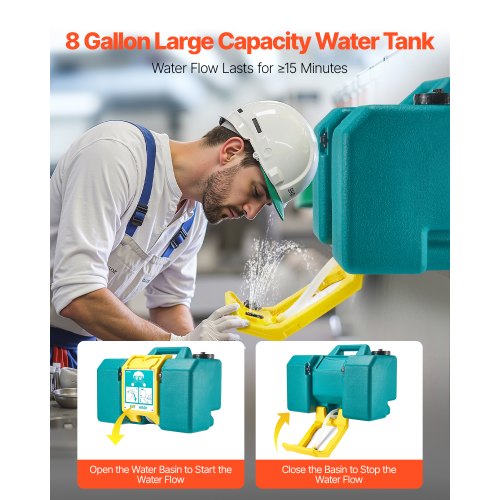
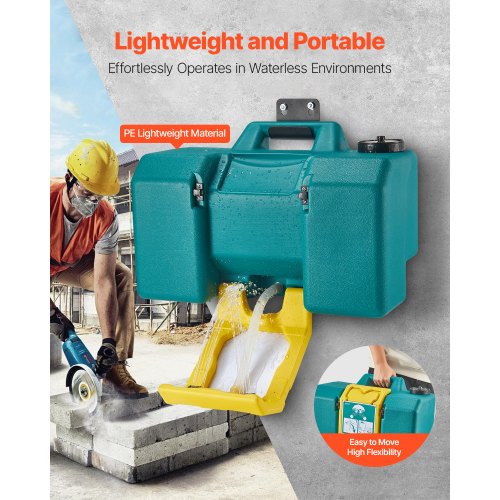
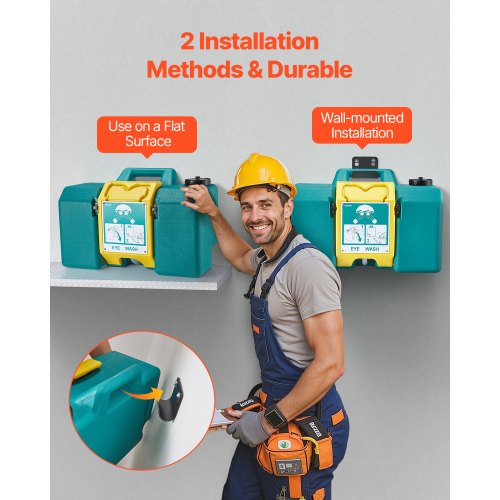
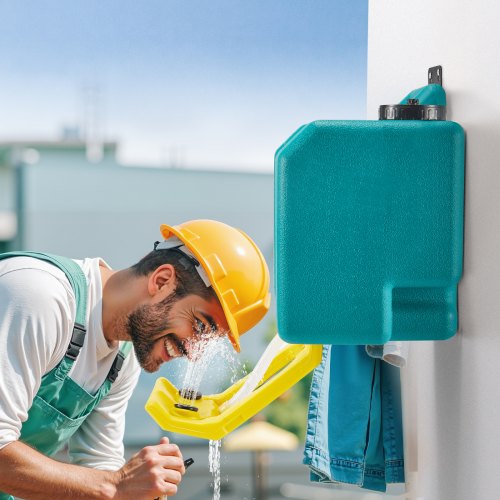
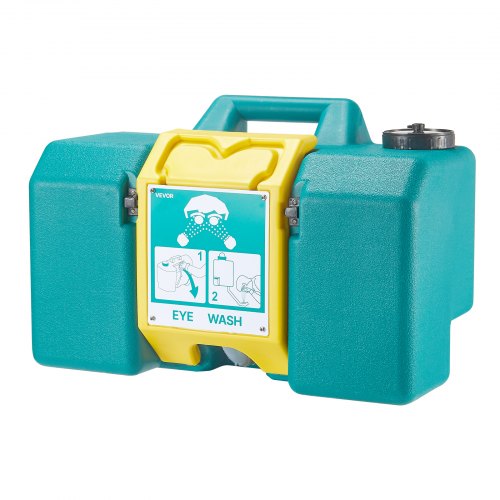
Eyewash stations and emergency showers serve a very different but equally important purpose. They are immediate-response equipment for chemical exposure incidents, helping prevent lasting injury. Timing is crucial when rinsing chemicals, as delays can significantly worsen outcomes for both eye and skin contact. This type of safety equipment is generally required in any work environment where chemicals are used, whether industrial, agricultural, or laboratory, as the idea is to have immediate access in case of emergency, not equipment stored somewhere inconvenient, usually quite a distance from the hazard itself.
Material and Features: What to Check Before Buying Safety Equipment
Material quality, specific features, and the right protection category are what make safety equipment work when it counts.
Material Ratings and Compliance Standards
Each safety item has its own material and performance ratings, and it’s more important to match those to your work environment than to pick the cheapest gear. For example, head protection is rated for various levels of impact and electrical hazard exposure, so a hard hat suitable for general construction may not suit electrical work. Similarly, disposable protective clothing is produced from a range of material compositions, some of which are liquid resistant and some of which are rated for particulate or chemical protection, so it is essential to match the material to the actual hazard type, not preference.
Compliance standards exist for a reason, and safety equipment that meets recognized certification requirements gives workers and employers confidence that the gear will perform as expected in an actual incident. VEVOR designs safety equipment with these standards in mind for each category; however, buyers should always check the specific rating against their industry’s requirements, as compliance needs vary between construction, industrial, laboratory, and general commercial settings.
Sanitation Accessories and Safety Accessories for Complete Coverage
Sanitation accessories round out a complete safety program, especially pertinent in food service, medical, and industrial applications where hygiene affects both worker safety and regulatory compliance. These accessories include hand sanitizing stations, glove dispensers, and other equipment that help maintain a workspace's basic hygiene standards during a shift and work with primary PPE to minimize contamination. This category is easy to overlook, but it often plays a real role in preventing illness and contamination-related incidents on a job site.
More generally, safety accessories are the smaller items that work with the primary safety equipment but are not the main safety equipment themselves – replacements, storage, and add-ons that extend the use of harnesses, hard hats, and other core equipment. Having these accessories on hand, alongside primary safety equipment, means a single worn strap or missing part won’t take an entire piece of gear out of service. For crews running safety programs at scale, having replacement accessories on hand helps maintain compliance instead of creating gaps as individual components fail.
Why Choose VEVOR Safety Equipment?
VEVOR safety equipment includes head and hearing protection, fall protection systems, and emergency response equipment. It covers every area of the body and work environment without the inflated pricing that other suppliers charge for true PPE compliance. Accessories and replacement parts are also stocked separately, so a single worn part doesn't take an entire system out of service. Every purchase is backed by reliable after-sales service. Stop purchasing safety gear from multiple vendors. Shop VEVOR’s selection of safety products today and implement a complete, compliant program for your team.
FAQs
What safety equipment is needed for work at height?
A properly rated harness, lifeline, and anchor point as part of a complete fall protection system. Regulations differ based on height and industry, so check them.
How often should the disposable protective clothing be changed?
Disposable protective clothing is for single use. Change it after every use, or immediately if torn, contaminated, or compromised on the job, even if not visibly worn.
Are eyewash stations and emergency showers both required?
It depends on the hazard. Where chemicals can affect both eyes and skin, both facilities are usually required and should be within immediate reach of the area of exposure risk.
What is the difference between safety vests and general body protection?
Safety vests are primarily for visibility in vehicle traffic. General body protection covers hazards such as impact, abrasion, chemical splash, or thermal hazards.
What hearing protection rating do I need and how do I know?
It depends on the decibel exposure at your worksite. The noisier the environment, the higher the required noise reduction rating. Match the equipment specs to your actual exposure levels.