Track Saws & Guide Rail









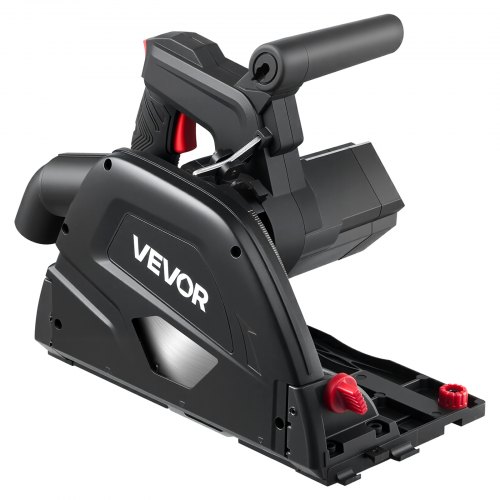


Results for Track Saws & Guide Rail
VEVOR track saws are made to make clean, precise, and repeatable cuts in plywood sheets, hardwood panels, laminates, and other special materials. These tools are ideal for professional carpenters, cabinetmakers, and DIYers who want very precise results. They have plunge-cut capability, stable guide rails, and adjustable depth settings. VEVOR offers systems that keep the track firmly engaged and reduce tear-out, whether you want circular track saws for controlled ripping or cordless track saws for active work.
VEVOR Track Saws & Guide Rails for Smooth, Accurate, and Efficient Cutting
Are you working on cabinetry, furniture, flooring, or sheet goods that demand accuracy on every pass? With smooth-gliding rails and strong motors, VEVOR track saws make rip cuts, bevel cuts, and plunge cuts cleaner and more precise. These track saws are a viable alternative to table saw setups because they have features that reduce splintering and ensure the saw travels straight. VEVOR tools give you the cutting consistency you need for serious woodworking projects, whether you're breaking down full-size panels, trimming doors, or making precise angle cuts.
Blade Size & Cutting Capacity in Track Saws
To choose the best cutting system, you need to understand how blade diameter, plunge depth, bevel capability, and cut quality interact when cutting different materials. Today's track saws are built to make cuts as accurate and repeatable as those made by a table saw. Users get results that cut down on sanding, avoid chip-out, and maintain dimensional accuracy by choosing tools made for depth, smooth travel along the rail, and clean engagement with the wood fibers.
Blade Diameter, Tooth Count & Material Compatibility
The blade's diameter affects how deeply it can cut and which materials it can handle. Most track saws use blades that are between 5 and 6 inches wide. This range strikes a good balance between motor efficiency and clean cutting through sheet goods and solid wood. Larger blades usually cut deeper but may need more power. Smaller blades are better for fine work. The number of teeth on a blade also affects how well it cuts. For example, high-tooth carbide blades make smooth, splinter-free cuts on veneered plywood or melamine, while lower-tooth blades are better at ripping through framing lumber.
When cutting dense hardwoods, flooring products, or engineered composites, making sure the materials are compatible is even more important. When the blade geometry is right for the job, track saws maintain a steady speed, consistent feed pressure, and sharp edges that require minimal post-processing. Cabinetmakers, trim carpenters, and DIYers who work with many different materials need to find this balance.
Plunge Depth, Bevel Range & Cut Precision
Plunge mechanisms enable track saws to cut more than just straight lines. You can cut holes for sinks, vents, fixtures, and cabinets without using more than one tool because you can drop the blade right into a panel. With a deeper plunge capacity, users can work through thick butcher-block countertops, stair material, laminated beams, or stacked surfaces where precise entry and exit points are important. The ability to bevel is also crucial.
When track saws can tilt reliably from 0° to 45°, they can make angled cuts for trim, edge joining, and building furniture. A stable bevel interface ensures accurate cuts even when made over long distances. These changes, along with the guide rail's stabilization, give track saws the same level of accuracy as a stationary saw while still being portable. Instead of relying on freehand technique, precision becomes predictable. It improves both safety and craftsmanship.
Cutting Performance Across Sheet Goods, Hardwood & Composite Panels
When cutting full sheets of wood, track saws are often the best choice. It's challenging to work with big plywood and MDF panels on table saws, especially in small shops or when installing them on-site. With a stable rail, track saws move smoothly across the surface, so there is no chance of binding or moving material. High-tooth blades keep the sharp edges of cabinets and built-ins, and splinter guards on the rail prevent tear-out on veneered surfaces.
When working with hardwoods, keeping the motor and pressure speeds steady helps minimize burns and blade deflection. The saw's controlled motion is also beneficial for composite materials like melamine, laminate flooring, and multi-ply products. Long rip cuts stay straight with track saws because they lock into the guide path, even when the grain changes and makes the resistance uneven. This reliability reduces waste, maintains tight tolerances, and delivers consistent, professional results across a wide range of materials.
Choosing Cutting Capacity Based on Project Scale & Work Environment
Choosing the right tool means ensuring the cutting capacity fits the user's environment. Track saws give you the same level of precision as a panel saw without needing big, stationary tools. They are ideal for small workshops or garages. Portable systems reduce setup time and improve accuracy when working on floors, doors, shelving, or built-ins, making them ideal for contractors who often move from one job site to another. People who change countertops, work with thick hardwood slabs, or laminated structural panels need tools that can cut deeper.
Designers and finish carpenters often put smoother finish cuts first, so choosing the right blade and making sure the rails are of excellent quality are very important. Track saws are also great for people who need consistent accuracy but don't have much space on their workbench, as they are portable and versatile. Users can choose track saws that meet their cutting needs and work well in both professional and hobbyist settings by considering the material thickness, cut length, expected workflow, and job site conditions.
Features & Rail System in Track Saws
Features and rail systems have a big effect on accuracy, safety, and overall performance. The Good track saw kit includes the saw, rail, connectors, and splinter guards, all of which work together to make a complete cutting system. A reliable rail system makes things much more efficient and reduces setup time for people who often break down plywood or trim panels on the job site.
Motor Power, Electronics & User Focused Controls
The motor in a track saw determines how easily it can cut through wood, melamine, plastics, and other building materials. Soft start electronics help the blade engage more smoothly, reducing kickback and making delicate plunge cuts easier to control. Variable-speed control adjusts the blade's speed for different materials. Slower speeds stop burning on hardwoods, while faster speeds work well on softwoods and sheet goods.
Handles that are easy to hold and balanced layouts make it safer to use. Depth adjustment gauges make plunge settings fast and accurate, and clear bevel scales ensure consistent angled cuts. A dust port that works with shop vacuums keeps cut lines clear and makes cleanup easier by collecting debris at the source. Whether you have a corded or a modern cordless track saw, the motor must always work well to maintain cut quality.
Rail Construction, Stability & Long Cut Accuracy
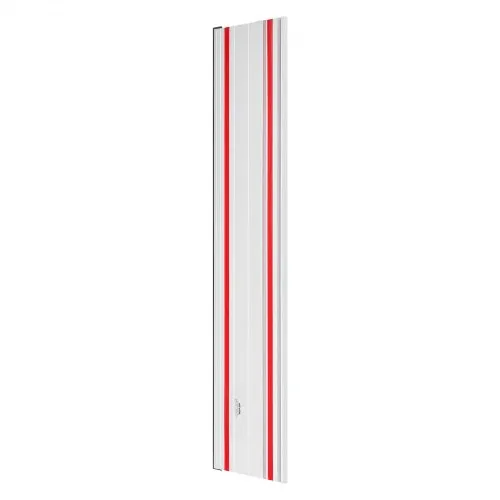
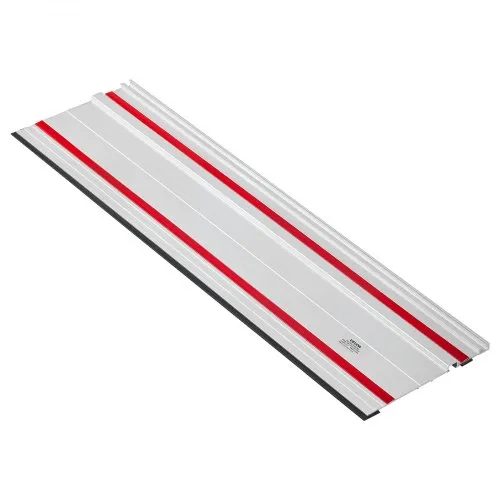
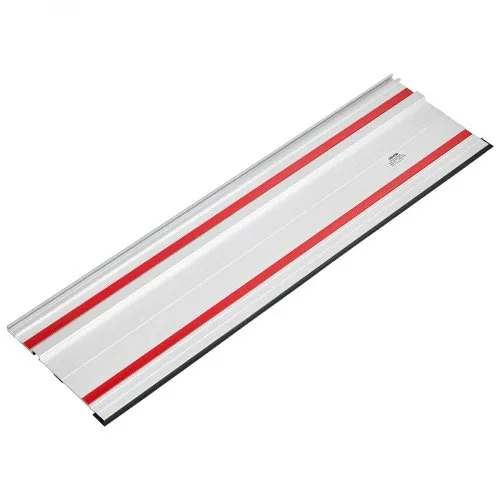
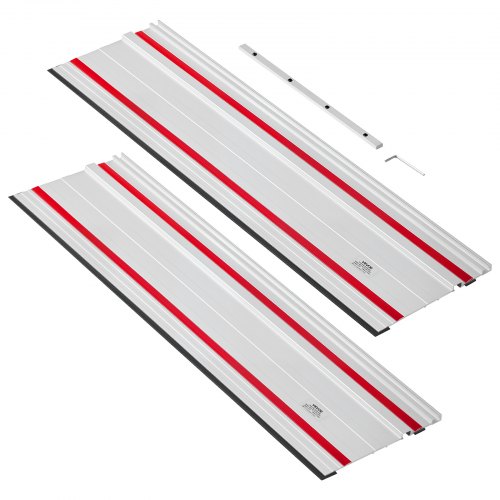
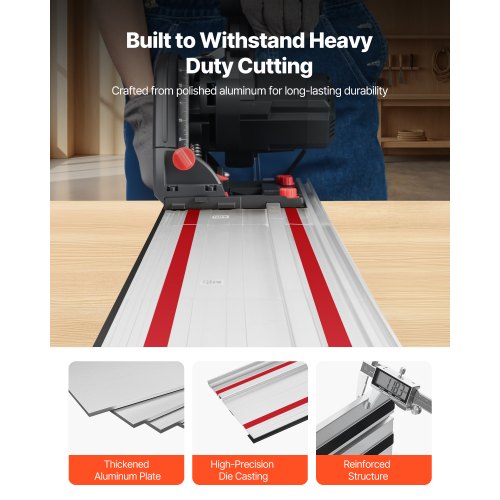
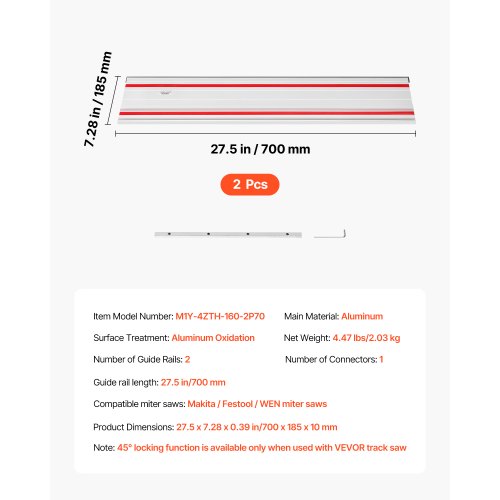
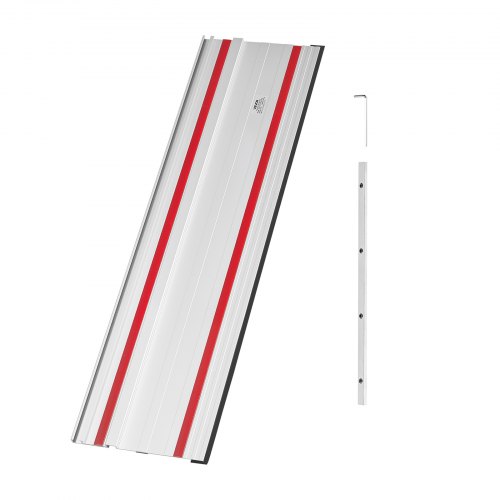
A reliable rail is the most important part of a precision cutting system. Most rails, like the ones that come with a track saw kit, are made of extruded aluminum, which makes them strong without adding extra weight. The anti slip strips on the bottom help the rail grip surfaces, so you can cut many materials without using clamps. Connector bars let you cut longer pieces by joining multiple rails. They let you rip full-size sheets or make very straight, long cuts.
The track saw's guide also has splinter guards that press against the cut line to keep fibers from tearing out. These guards not only make the cuts better, but they also let users line up the rail exactly where the blade will cut. With a stable rail system, users can achieve table saw like results without setting up a workshop that stays in one place. The rail controls the saw's movement, so long rip cuts, crosscuts, and bevels are always right.
Why Choose VEVOR Track Saws?
VEVOR track saws feature powerful motors, clean cutting performance, and precise plunge cutting. They also have reliable aluminum rails and are priced competitively. They are ideal for both small workshops and mobile job sites because they give you panel-saw accuracy without the need for big tools. VEVOR makes professional-level cutting accessible to everyone, regardless of skill level, due to its sturdy construction, smooth rail movement, and reasonable prices.
FAQs
Are track saws better than circular saws for straight cuts?
Yes. A track saw travels along a guide rail, producing straighter, cleaner cuts than a freehand circular saw. The rail holds the saw on a precise path, making it much easier to duplicate consistent results on long panels or sheet goods.
Can cordless track saws cut hardwood?
Modern brushless motors provide enough torque to cut hardwood, MDF, composites, and sheet materials efficiently. With the right blade, a cordless track saw can perform comparably to many corded versions while offering greater mobility on the jobsite.
Do I need clamps to secure the guide rail?
Most rails include anti-slip strips, which allow users to cut without clamps on smooth or moderately textured surfaces. However, clamps are recommended for long or bevel cuts, or for polished materials, where extra stability helps maintain accurate alignment.
Can I use the track saw's guide with other brands?
Yes. Many VEVOR track saw guide rails are compatible with Makita, Festool, and WEN systems, allowing users to expand or replace components across brands. This cross-compatibility makes it easier to upgrade your cutting setup without having to start over.
What blade should I use for finish work?
A high-tooth carbide blade, typically 40 to 48 teeth, produces the cleanest edges on cabinets, doors, or furniture pieces. Choosing a blade designed for fine cuts reduces tear-out and minimizes sanding or edge trimming afterward.