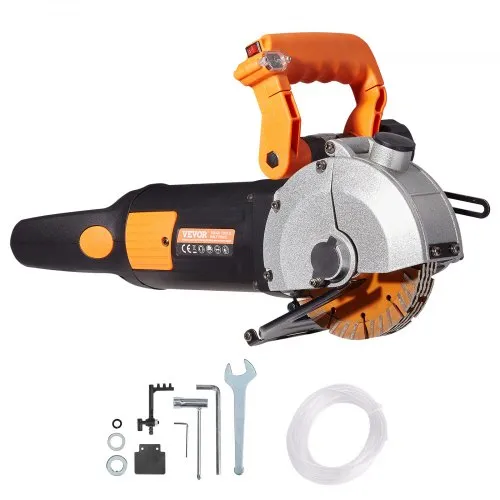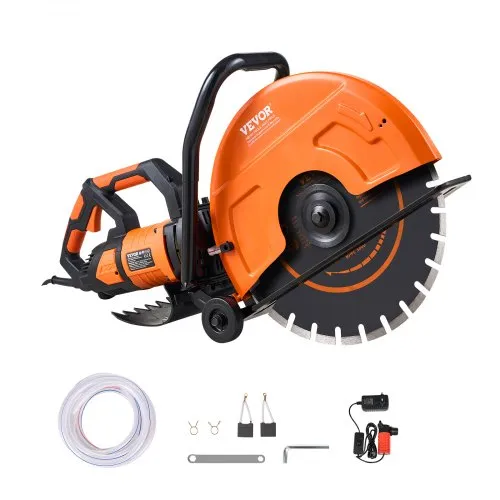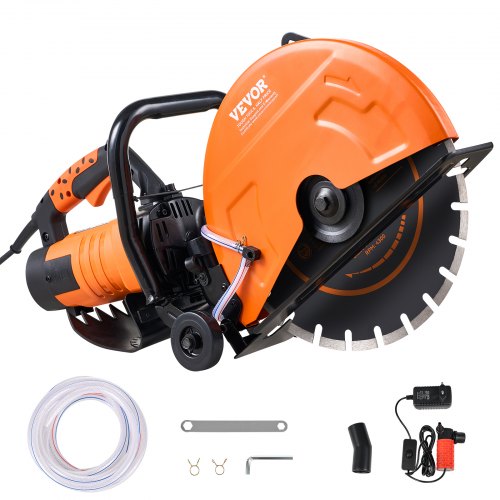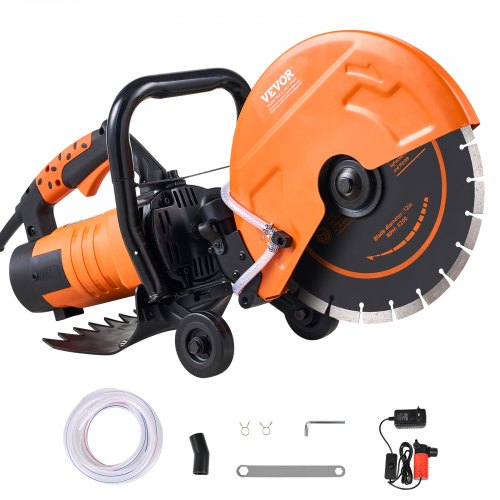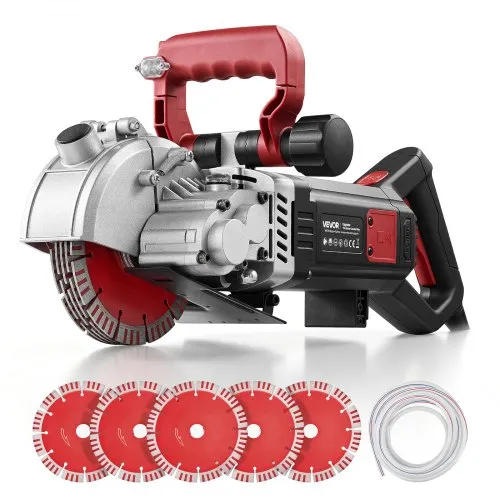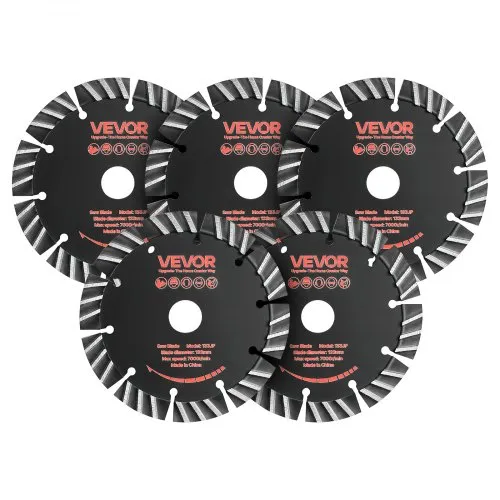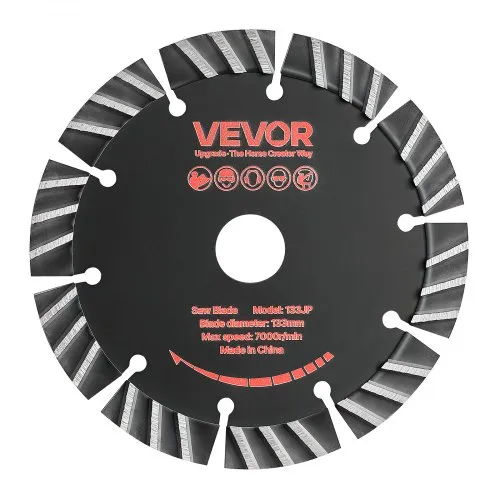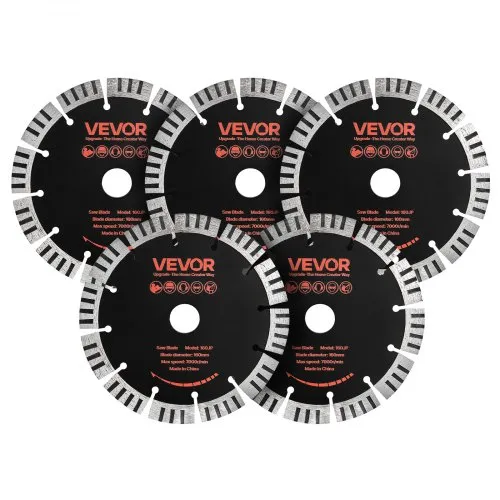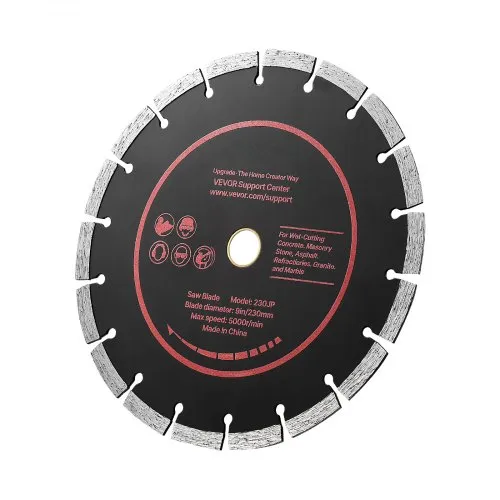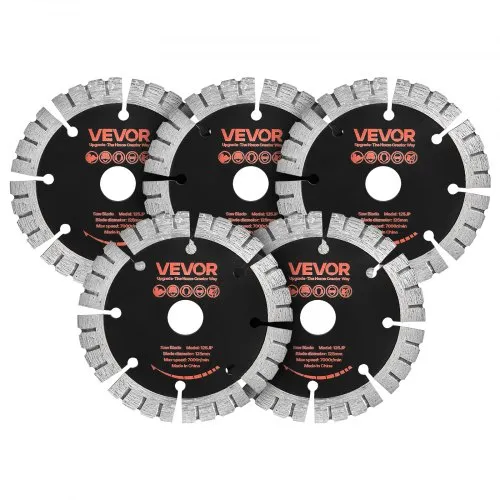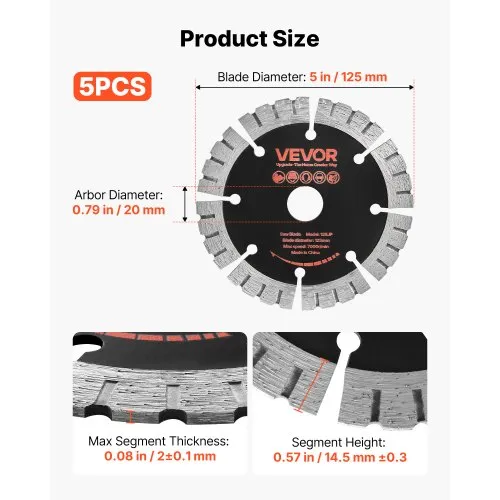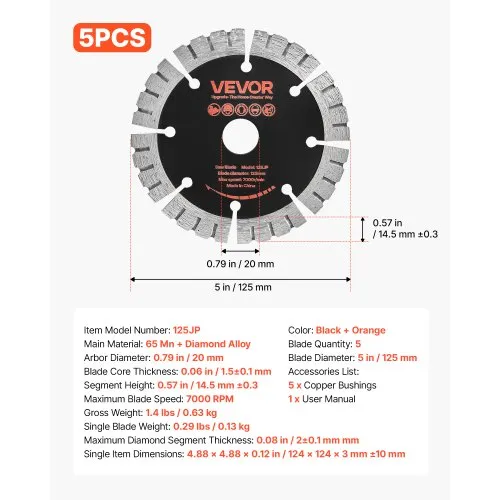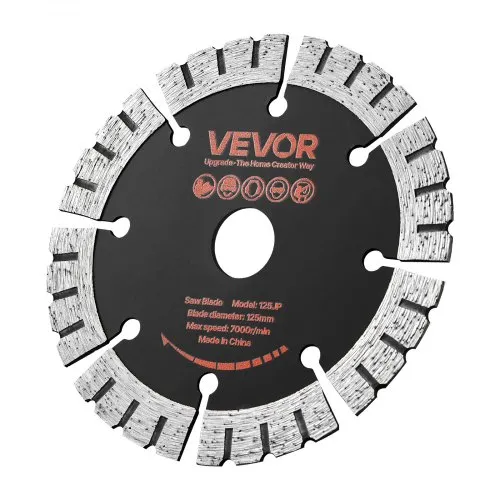


VEVOR Concrete Saws are cutting tools made for professionals that are precise, long-lasting, and quick. We have electric concrete cutting saws, wet stone cutter saws, circular saw cutters, and concrete cutter saws in our collection so that you can use them for a range of building, masonry, and do-it-yourself tasks. You can be sure that every VEVOR Concrete Saw will make clean, accurate cuts, be safe to use, and last a long time. No matter if you are remodeling your home, working on a building site, or doing masonry work, VEVOR Concrete Saws will get the job done right every time.
Are you having trouble cutting concrete slabs, bricks, or stone surfaces quickly and accurately? VEVOR Concrete Saws are designed to solve these problems by providing strong, flexible tools for both professionals and DIY enthusiasts. Our wet stone cutter saws reduce dust and extend blade life. Our circle saw cutters and concrete cutter saws are ideal for precise cutting. You can work safely and make clean cuts with VEVOR Concrete Saws. This makes your construction and masonry jobs go faster, easier, and better.
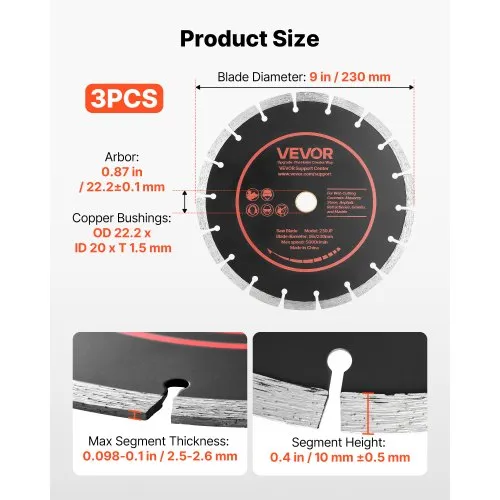
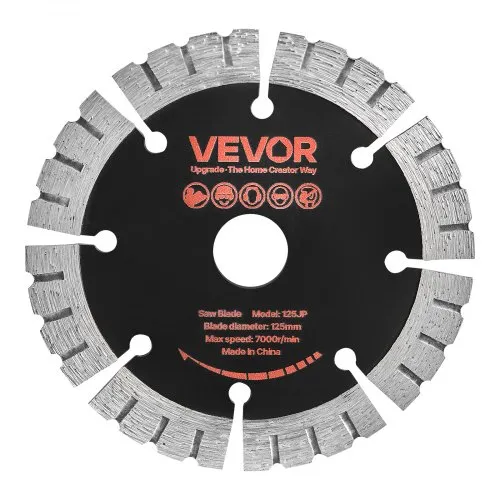
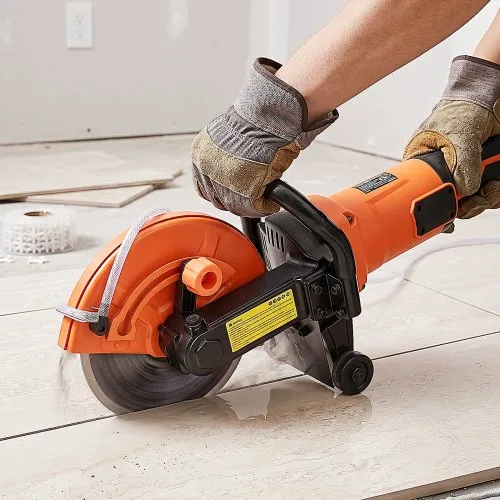
Blade diameter is one of the most important specifications for concrete saws because it determines the maximum cutting depth the tool can reach. Cutting depth determines whether the saw can make a full-thickness cut in one pass or requires multiple passes, which wastes time and wears out the blade faster. Angle grinder-style concrete cutter saws with 4–5-inch blades work well for scoring, joint cutting, and light brick work where a cut depth of 1–1.5 inches is enough. These small shapes are perfect for cutting thin concrete pieces for tile work, patio installation, and repair.
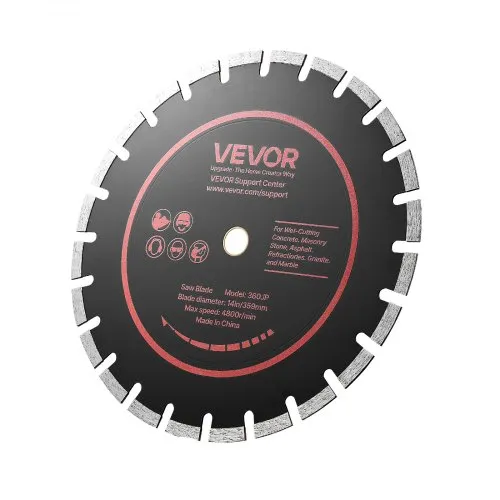
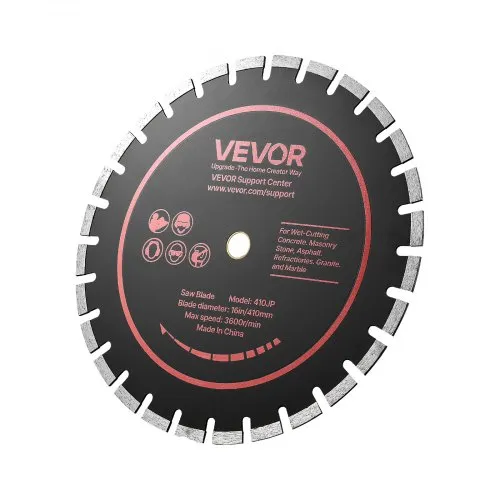
Most professional concrete saws used in general building and remodeling have blades with a diameter of 7 to 9 inches. A 7-inch blade cuts about 2.5 inches deep, so it can cut through standard concrete slabs, cinder blocks, and bricks in one pass without the user having to flip the material or make overlapping cuts. For full working days of different masonry tasks, this size range strikes a good mix between cutting power and tool weight.
The cutting speed and surface finish are both affected by the shape of the blade segments. When dry cutting, segmented blades with open gullets cool down quickly. When used in wet stone cutter saw configurations, continuous rim blades produce smoother edges, which is good for visible masonry and precision tile work where speed and edge quality are important.
The maximum cutting depth of a concrete saw decides whether it can finish the job at hand or requires compromises, such as incomplete cuts that need to be chiseled, multiple passes that put stress on the blade, or repositioning that causes alignment errors in precise work. Standard 4-inch concrete slabs are the most common type of cutting job in homes. To make a clean cut with enough room for the blade plate to clear the surface, the cutting depth must be at least 4.5 inches. For slab cutting, any saw should have at least 10% more cutting depth than the standard material thickness. This accounts for differences between the subbase and the surface.
Adjustable cutting depth on concrete saws with circular saw cutters lets operators score the material in controlled steps. This greatly lowers blade stress and heat buildup when cutting hard stone or densely reinforced concrete. Instead of trying to make full-depth cuts in a single aggressive pass, set the depth to one-third of the material's total thickness for the first pass, then gradually increase it. This will significantly extend the blade's life. This step-by-step method is especially important for dry-cutting blades, as they can't be cooled with water to control the heat that builds up during deep cutting.
Quality concrete saws have depth-stop mechanisms that lock the cutting depth precisely and maintain it throughout the cut. This stops the gradual change in depth that happens when operators control the cut depth by eye. In joint cutting applications, consistent depth is very important. For example, control joints and expansion joints in concrete flatwork must meet a minimum depth-to-slab-thickness ratio to function properly as crack-control devices. This means that repeatable depth settings are a functional requirement rather than a convenience feature.
When choosing a concrete saw for a job, the decision between wet and dry cutting has a significant impact on blade life, dust control, and cut quality. Wet stone cutter saws have a constant water feed that goes to the blade while it cuts. This cools the stone's surface by several hundred degrees compared to dry cutting. Cooling diamond blades greatly increases their life, usually by 3 to 5 times compared to dry cutting. This lowers the cost of replacing blades on large-scale cutting jobs.
Wet cutting also reduces the fine silica dust produced by dry-cutting concrete saws, which is a lung hazard that requires respirators and dust suppression controls on job sites that must follow health and safety rules. Wet cutting is always the best option for professionals using a concrete cutting saw on long-term projects where water is readily available and the work environment allows it. It makes the cut edges cleaner and lowers running costs by extending the blade's lifespan.
Dry-cutting circle saw cutter configurations are useful in situations where water is not an option, such as renovating an interior over finished flooring, making rough-in cuts in plumbing and electrical work, or in areas where water and slurry drainage make cleanup more difficult. New dry-cutting diamond blades with large cooling holes and special segment geometry work better than older models. This means that dry cutting can be used for medium-volume jobs when paired with a vacuum dust extraction system that removes dust from the air at its source.
Electric concrete saws with 1,800W to 3,200W of power are good for most professional building and renovation cutting needs. They provide steady power without the noise, exhaust, and fuel management problems that come with gasoline saws. When used for long periods, corded concrete cutter saws maintain their full rated power. This is in contrast to gasoline engines, which lose performance as they heat up. Soft-start motor safety lowers the shock to the blade when the motor is turned on. This makes the blade and motor last longer in tools that are used for multiple cutting sessions every day.
VEVOR Concrete Saws has a massive selection of high-quality tools made to be precise, long-lasting, and flexible. VEVOR offers tools for both home users and building professionals, including electric concrete cutter saws, wet stone cutter saws, circular saw cutters, and heavy-duty concrete cutter saws. There is good after-sales support for all products, and they all work well, and the prices are fair. Find the right VEVOR Concrete Saw for your cutting needs today and enjoy cutting concrete cleanly, quickly, and safely on every job.