Weed Barrier Fabric

























Results for Weed Barrier Fabric
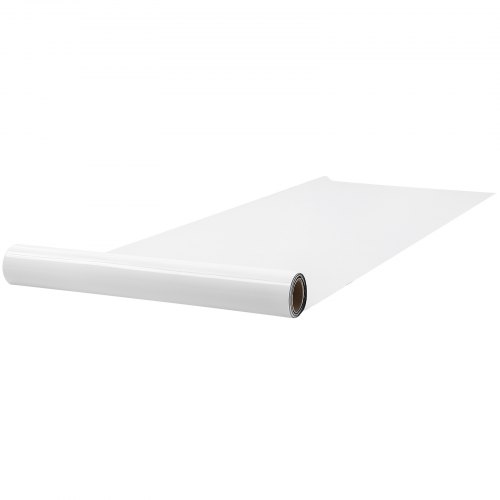
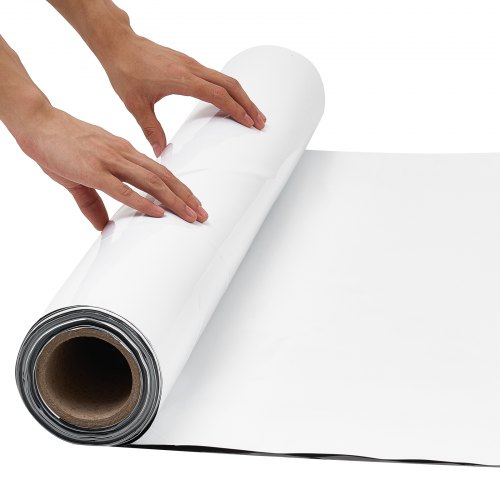
VEVOR's weed barrier fabric comes in a variety of materials, weights, and sizes to meet the needs of flower beds and various installation projects. The VEVOR line includes heavy duty PP weed barrier fabric and PE weed barrier sheeting, as well as geotextile fabric, weed control fabric, and weed barrier landscape fabric in a variety of roll widths and lengths. Each product is designed to stop weed growth, keep soil moisture in check, and withstand the outdoor conditions.
VEVOR Weed Barrier Fabric – PP, PE, Geotextile & Landscape Fabric for Every Garden and Project
Are you having trouble with weeds that won't go away because your landscaping fabric isn't strong enough? If you choose the right weed barrier fabric for the material type, weight, and installation setting, it will keep weeds from growing for seasons. The weed barrier cloth line from VEVOR offers the right coverage, weight, and UV resistance for all types of weed control jobs.
Choosing Weed Barrier Fabric by Material Type and Fabric Weight
Material type and fabric weight are the two things that directly affect how well a weed barrier fabric stops weeds from growing. The two features also affect how long it can withstand UV and moisture exposure outside and how well it balances weed control performance.
Heavy Duty PP Weed Barrier Fabric for Polypropylene Construction, Weave Density, and Permeability
Heavy duty PP weed barrier fabric, made from woven polypropylene filaments, is the most common type of material. It effectively stops weeds from growing but lets water and air pass through so that plants can get the water and nutrients they need. At the same time, it blocks the light that weed seeds need to germinate and grow below the fabric's surface.
Weave density, measured in grams per square meter (GSM). There are different grades of PE weed barrier fabric, ranging from 50GSM to 100GSM and higher. Lower GSM fabrics are better for annual garden beds and short-term installations because they suppress weeds more lightly. Higher GSM fabrics are better for permanent landscape installations, commercial projects, and high-weed-pressure areas where strong perennial weeds like bindweed are prevalent.
The chemical treatment called UV stabilization determines how long the PE weed barrier fabric maintains its shape and weed-killing ability after sun exposure. After a certain amount of time, the polypropylene polymer starts to break down, become brittle, and lose its tensile strength. When heavy duty PP weed barrier fabric is made, UV stabilizer additives are mixed into the polypropylene filaments. It gives the fabric UV resistance, extending its useful life to 5 to 10 years when covered with mulch. Give it 3 to 5 years when installed in an exposed location where direct UV light hits the fabric's surface throughout the growing season.
PE Weed Barrier and Thick Plastic Sheeting Roll for Impermeable Ground Cover Applications
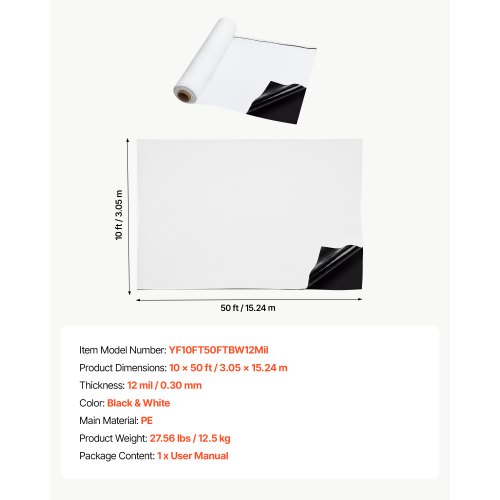
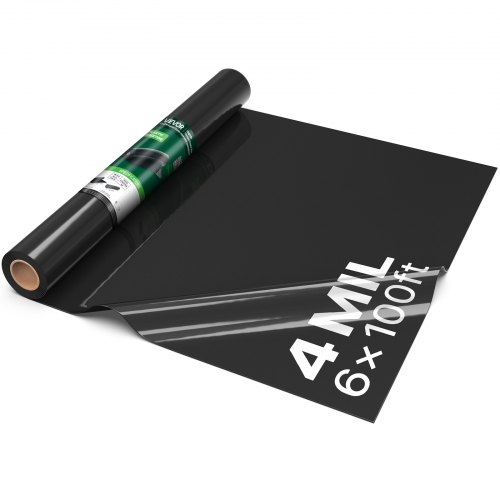
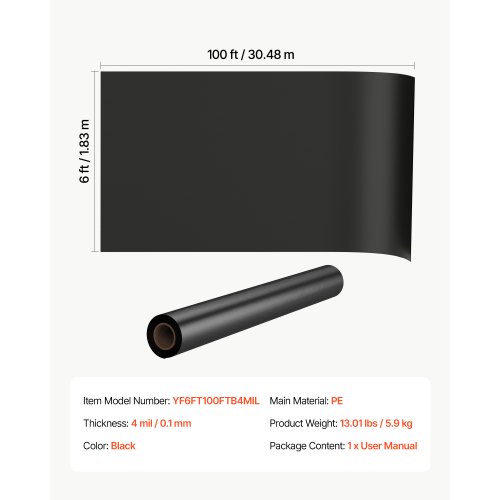
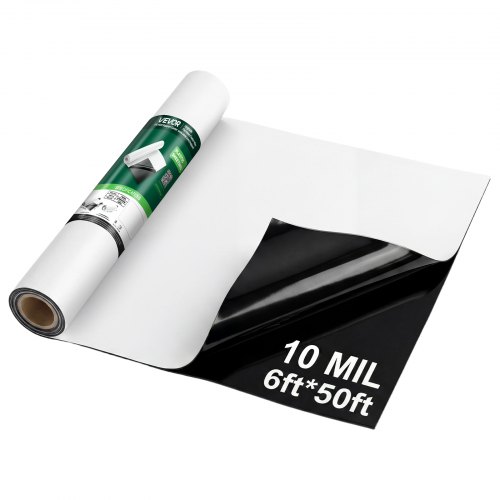
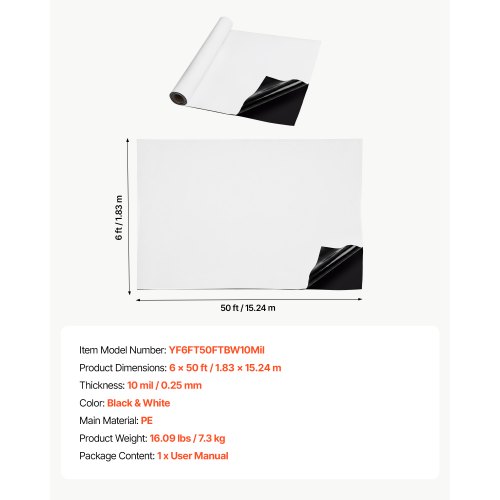
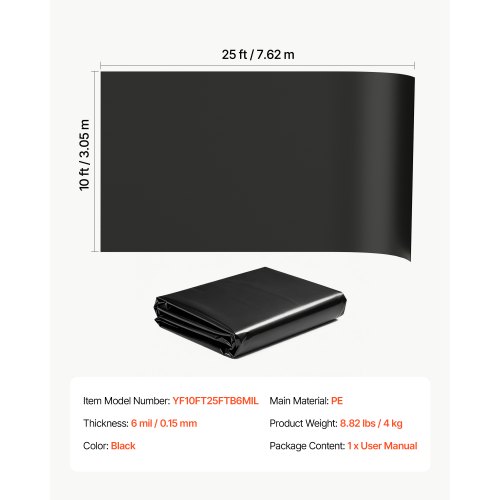
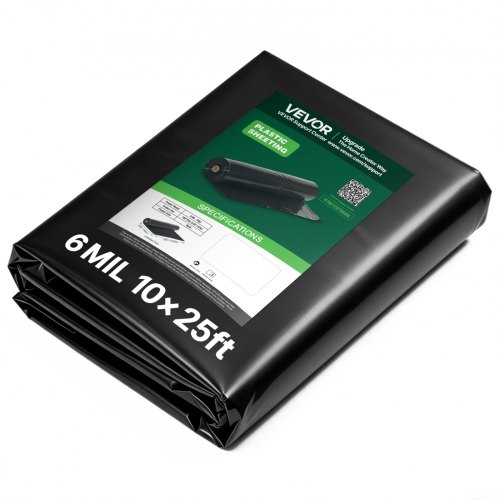
PE weed barrier fabric and thick plastic sheeting rolls are used for specific impermeable ground cover applications. Woven PP fabric, on the other hand, allows water and air to pass through for planted garden bed applications. PE barrier and thick plastic sheeting rolls are made from polyethylene film in gauges ranging from 1 mil to 6 mil. Heavier gauges offer better resistance to punctures, longer service life, and improved moisture barrier performance for tough ground-cover applications.
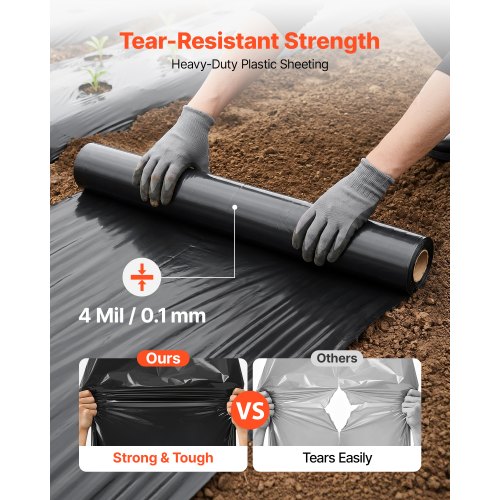
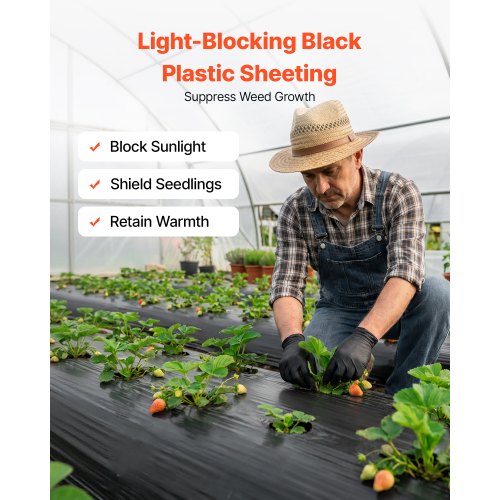
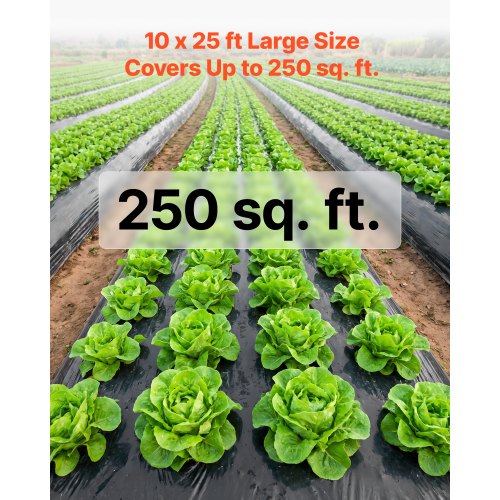
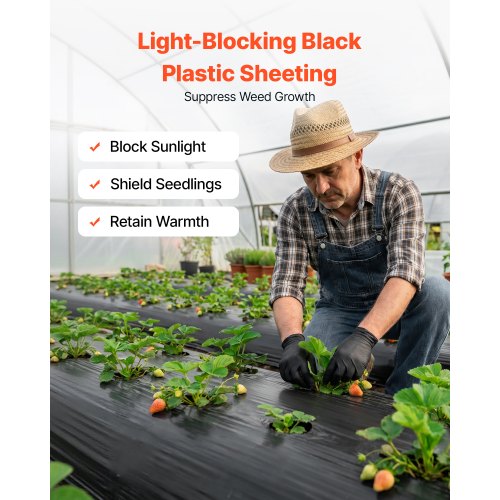
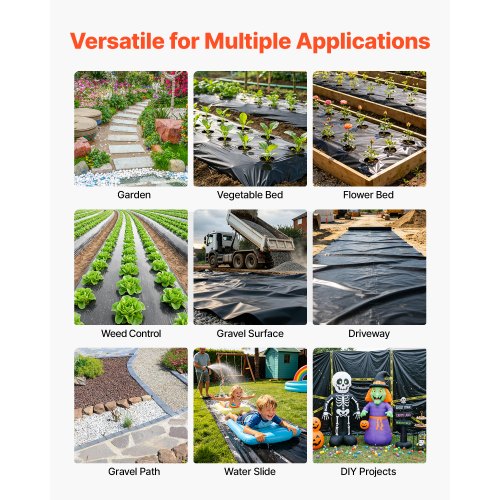
Black polyethylene sheeting, the most common type of PE weed barrier, prevents weed growth by blocking all light. At the same time, it absorbs solar radiation, warming the soil beneath the sheeting. It is useful for vegetable farming and strawberry growing, where warmer soil speeds up the start of early-season crops. Clear polyethylene sheeting is used for soil solarization, which aims to raise the soil's temperature as much as possible to kill weed seeds. The method doesn't use chemicals and requires clear film rather than opaque film to let as much solar radiation as possible reach the soil surface.
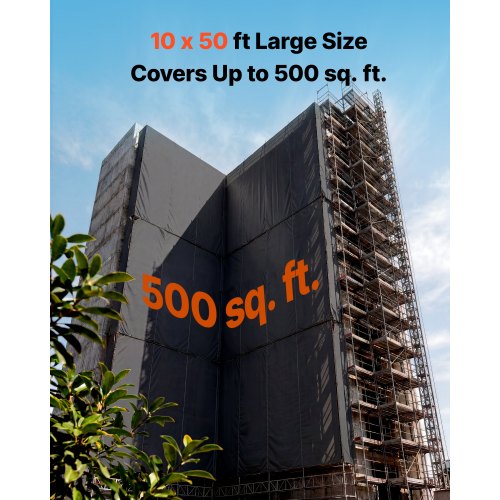
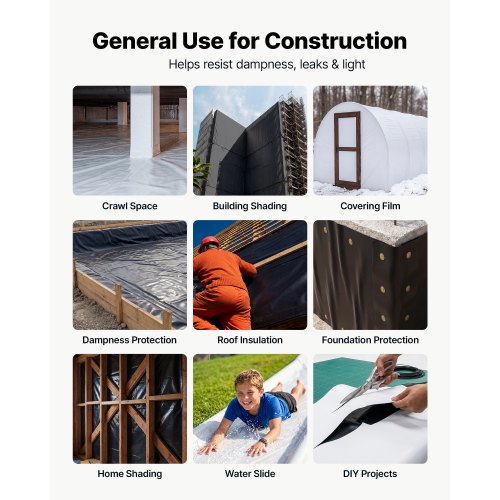
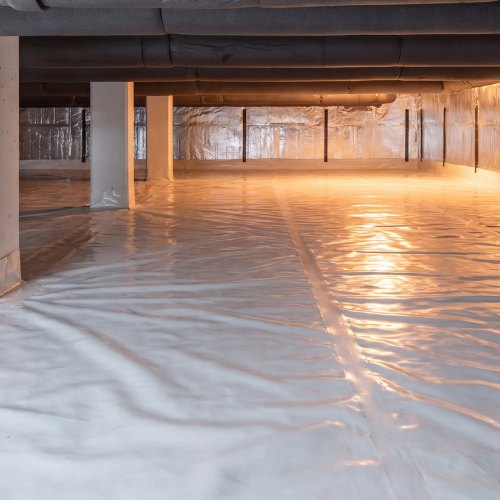
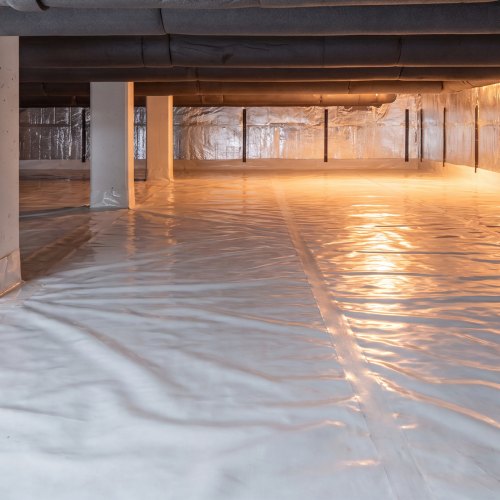
Thick plastic sheeting rolls are also suitable for ground cover on construction sites, as vapor barriers under slabs, or as pond liners. Heavy-gauge PE sheeting is available in thicknesses from 4 mil to 6 mil. It provides the puncture resistance and moisture barrier integrity needed for non-landscaping ground cover applications. A seam overlap of 6 to 12 inches between sheets of plastic is held in place with landscape staples or dirt covering. It prevents weed seeds from entering gaps and maintains the continuous moisture barrier needed for waterproofing and vapor barrier applications.
Geotextile Fabric and Weed Barrier Landscape Fabric for Engineering Performance for Hardscape and Drainage
Weed barrier geotextile fabric and weed barrier landscape fabric are used for engineering-grade ground cover applications. They are used to keep weeds out of areas such as gravel pathways, driveway sub-bases, and retaining wall drainage layers. The fabric has to keep weeds out, let water drain, and withstand the weight and wear of the stones placed directly on top of it. Geotextile fabric is made from a needle-punched polypropylene nonwoven construction. Needle-punched nonwoven geotextile has omnidirectional tensile strength, meaning it resists tearing regardless of the direction of stress.
Weed barrier landscape fabric is a medium-weight material that falls between lightweight garden fabric and heavy geotextile. It is usually 70-90 GSM woven PP with UV stabilization, and it works well at keeping weeds out. The weed barrier landscape fabric comes in standard roll widths of 3 feet, 4 feet, and 6 feet, covering the widest garden beds with the least cutting waste.
Selecting Weed Barrier Fabric by Coverage Area and Long-Term Durability
Coverage area and long-term durability are the two most important factors in choosing weed barrier fabric. They decide how much the materials will cost and how long the installation will last before it needs to be replaced or reinstalled.
Roll Dimensions, Coverage Calculations, and Project Sizing for Weed Barrier Fabric
There are 3-, 4-, and 6-foot-wide weed barrier fabric rolls, so project planners can choose the width that minimizes joints. Fewer joints mean less material overlap and fewer potential entry points for weeds during installation.
Choosing the right roll length affects both how much material is used and how easily it can be placed. The weed barrier fabric comes in rolls that are 50 feet long for small garden bed projects in homes. It is also available in 100-, 200-, and 300-foot lengths for larger landscape installations and commercial projects. For these types of projects, the continuous fabric runs along long garden borders, pathway edges, and field perimeters. Hence, there are no mid-run joints like there are with shorter rolls.
UV Resistance, Tensile Strength, and Service Life Across Installation Environments
The most important factor in a weed barrier fabric's durability is its resistance to UV light. It is especially true when installed in areas that receive direct sunlight, such as pathways, bare orchard floors, and agricultural ground cover. The heavy duty PP weed barrier fabric and geotextile fabric contain UV stabilizer packages mixed into the base polymer. These stabilizers absorb and dissipate UV radiation energy before it can break the polymer chain. It means the fabric will last much longer than unstabilized fabric, which starts to lose tensile strength after just one to two seasons of outdoor installation.
The tensile strength of the weed barrier fabric is measured in pounds per inch width in both the machine direction and the cross-machine direction. It indicates how resistant the fabric is to tearing during installation and in service. The tensile strength of the geotextile fabric ranges from 90 lbs per inch of width to 200 lbs.
Shop VEVOR Weed Barrier Fabric for Every Garden, Landscape, and Ground Cover Project
VEVOR offers a wide range of materials designed to withstand the outdoors and perform well. Our collection includes heavy duty PP weed barrier fabric, PE weed barrier sheeting, geotextile fabric, weed control fabric. These come in a range of coverage sizes and weights to meet all your weed control and ground cover needs. VEVOR has the right material type, coverage area, and UV-resistant construction to keep weeds down year-round. Every purchase comes with competitive pricing and reliable after-sales support. Take a look at our full selection of weed barrier cloth right now to protect your yard.
FAQs
What GSM-weight weed barrier fabric do I need for my garden beds?
50 to 70 GSM PP weed barrier cloth keeps weeds out and lets water through well in regularly mulched annual garden beds. Choose fabric with a 90-100 GSM or higher for more durable, long-term weed control in permanent landscaping projects.
What is the difference between PE weed barrier fabric and PE plastic sheeting?
PE weed barrier cloth is permeable, meaning it lets water and air reach plant roots while blocking light that allows weeds to grow. A plastic covering made of PE doesn't let any water or light through. Use PE fabric under garden beds with plants and PE sheeting to eliminate weeds in unplanted areas, along paths, and for soil solarization.
How much overlap should I allow between adjacent weed barrier fabric runs?
The UV-stabilized PE weed barrier cloth lasts for 5 to 10 years when covered with mulch and 3 to 5 years when left out in the sun. Service life depends on how much UV light hits the cloth and where it is installed. Lifespan also depends on whether it is covered with mulch or aggregate that helps shield it from UV light during the growing season.