Ash Vacuum
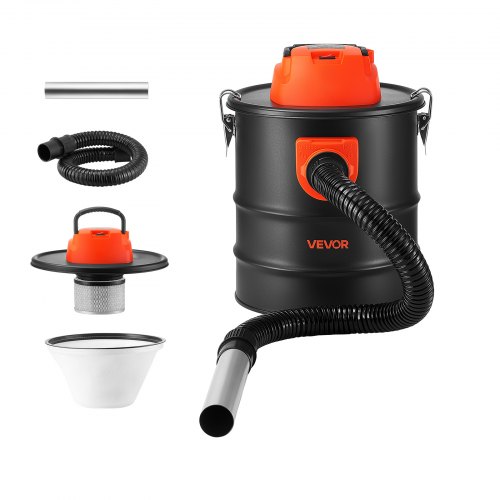


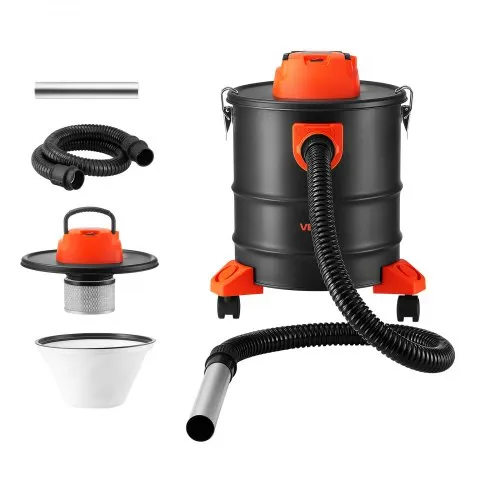


Results for Ash Vacuum
VEVOR ash vacuums clean fireplaces, wood stoves, and pellet stoves effectively and efficiently. Our wide selection includes models that can handle both hot and cold ash safely, with varying capacities and heat resistance. VEVOR delivers solid performance in all situations, from small units for occasional home use to large systems for frequent cleaning. Every vacuum for ash has improved filtration to catch fine ash particles. This protects your home's indoor air quality and makes cleanup after a fire easier.
VEVOR Heat-Resistant Ash Vacuums for Safe Fireplace and Stove Maintenance
Don’t you want an easier way to clean up ash after every use of your fireplace or wood stove? Most standard household or shop vacuums can't handle hot ash safely, which can cause fires and damage to equipment. VEVOR ash vacuums solve this problem with specially heat-resistant materials and filtration systems designed to collect ash. Whether you're taking care of a cozy home fireplace, a wood-burning stove, or a business pellet burner, our range of ash removal products is safe and effective, protecting both your equipment and indoor air quality.
Heat-Resistant Ash Vacuums With the Right Capacity for Every Need
When you clean up after a fire, you shouldn't have to guess if the ash is cool enough for your usual vacuum. With their heat-resistant materials and custom-designed capacities, VEVOR ash vacuums can safely and effectively clean up after a campfire. For faster, safer, and less stressful ash removal, find the right mix of heat protection and tank size.
Getting the Right Heat Source for Your Ash Vacuum
Different heat sources produce different kinds of ash, and choosing a cleaner designed for your setup makes a real difference in how well it performs and how long it lasts. Charcoal and ash from fireplaces tend to come out in big chunks, so the machine needs a bigger intake nozzle and a strong canister that can handle uneven debris. On the other hand, pellet heaters produce very small, dense particles that require stronger multistage filtration to prevent fine dust from recirculating into the room.
For safe, regular cleanups, wood stoves need to fall somewhere in the middle, with a medium capacity and good heat protection. Pizza ovens and blacksmith forges that are outside raise the needs even higher, calling for heavy-duty models with bigger tanks and stronger hose materials. Find out what your main source of heat is and how often you use it before you buy. Don't settle for a vacuum that doesn't meet your cleaning needs; instead, take this easy step to make sure you get the right one.
Understanding Heat-Resistant Technology in Ash Vacuums
The market for hearth ash vacuum cleaners has changed a lot. New heat-resistant materials make it safe to collect ash even when the embers are still warm. Metal collection bins in VEVOR ash vacuums are made of durable steel or aluminum alloys designed to withstand high temperatures without warping or degrading. This heat-resistant construction helps protect the motor housing and filtration components from thermal damage.
The canister design promotes airflow through the collection chamber, helping residual heat dissipate more quickly. Some models even have ventilation slots that help heat escape more quickly. This technology is very important for vacuuming wood stoves because ash can retain significant heat for 24 to 72 hours after a fire is out. Check the manufacturer's recommended cooling time before cleaning, because even high-temperature models have limits. VEVOR designs ensure that safety and usability are both considered, so you can clean quickly without waiting days for everything to cool down.
Capacity Selection for Different Usage Patterns
How often you need to empty your ash vacuum's ash bin during regular maintenance depends on the canister capacity you choose. If you only use your fireplace once in a while, VEVOR's 4-gallon models are perfect. For daily use of your wood stove, the 6-gallon models are strong and durable. Smaller units (3–4 gallons) are better for people who use their fireplaces only once or twice a week, as they hold enough for one cleaning without being too large.
These are good for both home fires and workshop wood stoves because they are portable and easy to store. Customers who burn a lot, run a business, or deal with various heat sources should look for tanks that hold 6 gallons or more. Longer capacity means less frequent emptying, which is good for places like pizza ovens, blacksmith forges, and houses with both fireplaces and wood stoves. When choosing a size, consider how much ash the wood produces. Hardwoods produce less ash than softwoods, and pellet stoves produce fine, dense ash that needs to be thrown away more often. The shape of the canister is also important.
Wide openings make it easier to empty, and clear or partially clear materials let you see how full the canister is. VEVOR models feature ergonomic handles and wheels on larger sizes to make them easy to move, even when full. Find out how much ash you usually produce during a cleaning session, and choose a capacity that will last for two to three sessions before it needs to be thrown away for maximum ease.
Canister Design Features for Safe Ash Handling
Features of the canister's design have a big impact on safety and the user experience while the ash vacuum is running. Premium VEVOR ash vacuums for wood stoves feature a double-wall construction, creating an air gap between the inner collection tanks and the outer housing. This gap speeds up cooling and keeps heat from transferring to the outside surfaces. Designs with flat bottoms and wide bases keep the unit stable during use and help prevent tipping when moving around fireplaces or stove setups.
With built-in ash rakes or agitator tools, you can break up dense ash before cleaning it, making collection more efficient. Placing carrying handles that evenly distribute weight makes full canisters easier to handle; look for rubberized grips that stay comfy after long use. Larger models have bottom wheels or casters that make them easier to move over hearths, tile, and wooden floors without scratching them. When deciding where to store your ash vacuums, consider the space you have available. Stackable models or small footprints can help. VEVOR uses user feedback to design bins that work reliably for years of regular ash cleaning.
Filtration System & Features
Quality ash vacuums differ from basic models because they use advanced filtration technology to protect the motor and improve air quality during cleaning.
HEPA and Multi-Stage Filtration for Fine Particle Containment
The smallest ash particles are only about 2 to 10 microns across, which is finer than what many standard vacuum cleaners can effectively pick up. VEVOR ash vacuums use multi-stage filtering systems. The first filters capture larger debris and charcoal before they reach the next level of filtration. Medium-sized particles are caught by secondary pleated filters. High-Efficiency Particulate Air (HEPA) filters in high-end models remove 99.97% of particles as small as 0.3 microns.
Using this three-tier system keeps fine ash from reentering your home or damaging motor parts. In some ash vacuum configurations, foam pre-filters add another layer of protection by trapping moisture, helping the main filter last longer.
Look for filter condition signs or clear housings to see how much buildup is occurring. With the right filtration system, airborne ash particles are effectively contained, helping reduce lingering odors during and after fireplace use. Positive pressure forces all exhaust air through filters in sealed filtration systems, preventing it from bypassing the filters through gaps or seams. VEVOR ash vacuums strike a balance between effective filtration and airflow. This makes sure that filters catch particles without limiting sucking performance.
Essential Features and Attachments for Versatile Ash Cleaning
Attachments turn basic vacuums for ash units into complete cleaning systems that can handle a wide range of heat sources and waste types. Many VEVOR models come with crevice tools with thin profiles that can get behind fireplace grates, between stove parts, and into small spaces where ash builds up. Wide-mouth nozzles make cleaning up open hearth areas faster by catching more ash with fewer passes. Brush attachments are useful for removing hardened ash from metal surfaces without scratching them. This is especially helpful for fireplace grates, fireboxes, and the inside of cast-iron stoves.
There are Hoover ash fireplace vacuumpackages that come with pellet stove nozzles with smaller holes that work best with fine ash pellets. Storage options are also important. For example, on-board accessory holders keep attachments organized and easy to find, rather than strewn across shelves. Cord length affects how flexible it is to use. Look for power cords that are 15 to 20 feet long so you can reach fireplaces without using extension cords. Premium models feature automatic cord return, making storage easier and preventing the cord from getting tangled. Metal attachments will last longer against heat and rough use than plastic ones, which can break or melt. Some models have 'blow' features that change the airflow direction to clear ash from hard-to-reach places before the hoover picks it up.
Why Choose VEVOR Ash Vacuums for Safe and Efficient Fireplace Maintenance?
With their heat-resistant construction, powerful motors, and improved filtration, VEVOR ash vacuums are affordable enough for most homeowners to handle ash cleanup like a professional. Our wide range of products is perfect for everyone, from those who use their fireplaces occasionally to those who use their wood stoves every day. We also offer reliable customer service and fast shipping. Explore our full collection of ash vacuums today and see how specialized tools can help keep your heating systems safe and running smoothly.
FAQs
Can I vacuum hot ash directly from my fireplace or wood stove?
No, you should always wait at least 12 to 24 hours before cleaning ash. Even though the materials used in VEVOR ash vacuums are heat-resistant, live sparks or very hot ash can still reach high enough temperatures to cause a fire. In an emergency, use metal scoops for the first removal.
How often should I clean or replace the filters in my ash vacuums?
Clean washable filters after every 2-3 uses by tapping out debris and rinsing with water. Replace HEPA filters every 6-12 months, depending on usage frequency. Heavy users should inspect filters monthly and replace them when airflow noticeably decreases or filters show visible damage.
What's the difference between ash vacuums and regular shop vacuums?
Ash vacuums feature heat-resistant metal canisters, specialized filtration for ultra-fine particles, and fire-retardant hoses. Regular shop vacuums use plastic components that melt at high temperatures, lack fine-particle filtration, and pose fire risks when used with ash. Never substitute a standard shop vacuum for ash cleaning.
Can ash vacuums effectively handle pellet stove cleanup?
Yes, ash vacuums excel at pellet stove maintenance. Pellet ash is extremely fine and dense, requiring the specialized HEPA filtration that ash vacuums provide. Use lower power settings to prevent filters from being overwhelmed by the ultra-fine particles pellet stoves produce.
Do I need to empty the canister after every use?
Not all the time. To prevent ash from hardening, empty the box when it's 75% full, or store it for a long time. If ash is left to sit for a while, the residual moisture can cause it to clump, making it harder to remove later. Regular dumping also keeps the suction working at its best.