VEVOR Sewer Camera Pipe Inspection Camera w/ 512hz Sonde 22.9 cm 720p Screen 91.4m


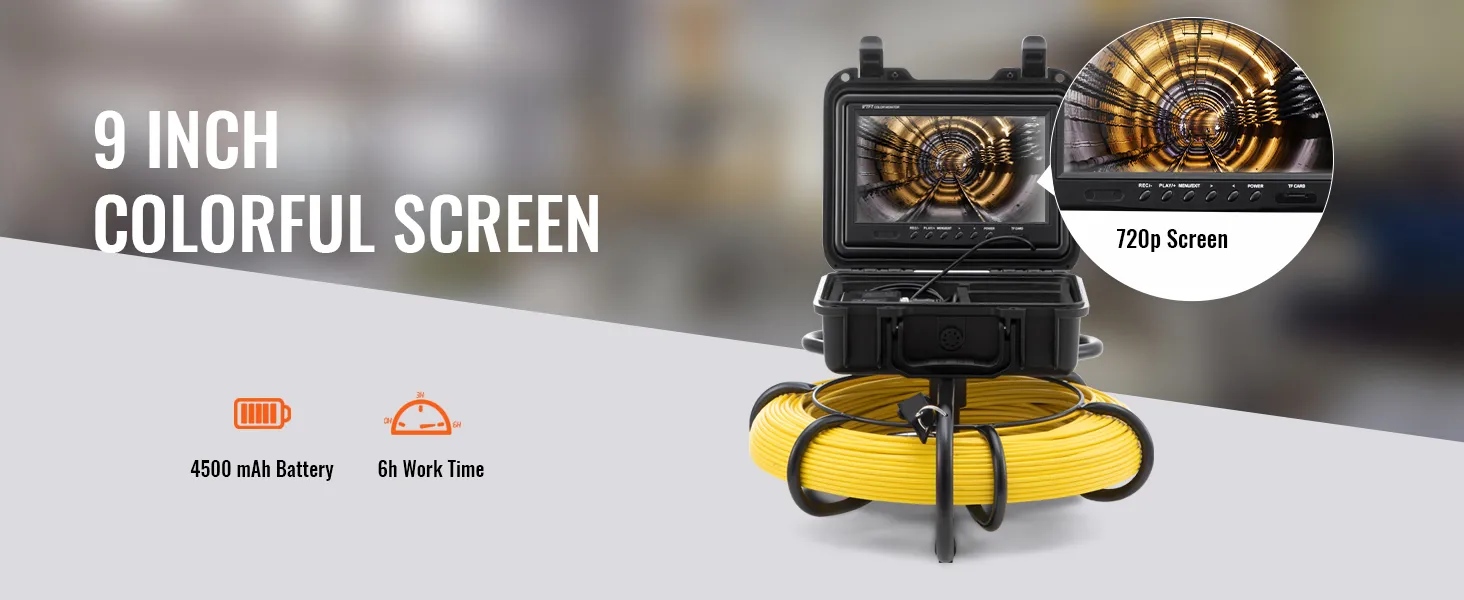
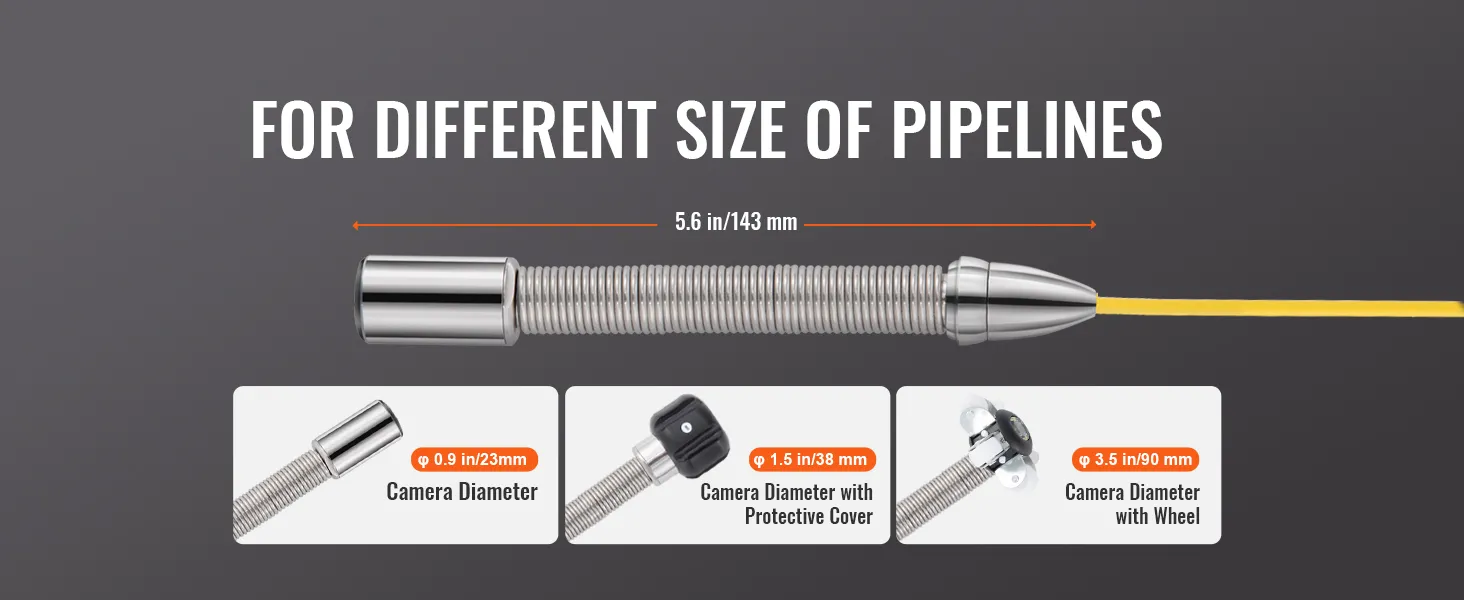
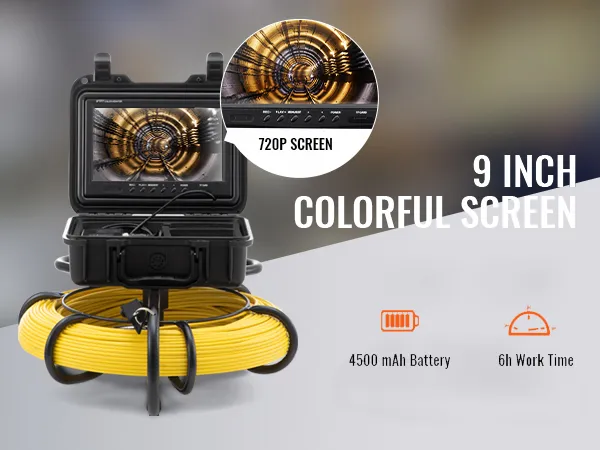
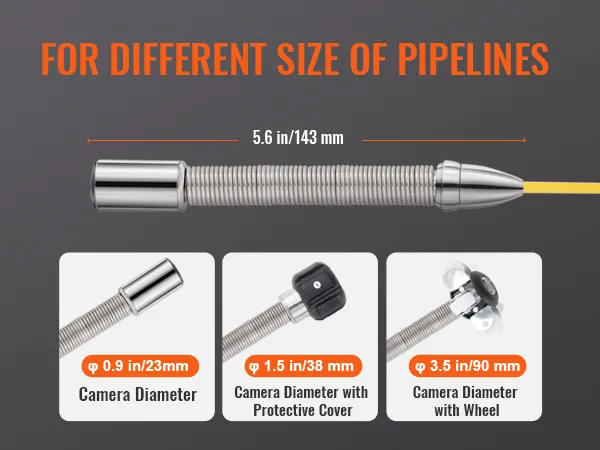
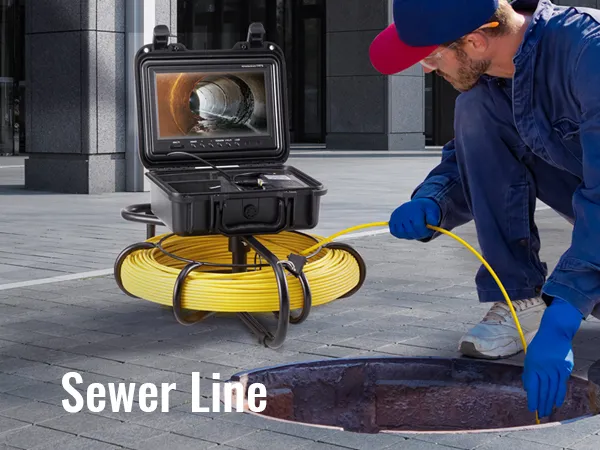
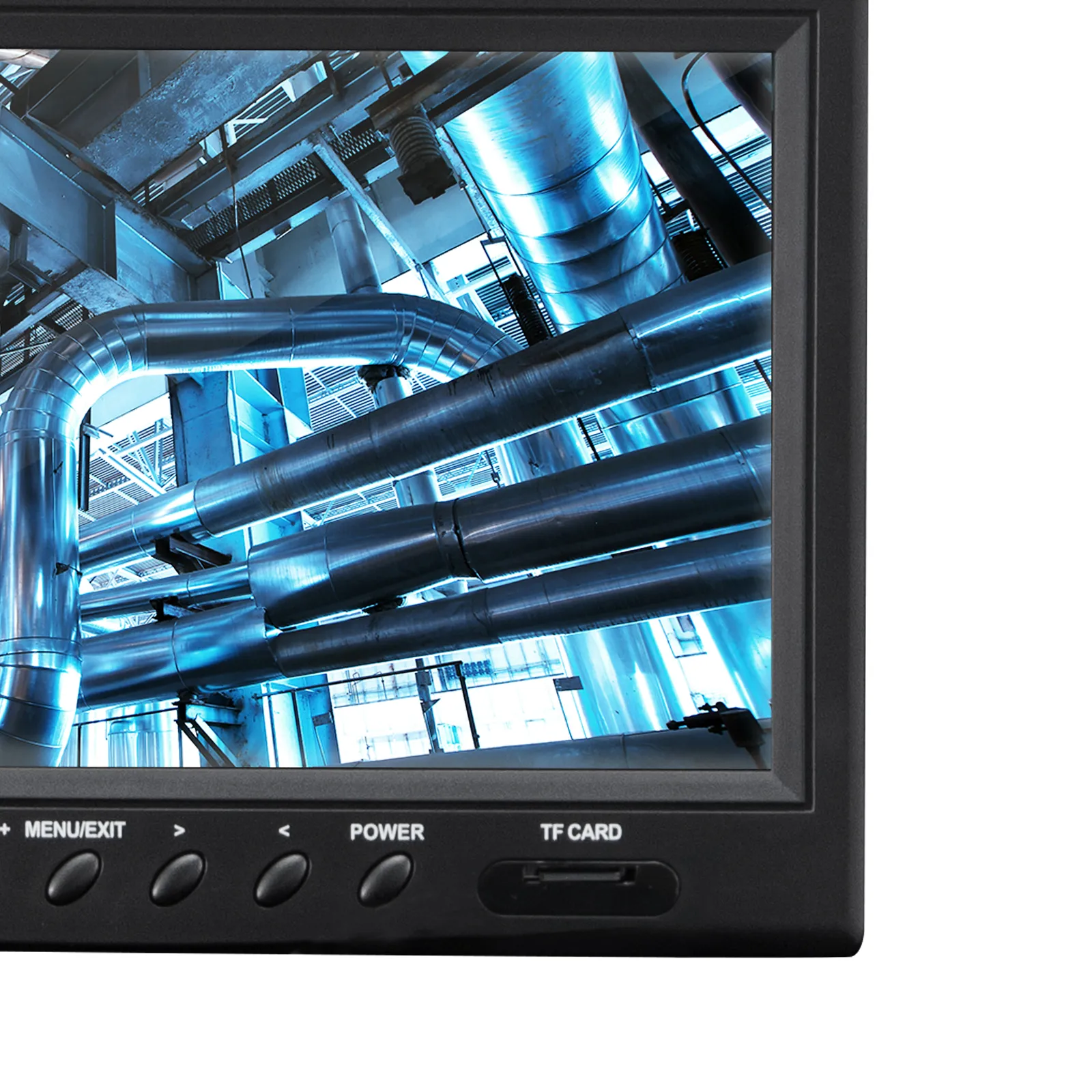
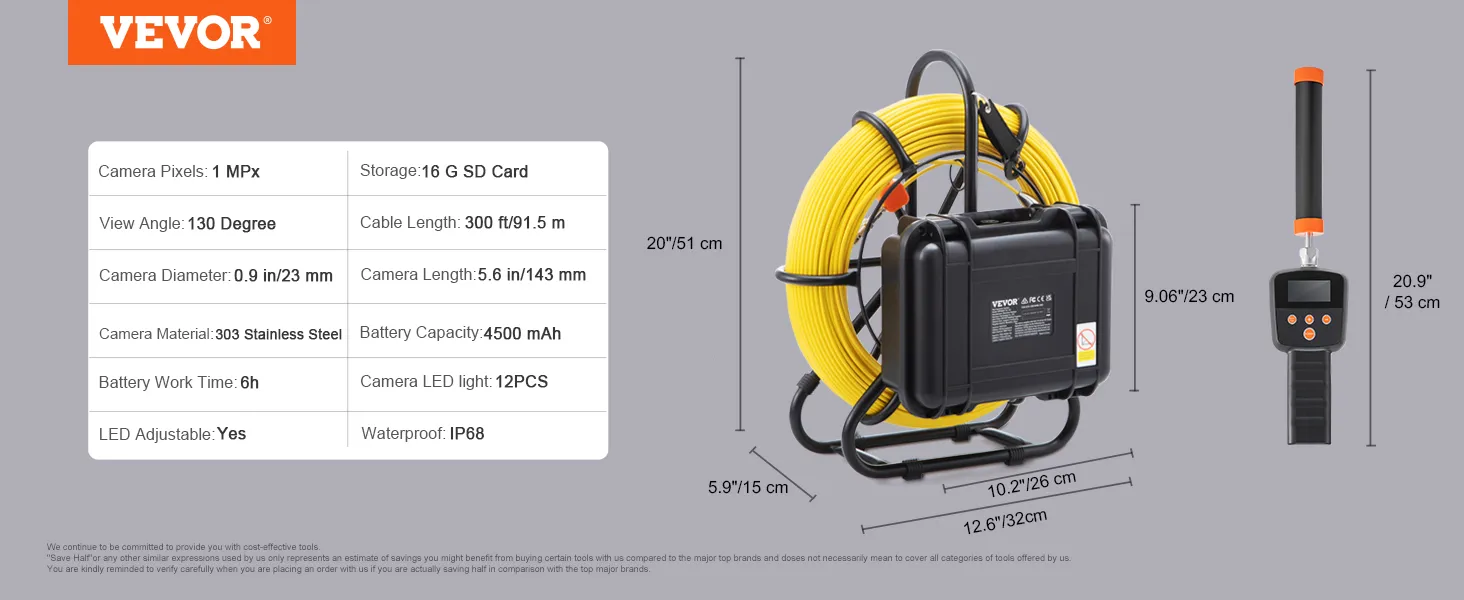
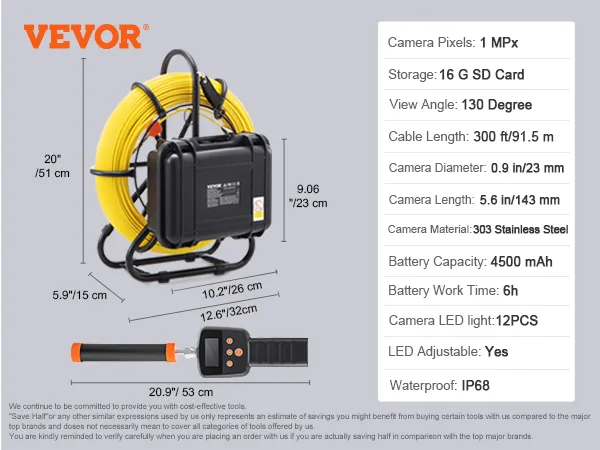
- 9" Clear & Reliable Screen: The sewer camera features a 9-inch 720p LCD screen, showing clear images. It comes with a DVR and photo-taking functions. A 16 G SD card allows for transferring images and videos to the computer for future reference and analysis. Compatible Pipe Diameters: Straight Pipes: 0.98 - 5.91 inch (25 - 150 mm); Right Angle Pipes: 1.97 - 5.91 inch (50 - 150 mm.)
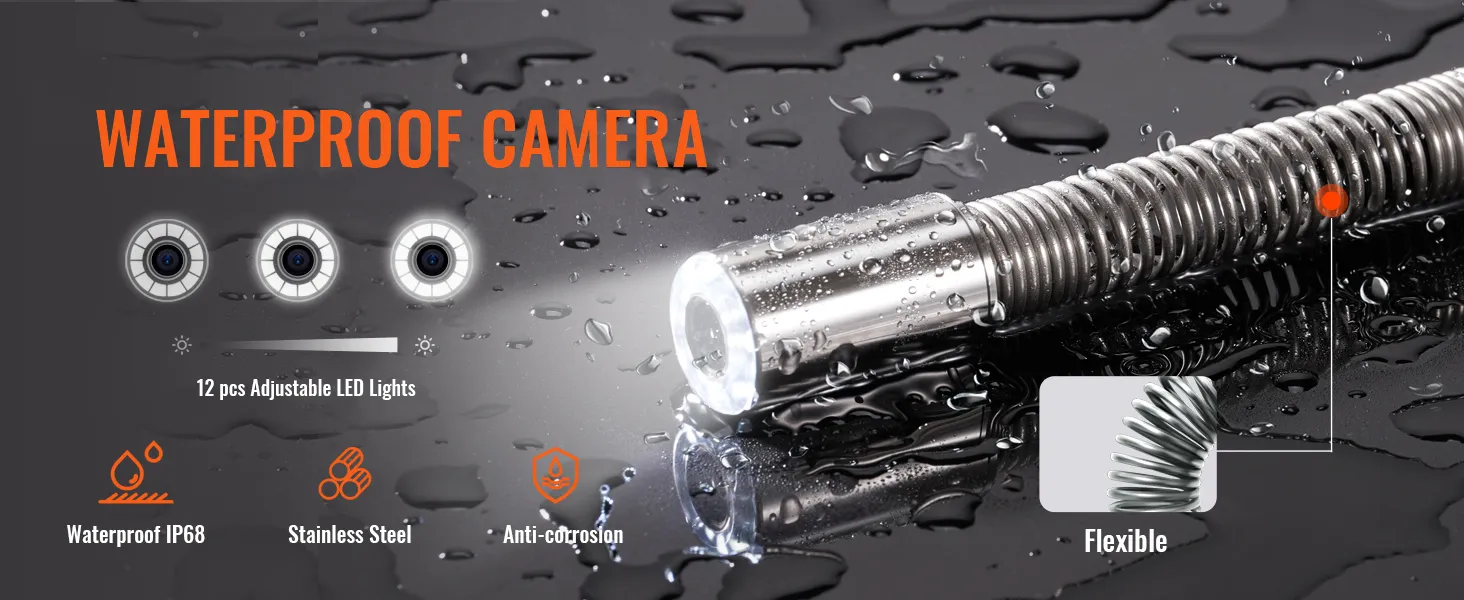
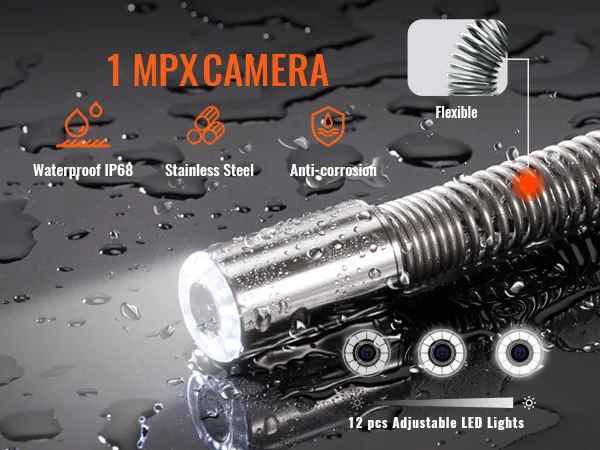
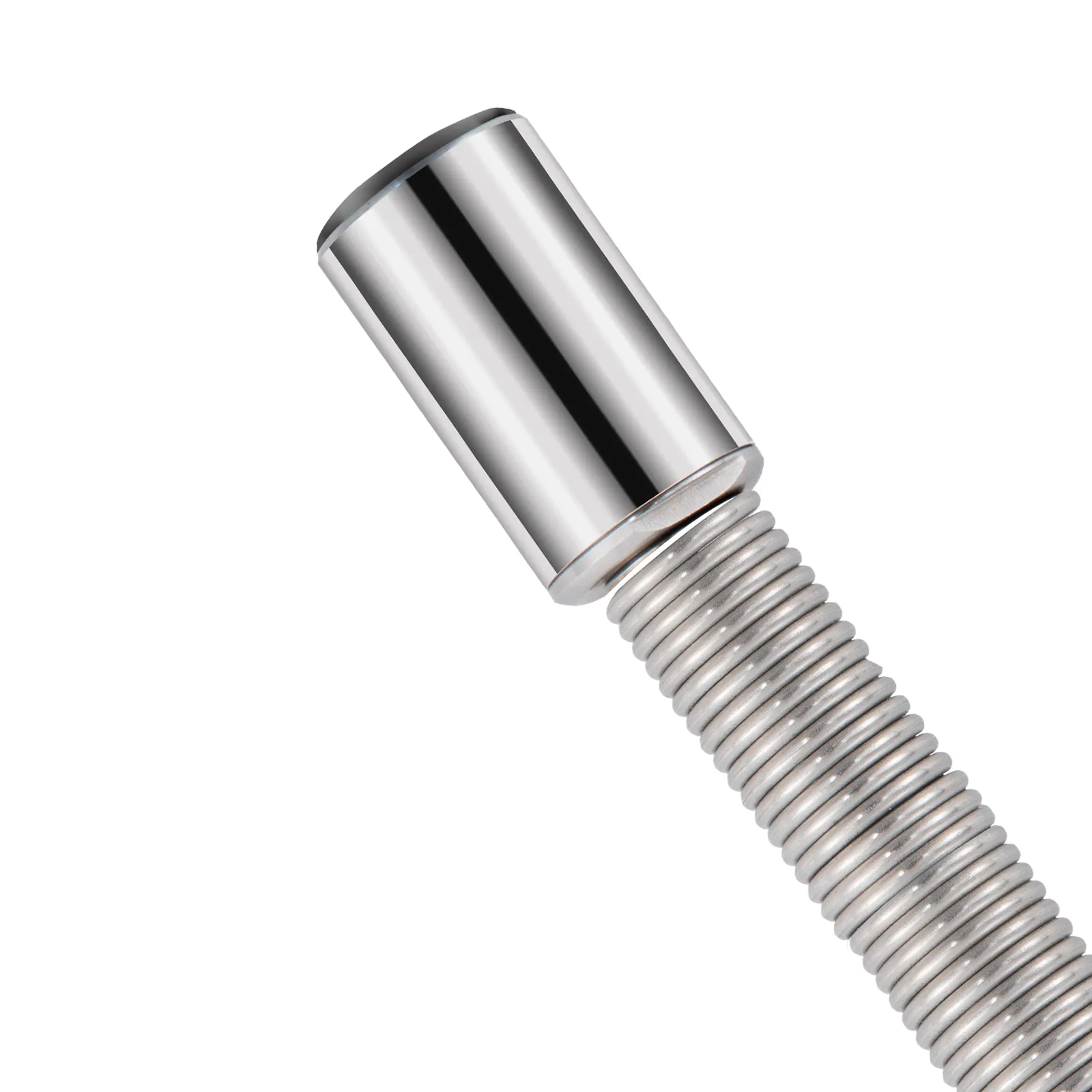
- Light up Dark Spaces: 1-megapixel camera and max 130° inspection angle easily make it visible to see where it is hard to reach. The IP68 camera adopts a 303 stainless steel housing and a sapphire lens to protect it from crashes and corrosion. 12 adjustable LED lights in the camera provide excellent illumination.
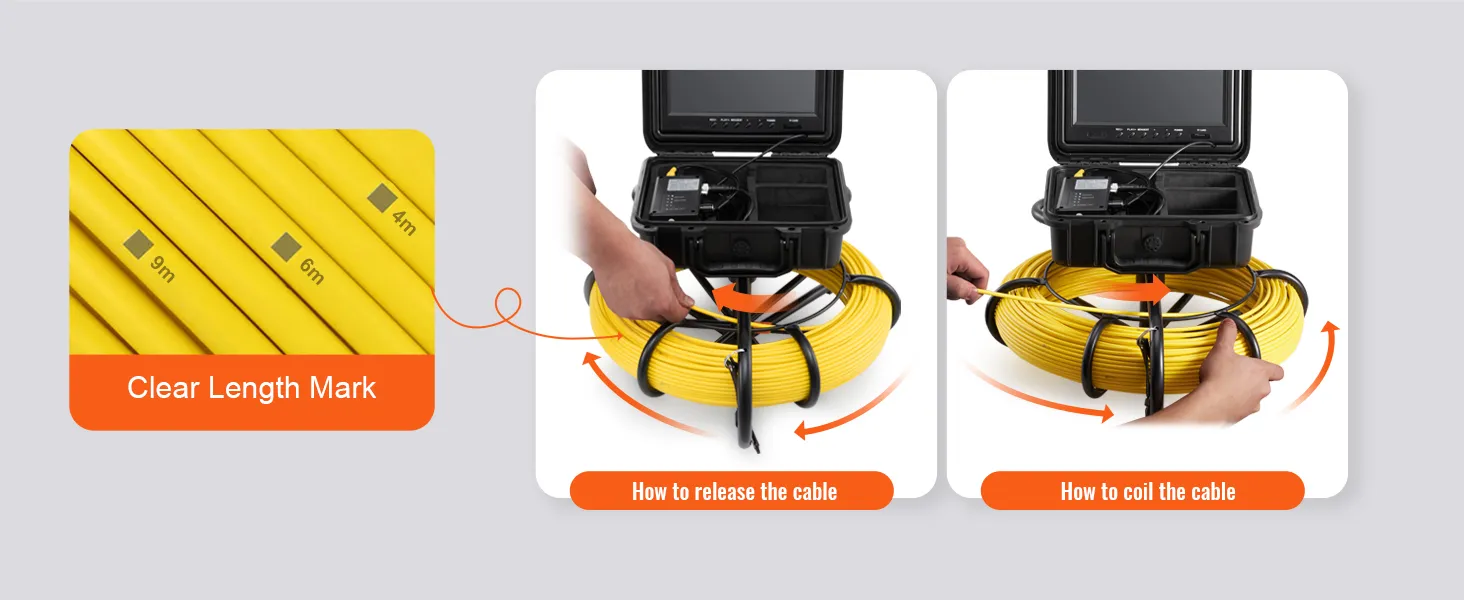
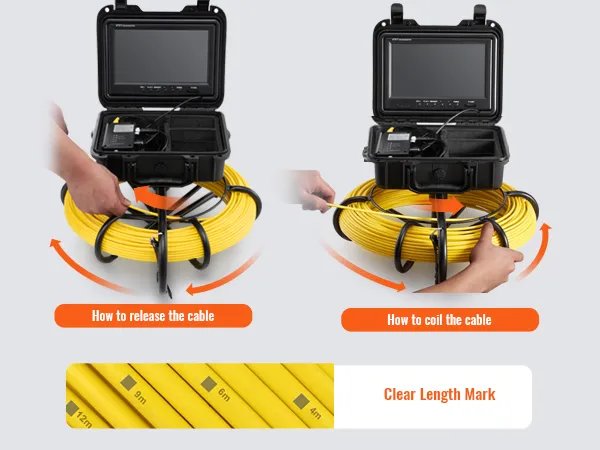
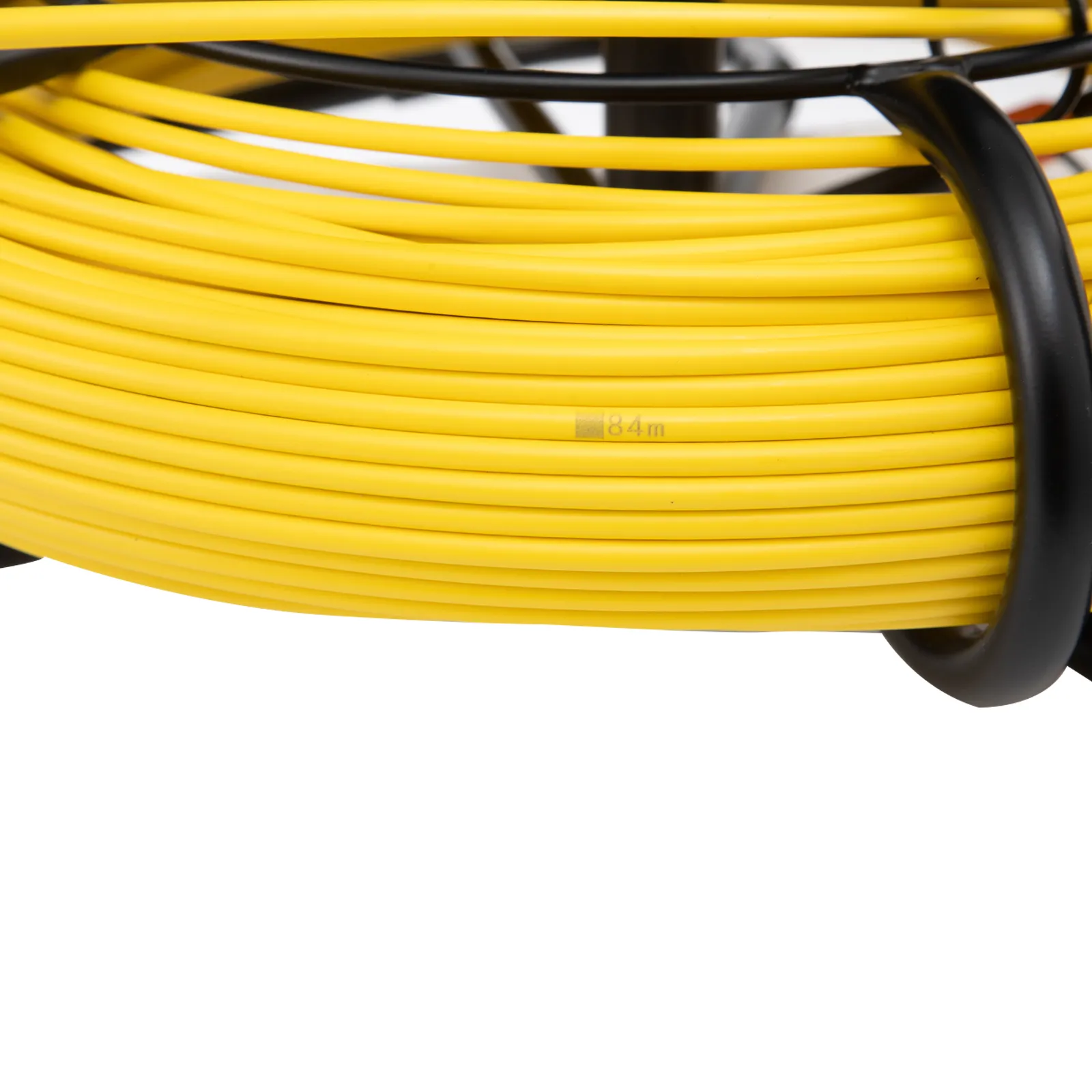
- Crossing the Long Pipe: The 300 ft/91.5 m semi-rigid cable can be fed through pipes or gaps easily, so you will have no problem reaching further! You can effortlessly estimate the distance of any depth thanks to length markings. Besides, the inspection camera kit comes with a handy cable reel for cable organization and carrying. Never feel stuck again, and get the job done right!
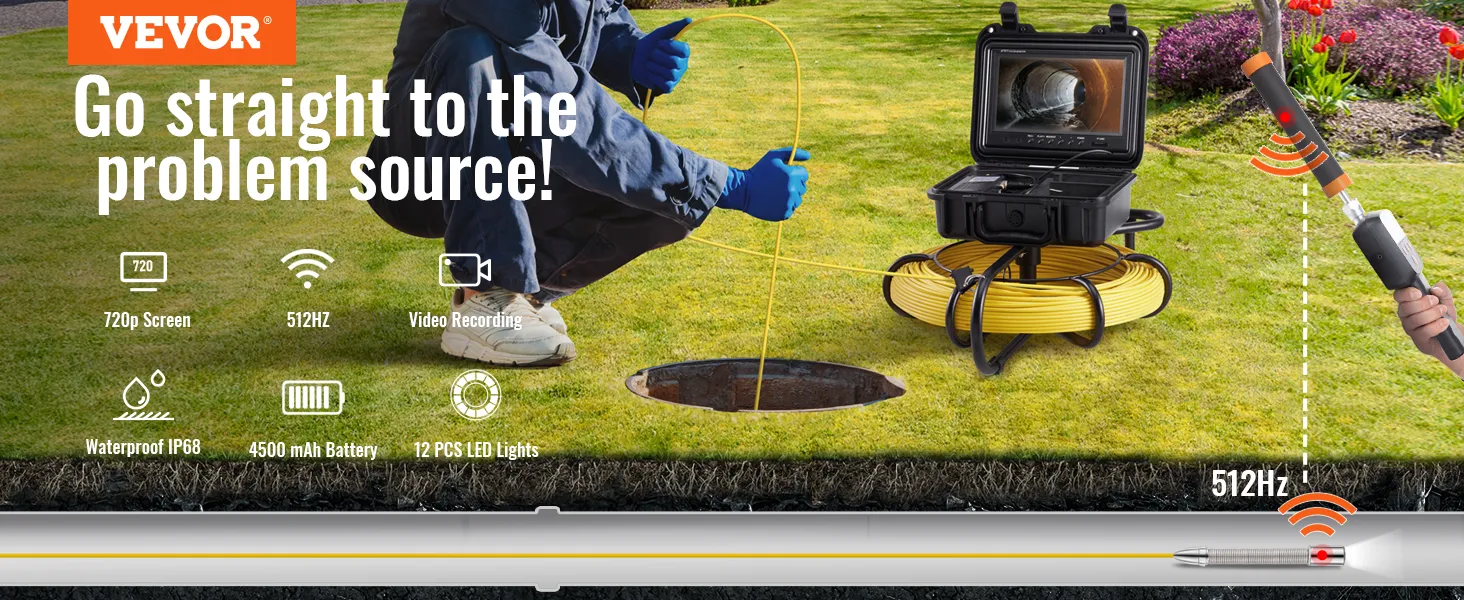
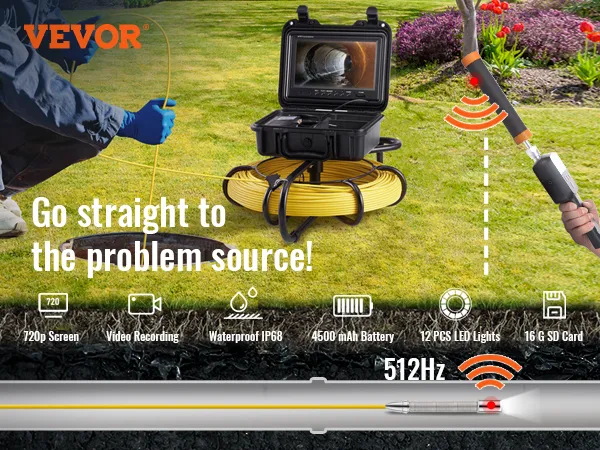
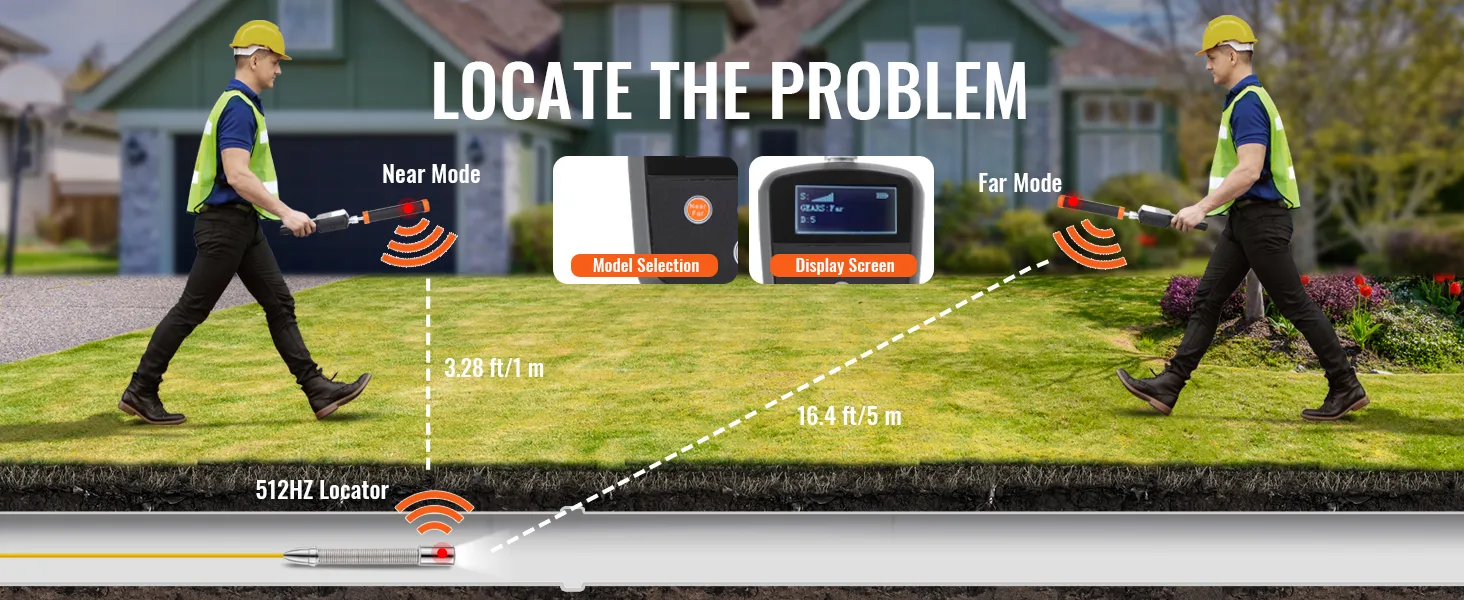
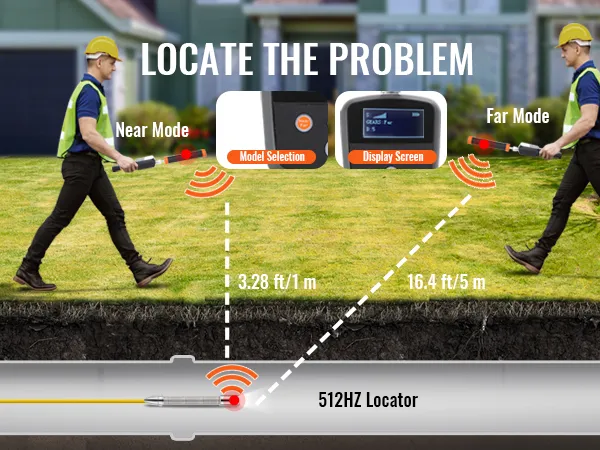
- Locate with Ease: VEVOR's sewer camera locator makes it easy to locate the camera probe. The sewer camera probe has a compact sonar that transmits 512Hz, and the receiver easily tracks the signal via sonar. There is also a screen on the detector that is very precise. Locate with ease and stay in control confidently.
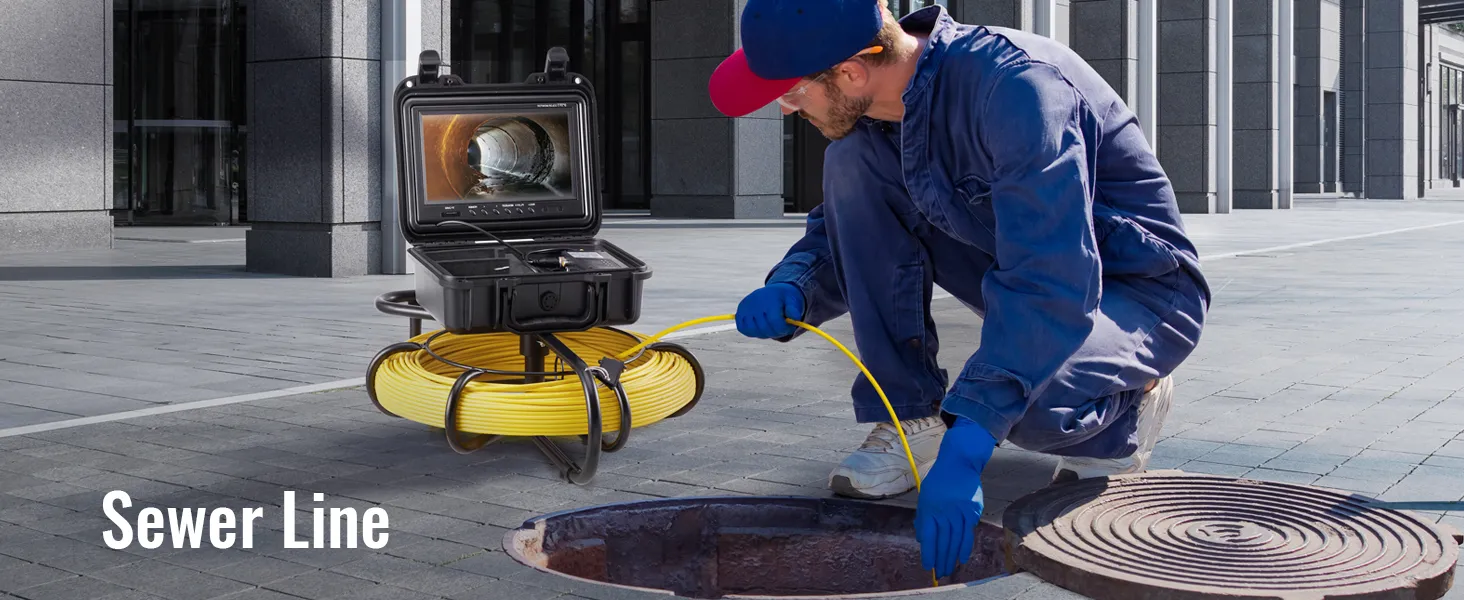
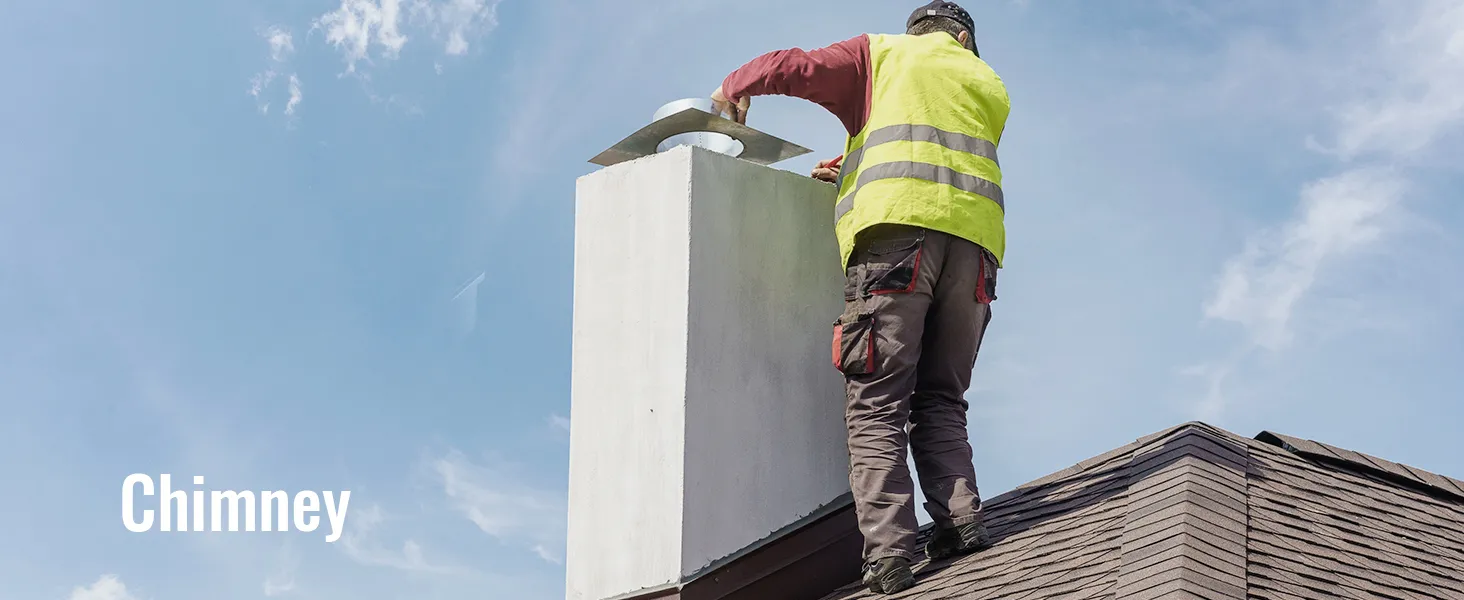
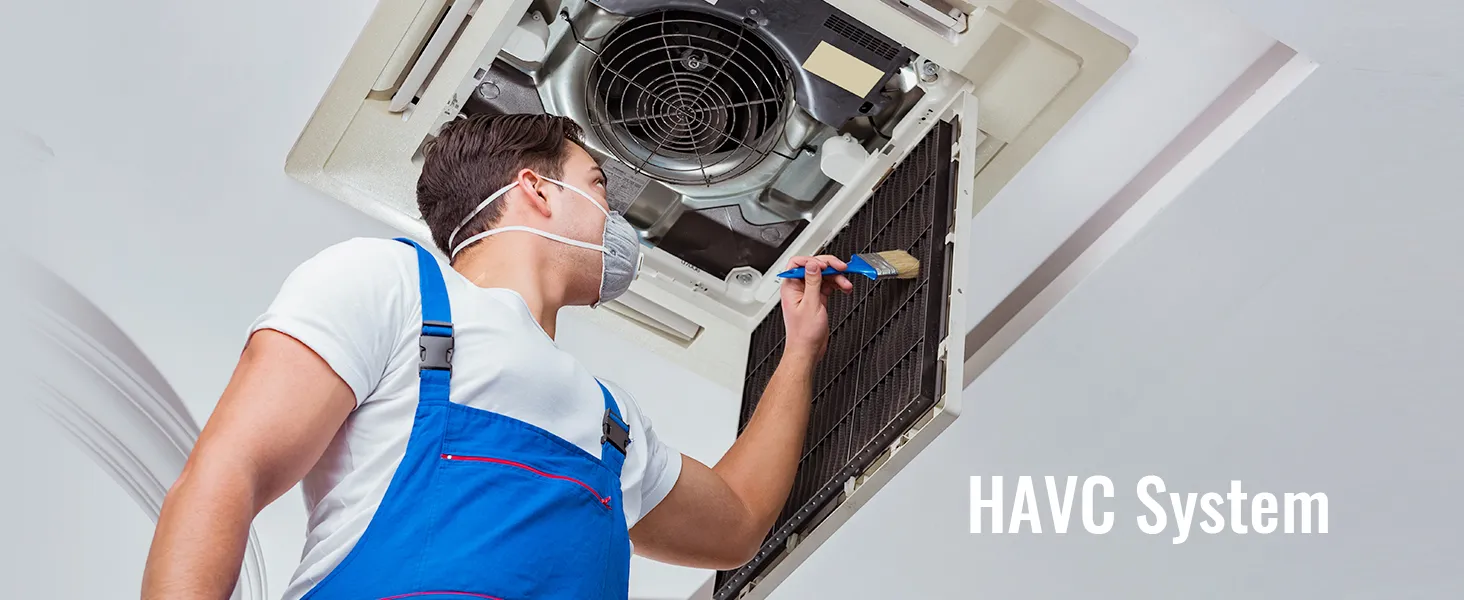
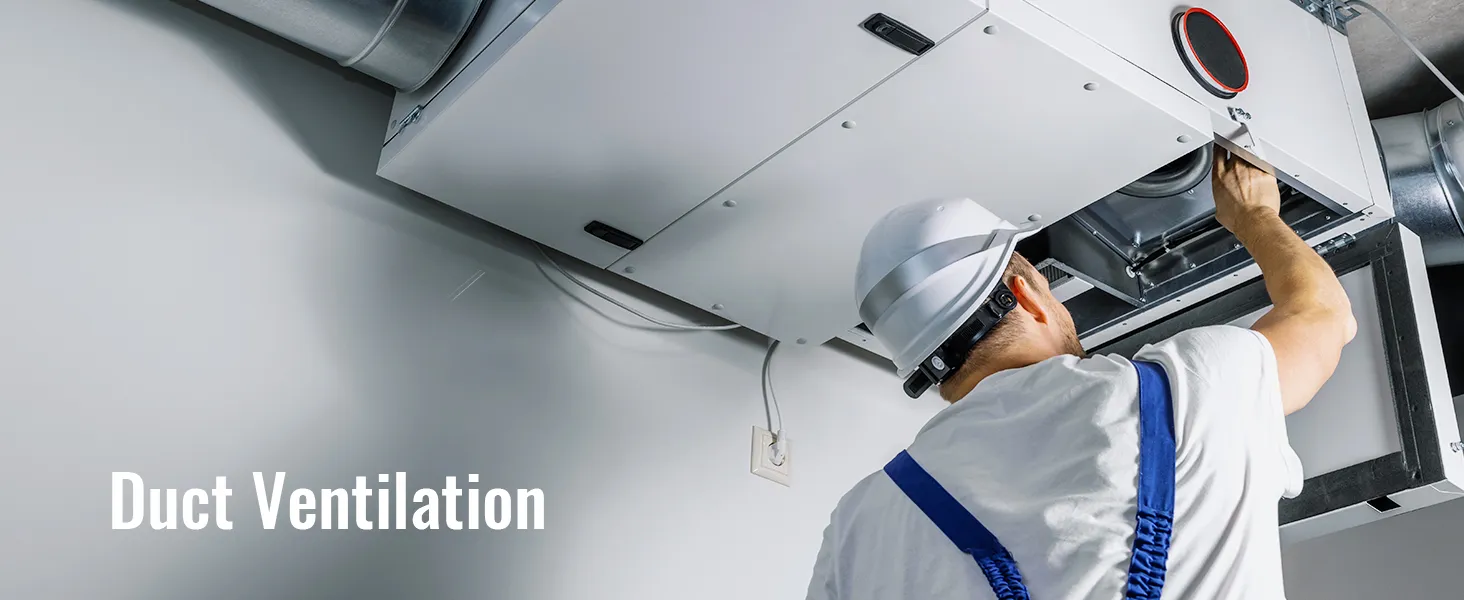
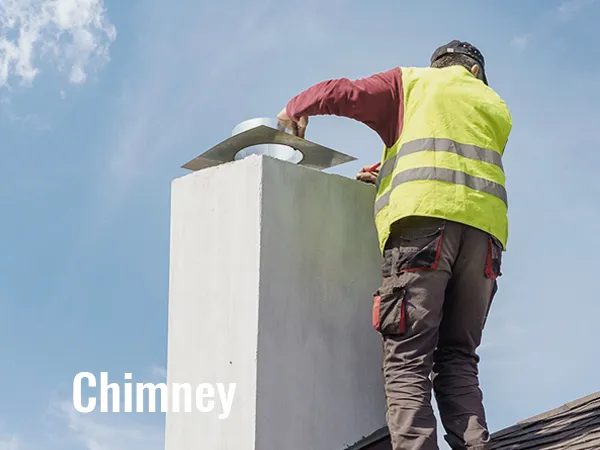
- Bring It on the Go: The professional plumbing camera is ideal for inspections in sewers, wastewater systems, storm water systems, drains, ducts, etc. ( * The battery shown in the image is pre-installed in the sewer camera and is only for powering the camera's display. * We do NOT provide the battery for the 512HZ locator. Customers need to purchase it separately.)
Frequently Bought Together
Reviews
About this item


Camera for Drain Pipes with IP68 Rating and 303 Stainless Steel Housing for Lasting Durability
When inspecting sewer lines, stormwater drains, and wastewater systems, a camera for drain pipes is often completely submerged, chemically contacted, and physically struck against pipe walls during entry and recovery. The full IP68 waterproof rating on this drain pipe camera means it can operate even when submerged for extended periods without water entering the internal parts or affecting the picture output. They made it so it will always work in the toughest wet-pipe situations professionals often face.
We chose 303 stainless steel for the camera head because it does not rust in wastewater or chemical residues or on the rough surfaces common in older drain and sewer pipe systems. A sapphire lens protects the optical surface from damage and scratches caused by impacts as the camera goes through rough pipe interiors during each inspection pass. When used daily for inspection jobs in businesses, homes, and public buildings, these parts keep the camera's structure strong and its imaging capabilities sharp.
1-Megapixel Sensor with 130° View Angle for Detailed Pipe Interior Imaging
The 1-megapixel camera sensor captures clear, high-contrast images that make it easy for inspectors to detect cracks, joint separations, root intrusions, and silt buildup inside the walls of drain and sewer lines. This level of resolution provides much more detail on-screen than regular, lower-resolution inspection cameras. This is important for maintenance reports, insurance paperwork, and regulatory compliance filings.
By making the viewable field inside the pipe much larger than what narrow-angle cameras can capture, a 130-degree inspection angle reduces blind spots at pipe intersections, bends, and irregular sections, where structural flaws most often show up over time. This broader view allows technicians to perform more thorough checks with fewer cable passes. It also eliminates the need to pull the camera back and reposition it to cover areas outside its narrow field of view. As a result, each inspection becomes faster and provides more thorough pipe diagnostics.
9-Inch 720p LCD Screen with DVR Function for Clear Real-Time Inspection Viewing
Monitoring live footage during an active inspection run is comfortable and useful in a variety of outdoor settings thanks to the 9-inch LCD monitor's big, readable display. The screen's 720p resolution makes it possible to see pipe interior details clearly enough to spot surface flaws, debris accumulation, and structural deterioration in real time, reducing the need to review post-inspection footage to validate the run's results.
At the touch of a button, the integrated DVR records continuous video directly to the 16 GB SD card, capturing the entire inspection run without the need for an external recording device on-site. During the run, operators can take still photos of particular defect sites using a specialized photo-taking function for easy reference when creating inspection reports. All video and photos on the SD card are transferred directly to a computer for long-term preservation, client presentations, full-resolution review, maintenance and compliance records, and other purposes.
512Hz Sonde Locator for Accurate Camera for Drain Pipes Probe Positioning
Through pipe walls, concrete slabs, and compacted soil, the camera for drain pipes' integrated 512Hz sonde transmitter broadcasts a continuous signal that the accompanying receiver tracks from above ground, enabling operators to pinpoint the precise underground location of the camera head without physically accessing the probe. For experts working on drain and sewage systems, where exact position data is essential for excavation design, this above-ground locating capability is vital.
Knowing the precise underground location of the camera probe enables inspectors to plan excavation sites effectively, mark repair locations precisely, and confidently share results with clients and site supervisors supported by reliable data. The detector display eliminates the need to predict the probe's location based solely on cable length by providing clear, reliable signal measurements. With this locating feature, the camera becomes a comprehensive drain evaluation and location system for professional use, rather than just a simple imaging tool.
300 ft Semi-Rigid Cable with Integrated Reel for Extended On-Site Reach
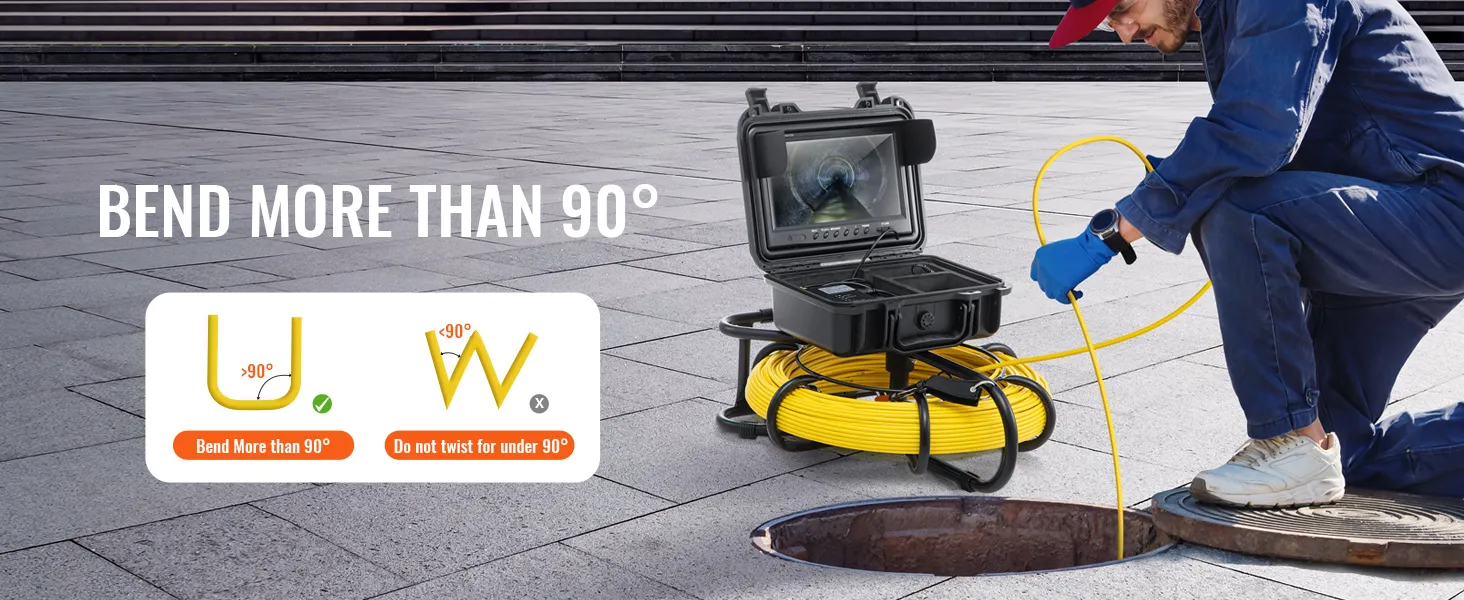
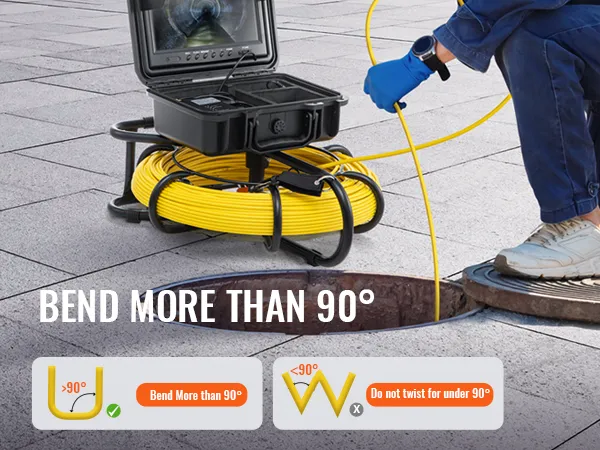
This camera for drain pipes has the reach to cover large commercial pipe networks, long municipal sewer lines, and extended stormwater drain runs from a single access point without requiring repositioning during inspection, thanks to a 300-foot semi-rigid cable. Without coiling back or losing forward directional control after insertion, the cable's semi-rigid design allows it to flex around bends and slanted junctions while retaining sufficient stiffness to advance through lengthy straight horizontal runs.
It is simple to record the exact location of any fault relative to the access point for precise follow-up repair planning and client reporting, thanks to length markings printed along the cable that provide continuous depth readings throughout the inspection run. During transportation and on-site deployment, the accompanying cable reel keeps the full 300-foot length organized, preventing tangling and reducing setup time when switching between successive inspection operations. The camera is ideal for extensive professional drain inspection work because of its extended reach, depth tracking, and well-organized cable management.
12 Adjustable LED Lights for Uniform Illumination Across All Pipe Diameters
The amount of surface detail that the camera sensor can capture and the monitor can display during a live inspection run depends on the quality of onboard lighting in pipe interiors, which are completely dark spaces. Without producing shadow patches or unlit areas that could allow flaws to go undetected during the inspection, the 12 LED lights positioned around the camera head provide consistent, wraparound lighting that covers the entire circumference of the pipe wall.
Depending on the specific pipe diameter and inner surface conditions encountered in each project, operators can directly adjust LED intensity via brightness control. Reducing LED power in thinner pipes at the lower end of the 25 mm to 150 mm suitable range avoids overexposure, which erases fine surface detail on the monitor screen. Increasing the brightness in pipes with a wider diameter ensures uniform coverage across the greater interior surface area. Because of its adaptability, the camera can operate reliably across the full range of appropriate drain pipe widths without additional on-site lighting equipment.