Deals
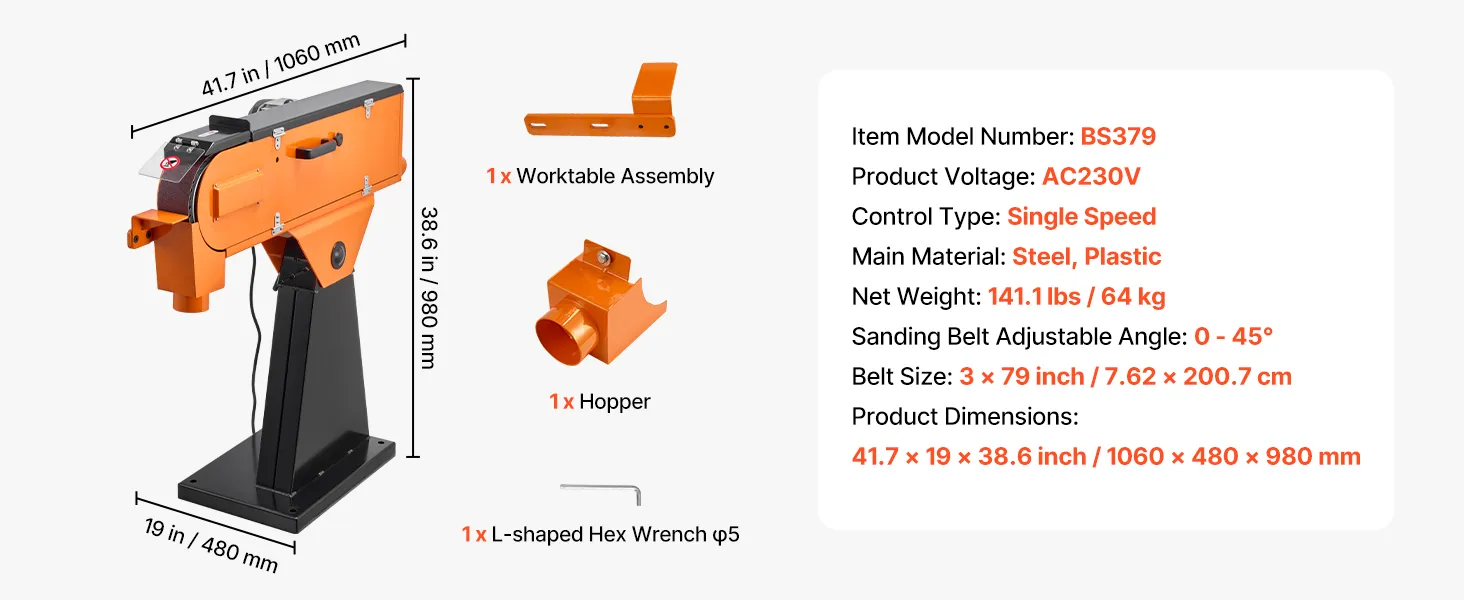
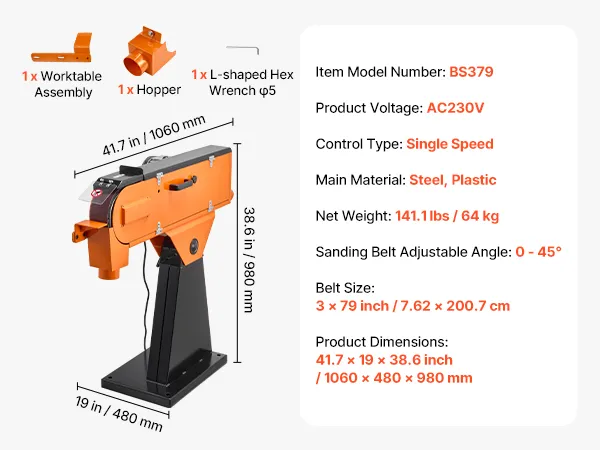
VEVOR 76mm x 2007 mm Belt Grinder Sander, 2100W 900RPM Industrial-Grade Grinding Sanding Machine with 0° - 45° Adjustable Angle & Dust Collection Port for Professional Woodworking Metalworking


- Industrial-Grade Performance: Powered by a 2100W powerful motor running at 900RPM, this belt grinder sander effortlessly handles heavy-duty grinding and sanding tasks. Ensure rapid material removal and greater efficiency for woodworking and metalworking tasks
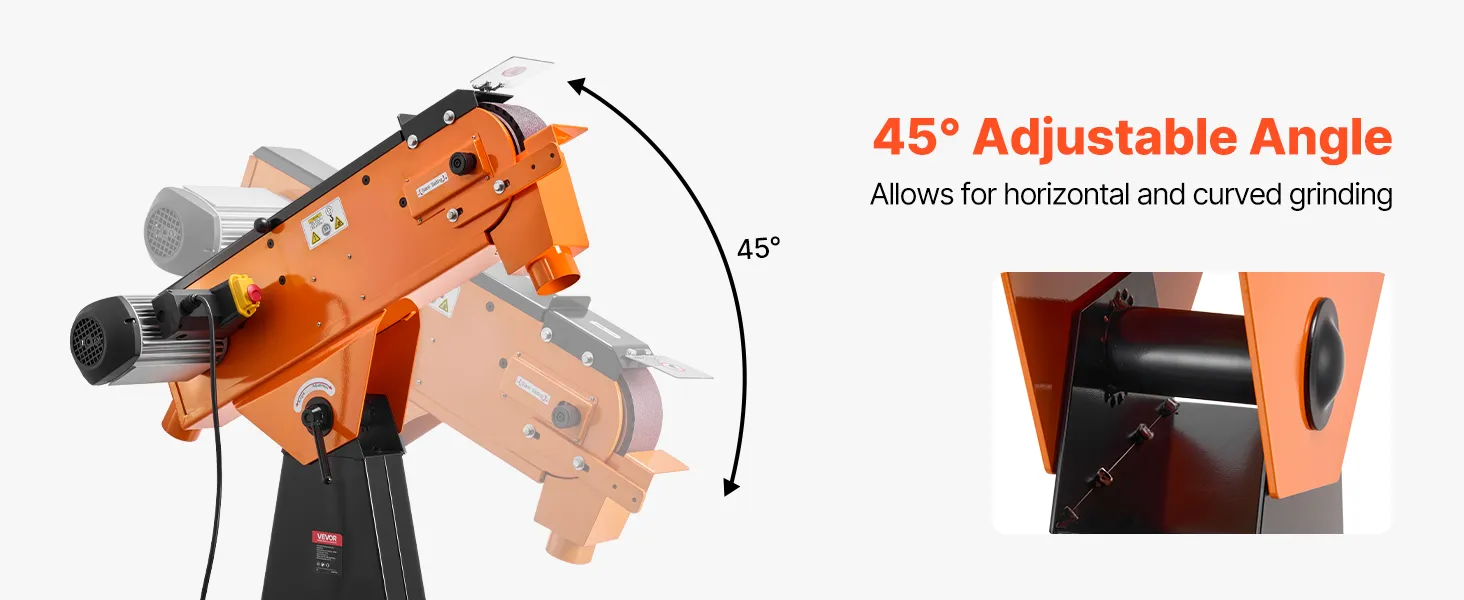
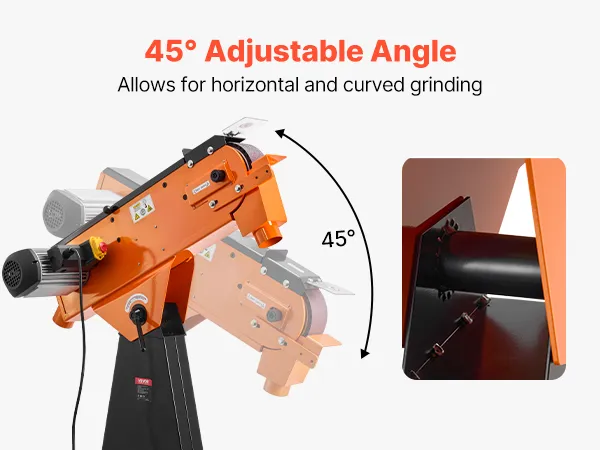
- Multi-Angle Sanding: The sanding belt can be adjusted from 0° to 45°, enabling both horizontal and bevel sanding. Set the ideal angle for different workpiece shapes and contours to achieve smooth, uniform finishes with ease
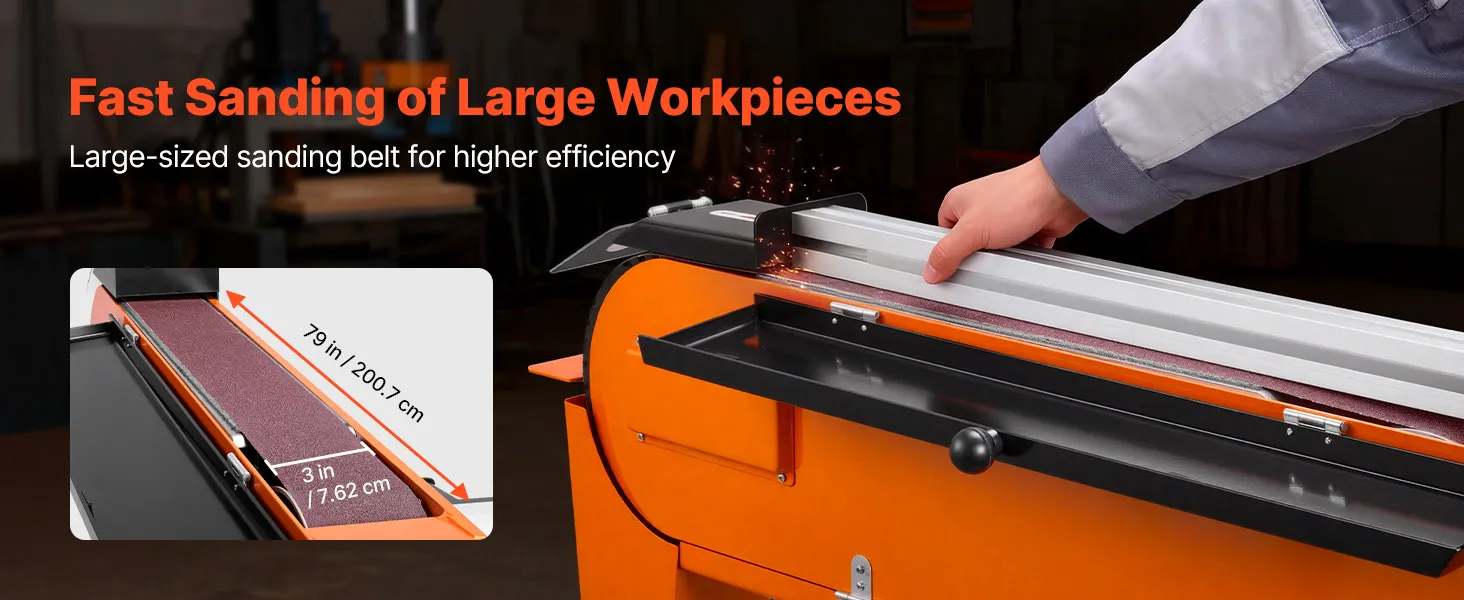
- Maximum Efficiency: Equipped with a 3 x 79 inch extra-wide sanding belt, this sanding and grinding machine provides a larger contact surface for large or elongated materials. It removes more material in a single pass, greatly reducing overall processing time
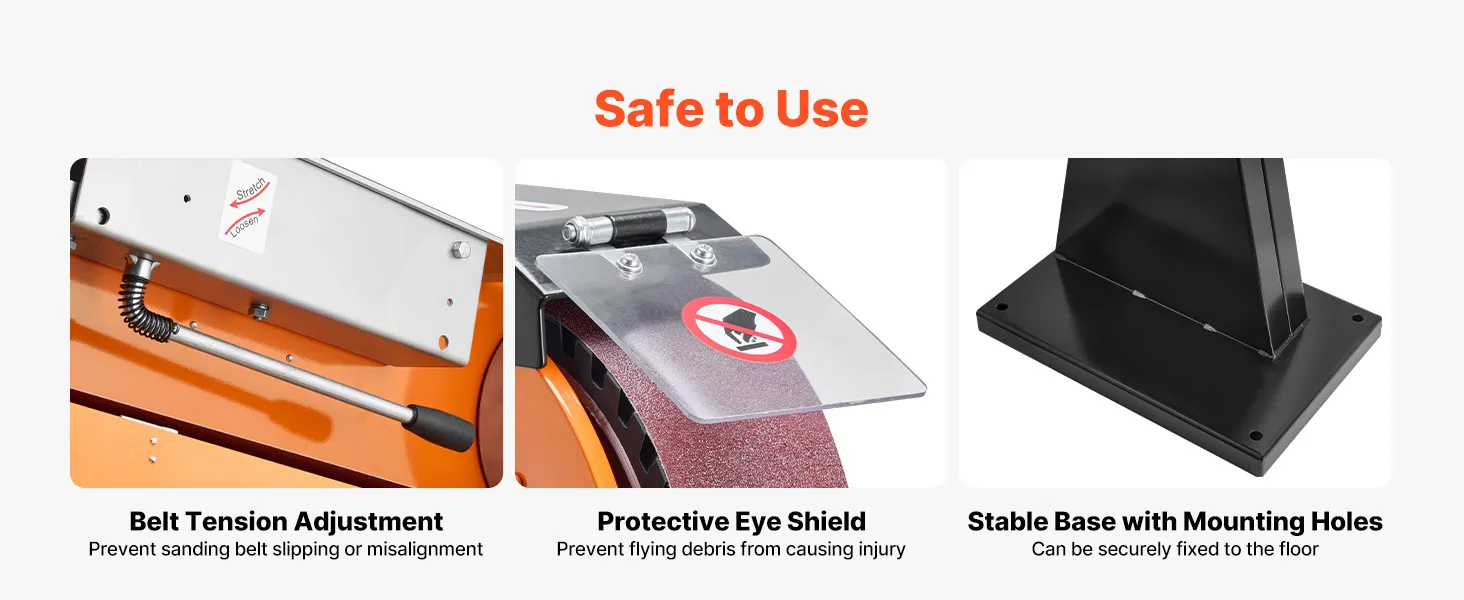
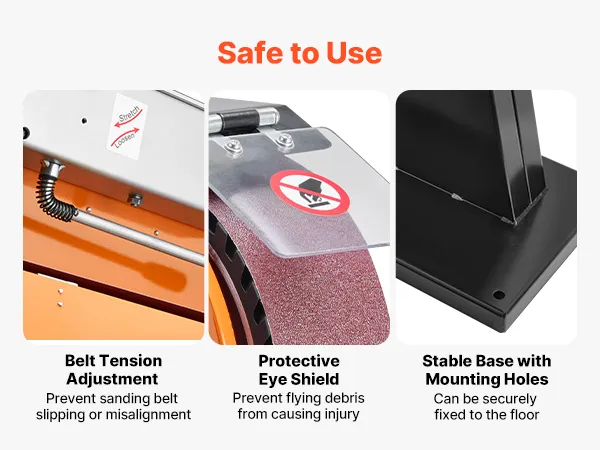
- Enhanced Safety & Stability: The quick belt tension adjustment prevents belt slipping or misalignment during sanding ; a protective eye shield blocks sparks and flying debris, while the reinforced base keeps the machine stable for more precise operation
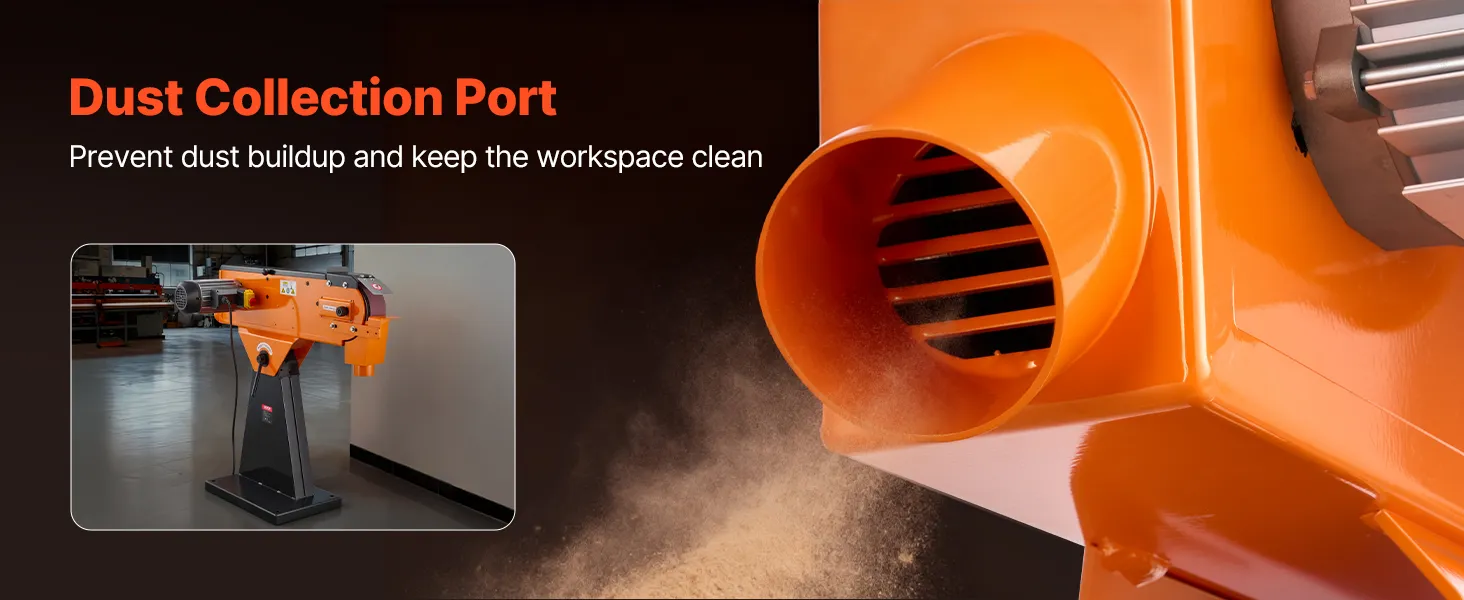
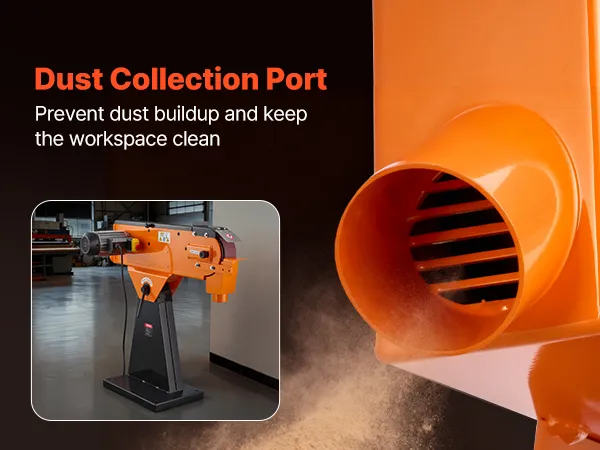
- Dust-Free Sanding: Our professional freestanding belt grinder comes with a dust collection port, allowing easy connection to vacuum cleaner. Help to keep your workspace clean and reduce airborne dust for smoother sanding
Frequently Bought Together
Reviews
About this item


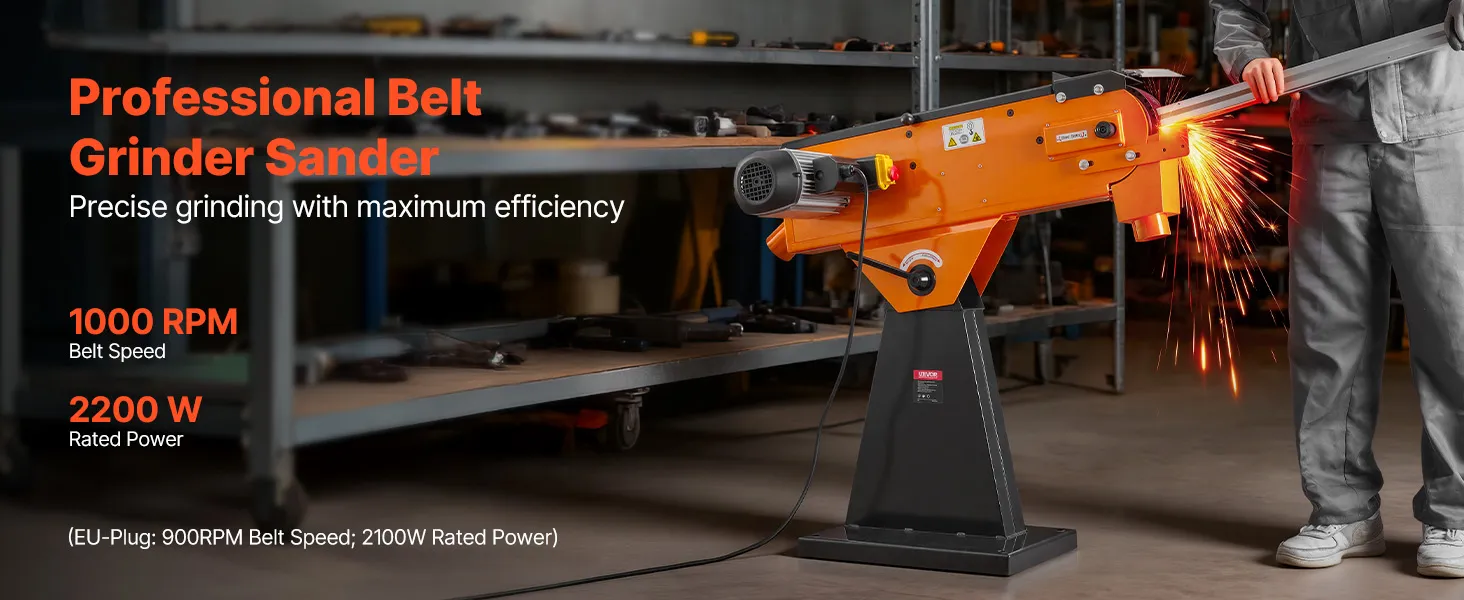
2100W Industrial Grade Motor in This Belt Grinder Sander for High Torque Heavy Duty Performance
A 2100W motor operating at a constant 900RPM powers the VEVOR belt grinder sander, providing the consistent torque required for difficult grinding, shaping, deburring, and sanding jobs in both metalworking and woodworking settings. This feature is a really industrial-grade piece of equipment designed for professional workshops that need constant production over extended working periods, not a light-duty benchtop machine.
Hardwoods, steel, and aluminum are among the tough materials that the strong motor can handle without significant slowdown. The 2100W motor delivers the performance experts demand from workshop-grade equipment, whether you are sharpening a blade edge, removing heavy stock, or polishing a surface.
76mm x 2007mm Belt Size on Belt Grinder Sander for Efficient Material Removal Across Large Surfaces
With its long and wide contact area, the 76 x 2007 mm sanding belt effectively removes material from large workpieces in fewer passes. More abrasive contact with the workpiece at once from a wider belt results in quicker stock removal and less time spent repeating the same pass. When working on long metal bars, large lumber boards, or elongated surfaces that are difficult for smaller belts to cover well, using a larger belt is extremely helpful.
Additionally, the belt's size reduces the need for frequent belt changes throughout long sessions, maintaining productivity. The belt size and speed combination, when combined with the 2100W motor, gives this machine the throughput that distinguishes it from smaller hobbyist machines and makes it truly useful for everyday professional use.
0 to 45 Degree Adjustable Belt Arm Angle for Versatile Flat and Bevel Sanding Operations
This belt grinder sander's belt arm, which easily rotates from 0 to 45 degrees to enable both horizontal flat sanding and angled bevel grinding from a single machine, is a key feature. The belt is positioned for flat-surface work when the arm is set to 0 degrees, and precision bevel grinding on edges, knife blanks, and angled components is possible when the arm is tilted toward 45 degrees. Throughout the operation, the locking mechanism prevents drift and keeps the selected angle firmly in place.
This flexibility eliminates the need for several specialized pieces of equipment to handle various sanding orientations. One setup can move between activities, saving money on equipment and workshop floor space. This feature gives a single machine investment significant versatility for knife makers, fabricators, and woodworkers who frequently move between flat and angled work.
Dust Collection Port for a Cleaner Workshop Environment During Grinding and Sanding Tasks
This belt grinder sander's built-in dust-collection port connects directly to a workshop vacuum or dust extractor, collecting airborne particles before they spread throughout your workstation. Sanding and grinding both metal and wood produce fine particulate matter that is difficult to remove from nearby surfaces and dangerous to breathe. Dust collection at the machine greatly reduces cleanup time and helps maintain a safer working environment.
Additionally, improved visibility of the workpiece during operation results from a cleaner workspace, directly enhancing surface quality and grinding accuracy. Uneven outcomes may result from dust accumulation on the workpiece, which can obstruct the material-removal process. You can see the surface clearly on each pass when the dust collection is operating.
Protective Eye Shield and Reinforced Base for Safe and Stable Workshop Operation
The design of this belt grinder incorporates safety and stability. During metal grinding, the protective eye shield deflects sparks and flying debris away from the operator, providing crucial protection without limiting the operator's view of the work surface. Any machine used for metalworking must have this safety feature.
By keeping the machine firmly planted on the workstation during operation, the reinforced base minimizes vibration transfer and stops movement under load. Particularly during heavy stock removal runs when the machine is operating under continuous pressure, a stable machine yields more precise results and is much safer to use. You can confidently push the material without the machine shifting, thanks to the sturdy foundation.
Suitable for Professional Woodworking and Metalworking Applications in Demanding Workshop Environments
There are many different professional uses for this belt grinder sander. It supports shaping, edge refining, and surface smoothing of hardwoods and engineered timber in woodworking. It handles grinding, deburring, polishing, and knife-making operations on steel and aluminum in metalworking. For workplaces that frequently handle both types of materials, this dual-discipline flexibility makes it a truly versatile workshop machine.
Because of its industrial-grade construction, the machine can withstand regular professional use without experiencing a decline in performance over time. The machine produces consistent results session after session because components are chosen for endurance rather than cost savings. This sander is designed to meet the needs of experts who rely on their equipment to perform reliably under demanding use.
Quick Belt Tension Adjustment System for Uninterrupted Workflow and Consistent Grinding Accuracy
This belt grinder's fast belt-tension adjustment eliminates belt slippage and misalignment during operation, preventing uneven material removal and wasted time. The adjustment mechanism allows quick, simple setting of the proper belt tension before each session or after a belt replacement, which is crucial for achieving uniform surface finishes across the entire breadth of the workpiece.
When moving between abrasive grits during different stages of a job, the ability to swiftly adjust and retension the belt also minimizes downtime. A simple tensioning mechanism facilitates the smooth transition from coarse stock removal to fine finishing, which necessitates a belt swap. Every step of the grinding and sanding process benefits from improved surface quality and a more effective workflow.