Deals
VEVOR Wood Router, 1 HP 710W, Variable Speed Palm Router Tool with Soft Start, Compact Wood Edge Trimmer with Fixed Base & Dust Hood, Parallel Guide, for Woodworking, Trimming, DIY Projects, Corded
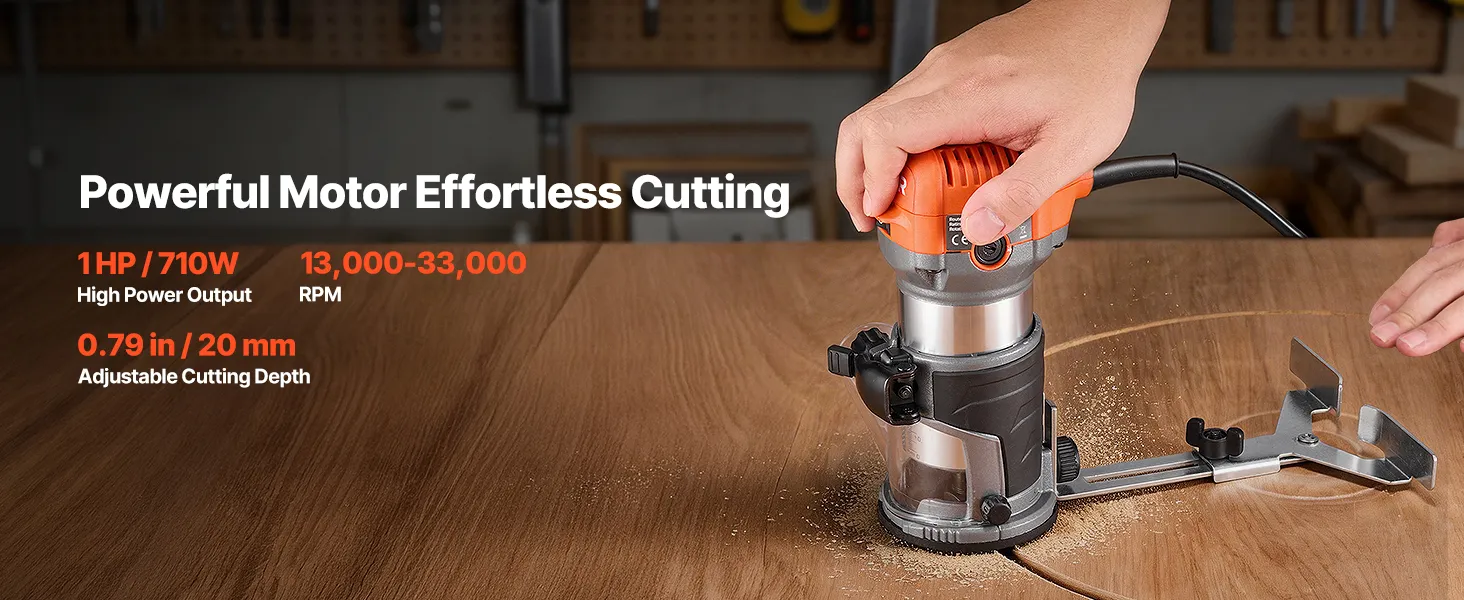
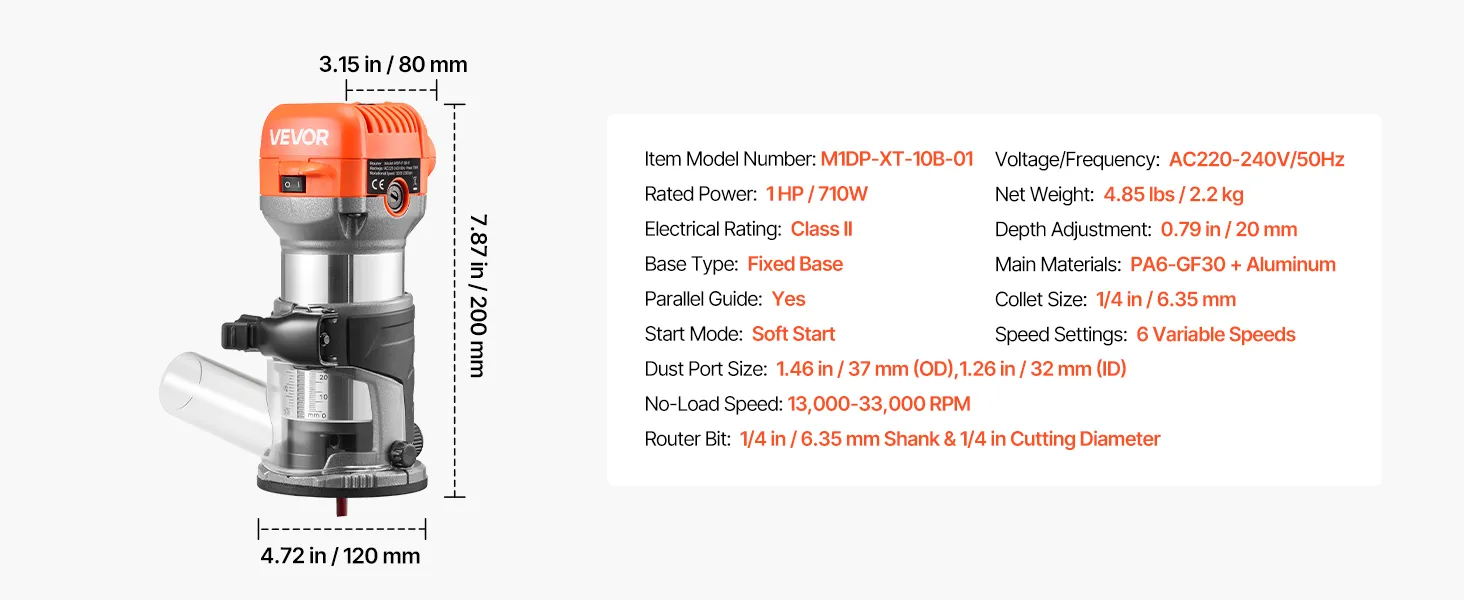
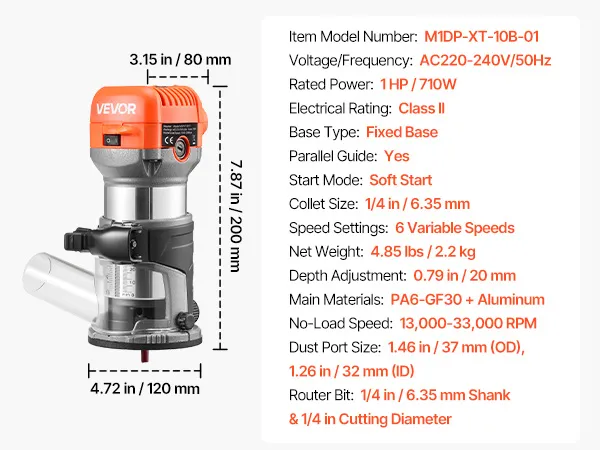
- Efficient Cutting Performance: This wood router features a 1 HP / 710W power with 6 variable speeds from 13,000 to 33,000 RPM, delivering high-efficiency cutting across a wide range of woodworking tasks
- Cuts Through Thick Wood: With an adjustable cutting depth up to 0.79 in / 20 mm, this wood trimmer router cuts thick wood materials with ease
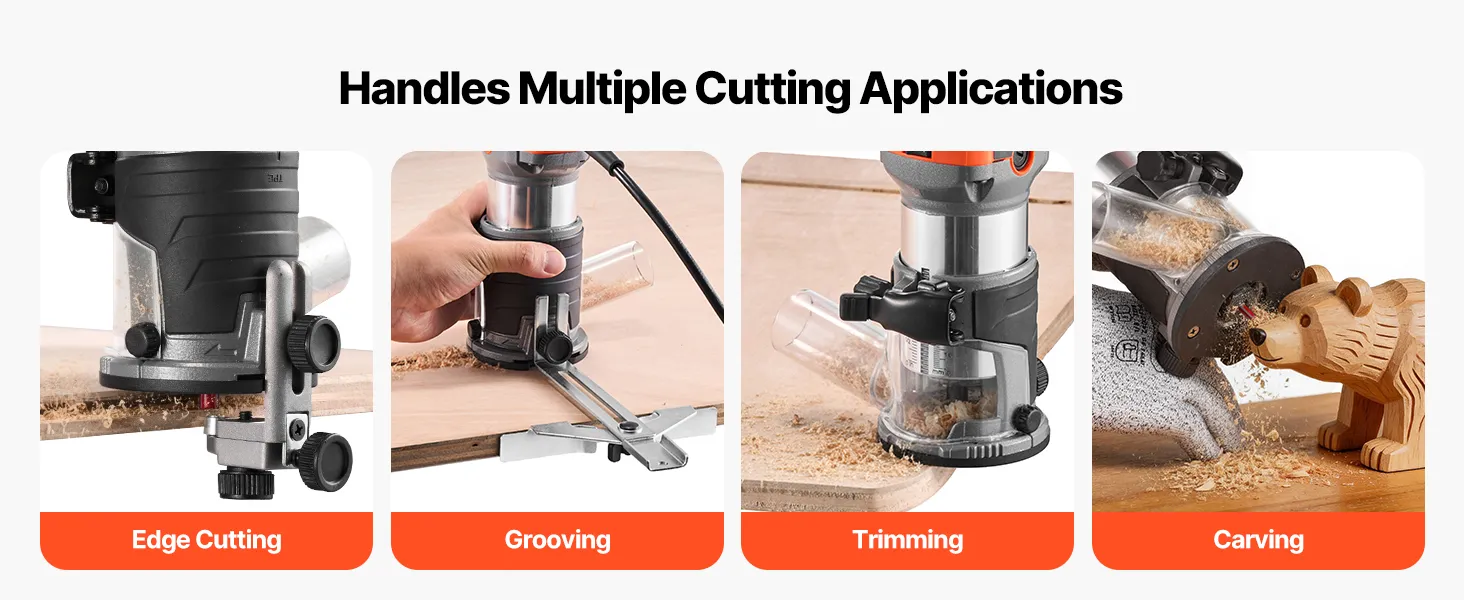
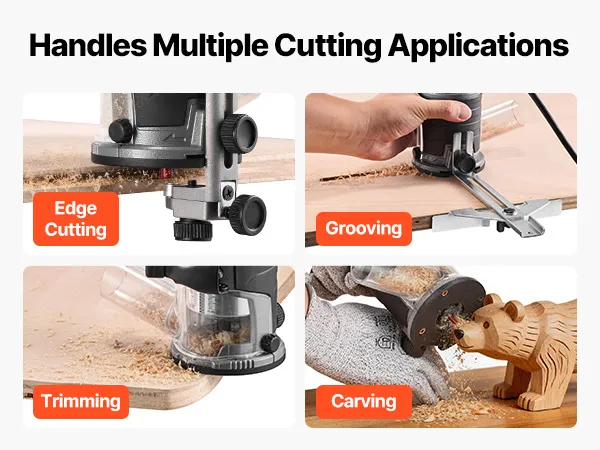
- Precision Processing Made Easy: Equipped with a parallel guide and trim base, this wood router tool supports accurate and flexible machining for curves, straight cuts, and grooving applications
- Versatile for Multiple Applications: This woodworking trim router is ideal for edge trimming, furniture making, DIY projects, and can be mounted on a router table or insert plate for expanded functionality
- Soft Start, Smooth Operation: Built with a soft start feature, this woodworking router gradually increases speed to reduce startup impact, ensuring better cutting accuracy and a more controlled operation
Frequently Bought Together
Reviews
About this item



Variable Speed Palm Router with 710W Motor and 13,000–33,000 RPM for Fine Woodworking
The VEVOR variable speed palm router has a 1 HP / 710W motor and a compact palm-grip body that keeps the weight low and the design compact, improving control. This makes palm routers easier to use than full-size fixed-base routers and makes them ideal for tasks like fine edge trimming, laminate flush-cutting, and light decorative profiling, where their compact size improves maneuverability.
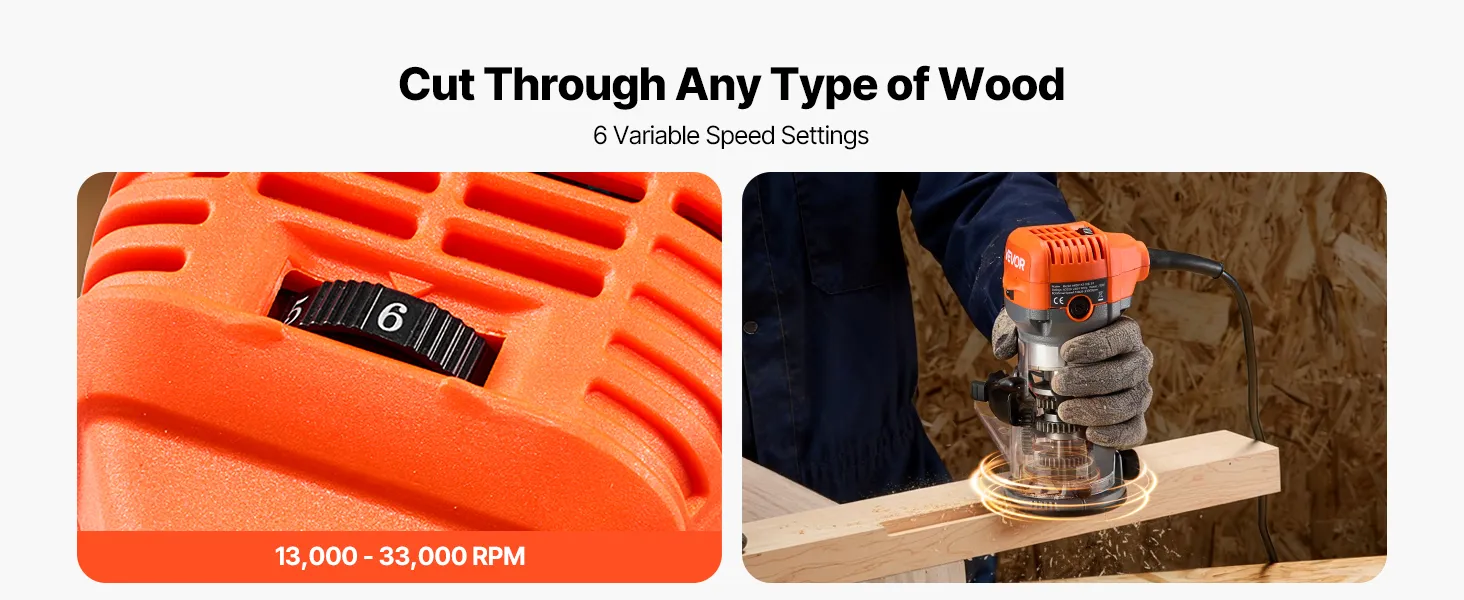
With a variable speed range of 13,000–33,000 RPM, this palm router is well suited for edge trimming, profiling, and detailed woodworking. This wider upper speed range is well suited for small-diameter bit operations such as spiral upcut bits, small roundover bits, and V-groove bits. Higher speed settings are ideal for small-diameter bits, helping produce smooth, clean cuts.
Fixed Base Design for Stable, Consistent Depth Control During Edge Trimming
The variable speed palm router features a fixed base that keeps the motor at a constant height relative to the base plate. This keeps the bit extension in a fixed position on the work surface during the cut. With a plunge base, plunge routers use spring-loaded guide columns. The fixed base helps maintain a consistent cutting depth once it is properly adjusted.
Because the base remains fixed during operation, the fixed base is best for edge-profiling passes that need to maintain the same depth along the entire edge of a workpiece. This includes cabinet door profiles, tabletop roundovers, and laminate trimming. The fixed-base design provides stable support for edge-routing applications.
65 mm Motor Housing for Standard Router Table Mount and CNC Spindle Compatibility
The 65 mm diameter of the motor housing fits standard 65 mm router mounts. This is the most common router-mount standard used in CNC router tables, hobby CNC machines, and aftermarket router-table insert plates in Europe and Asia. The 65 mm motor housing is compatible with many standard 65 mm router mounts and router table systems.
The 65 mm housing fits many compatible router table mounting systems. This configuration is a simple setup that does not require the full-size base plate used with larger router models. This 65 mm compatibility is a significant practical benefit compared to palm routers with non-standard housing diameters that require special plates to mount on a table.
Six-Speed Dial from 13,000 to 33,000 RPM for Precision Matching to Bit and Material
The six-position speed dial lets the operator choose from six different RPM settings spanning from 13,000 to 33,000 RPM. This lets them match the rotational speed to the bit diameter, cutting-edge geometry, and type of wood they are working with. Matching the speed to the bit and material helps improve cutting results. If you go too fast with a large-diameter bit, the cut edge will get hot and burn, and if you go too slow with a small bit in softwood, the finish will be rough and fibrous instead of clean and crisp.
Instead of a continuous dial that is hard to get back to the same position between sessions, the six-speed setup gives you meaningful incremental steps between the lowest and highest settings. Each turn on the dial corresponds to a set speed that the operator can save for certain bit-and-material combinations and then reliably return to for repeat operations. This makes it possible for multiple pieces of the same project or production batch to have the same results.
Variable Speed Palm Router with Soft Start for Vibration-Free Entry and Controlled Cutting
When you flip the switch on this variable speed palm router, the soft-start system slowly increases the motor speed from 0 to the position you set on the dial. This is better than having the motor start up at full power right away. The torque spike of an instant-start motor is sent directly through the grip of a palm router, where the operator holds the tool with one or both hands on the motor housing. This feature can cause sudden movement at startup.
Soft start prevents this startup movement from accelerating by gradually speeding up during the first second of operation. This lets the operator place the router exactly where the cut starts and keep it there until the motor reaches full speed. This controlled entry is very important for freehand edge profiling because the starting position affects how the profile lines up with the workpiece edge throughout the routing pass.
Transparent Dust Hood, Parallel Guide, and 1/4 in Collet for Complete Routing Setup
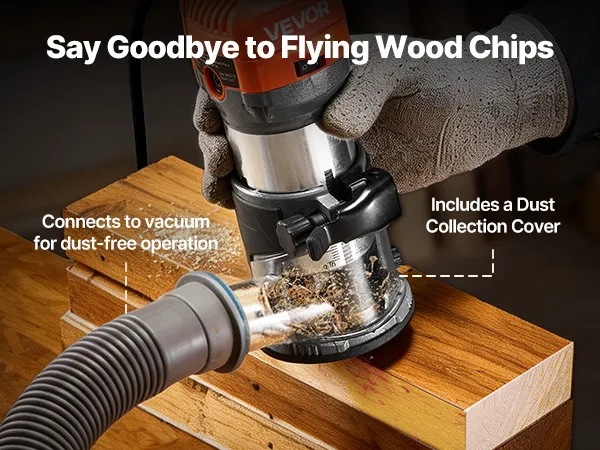
Attaching the clear dust hood to a vacuum hose and mounting it over the base hole collects chips and fine dust where they come from while still letting you see the bit contact zone and cut line through the hood body. The small size of this tool makes it easy to clean up dust while using a palm router. This is because the small base area concentrates chip production in a small area that the hood covers well, without the extraction gaps that happen with larger router base designs.
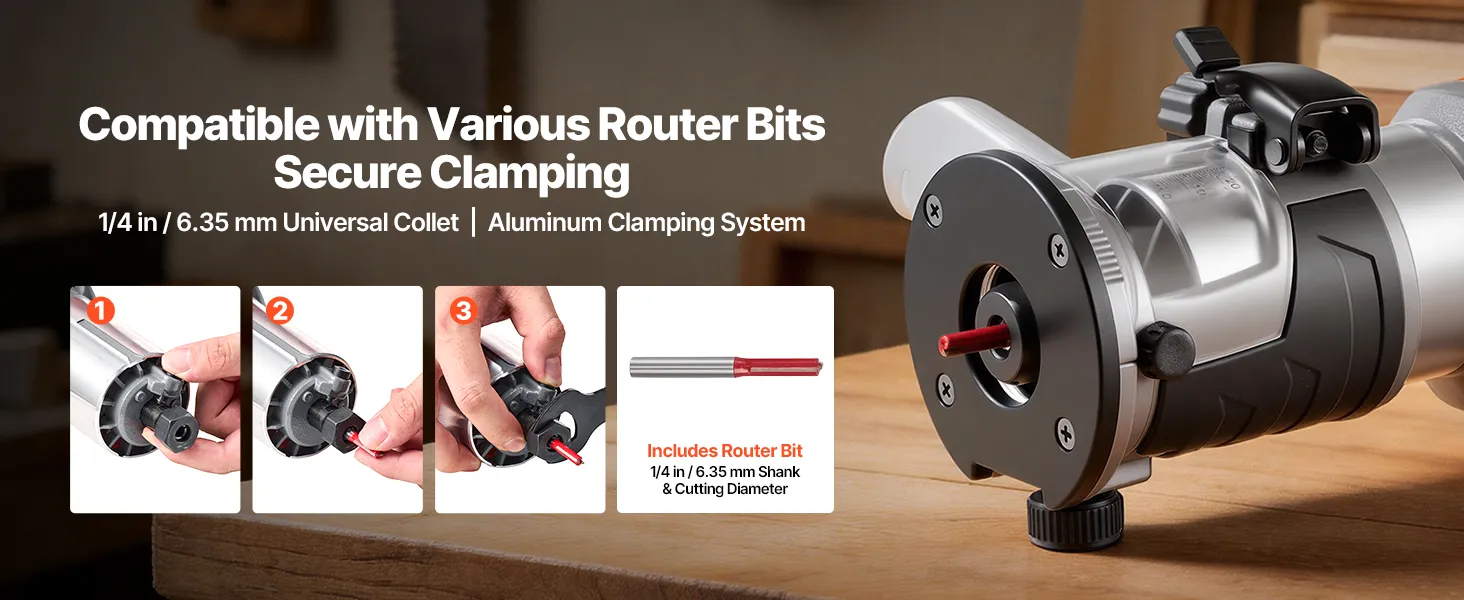
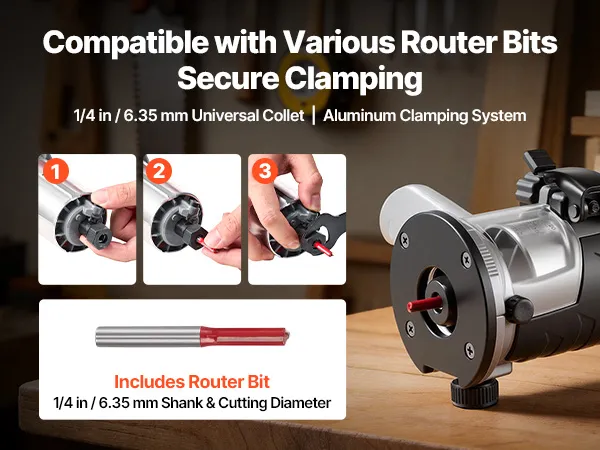
Attached to the base plate, the parallel guide moves along the edge of the workpiece, keeping the distance between the edge and the bit center constant throughout the cut for straight-groove and channel operations. The 1/4 in (6.35 mm) collet and aluminum clamping system works with the 1/4 in shank bits that come with the router as well as a wide range of standard aftermarket 1/4 in shank profiles. This means that even though this router is small, it can use the same bit library as full-size routers.