Deals
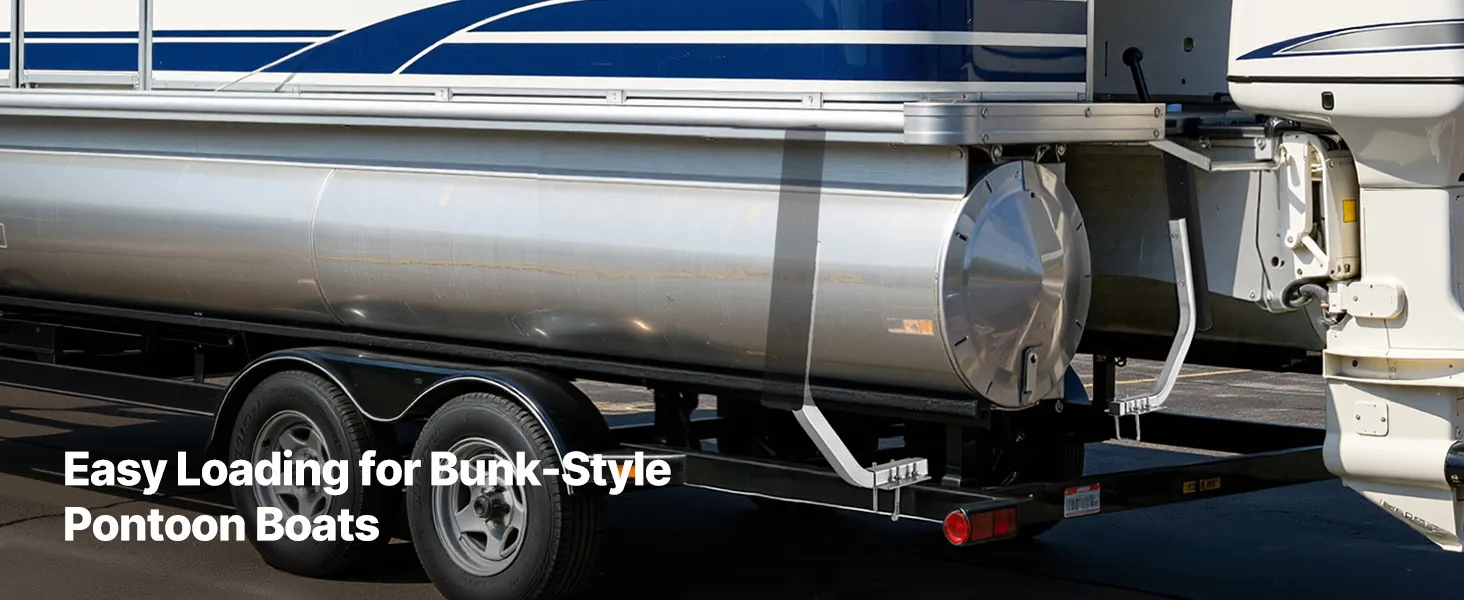
VEVOR Boat Trailer Guides, 30 mm Adjustable Width Trailers Guide, 2PCS High-Hardness Steel Trailer Guide-Ons with Thick Support Pads, Fits L-Beam, Box or C-Channel Bunk-Style Pontoon Trailers


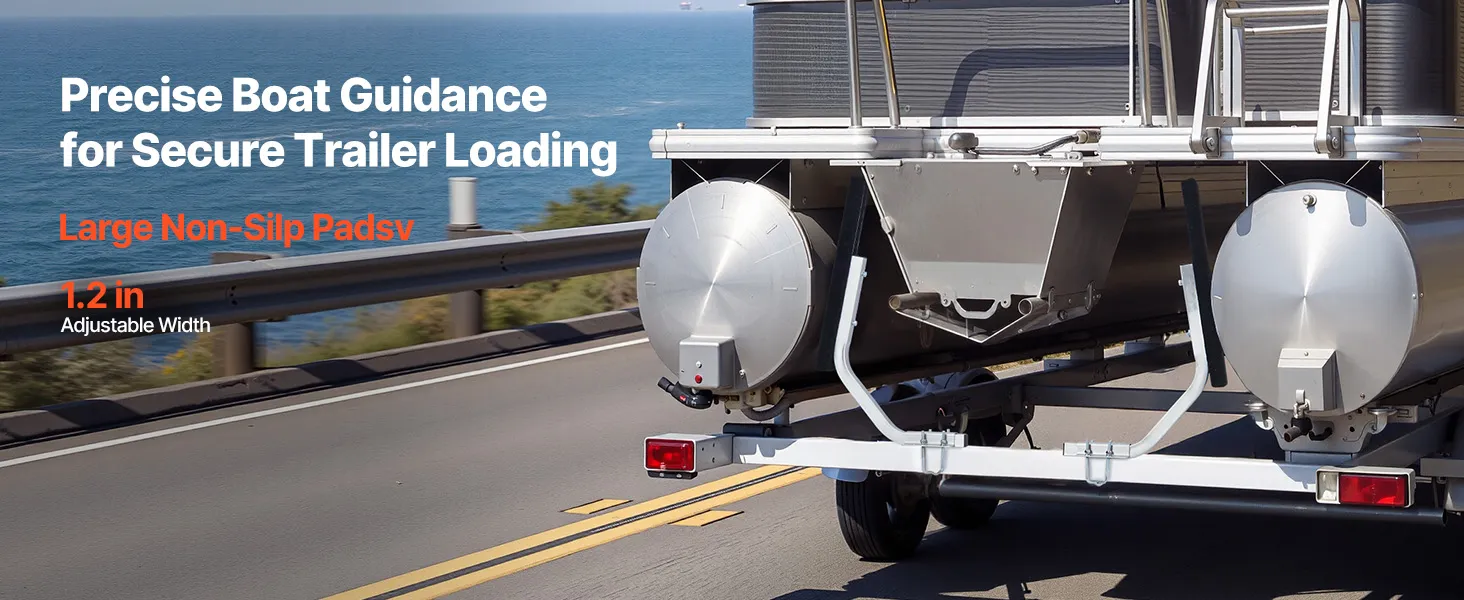
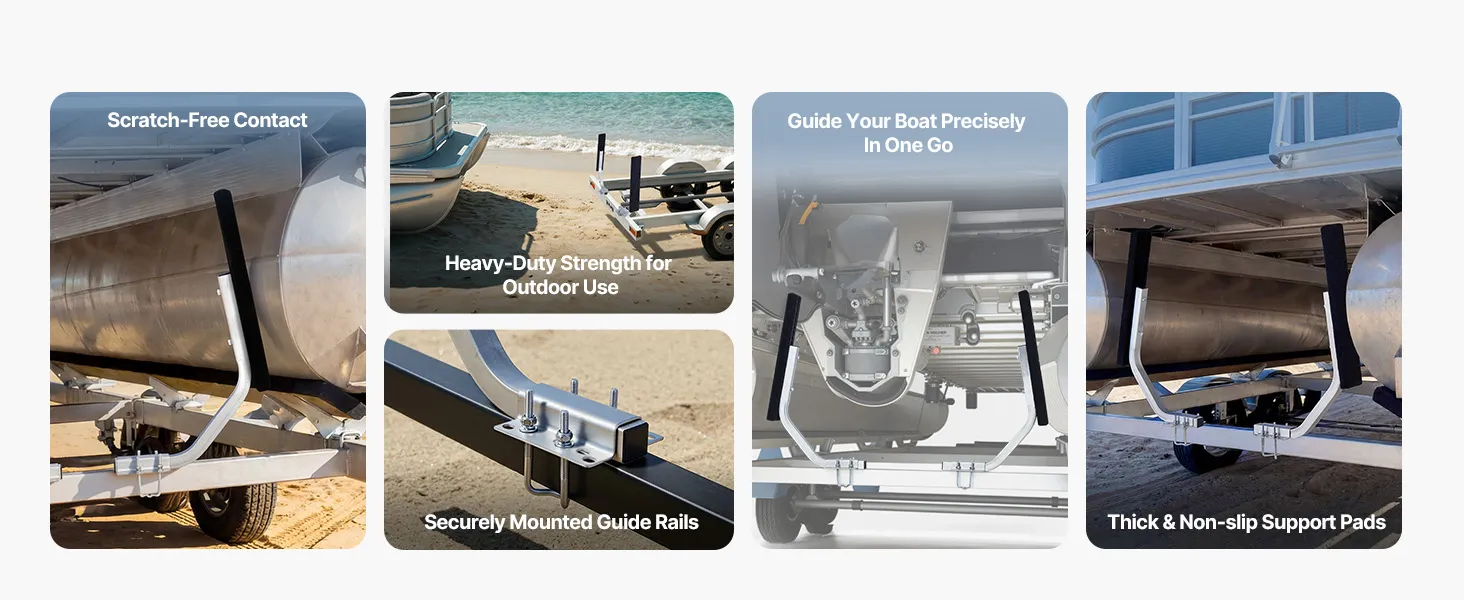
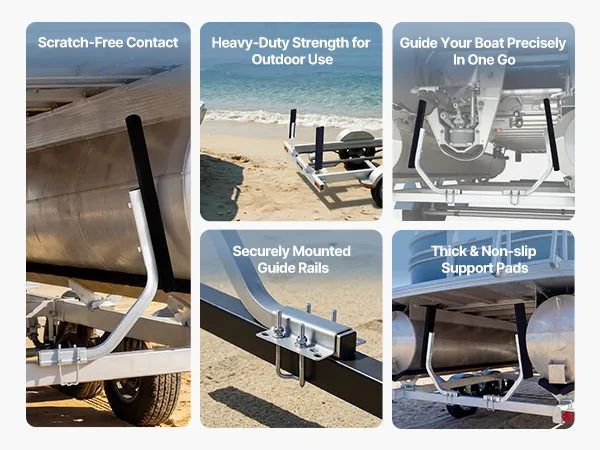
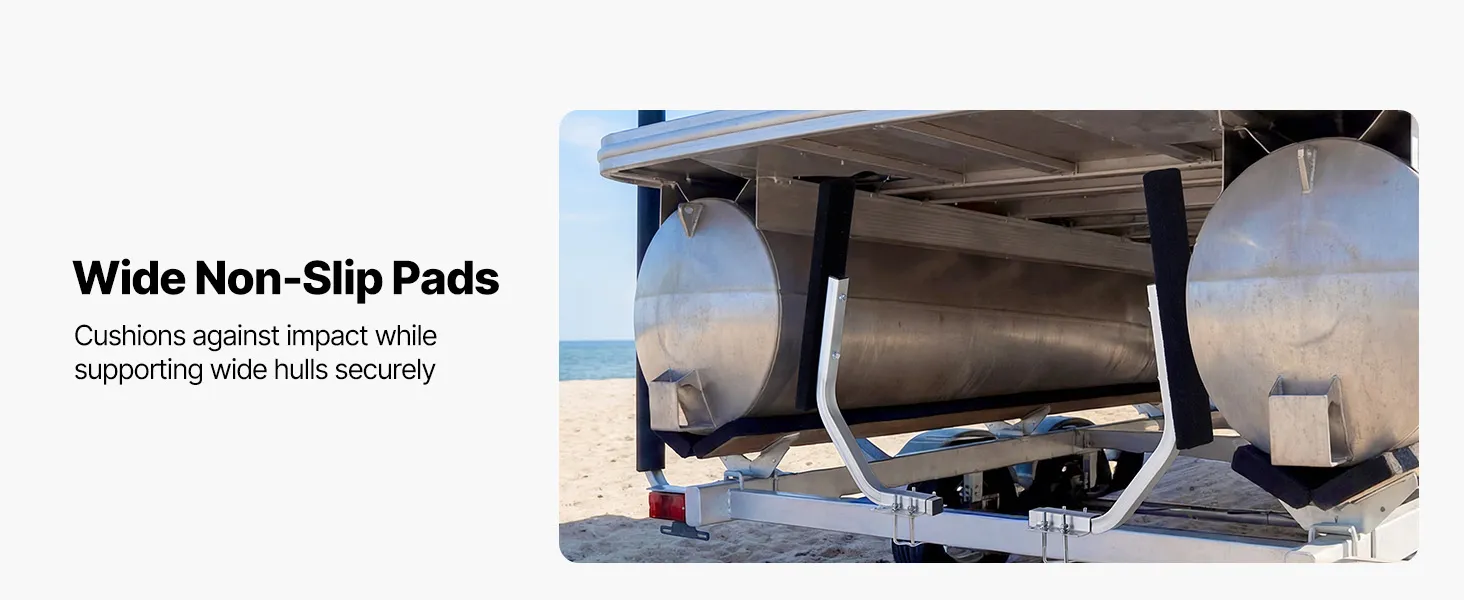
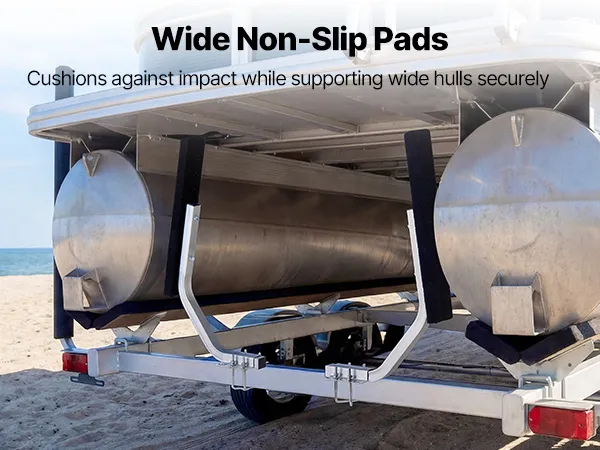
- Non-Slip Pad Boat Trailer Guides: Extra-wide, thick support pads offer greater hull contact for easier alignment during loading. The soft, non-slip fabric surface protects your boat’s finish and avoids scratches
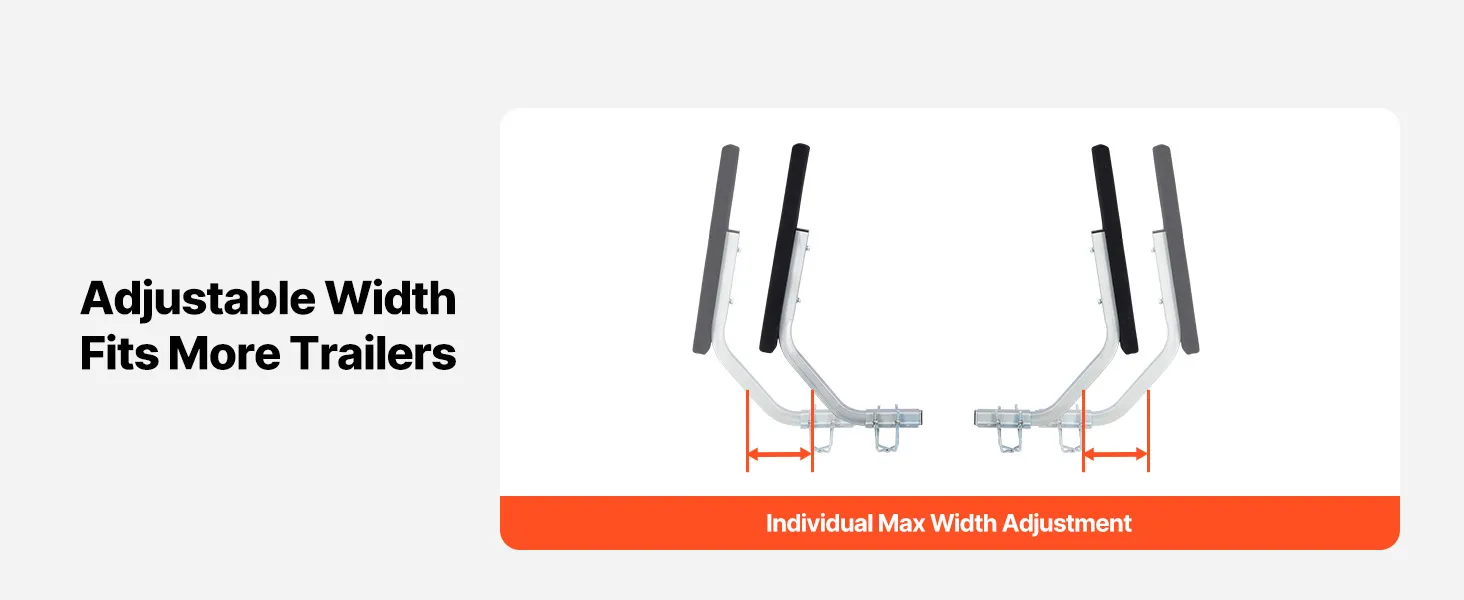
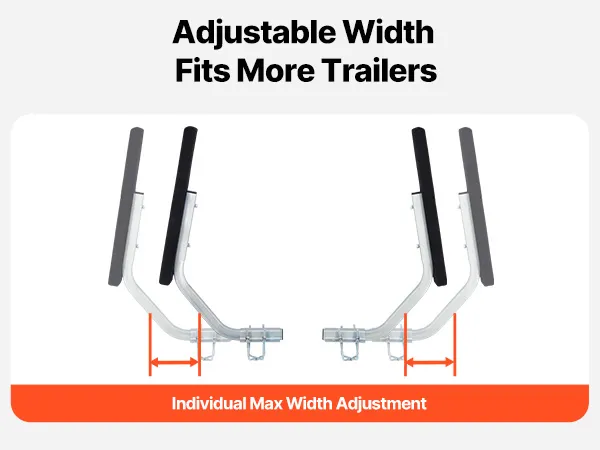
- Adjustable Width: Guide rails with up to 1.2 in (30 mm) of individual max width adjustment for a secure, custom fit—ideal for bunk-style pontoon trailers with box, C-channel, or L-shaped frame beams
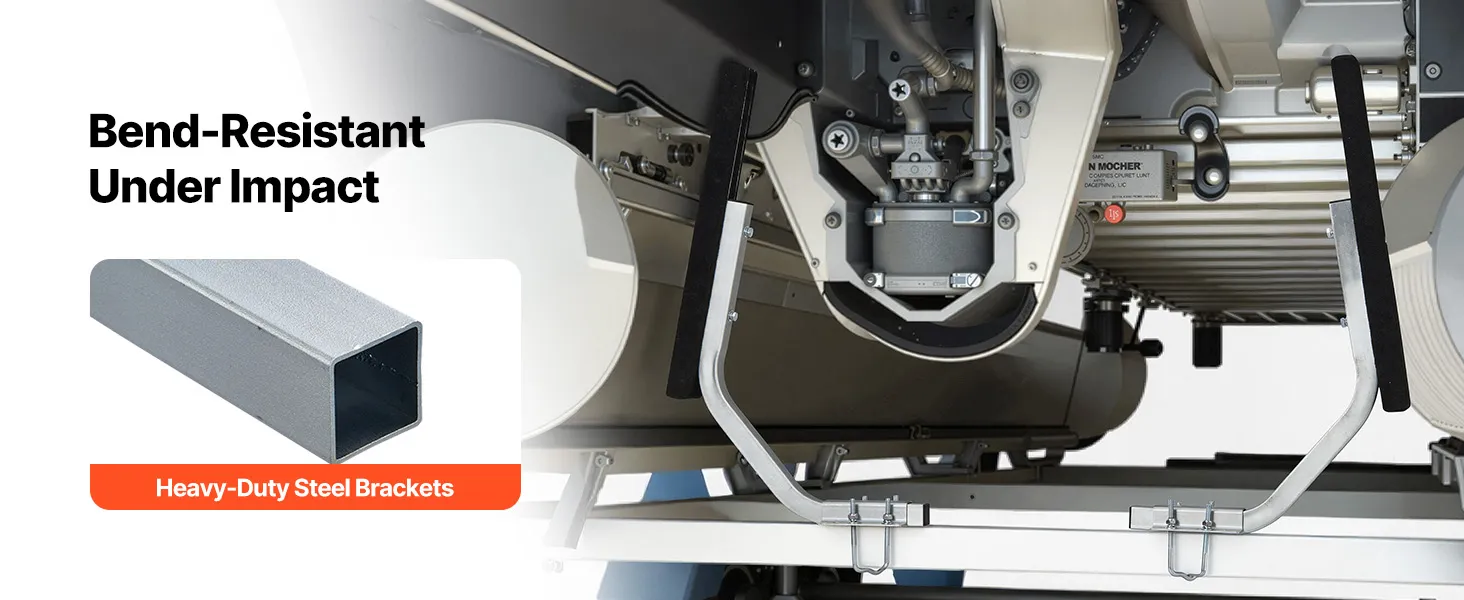
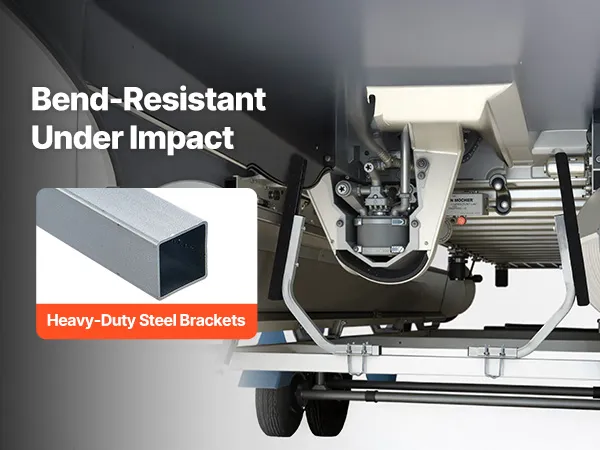
- Heavy-Duty Steel Construction: Built with thick, reinforced steel for superior strength and durability to bending or breakage—even under boat impact during transport
- Galvanized Coating: The heavy-duty steel bracket features a galvanized coating, designed for use in freshwater environments and built specifically for boat loading. The top cap helps keep rainwater from entering
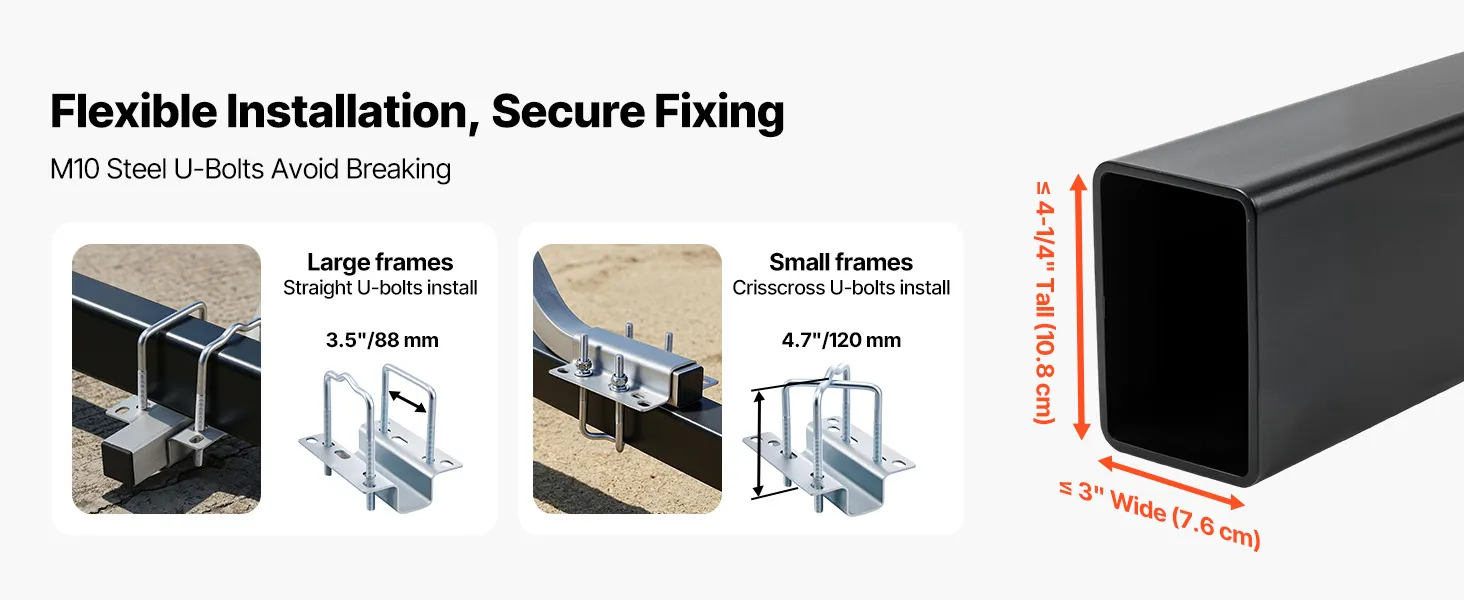
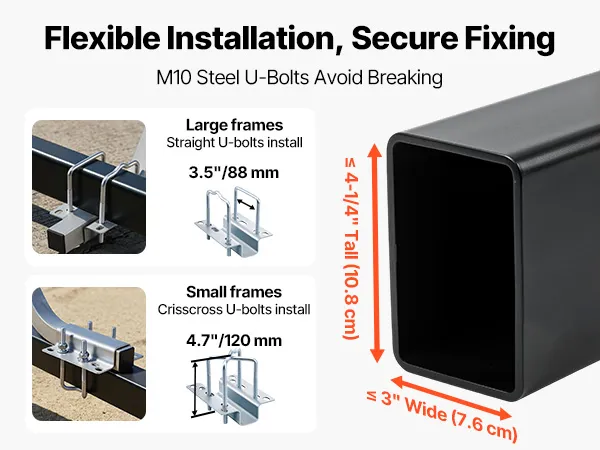
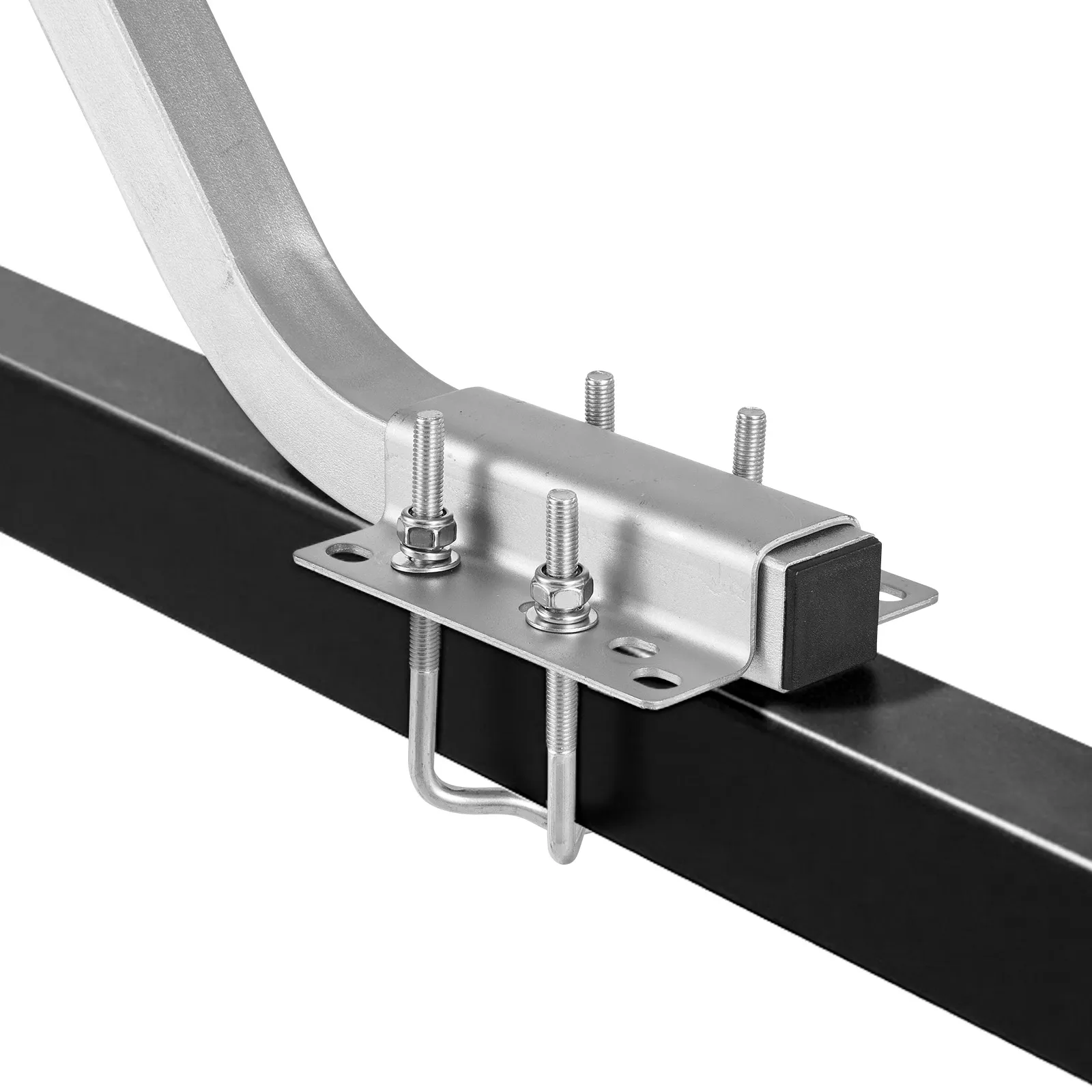
- 2 Mounting Options: Fits trailer frames up to 3 in (7.6 cm) wide and 4-1/4 in (10.8 cm) tall. Choose between two secure installation methods to match large or small trailer beams. Includes high-strength M10 U-bolts that stay tight and won’t loosen or snap over time
Frequently Bought Together
Reviews
About this item


Adjustable Boat Trailer Guides with Anti-Slip Fleece Wood Pads for Hull-Safe Loading
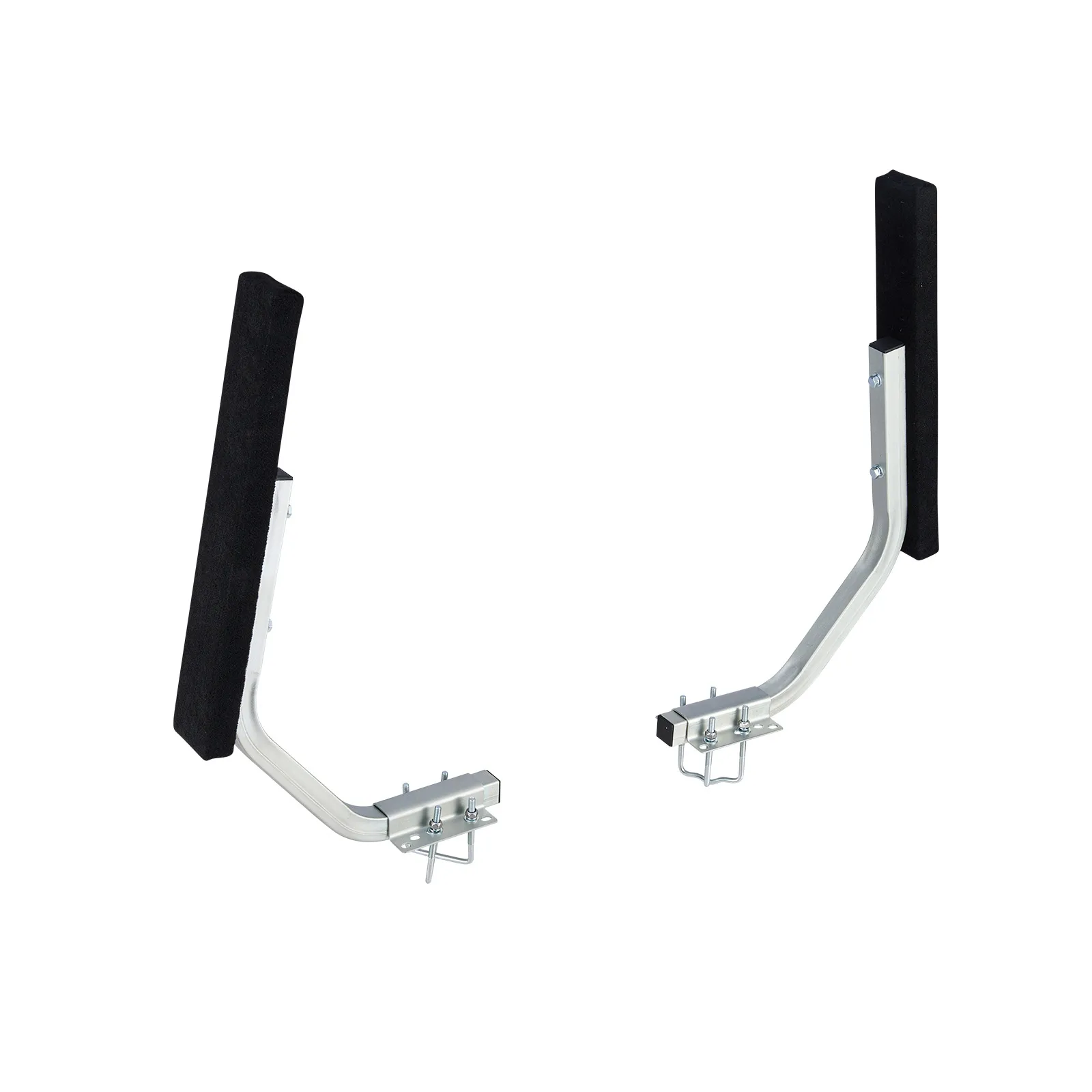
When you load and unload your boat from the trailer, the VEVOR adjustable boat trailer guides have wood support pads wrapped in non-slip fleece fabric. These pads keep the boat's hull from getting scratches, scuffs, and other surface marks. The fleece surface creates a soft, friction-rich contact zone that gently grips the hull during lateral correction without abrading gelcoat or painted surfaces. This helps protect fiberglass and aluminum pontoon hulls from scratches and surface scuffs during loading.
Additionally, the anti-slip fabric helps increase friction during loading, enhancing the grip between the guide surface and the hull at the point of contact. This provides additional grip between the guide and the hull, helping keep the boat aligned during loading. This controlled contact behavior makes hull guiding easier and more predictable than with bare steel or hard plastic guides, which provide less cushioning during contact.
Extra-Wide 24.4 in Support Pad for Broad Hull Contact and Easier Alignment
Each wood support pad measures 24.4 by 3.5 by 1.8 inches (620 by 90 by 45 mm), so it has a broad contact surface that presses against the hull across a wide range of vertical and horizontal areas rather than just one spot. The 24.4-inch pad length means that the guide touches the hull over a large part of its height during the alignment phase. This spreads the guiding force evenly across the contact zone rather than concentrating it at the pad's top or bottom edges.
Instead of applying more force per unit area to the hull surface during correction, this wide contact geometry lowers the risk of pressure marks or gelcoat compression on lighter hull materials. When loading wide-beam pontoon boats, the guide can contact the hull side, which has a large flat surface. The extra-wide pad provides a broader contact area during loading.
30mm Individual Width Adjustment for Custom Fit on Bunk-Style Pontoon Trailers
Each guide rail can move outward by up to 1.2 inches (30 mm) from the trailer frame. This lets the user set the exact distance between the rails to fit the boat's hull width. Because each side can be adjusted separately, the two guides can be set up symmetrically for a centered bunk layout, or moved out slightly to accommodate trailers that are not exactly symmetrical or whose bunk boards are not the same distance from the trailer centerline.
Many boat owners share a trailer with boats of different sizes, or have since bought a wider boat. The 30 mm adjustment range lets them adjust the guide spacing without buying new guides or modifying the trailer frame. By adjusting the width at the bracket mounting point and locking it in place with an M10 U-bolt before use, the set spacing stays stable during the loading and transport cycle.
Thick Reinforced Steel Body with Galvanized Coating and Rain-Blocking Top Cap
The thick, reinforced steel used to make the guide bracket keeps it from bending or deforming when the boat contacts it off-center during the loading approach. Impact-damaged guides lose their set position and slowly shift wider than the intended spacing, making it harder for them to straighten the hull during future loading events. The reinforced bracket helps maintain its position during repeated loading and transport.
The galvanized coating on the steel bracket helps prevent rust, even when it gets repeatedly wet with fresh water at the boat ramp. A top cap is built into the guide's design and sits atop the bracket assembly. This helps keep rain from entering the bracket opening while it is stored or hauled between uses. This cap helps prevent water from collecting inside the bracket, reducing moisture buildup and helping protect the steel from corrosion.
Adjustable Boat Trailer Guides with Two Mounting Options for Large and Small Beams
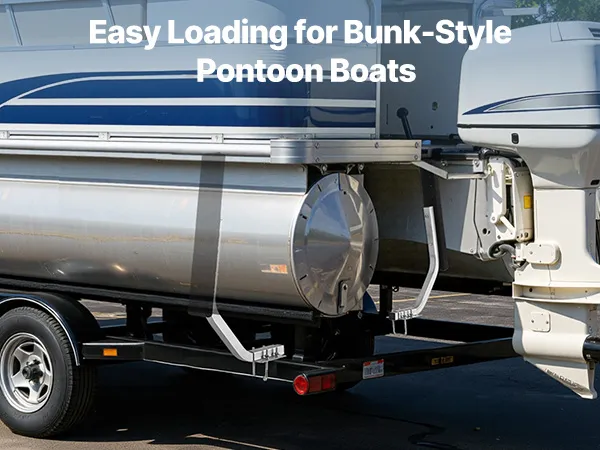
There are two different ways to install these adjustable boat trailer guides, which work with a wide range of trailer frame profiles and sizes used on flat-bottom and bunk-style trailers. The two mounting configurations can fit trailer frames that are up to 3 inches (7.6 cm) wide and 4.25 inches (10.8 cm) tall. This means they can work with standard L-beam, box section, and C-channel trailer frame beams without needing different hardware sets for each profile type.
The mounting option you use depends on the trailer frame profile.For larger beams, one configuration is used, and for smaller beams, the other. The M10 U-bolts that come with the kit are used for both methods. The U-bolt clamping method does not require any drilling, cutting, or permanent modifications to the trailer frame. This means the guides can be moved along the length of the bunk or removed entirely without leaving any marks on the structure.
High-Strength M10 U-Bolts and Complete Hardware Kit for Tool-Simple Installation
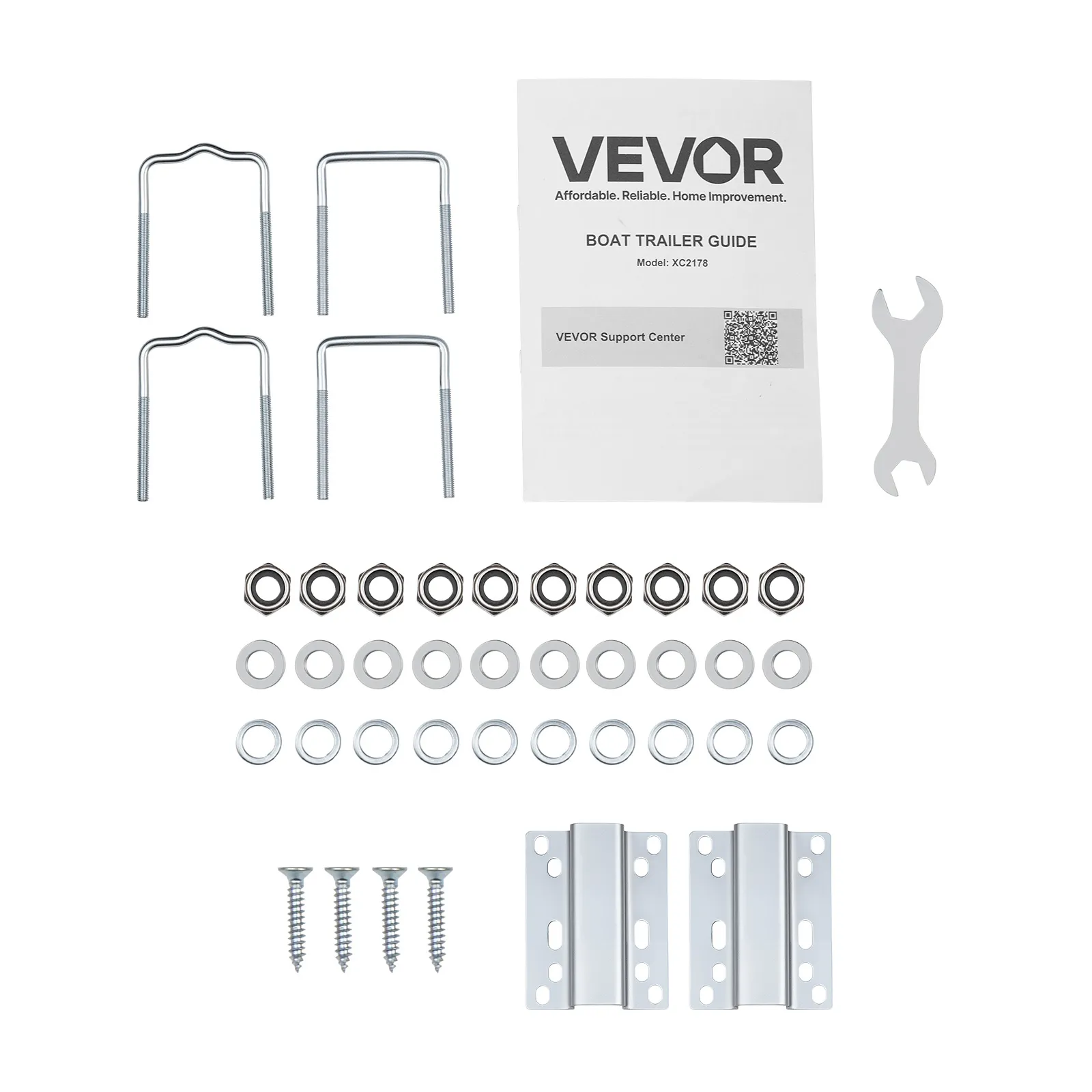
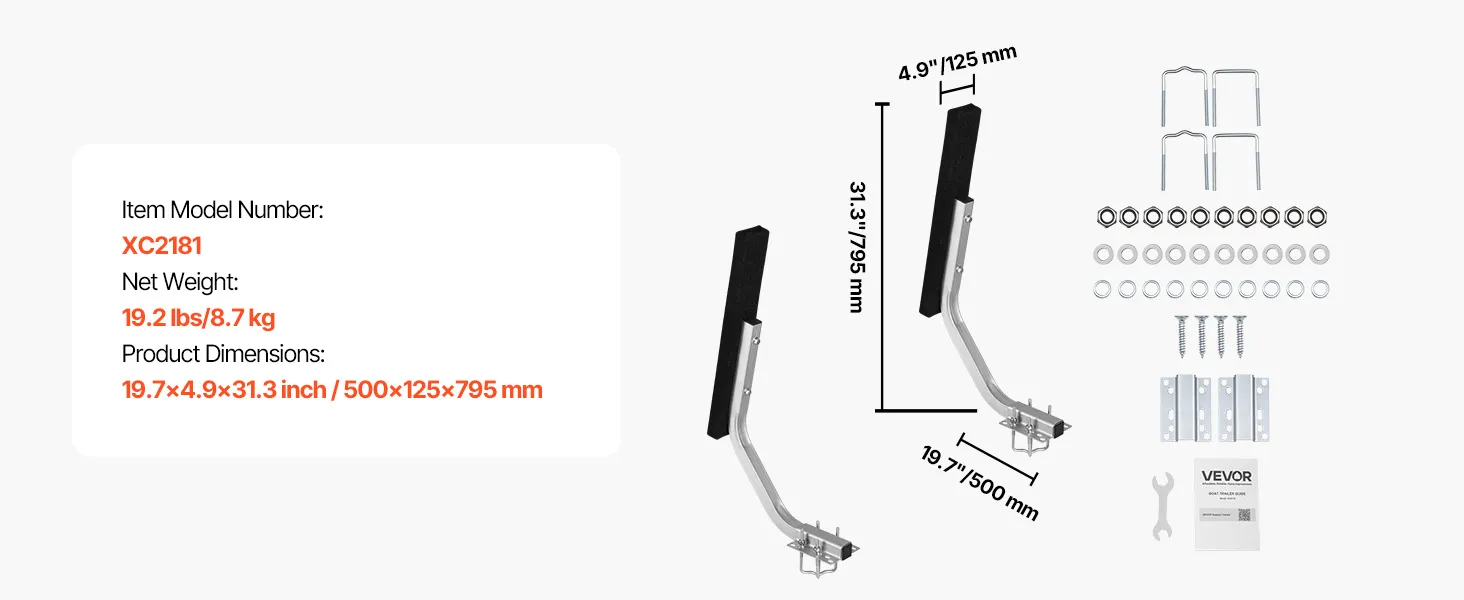
The adjustable boat trailer guides come with a full installation kit that includes the high-strength M10 U-bolts, all the nuts and washers that go with them, and a wrench. The kit includes the required mounting hardware and a wrench. The M10 U-bolt specification provides each bracket with the clamping force it needs to stay firmly against the trailer beam, even after repeated impacts from the hull and road vibrations, so it does not come loose over time.
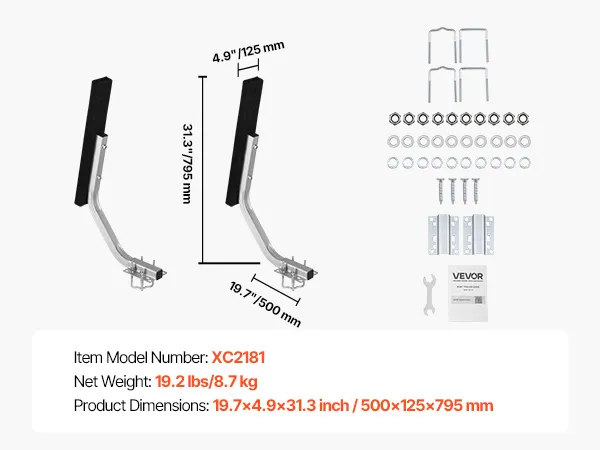
The 19.2 lb (8.7 kg) assembled weight reflects the heavy-duty steel construction and solid wood pads. Rounded edges help reduce the chance of accidental scratches during installation and loading.