Deals
VEVOR Magnetic Drill, 1200W Motor 1.6 in Boring Diameter, 2810 lbf Electric Mag Drill Press, with 2 Coring Bits, Variable Speed, Drilling Machine for Metal Surface, Home Improvement Industry, Yellow

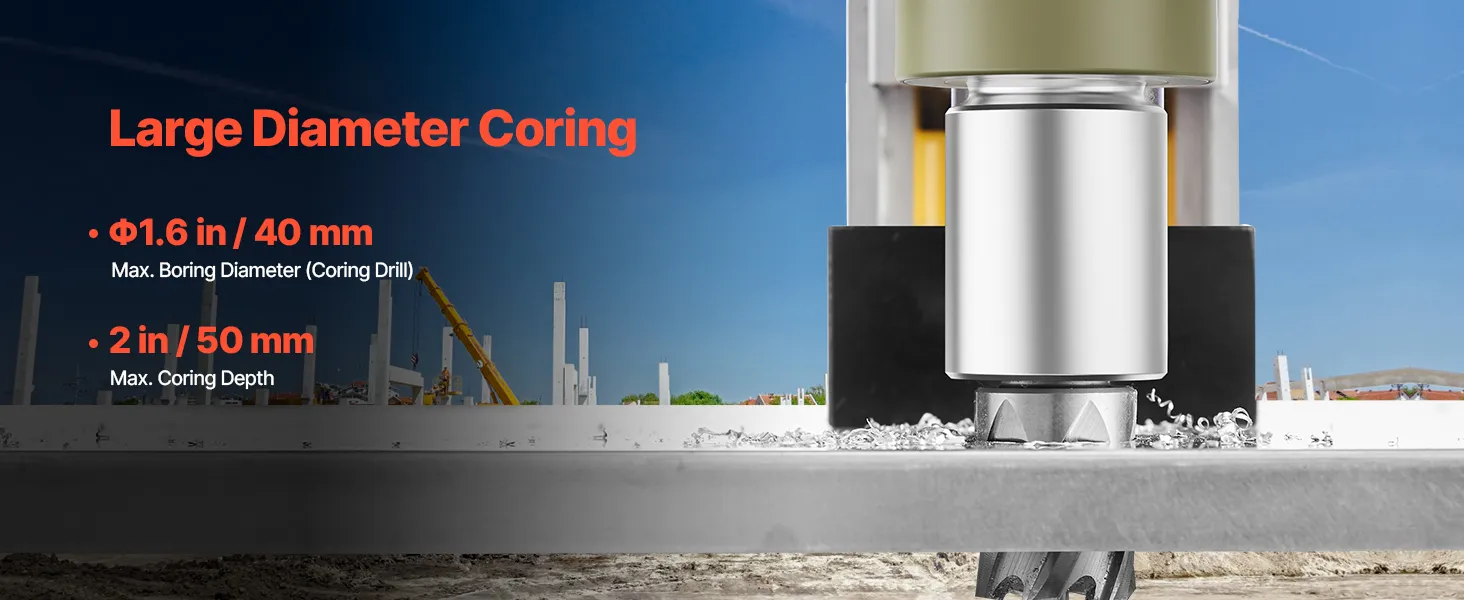
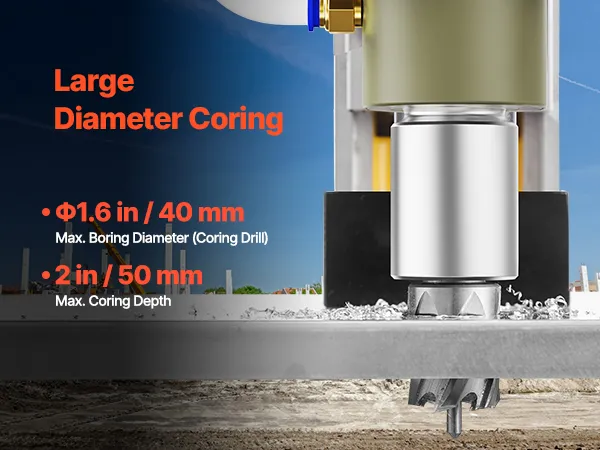
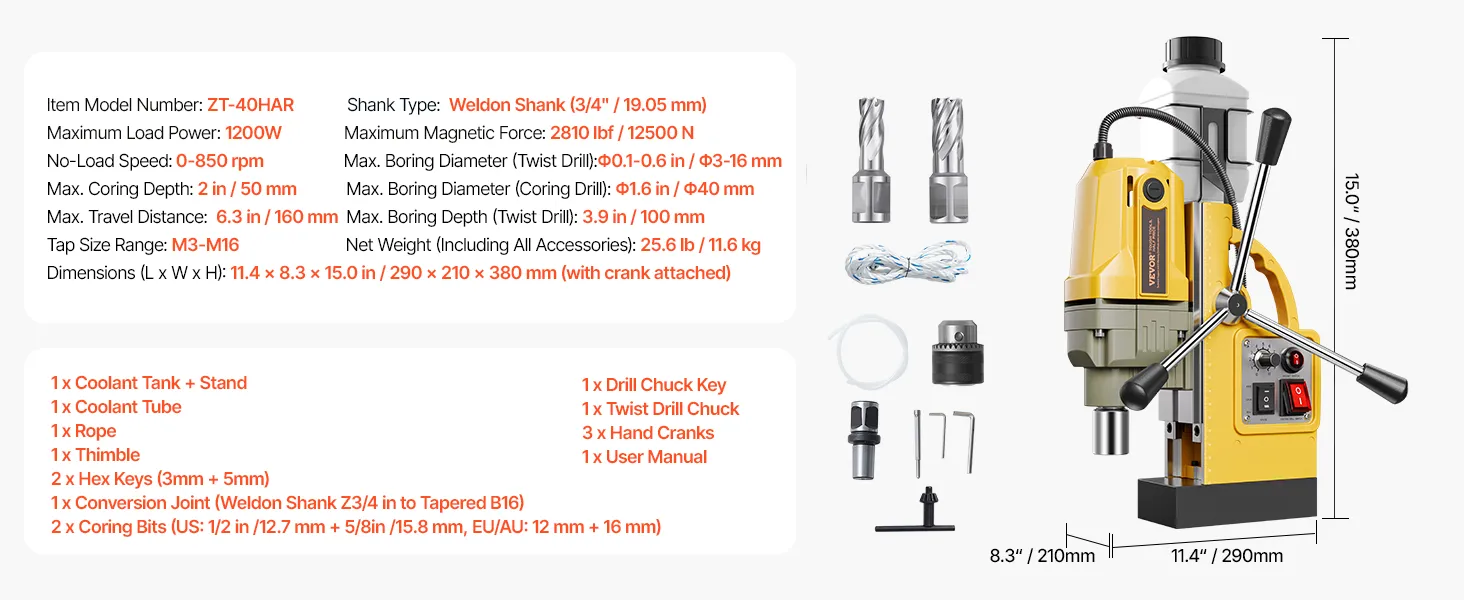
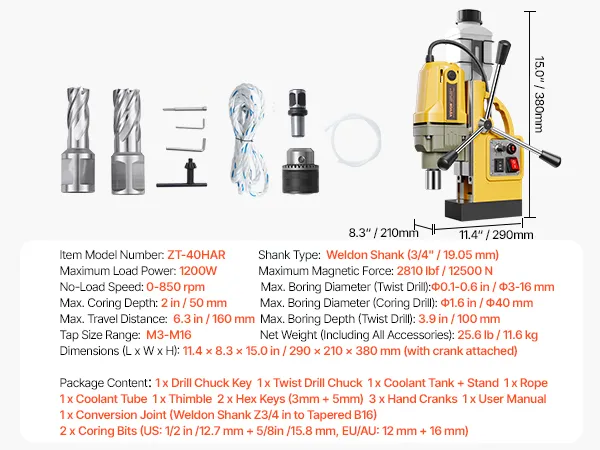
- Top-level Magnet: Get ready for unstoppable power! Our electric mag drill generates exceptionally powerful driving force with its 1200W copper motor. It is capable of drilling into the toughest material at 0-850 RPM. Max. Boring Diameter (Coring Drill): Φ1.6 in / Φ40 mm; Max. Coring Depth: 2 in / 50 mm
- Understand the Power: 2810 lbf / 12500 N of robust force is created by the electromagnetic thickened base, featuring pure iron anchors the mag drill press solidly works at any angle stably during the drilling process. Adjustable 10-speed gears achieve accurate and efficient operation according to different drilling diameter
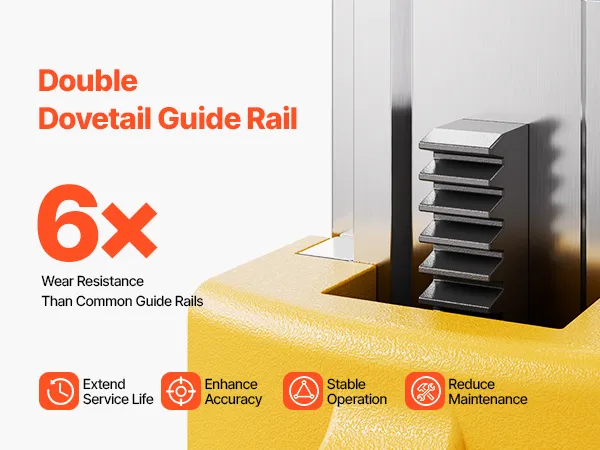
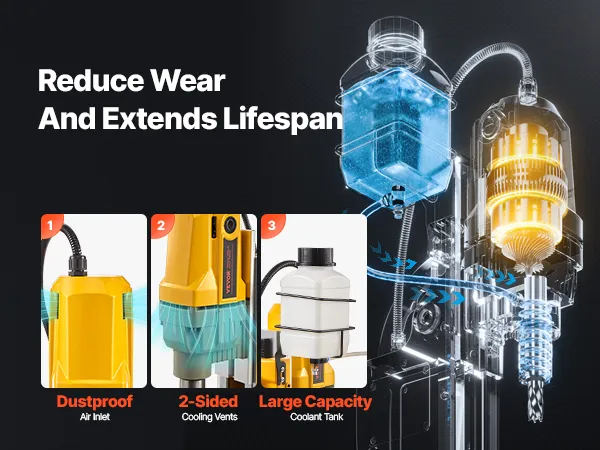
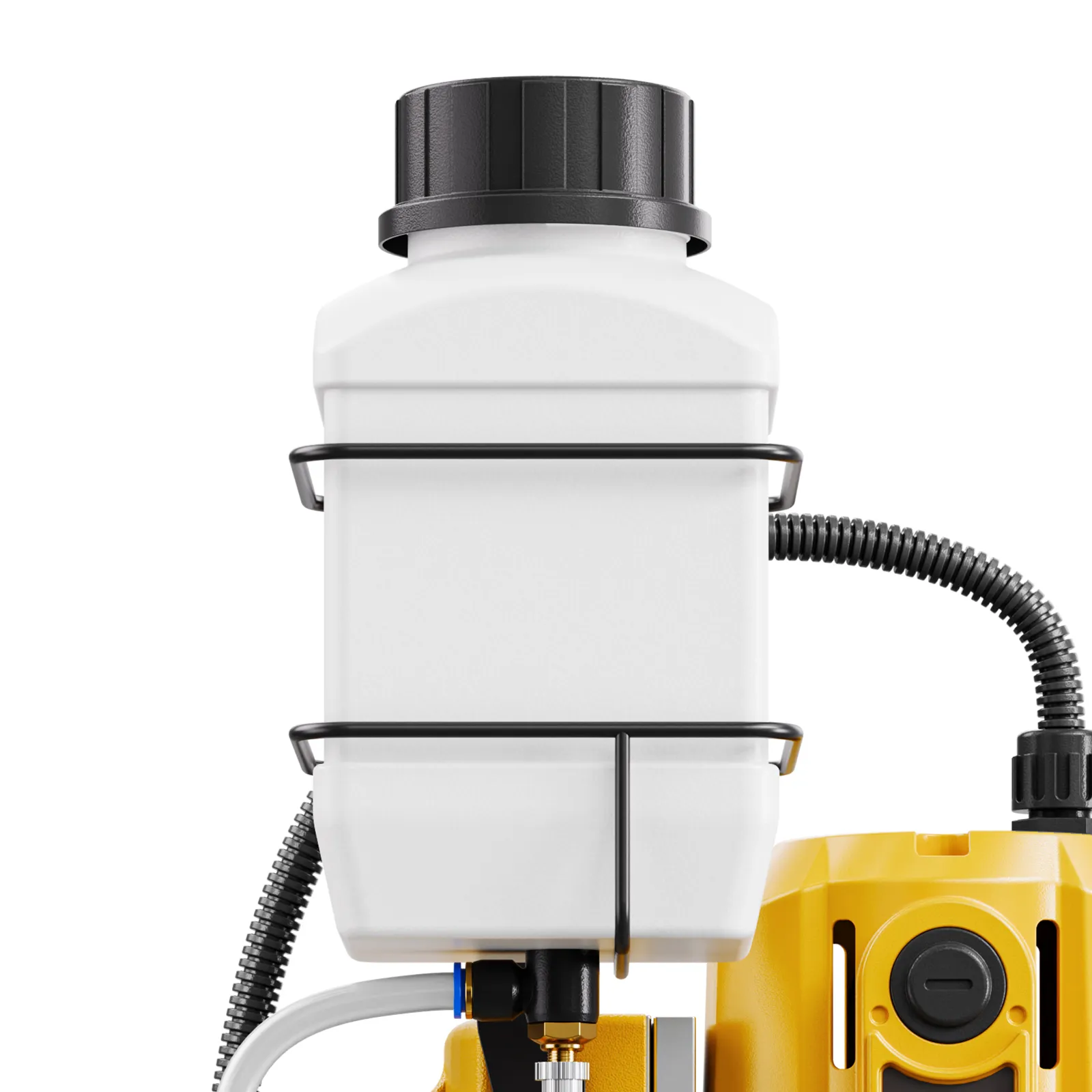
- Security and Durability: Your security comes first! That is why the combined overload protection features are in place. The cooling system features fast heat dissipation to protect operators from being hurt by instantaneous overpowering and high temperatures during drilling Besides, the titanium magnesium alloy guide rail has anti-corrosion and wear resistance characteristics, significantly improving the device's service life
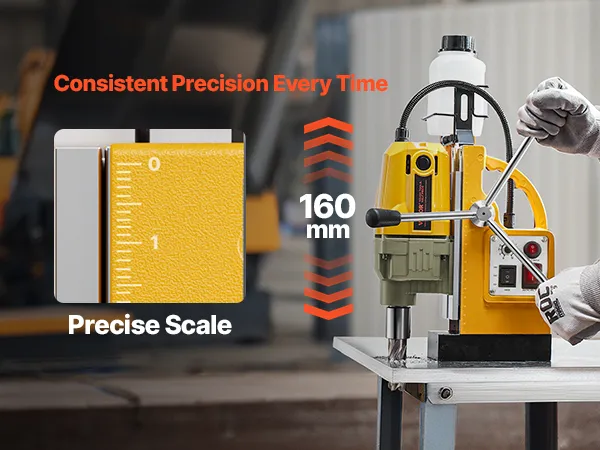
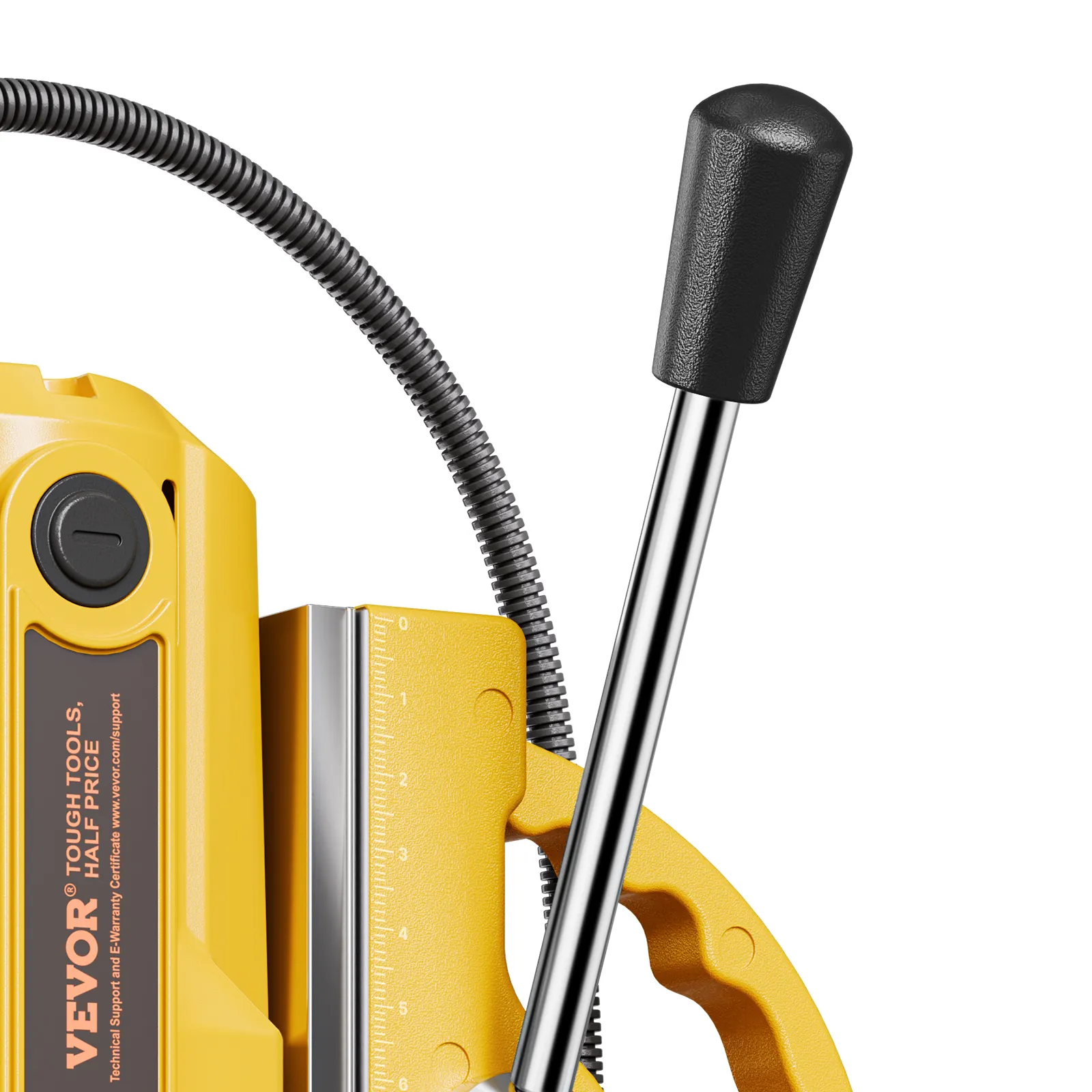
- User-friendly design: A scale has been added to the machine's frame to help users pinpoint the distance between the drill bit and the drilled material in millimeters. Even a novice can bore accurate and neat holes. In addition, the ergonomically designed handle and 3 extended cranks provide a comfortable grip during handling and moving, saving great effort
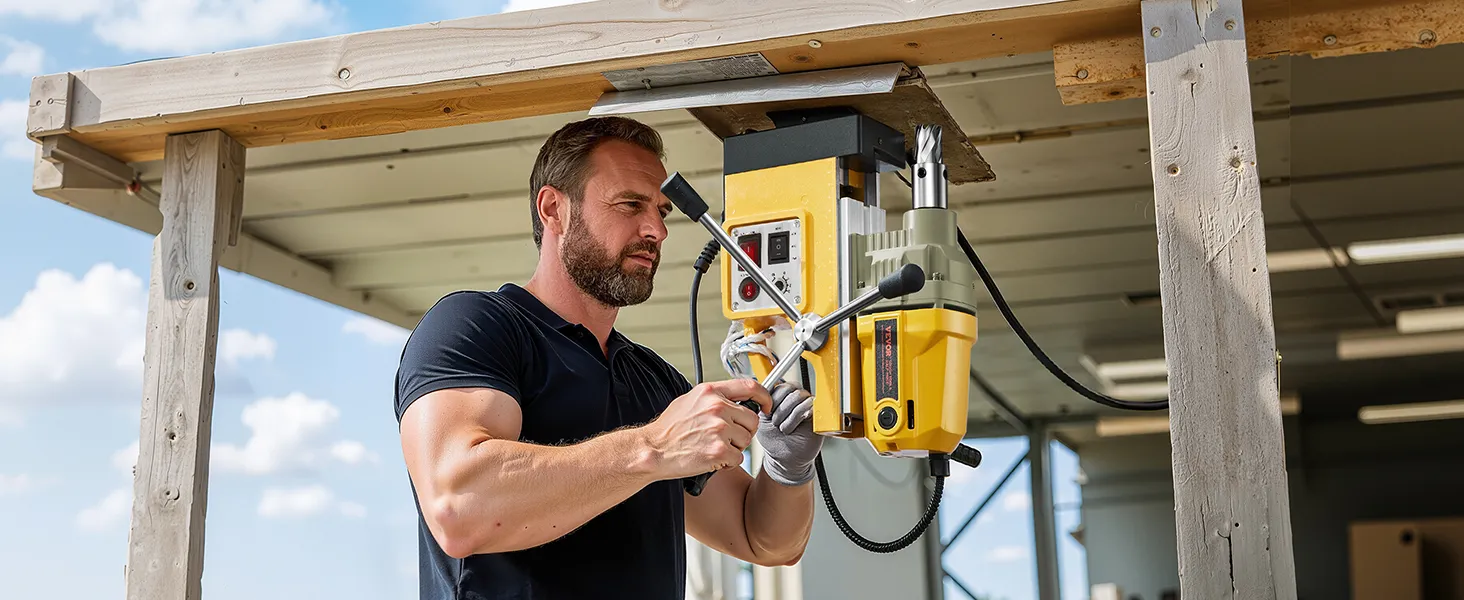
- Wide Applications: This versatile magnetic drill plays a vitally important role in home improvement, equipment installation, industrial and steel fabrication, ship and bridge building, railway manufacture, windmill & power-plant construction, and many other fields. Note: Ensure optimal use by adhering to a steel plate thickness of ≥ 0.39 in / 10 mm. Not suitable for stainless steel or cast iron. Please use a safety rope for inverted and horizontal drilling
Frequently Bought Together
Reviews
About this item


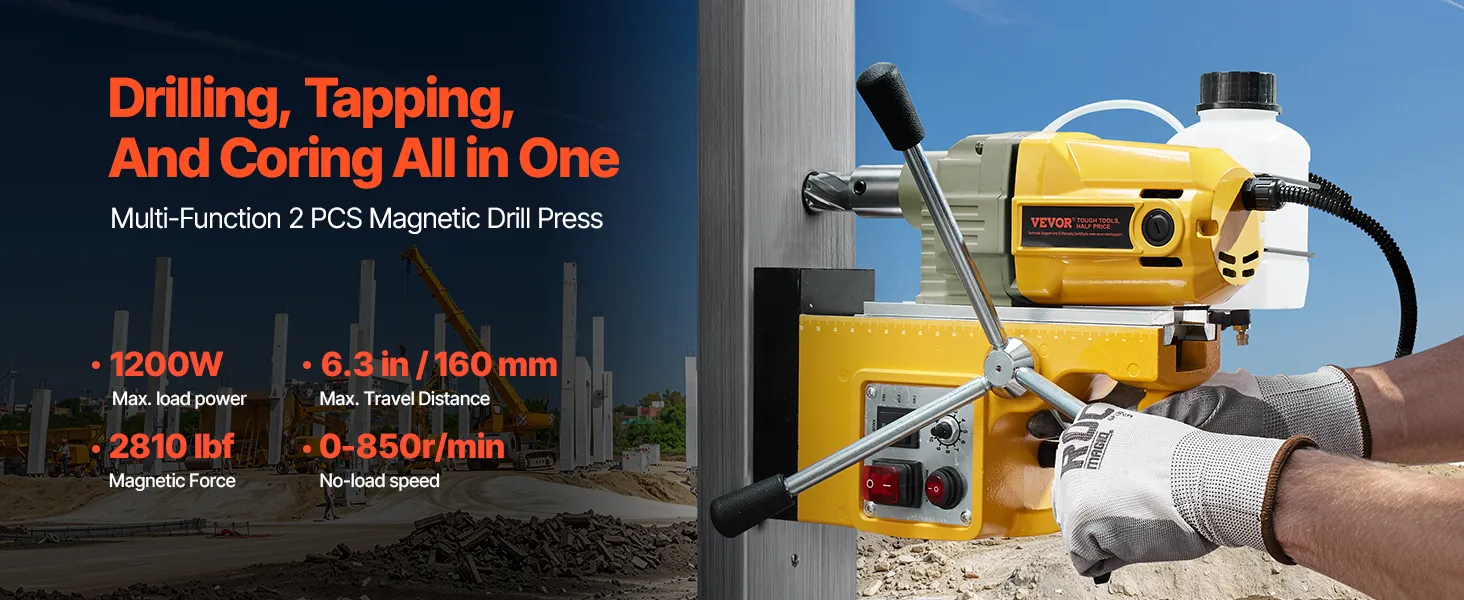
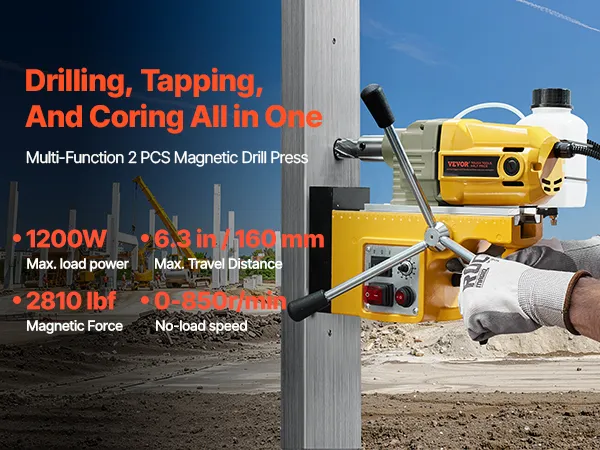

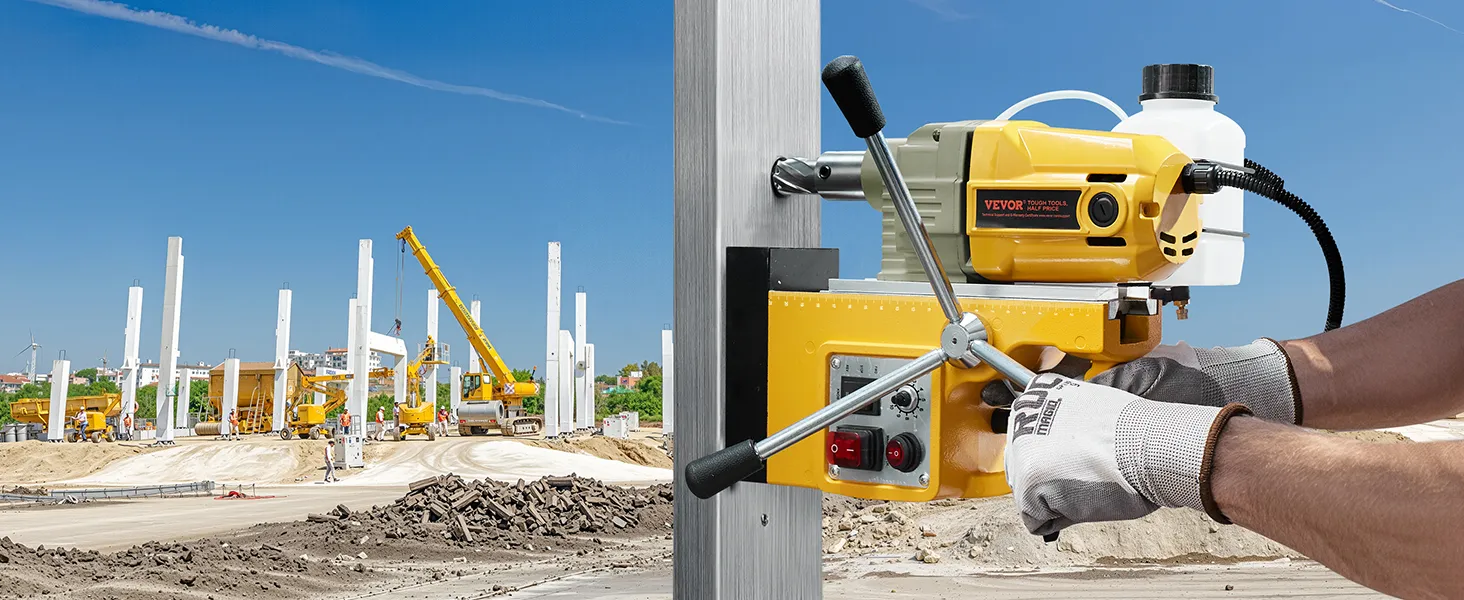

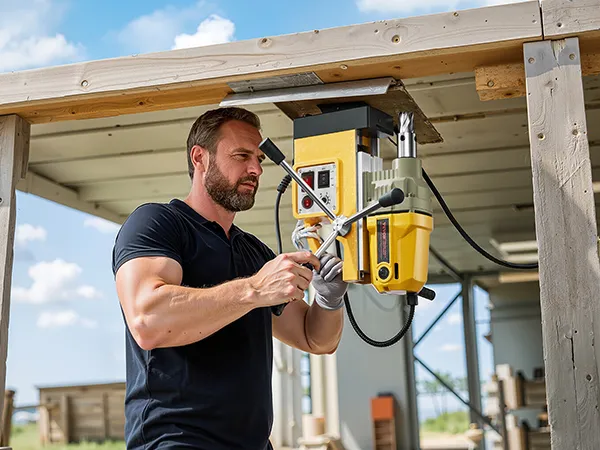
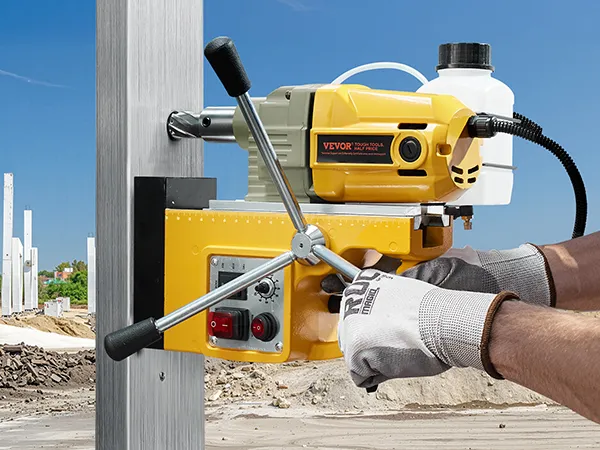
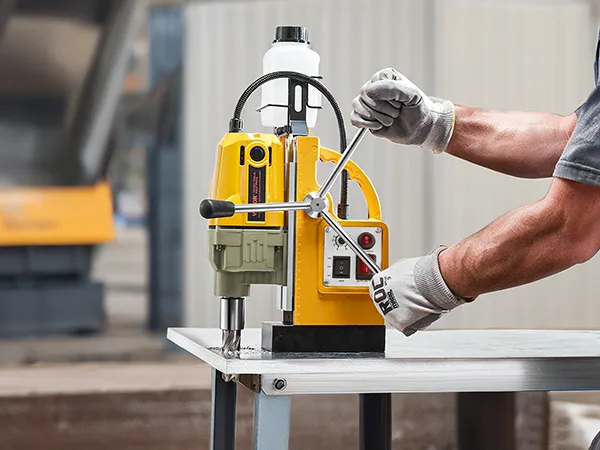
Electric Magnetic Drill with 1200W Motor and 2810 lbf Magnetic Force for Secure Drilling
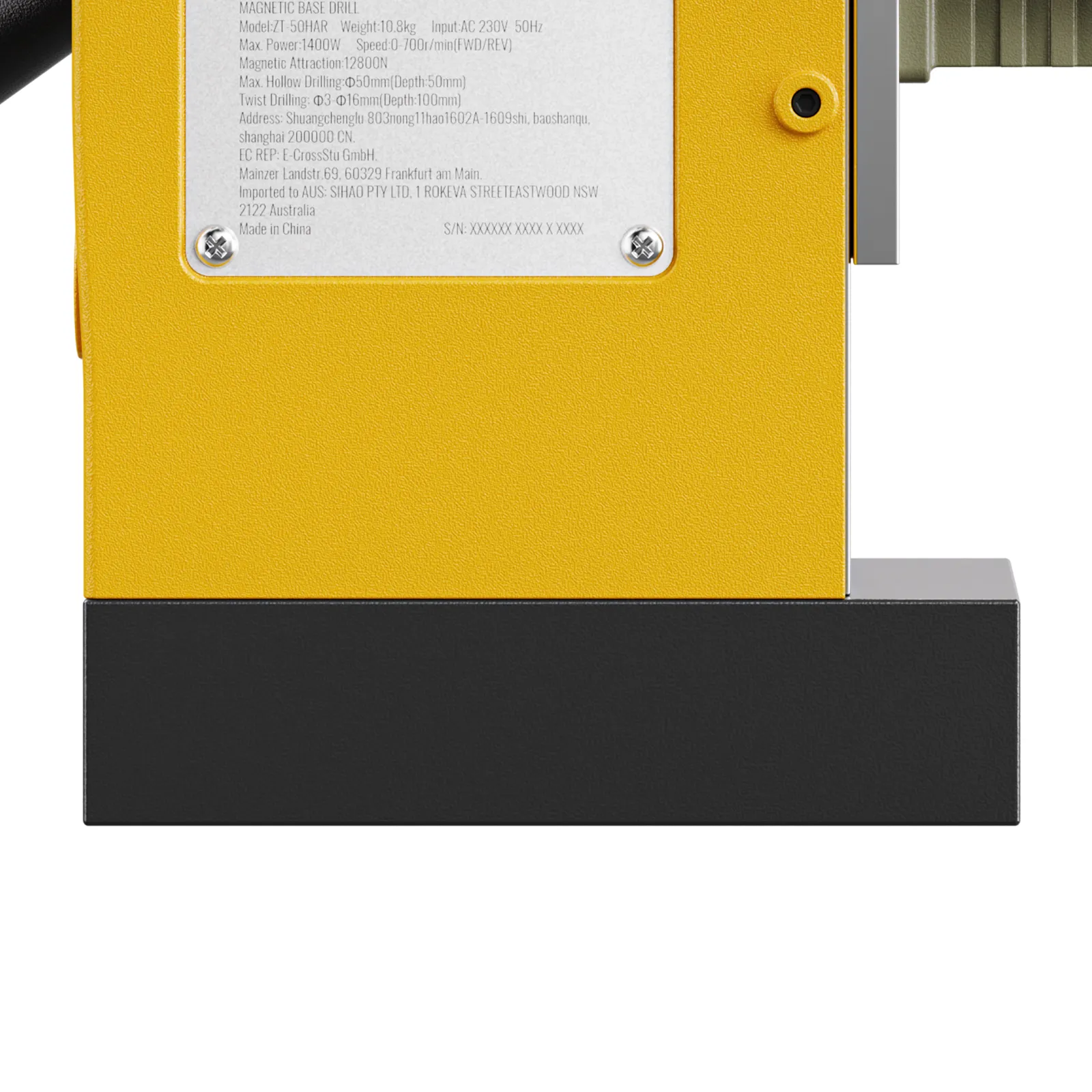
This electric magnetic drill is driven by a 1200 W copper motor with variable speed from 0 to 850 RPM, ensuring a constant driving force for any metal drilling job. The motor maintains steady output on the toughest metal surface, with no mid-bore torque drop as resistance builds. The electromagnetic thickened base of pure iron produces a holding force of 2810 lbf (12,500 N) to hold the machine to the work surface at any drilling angle, flat, inverted, or horizontal, over the whole stroke.
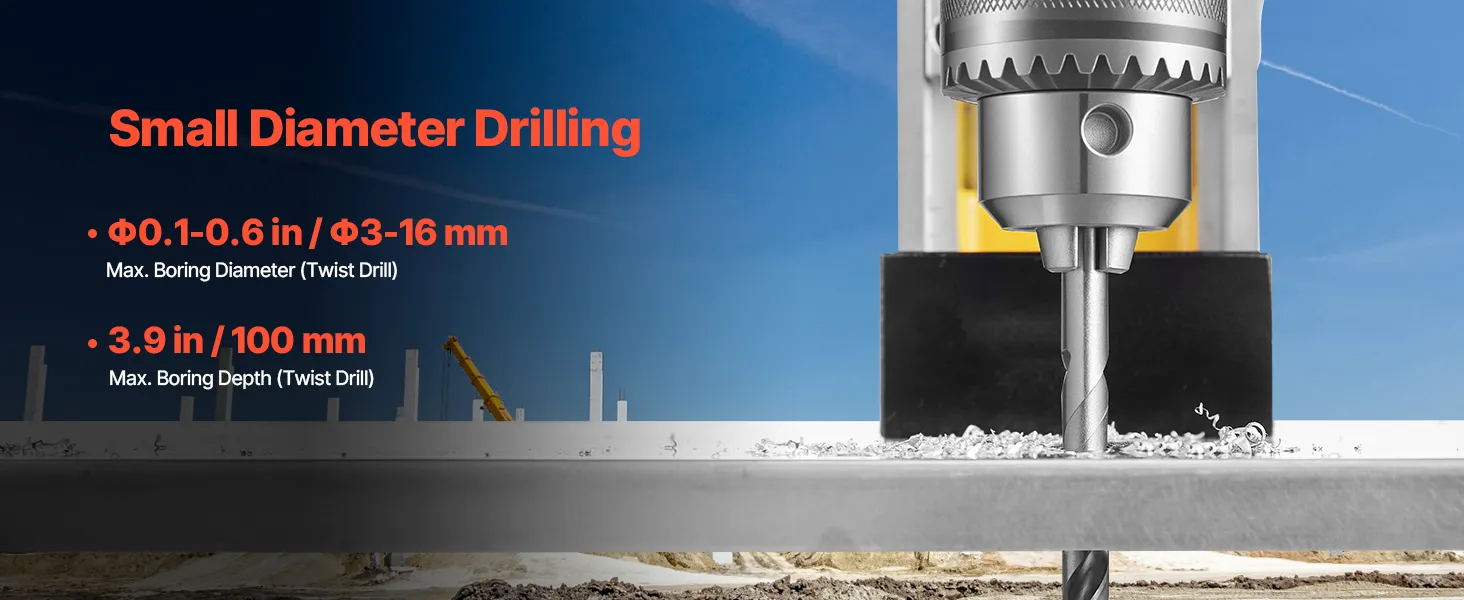
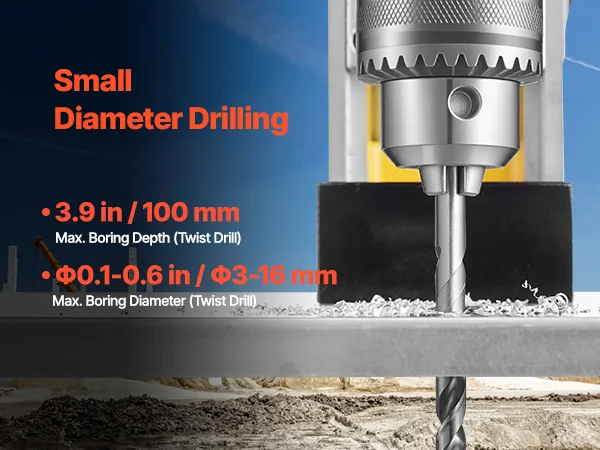
The main difference between a mag drill and a regular drill press is the magnetic force. The machine sits on the metal surface, with no clamping, bolting, or extra fixturing. The maximum coring diameter is Φ40 mm (Φ1.6 in), and the maximum coring depth is 50 mm (2 in). Twist drills can drill holes from Φ0.1 to 0.6 in (Φ3 to 16 mm) down to a depth of 3.9 in (100 mm), covering the bore sizes needed for industrial fabrication, installation, and structural work.
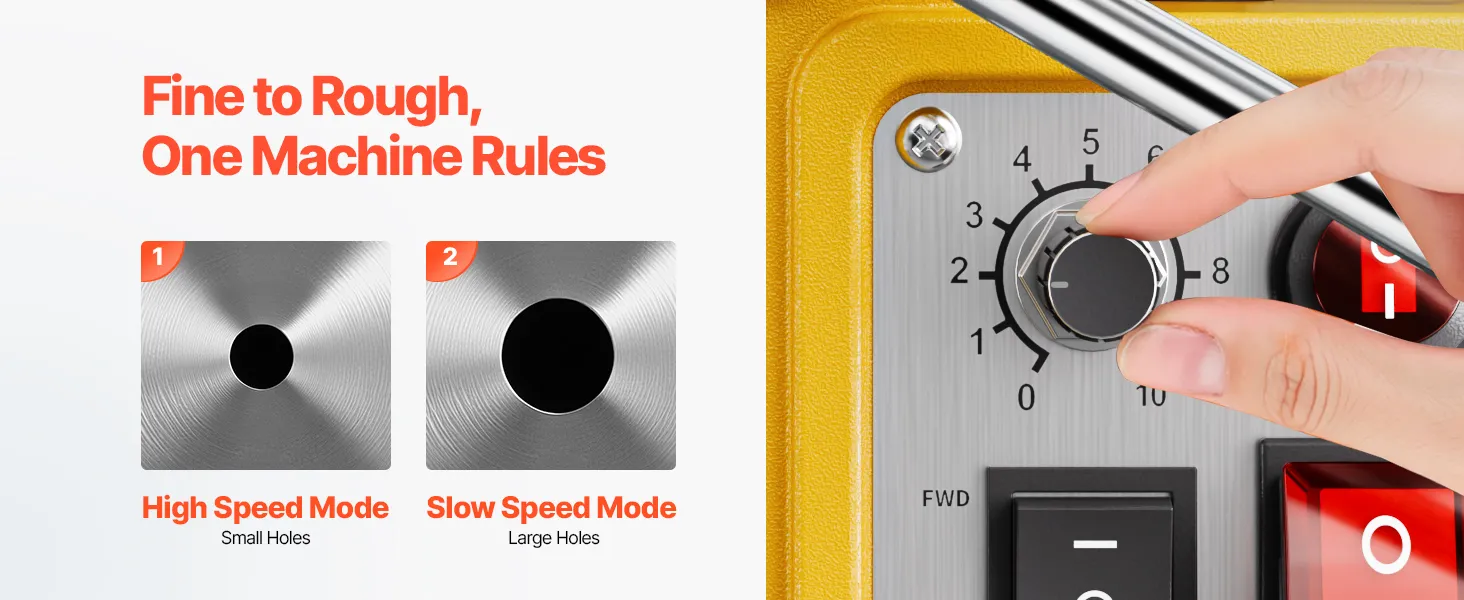
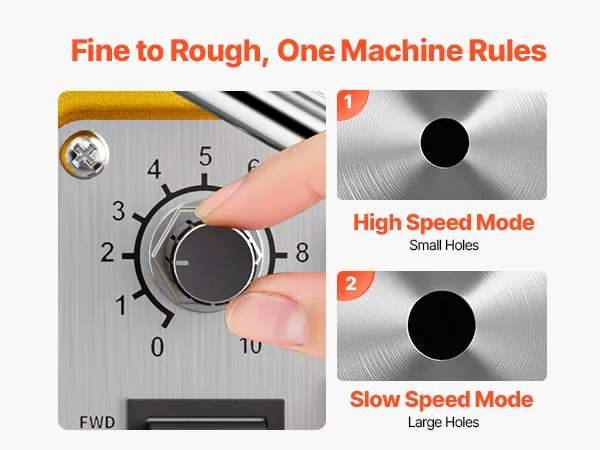
10 Speed Variable Control and 0-850 RPM Range for Accurate, Efficient Operation
The operator can set the rotational speed using 10 speed settings based on the drilling diameter and material thickness. Larger coring bits require lower RPM to cut cleanly and prevent premature wear. Smaller twist drills, on the other hand, operate at higher speeds without overloading the bit or creating excess heat at the bore face. The 0-850 RPM range covers the entire speed range, from slow, controlled, large-diameter coring to faster twist-drill operation in smaller holes.
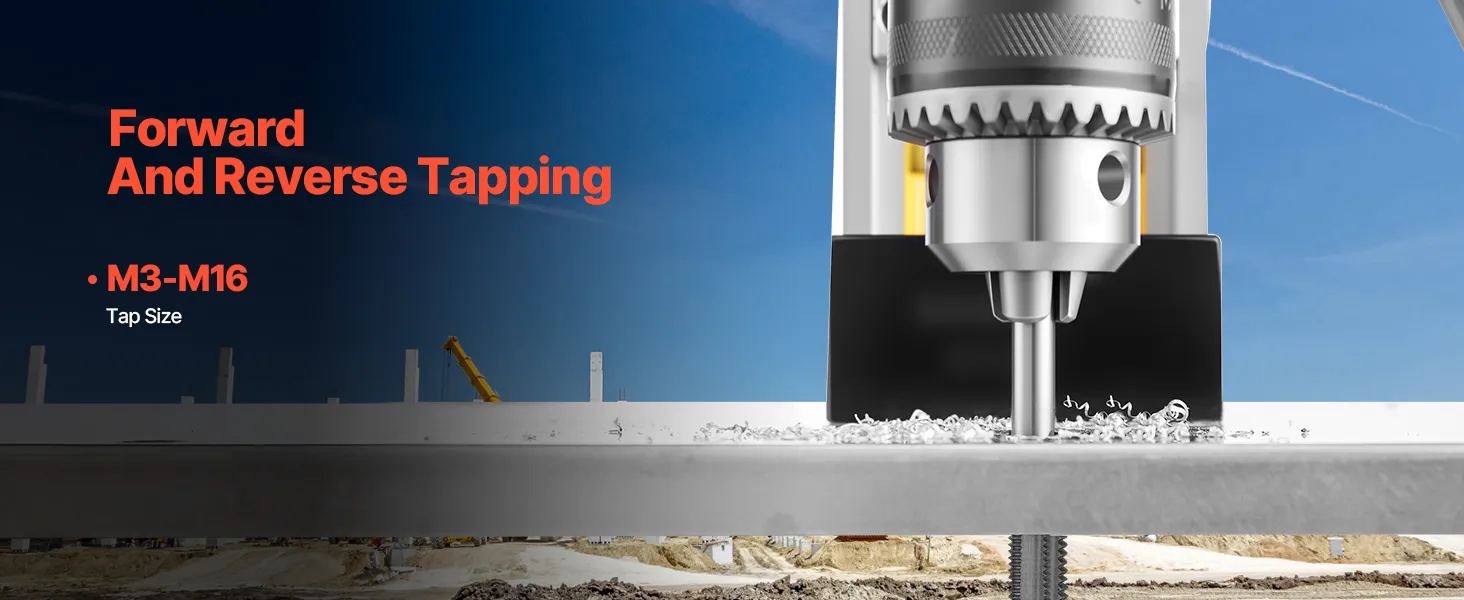
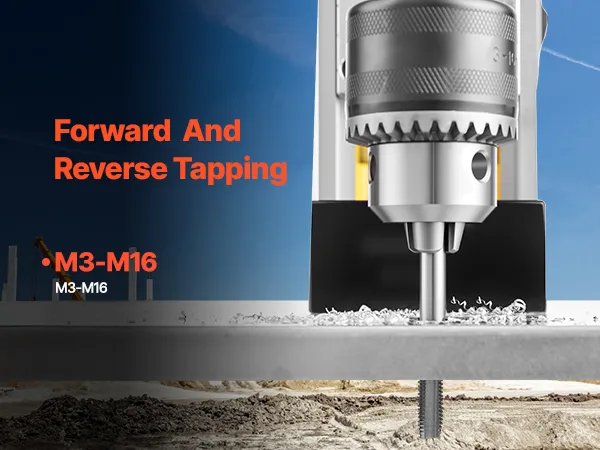
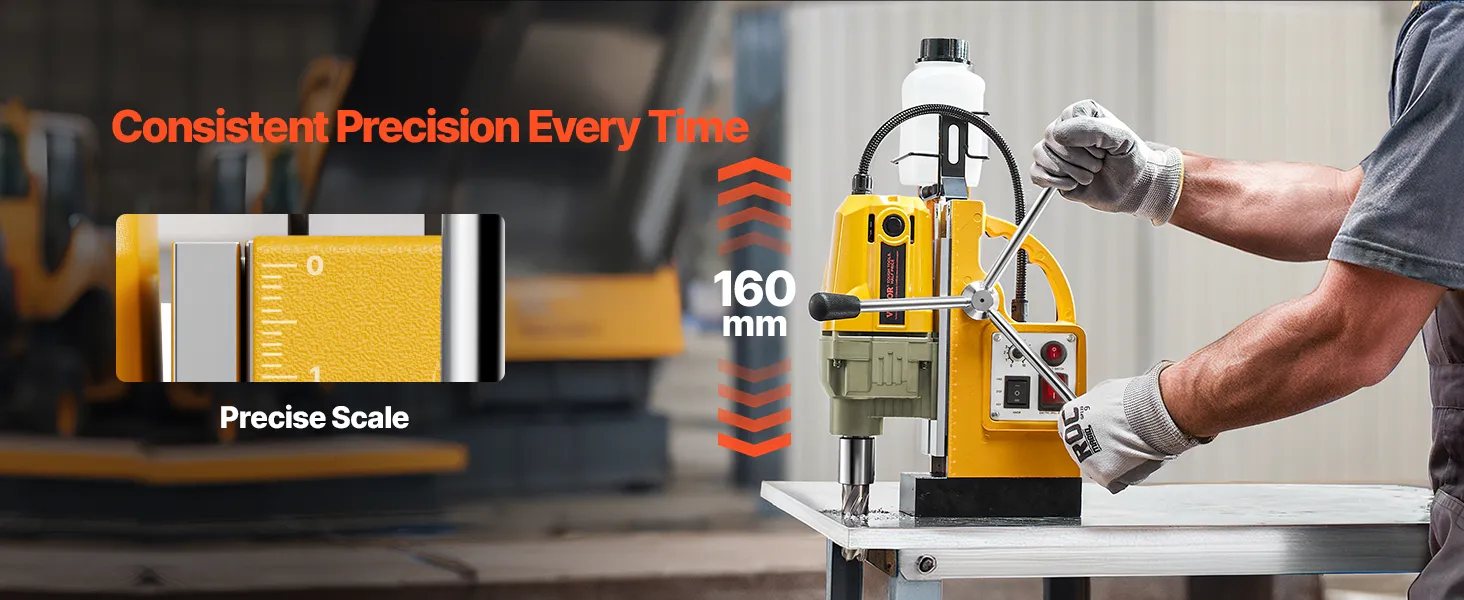
The tap size range is M3-M16, so thread cutting can be done with a standard tapping tool, all in the same machine setup. The 6.3 in (160 mm) max travel distance provides sufficient stroke depth to complete the bore sizes this machine is rated for in one setup without repositioning. The ten-speed steps allow for more precise adjustment between the low and high settings than the three- or four-step gearboxes on lower-spec machines, which means better hole quality over a wider range of diameters.
Overload Protection and Cooling System for Safe, Sustained High Load Drilling
The combined overload protection system continuously monitors the motor load and will trip on instantaneous overpower before the heat or current spike reaches the operator or damages internal components. In metal drilling situations, where sudden changes in material resistance or bit binding can produce sharp spikes in load, event-responsive protection is more important than thermal cut-offs, which only trip after damage has already begun. The integrated cooling system enables rapid heat dissipation during long drilling sessions, keeping the motor temperature within a safe operating range.
Metal drilling produces constant friction heat at the bit, and the motor under load, a cooling system that can keep pace with that heat generation is what makes or breaks the machine's ability to run reliably through an entire workday or need cooling breaks between holes. The combination of overload protection and cooling system enables the operator to run the machine at rated capacity without monitoring temperature or manually managing load between drilling cycles.
Electric Magnetic Drill with Titanium Magnesium Alloy Rail and Anti-Corrosion Build
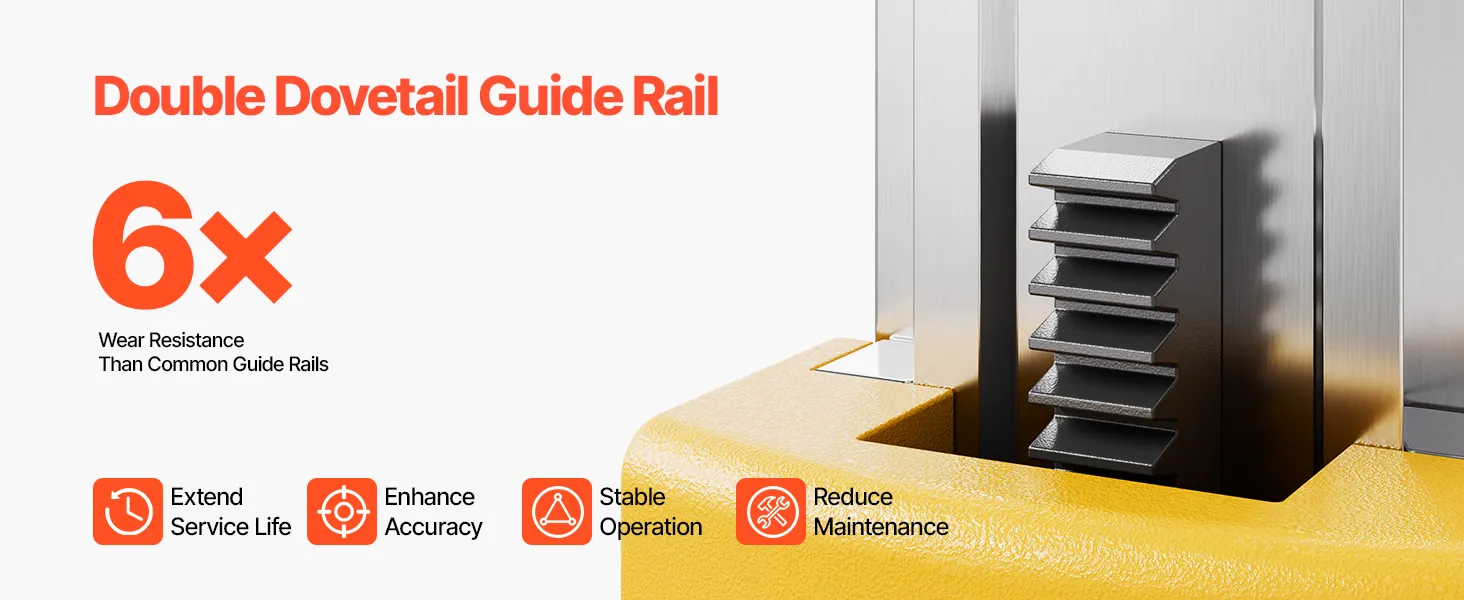
This electric magnetic drill has a guide rail made of titanium magnesium alloy, selected specifically for its corrosion resistance and wear resistance under the conditions encountered during metal drilling. The rail guides the motor carriage through all 6.3 inches of travel; consistent rail geometry through that travel keeps the bore axis true from entry to full depth. The component failure mode that causes magnetic drill press bore axis drift over time is rail wear.
If corrosion or mechanical wear creates surface irregularities in a rail, the motor carriage will deflect slightly at different points in the stroke, resulting in bores that are straight at entry but drift off-axis at depth. Titanium magnesium alloy construction withstands both corrosion that degrades steel rails in wet or outdoor environments and surface wear from repeated carriage cycles during a high-volume drilling schedule. The selection of the alloy directly affects the machine's life and bore accuracy in the long run.
Millimeter Scale, Ergonomic Handle, and 3 Extended Cranks for Precise User Control
The millimeter scale, embedded in the machine frame, allows the operator to measure and confirm the precise distance between the drill bit and the material surface before drilling begins. For jobs where the hole depth is the same across locations, the scale eliminates the need to measure each bore for bolt patterns, bracket installation, and structural connections. It reduces setup time between holes on repetitive drilling jobs.
Three extended handles offer mechanical advantage for manual feed, reducing the force needed to advance the bit through the material at a controlled speed. Ergonomic handle design maintains a comfortable grip during repeated carrying and repositioning of the 25.6-lb machine between drilling locations on large-site jobs. The scale, cranks, and handle are located at the three key operator interaction points depth setting, feed control, and transport, and are designed to minimize physical effort and maximize output accuracy, compared with machines that treat these as secondary features.
Two Coring Bits Included with Wide Industrial and Commercial Application Range
The kit includes two coring bits in the most common metal drill diameters used throughout the machine's application range, so it's ready to go with no additional tooling required. The Weldon shank type (3/4" / 19.05 mm) is a professional standard and compatible with many third-party annular cutters and twist drill bits beyond those supplied. The application range spans home improvement, equipment installation, industrial and steel fabrication, shipbuilding and bridge construction, railway production, and windmill and power plant construction, and any ferrous metal surface that can accommodate a minimum steel plate thickness of 0.39 in (10 mm).
The electric magnetic drill machine is not suitable for cast iron or stainless steel. A safety rope is necessary for inverted and horizontal drilling. It is a complete starter kit for operators who require reliable magnetic drilling performance across a wide range of metal fabrication and installation environments, with included bits, standard shank spec, and broad application compatibility.