Concrete Floats

















































Results for Concrete Floats
For professional do-it-yourselfers, masons, and contractors who require a consistent finish on every pour, VEVOR has a robust selection of concrete floats. Our concrete floats and trowels come in all sizes and types to complete any task, whether it's levelling a driveway, smoothing a warehouse floor, or finishing a backyard patio. VEVOR provides you with the appropriate equipment for every finishing activity, ranging from handheld alternatives for detail work to full-size bull float models for open slabs and a power screed for large commercial pours. Browse our selection of concrete floats to find the ideal one for your upcoming project.
VEVOR Magnesium Concrete Bull Floats and Gas Concrete Power Screed Units for Every Pour Scale
Are you looking for concrete floats that keep up with the pace of a professional pour without leaving rough spots, voids, or drag marks? Between a freshly poured slab and a surface that is genuinely level, smooth, and prepared for the subsequent finishing step, concrete floats and trowels bridge the gap. Concrete floats from VEVOR are available in a variety of sizes, styles, and materials and are designed to last through full workdays on projects of varying sizes.
Selecting Concrete Floats: Size, Type, and Application Method
Concrete floats are not universally applicable equipment. The quality of the completed surface is directly impacted by the float's size, type, and application technique. Doing these three things properly is the foundation of a clean, professional finish on any job.
Float Size and How It Affects Coverage and Surface Quality
The surface area you can cover in a single pass and how well the tool bridges high and low areas to create a level plane depend on the size of the concrete trowel. Usually measuring 12 to 18 inches in length, handheld concrete floats are perfect for edges, detail work, and smaller pours where a long-handled tool would be difficult to use.
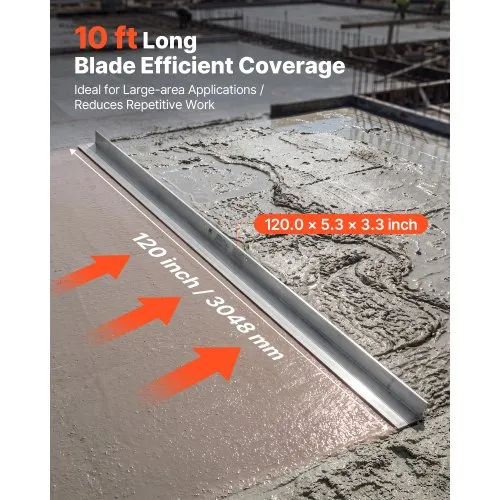
A bull float is the typical finishing tool for larger slabs, driveways, garage floors, and commercial flooring. Working widths range from 24 to 48 inches. Compared to a 24-inch bull float, a 36-inch bull float requires fewer passes to cover the entire width of a large driveway, saving time and reducing seams between passes for a more uniform finish.
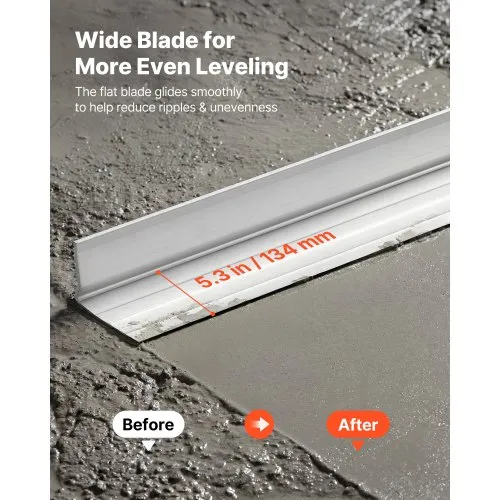
Additionally, wider concrete floats are better at bridging small, low, and high spots. Instead of following every contour flaw, the blade levels the surface as it passes over a low or high spot. Selecting the broadest concrete float your pour width supports for large pours is a practical upgrade that will show in the final surface quality. To accommodate the project's size, VEVOR's concrete floats are available in a variety of widths.
Types of Concrete Floats and What Each One Is Designed For
Hand floats, bull floats, and power screeds are the three primary forms of concrete trowels, and each is suited to a specific stage or scale of concrete finishing work.
Freshly laid concrete is worked by hand using hand concrete floats, which level small ridges left by screeding, bring the cream to the surface, and seal voids. They are necessary for corners, edges, and hard-to-reach areas around fixtures. They are also the preferred option for smaller pours where complete hand control and fine detail are crucial, such as step treads, curb sections, and ornamental work.
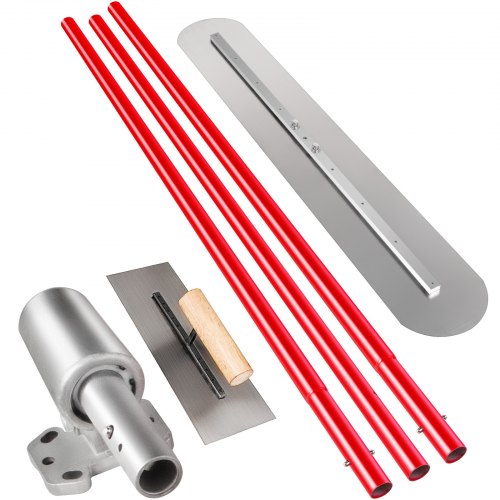
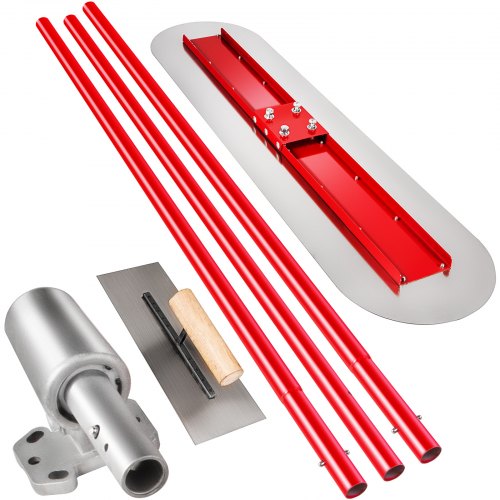
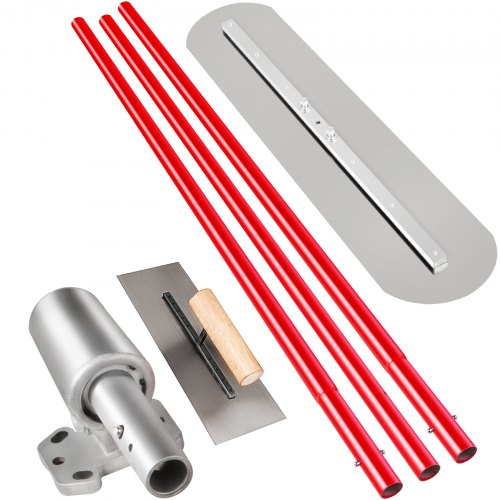
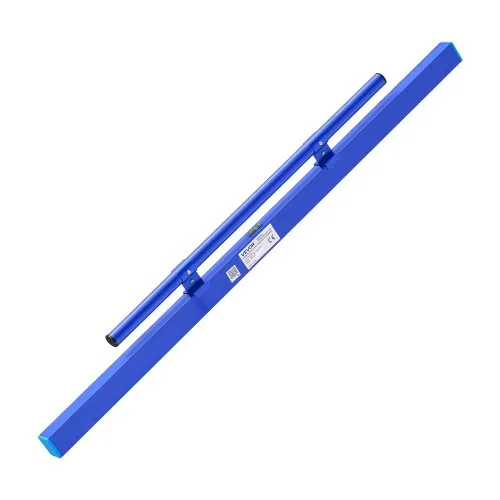
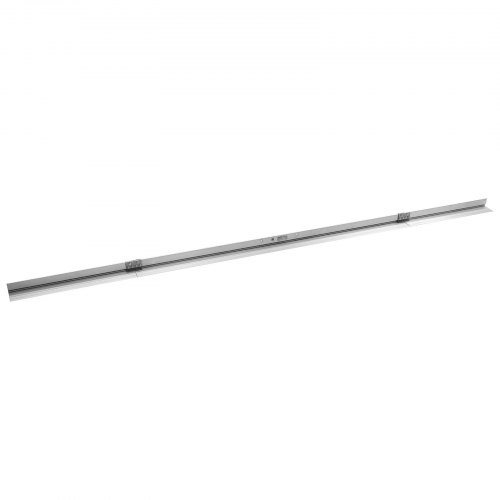
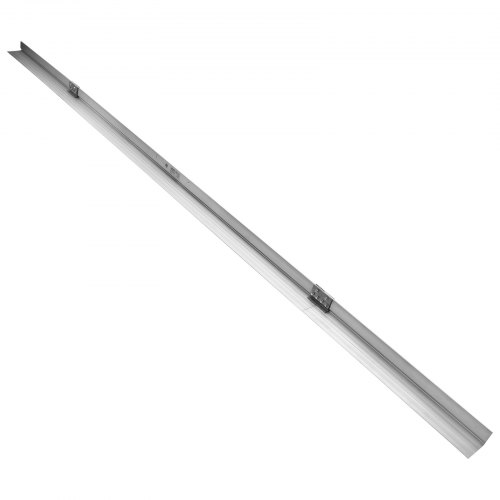
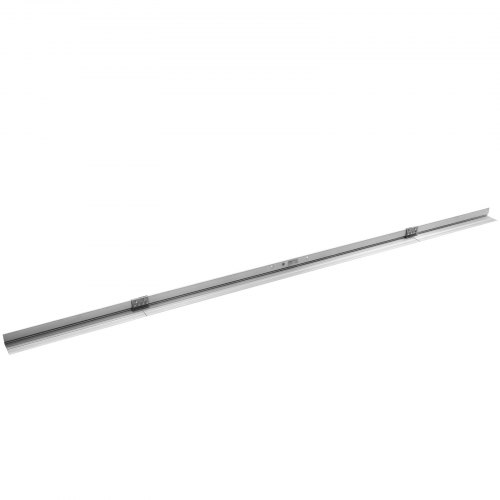
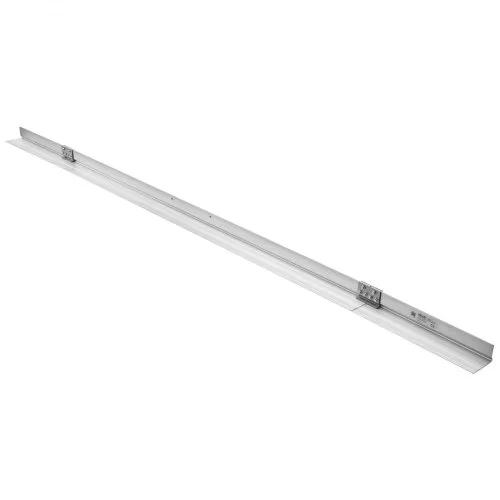
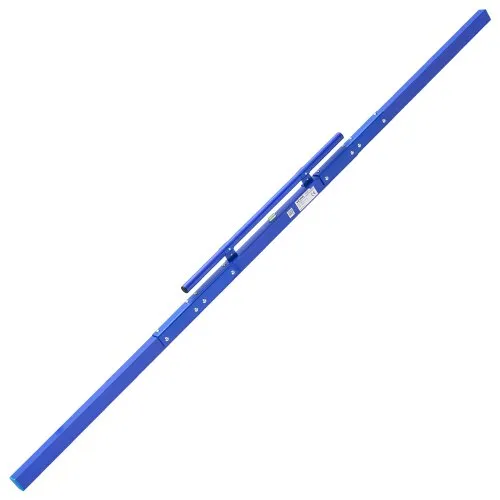
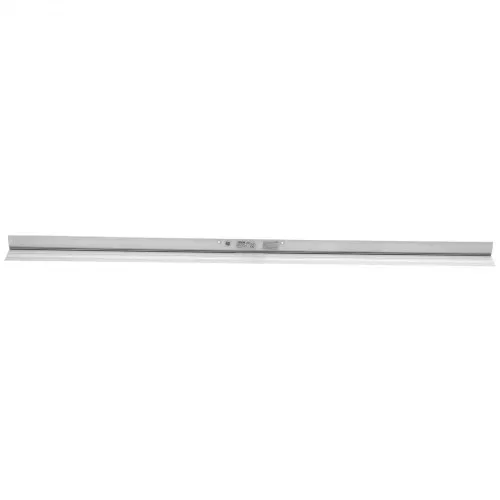
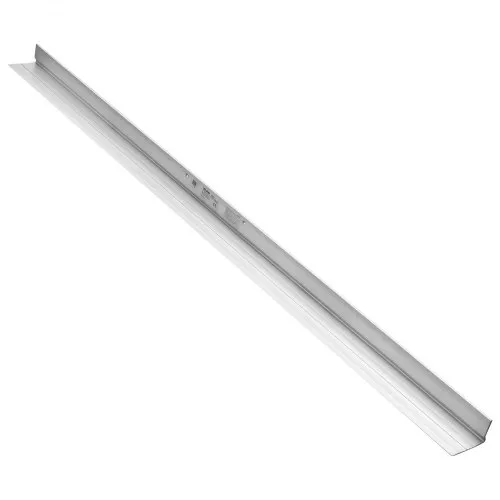
The large-format concrete float for open slab surfaces is called a bull float. The finisher can cover a sizable pour from the edge without stepping on freshly laid concrete by pushing and pulling on an extension pole. The top layer is solidified by the flat blade, creating a level, sealed surface ready for troweling or final finishing. The bull float typically handles most of the initial leveling for slab work in homes and light commercial spaces.
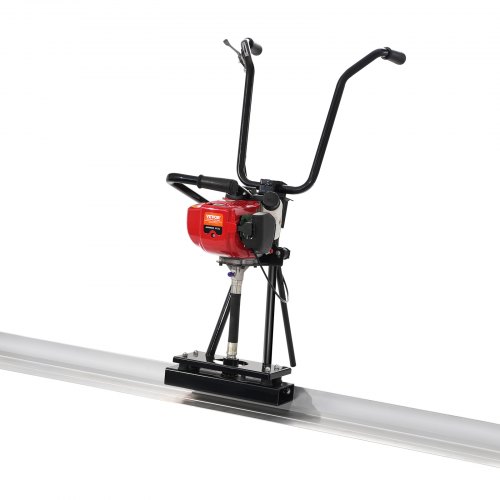
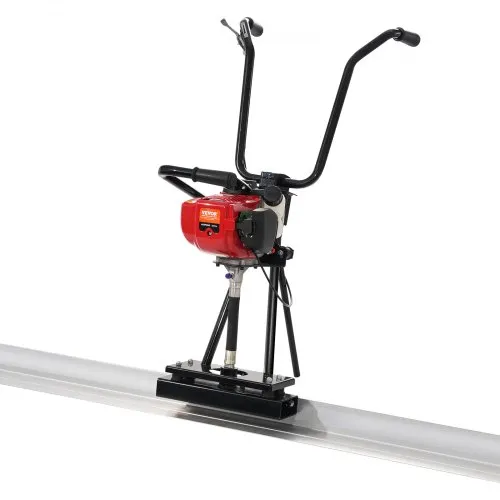
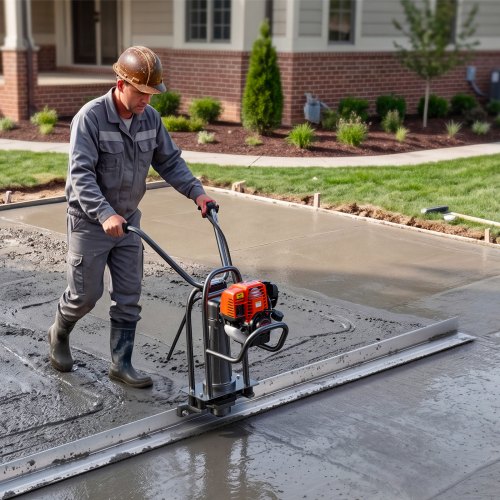
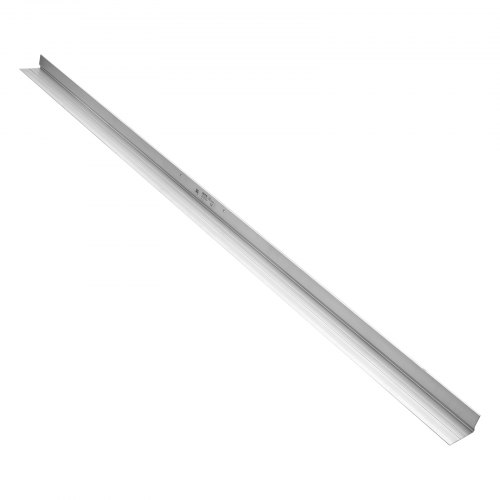
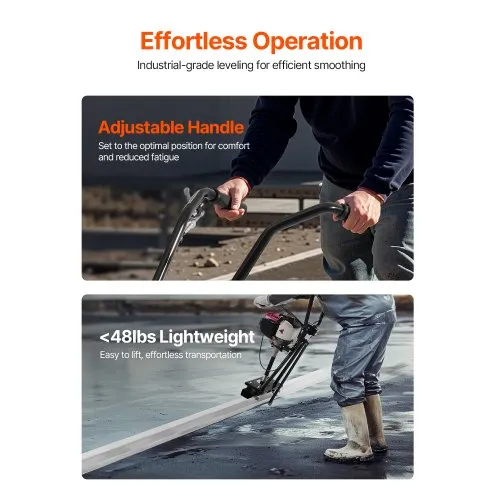
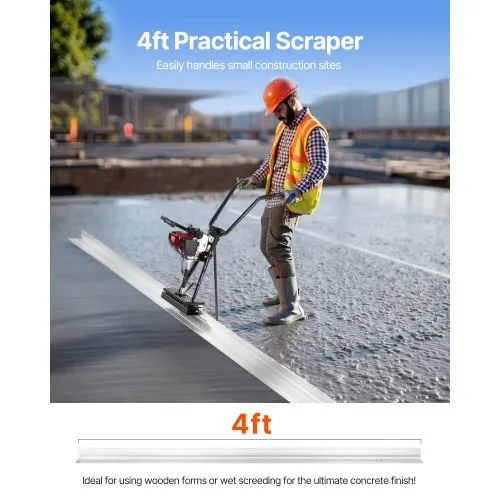
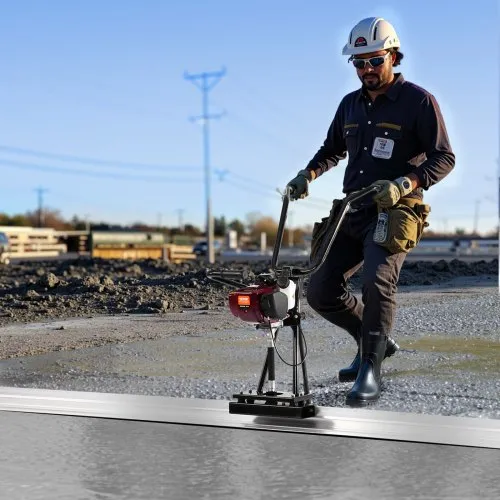
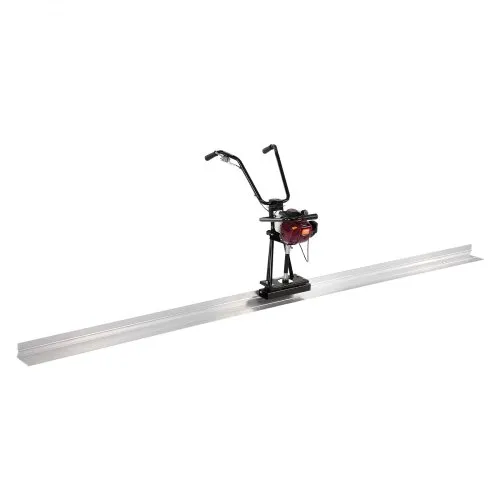
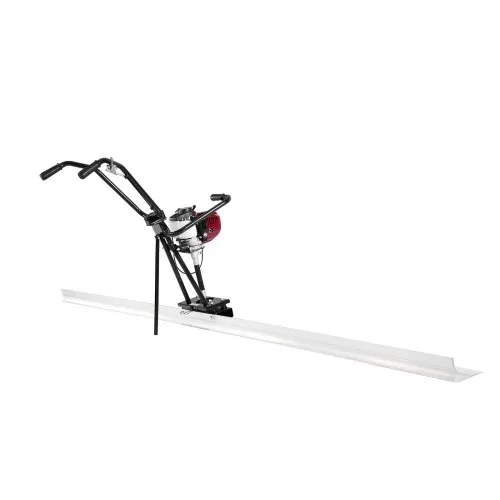
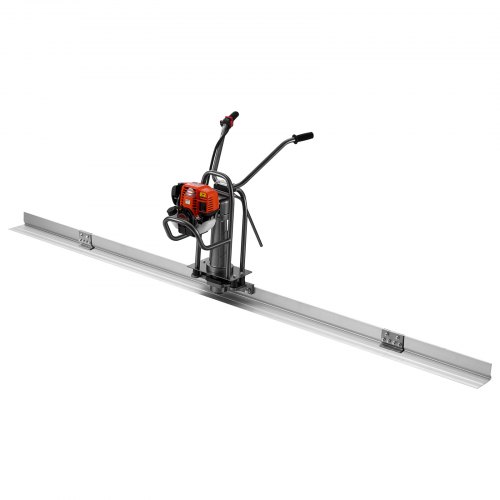
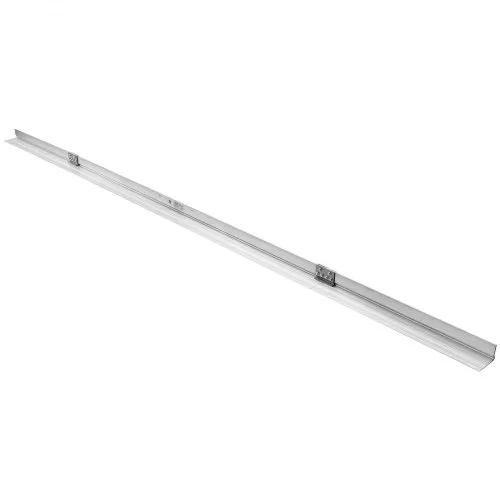
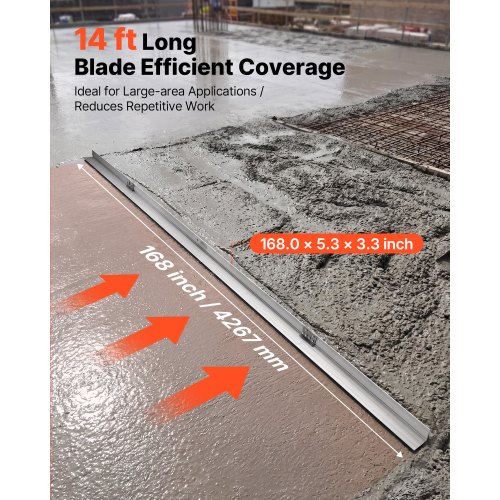
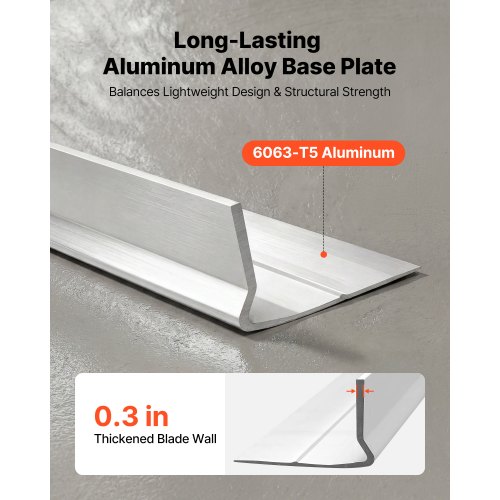
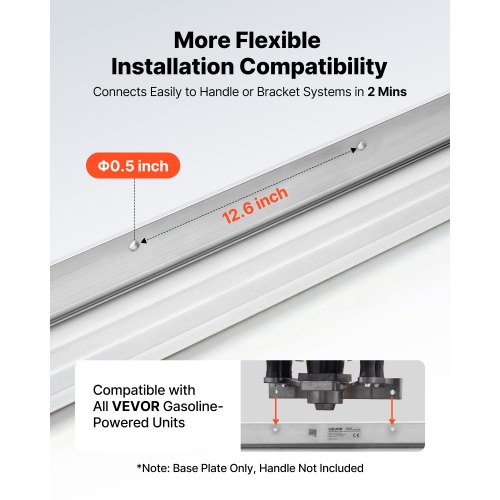
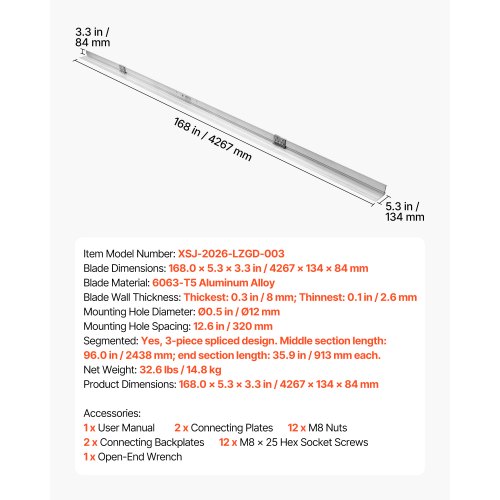
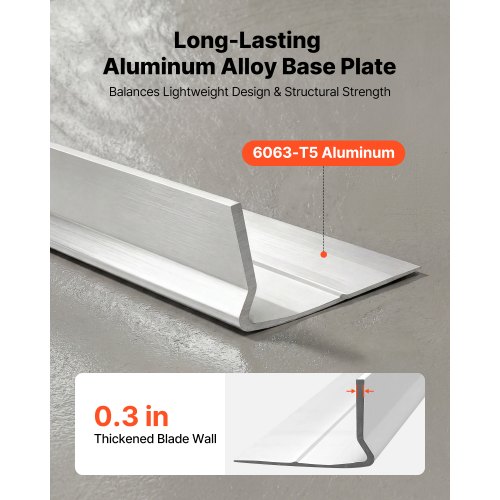
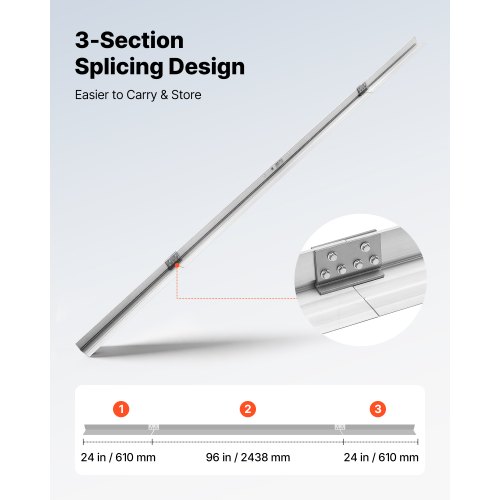
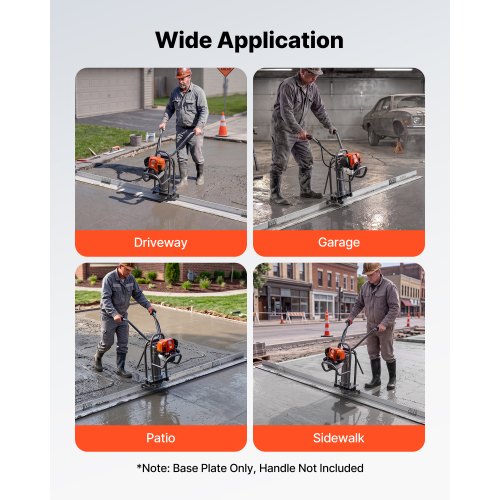
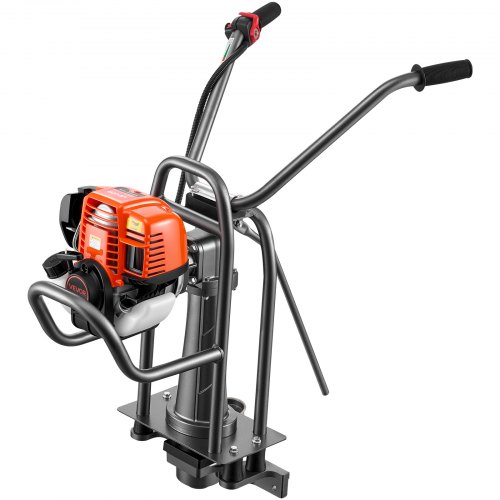
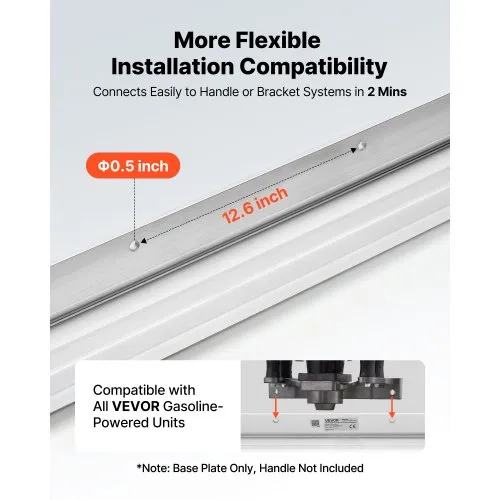
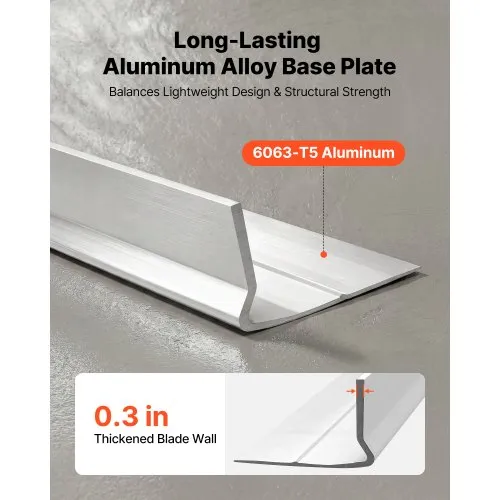
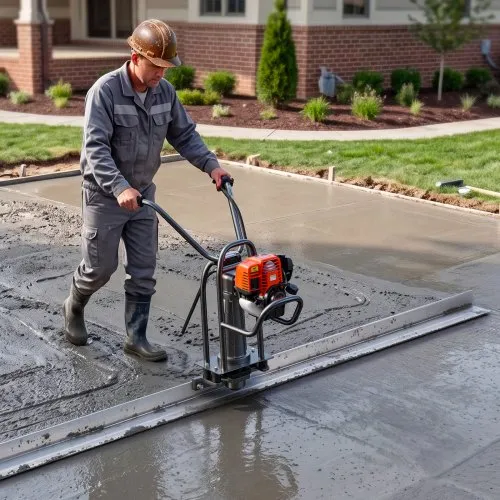
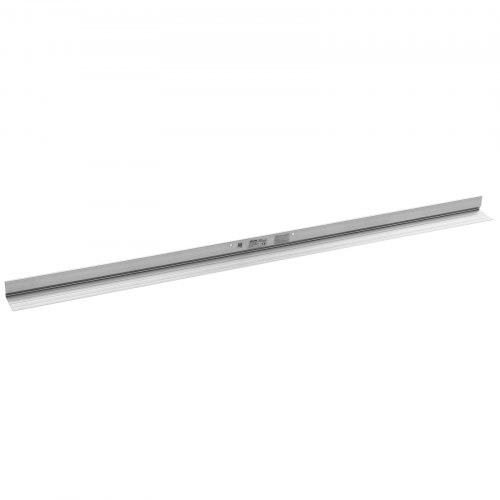
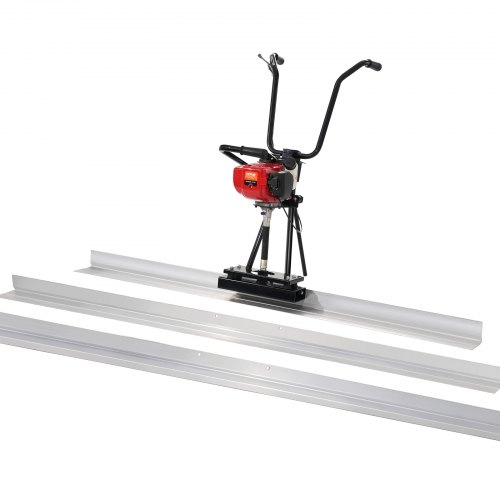
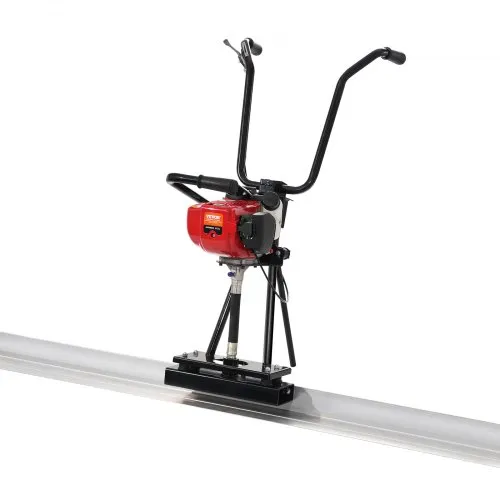
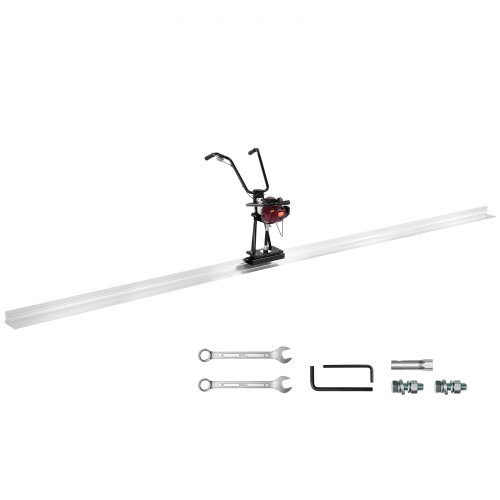
For large-scale pours, a power screed uses a mechanical method. The preferred option for thick slabs, commercial floors, and high-volume production projects where manual techniques are too labor-intensive or slow before the concrete starts to set is a gas concrete power screed, which uses a vibrating bar driven by a gasoline engine to consolidate and level the surface in a single pass.
Application Methods That Get the Best Results from Concrete Floats
Just as crucial as the tool is how you move concrete trowels around the surface. The improper method fails to seal cavities and bleed water channels that form in freshly laid concrete, leaving markings or damaging the surface.
The fundamental motion for hand concrete floats is a sweeping, slightly arced pass, with the leading edge elevated just above the surface. As the blade's flat solidifies the concrete underneath, this keeps the front edge from sinking in. The top layer is gradually closed by overlapping arcs that cover the surface uniformly from one side of the pour to the other.
The blade is flat during the push stroke of a bull float, leveling and consolidating the surface. To avoid dragging, the front edge of the draw stroke is raised slightly. The most uniform flatness across the whole pour is achieved by overlapping passes from one edge of the slab to the other, each of which overlaps the previous one by a few inches. The difference between a professional finish and a rough concrete float finish lies in the quality of the procedure.
The vibrating bar is pulled slowly and evenly across the slab to operate a gas-powered concrete screed. Vibration can settle and solidify the concrete in front of the bar when the speed is constant. Consolidation required to achieve a surface with fewer voids and honeycombs is omitted when the pass is rushed. This tool is renowned for producing a flat, dense finish through slow, overlapping passes across the entire pour width.
Features of the Material and Handle
How well a concrete float performs over a full day of work and how long it lasts on demanding jobs depend on the material it is made of and the design of its handle or pole system.
Magnesium vs. Steel in Concrete Floats
The material selection for concrete trowels directly impacts the tool's durability and the blade's engagement with the surface.
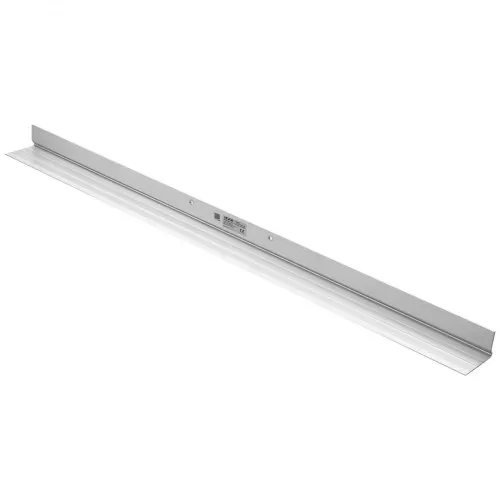
Professional concrete finishers most often use a magnesium concrete bull float. At similar blade thicknesses, magnesium is substantially lighter than steel, which eases arm strain on heavy pours and makes the tool considerably more manageable on a full-length extension pole. The blade helps work bleed water into a consistent cream layer on top of the slab and moves smoothly over freshly laid concrete without adhering to it.
Concrete bull float blades made of magnesium are inherently corrosion-resistant. A magnesium bull float concrete blade, unlike steel, can be cleaned and stored without causing surface deterioration. Finishers working in high-humidity environments or on commercial projects where tools may not always receive meticulous post-use care will find this feature very helpful. For frequent professional use, the material choice is straightforward, given the magnesium bull float's longer lifespan compared to steel.
Steel concrete floats provide greater stiffness. For stiff concrete mixes where blade deflection would impact flatness, some finishers select steel blades because they are less likely to flex under pressure than magnesium blades. But during a full day of large-pour finishing work, the additional weight of steel becomes a significant consideration. Both steel and magnesium blade options are available for VEVOR's concrete floats; the materials are detailed in each listing.
Handle and Pole Systems That Make Concrete Floats Practical in the Field
On concrete floats, the finisher and the blade are connected by the handle or extension pole system, and even the best blade might be difficult to use in the field if the handle is poorly made.
The handle of the concrete trowel should be easy to grasp in the palm and should not put undue strain on the wrist as it moves through the finishing arc. The distance between the handle and the blade surface is crucial because a handle that is too close presses the knuckles into newly laid concrete with each pass, making it uncomfortable to operate for extended periods on larger, detailed areas.
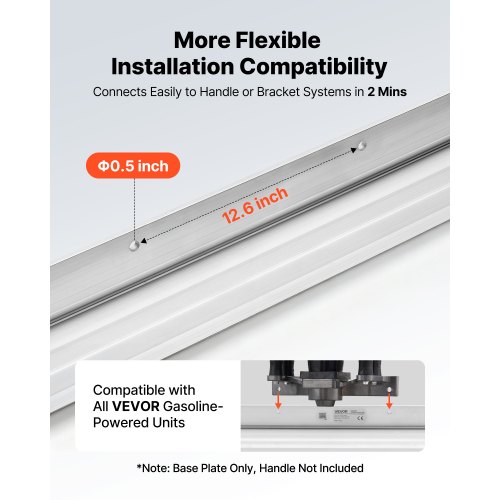
The pole connection method is crucial for a bull float on an extension pole. Throughout the whole push-and-pull operation, a locking clamp or dual-screw connector keeps the connection firm, regulating the finishing motion and maintaining a constant blade angle. More surface control is possible with adjustable-angle brackets than with a fixed-angle connector on the same concrete floats, allowing for fine-tuning for varying concrete stiffness levels and pass directions.
Well-designed grips are similarly beneficial for gas concrete power screeds. The physical strain of working with huge slabs is lessened with ergonomic, padded grips that promote a comfortable posture while drawing the screed bar. With good handle ergonomics, a power screed remains useful from the first to the last pass. The handle-and-pole system, quality, and authentic design are the top design goals for VEVOR's concrete floats and power screeds.
Shop VEVOR Concrete Floats for Professional Finishing on Every Pour
VEVOR's selection of concrete trowels meets every finishing requirement, including gas-powered screed units for large commercial pours, full-size magnesium concrete bull floats for open slabs, and small hand floats for detail and edge work. Our concrete floats can handle any job thanks to their steel construction, magnesium bull float concrete blades, and various sizes. VEVOR is a wise choice due to its competitive cost and strong after-sales service. Please take a moment to review the entire selection.
FAQs
What distinguishes a bull float for concrete from a hand float?
A hand float is a little instrument used for smaller pours, edges, and delicate work. To level open slab surfaces without stepping on freshly poured concrete, use a bull float, a wide-bladed instrument mounted on an extension pole. For a full finishing toolset, both are essential concrete trowels.
A magnesium concrete bull float is superior to a steel blade; why choose one?
A magnesium concrete bull float glides smoothly over fresh concrete, is lighter, and resists corrosion. A magnesium concrete bull float's lighter weight greatly lessens fatigue for expert finishers. Additionally, a magnesium bull float concrete blade lasts longer than steel in outdoor or humid environments.
When is the right time to go from a bull float to a gas concrete power screed?
For thick slabs, tight production schedules, and large-volume pours when manual levelling is too slow, use a gas concrete power screed. Over a large pour, the vibrating bar levels the surface and consolidates the mix more quickly than any manually operated concrete float could.
After using concrete floats, how should they be cleaned and stored?
Before the concrete on the surface solidifies, quickly rinse each concrete float blade with clean water after use. To prevent steel blades from rusting, let them dry completely before lightly oiling them. Although magnesium bull float concrete blades are more corrosion-resistant, they should still be cleaned and kept dry between uses to prolong their lifespan.
For concrete floats on huge slabs, what is the required length of the extension pole?
Most concrete floats work well with a 6 to 8-foot pole for residential slabs up to 12 feet wide. Poles that are 10 to 16 feet long enable the finisher to stretch across the entire slab width from the edge of a wider commercial pour without ever walking upon fresh concrete.