Drill Core Bits
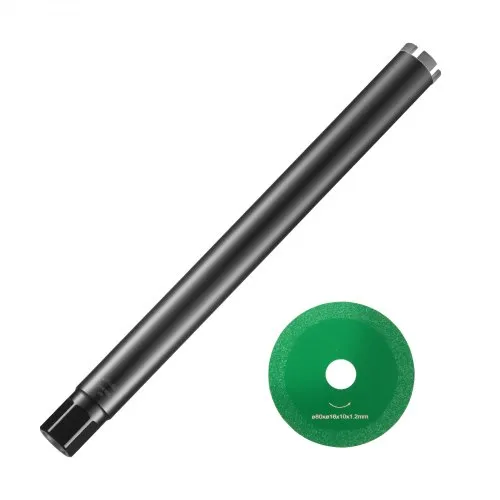


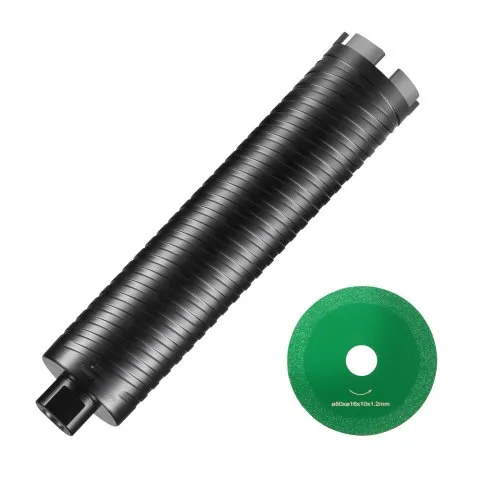


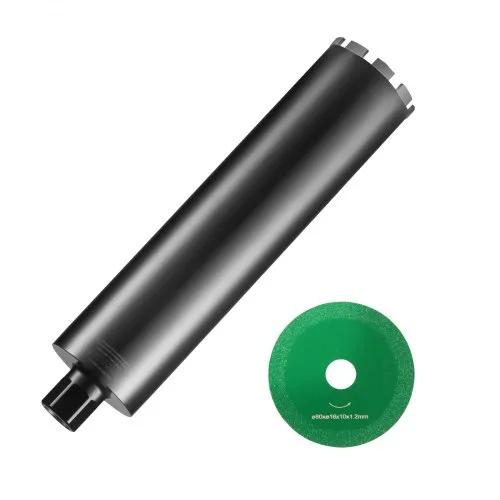












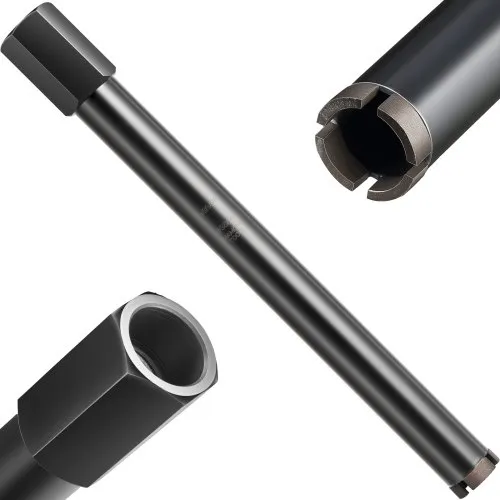


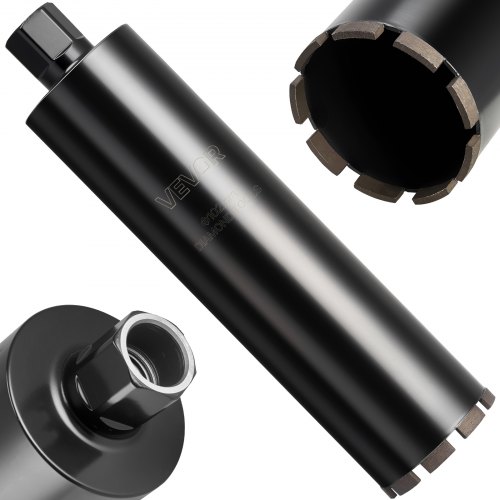


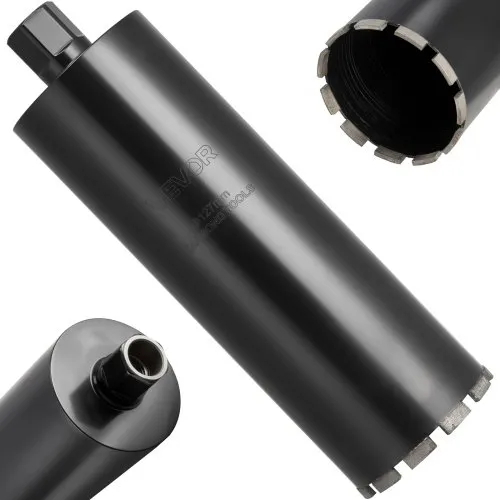


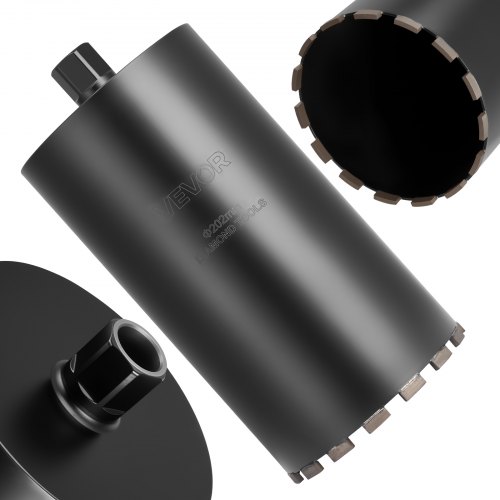






Results for Drill Core Bits
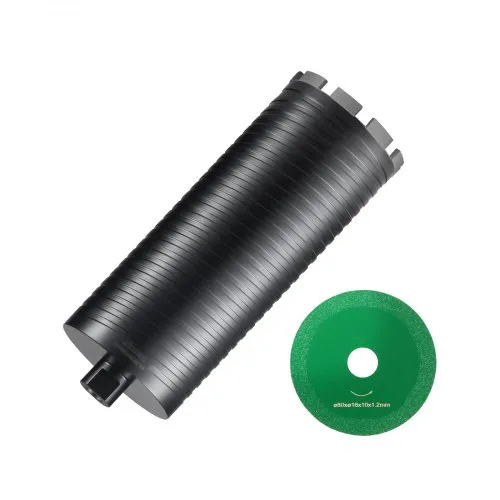
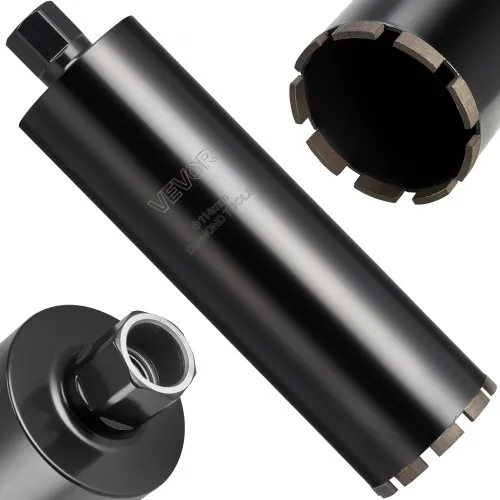
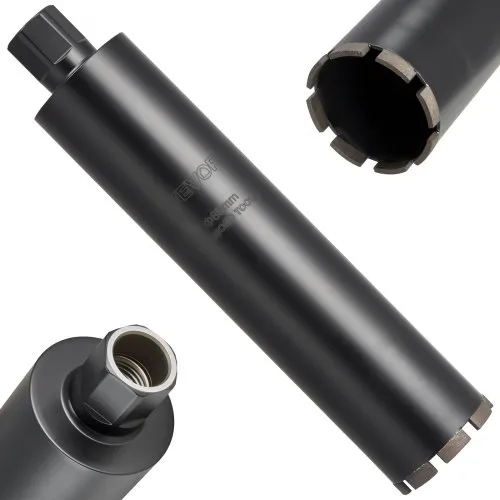
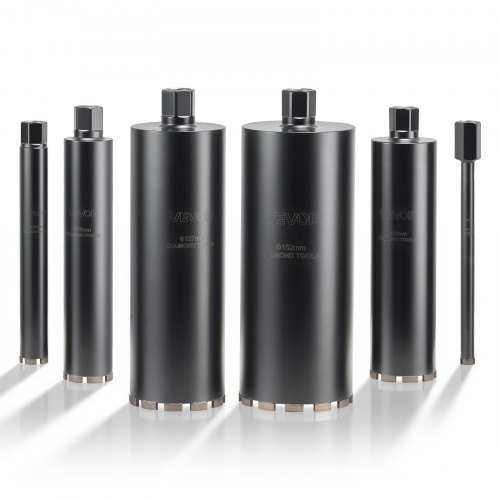
For clean, accurate holes in stone, masonry, concrete, and other hard materials, VEVOR offers a broad selection of core drill bits. Our collection offers the diameter options and material compatibility required for every drilling application, whether you're looking for diamond core bits for heavy-duty concrete cutting, wet core drill bits for continuous professional use, or dry core drill bits for simple domestic chores. Browse VEVOR's entire inventory to find the core bits that precisely meet your project's needs.
VEVOR Core Drill Bits for Professional Cutting Performance in Concrete, Masonry, and Stone Applications
Do you need a dependable method for making precise, clean-edged holes in stone surfaces, brick walls, or concrete slabs for structural, HVAC, electrical, or plumbing work? In hard materials, core drill bits offer cutting strength and accuracy that conventional twist bits and hole saws often cannot match. Contractors, electricians, plumbers, and do-it-yourselfers who require reliable drilling performance supported by appropriate diamond segment design and long-lasting construction for consistent results on every job site are the target market for VEVOR's core drill bits.
Diameter and Material Compatibility: Selecting Core Drill Bits for Your Application
The hole diameter you must cut, and if the bit is made for the particular material you will be drilling, are the two primary factors that should guide your choice of core drill bits. If either is chosen incorrectly, the result is reduced cutting efficiency, premature bit wear, or an inability to penetrate the material. By understanding how diameter and material compatibility interact, you can choose core drill bits that finish your job quickly and effectively, rather than squandering time and money on ineffective equipment.
Understanding Diameter Options for Different Installation Requirements
The diameter of core drill bits is the most noticeable feature and dictates the size of the hole the bit will make in your work material. For large HVAC duct openings and structural core samples, VEVOR offers core bits in diameters ranging from 1/2 inch for modest conduit and pipe penetrations to over 14 inches. What will go through the hole, be it gas pipes, water lines, electrical conduit, ventilation ducts, or anchor bolts, determines the diameter you require.
To fit conventional conduit sizes with sufficient clearance for installation and code compliance, common core drill bit diameters for electrical work are 3/4 inch, 1 inch, and 1-1/4 inch. For plumbing applications, 2-inch,3-inch, and 4-inch diamond core drill bits are usually needed for supply line penetrations through floor slabs and foundation walls, waste lines, and vent stacks. For refrigerant line sets, condensate drains, and return air ducts going through concrete or masonry, HVAC installations require larger diameters, typically ranging from 6 to 12 inches or more.
Typically add about 1/4 to 1/2 inch to the pipe or conduit’s outside diameter when choosing a hole diameter. Without binding or forcing materials through inadequate holes, this clearance permits proper fitting, pipe insulation wrapping, and an adjustment room during installation. To ensure the final hole size precisely meets their installation requirements, VEVOR explicitly specifies both the nominal diameter and the actual cutting diameter in the product specifications.
Material Compatibility: Matching Diamond Segments to Your Work Surface
Not every material responds the same way to a given core drill bit. It is necessary to design the diamond segments implanted into the bit's cutting edge based on the aggregate content, abrasiveness, and hardness of the material being drilled. While bits made for soft brick will cause slow cutting, rapid segment wear, and frustration, bits designed for concrete may still yield satisfactory results when used on brick.
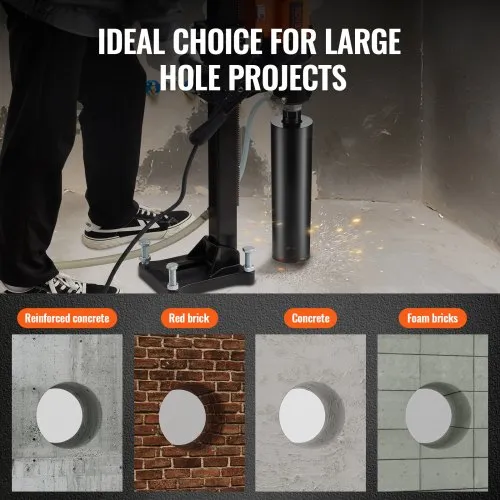
Diamond core drilling bits from VEVOR are available in material-specific formulas tailored for various applications. To withstand the high compressive strength and embedded aggregate present in contemporary structural concrete, concrete-specific segments often use coarser diamond grit and a harder metal bond. Without experiencing severe segment wear or a decrease in cutting speed, these diamond core bits effectively cut through high strength commercial concrete pours, cured foundation walls, and rebar-reinforced slabs.
Different segment formulations with softer bonds are needed for masonry and brick applications. As the softer material wears down the bond matrix, the new diamond cutting edges are exposed sooner. In contrast to concrete-optimized bits that would load up and glaze over in CMU walls, clay brick, and soft stone, VEVOR's brick and block core drill bits feature segments specifically designed for these materials, providing faster cutting and longer life.
VEVOR offers specialized core diamond drill bits with aggressive bond formulations and fine diamond grit that cut cleanly through dense, non-porous materials like marble floors, granite countertops, and tile without chipping or breaking the surface. In high-end architectural installations where precise, clean cuts are essential, these bits are ideal for mounting hardware, plumbing fixture installation, and creating drainage holes.
Wet vs. Dry Cutting: Choosing the Right Core Drill Bit Operation Method
Core drill bits can be used for intermittent dry cutting with air cooling or continuous wet cutting with water cooling. Cutting speed, bit life, and the tools needed to use them safely and efficiently vary depending on whether wet or dry core drill bits are used. You can choose the appropriate bit type and help prevent early failure or subpar performance by knowing which approach works best for your application.
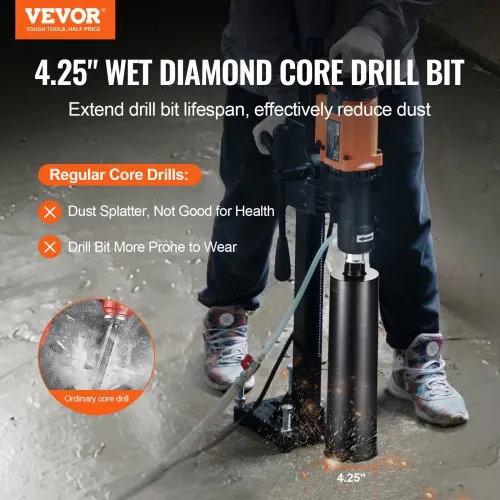
Throughout the operation, wet core bits need water to continuously flow through the bit's center or around the cutting edge. Three vital purposes are fulfilled by water: it cools the diamond segments to prevent thermal damage, it removes debris from the cutting kerf to preserve cutting efficiency, and it suppresses dust to comply with environmental and safety regulations on the job site. Professional contractors who drill numerous holes every day and require the fastest cutting speed and the longest bit lifespan are the target market for VEVOR's wet-core drill bits. These bits work best with water cooling due to their aggressive bond composition and continuous diamond segments.
With air cooling and sporadic pauses to avoid overheating, dry core bits are made for intermittent operation without water. These pieces have segmented cutting edges rather than continuous ones, and the spaces between segments allow debris to be evacuated and air to circulate. Dry core bits from VEVOR are ideal for indoor applications where water runoff and cleanup would be a concern, for minor jobs, and for isolated areas without access to water. Although dry bits often cut more slowly and last less time than their wet counterparts, they eliminate the mess of wet drilling and the need for water-delivery systems.
Reinforcement Compatibility and Rebar-Cutting Capability
In addition to diamond segments for concrete cutting, core drill bits with rebar-cutting capability are important for many concrete applications that require drilling through reinforced concrete containing steel rebar. Unexpected encounters with rebar can cause standard concrete core drill bit designs to halt, wander, or suffer segment damage, particularly in substantially reinforced structural elements.
When switching between concrete and steel rebar in the same hole, VEVOR's reinforced concrete core drill bits maintain cutting performance thanks to their unique segment designs and bond formulations. In reinforced applications where standard bits would fail or require numerous attempts and bit swaps, these bits dependably do the job, even though they may cut a little more slowly in plain concrete. By purchasing rebar-compatible diamond core drill bits, contractors who frequently drill in reinforced concrete can avoid the aggravation and time loss of finding rebar in the middle of a hole with an incompatible bit.
Shank Type and Durability Features That Keep Core Drill Bits Performing Reliably
The shank design that joins core drill bits to your drill, the durability elements incorporated into the bit's manufacturing, and the bit's diameter and material compatibility affect how well it performs under challenging job site conditions and how long it lasts before needing to be replaced. VEVOR uses professional-grade shank systems and sturdy construction techniques to create its core drill bit line, helping provide consistent performance over many holes rather than failure after only a few uses.
Shank Types and Mounting Systems for Different Drill Platforms
Different drill types require different shank configurations for a good fit and power transfer. The shank is the part of the core bits that mounts into your drill. You can buy compatible bits that mount firmly and provide full drilling power without slippage or adaptor issues if you know which shank type fits your equipment.
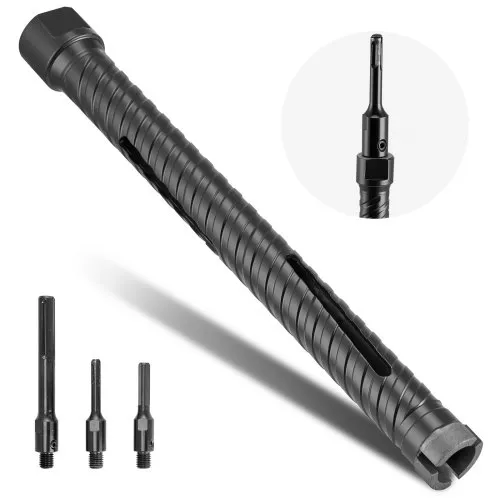
SDS-Plus or SDS-Max shank systems, which transfer impact force and rotational drive via a splined connection, are commonly found in standard rotary hammer drills. For contractors who already own these multipurpose instruments for other drilling and demolition jobs, VEVOR's alternatives for concrete core drill bits with SDS shanks are convenient because they function immediately with standard rotary hammers. Typically, SDS shank core bits range from 1/2 to 2 inches in diameter, which corresponds to the power capacity of conventional rotary hammer drills.
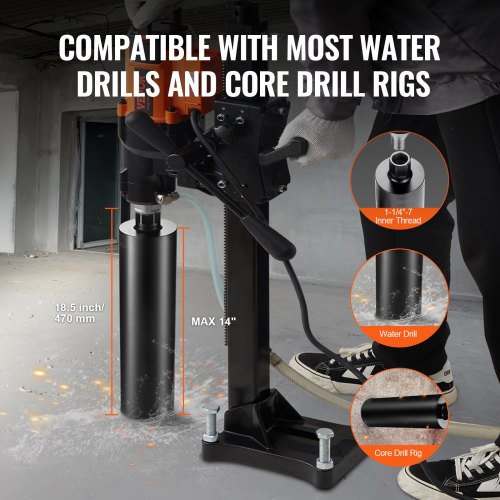
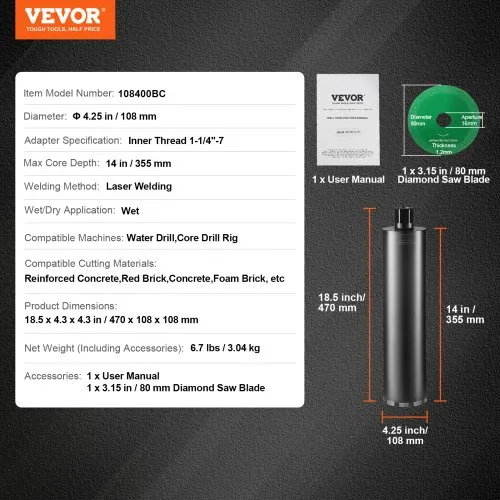
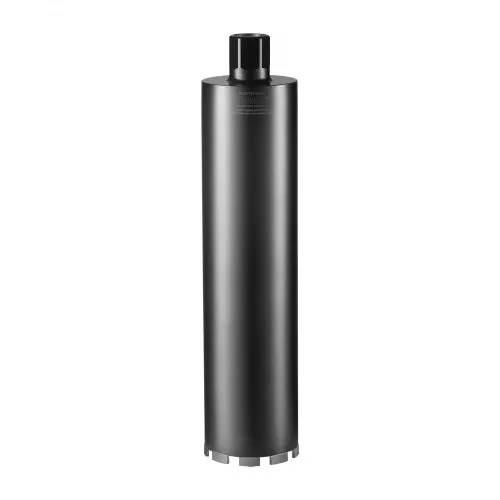
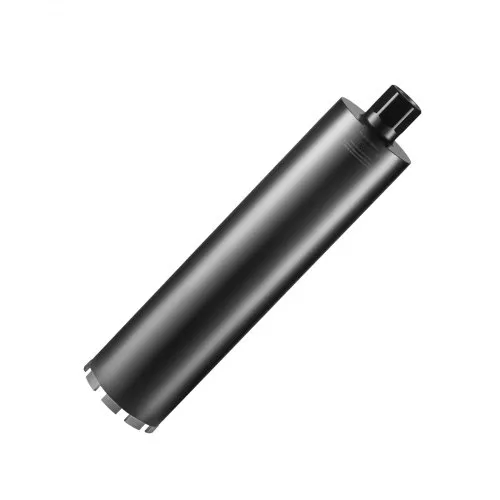
Dedicated core drill rigs use threaded-shank connections for bigger diameters and professional wet-drilling applications. These arbors are typically 5/8-inch or 1-1/4-inch threaded and screw into the bit's base. Precision-machined threads in VEVOR's diamond core drill bitsfor professional rigs ensure strong, wobble-free couplings even after numerous mounting and dismounting cycles. The chuck-sliding problems that might arise with typical round shanks under severe loads are avoided with these threaded systems, which can withstand the increased torque and continuous operating requirements of wet drilling.
Construction Quality and Durability for Professional Use
The steel tube's quality, the method for attaching diamond segments, and the overall manufacturing accuracy that maintains everything in alignment and working order over hundreds of drilling cycles all affect how long a core drill bit lasts. Under professional use, low-quality bits with loose shanks, poor segment welds, and thin tubes break easily, costing more to replace and causing more downtime than higher-quality bits that operate dependably for months.
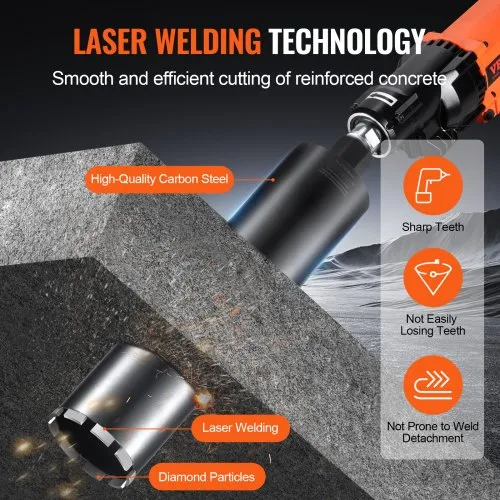
Even when drilling at angles or in difficult locations, VEVOR core drill bits' heavy-wall steel tubes resist bending and preserve cutting alignment. Permanent bonds that resist separation or loss under the extreme heat and vibration of continuous cutting are produced by laser-welded diamond segments. Instead of quick initial cutting followed by rapid wear, the core diamond drill bit segments use premium-grade synthetic diamonds in carefully controlled concentrations that balance cutting speed with segment life, providing consistent performance.
The multiple-segment designs and optimal gullet spacing of premium VEVOR dry core drill bits allow for efficient debris removal and air cooling without sacrificing cutting-edge contact area. Total bit life is determined by the segment height, or the amount of diamond material that can be worn away before the bit is wasted. VEVOR uses tall segments on professional-grade bits to maximize the number of holes each bit can finish before needing to be replaced.
Shop VEVOR Core Drill Bits for Reliable Performance in Hard Materials
Professional contractors and serious do-it-yourselfers rely on VEVOR core bits for their diameter range, material compatibility, shank alternatives, and long-lasting construction. Our selection includes all drilling applications and material types, from small dry-core drill bits for minor home work to large wet-core drill bits for commercial concrete cutting. Genuine diamond segments, competitive prices, and dependable post-purchase assistance are all included as standard. Explore the entire selection of VEVOR core drill bits now to prepare for accurate, effective drilling on any job.
FAQs
What is the difference between wet core drill bits and dry core drill bits?
Wet core bits cut more quickly and last longer because they require constant water cooling during use. Dry core drill bits are perfect for minor jobs or areas without access to water, as they use air cooling and intermittent drilling rather than water. Both varieties are available from VEVOR for various uses.
What diameter core drill bits do I need for plumbing installations?
For waste lines and vent stacks, standard plumbing dimensions are 2", 3", and 4"; for installation clearance, add 1/4-1/2" beyond the pipe's outer diameter. In addition to specialized sizes for specific applications, VEVOR diamond core bits are available in all conventional plumbing diameters.
Can concrete core drill bit designs cut through rebar?
Rebar may be difficult for standard concrete tools to work with. To cut concrete and steel rebar without stalling or damaging it, VEVOR offers reinforced concrete core drill bits with segments. When drilling into reinforced structural concrete, use tools compatible with rebar.
What shank type do I need for my rotary hammer drill?
SDS-Plus (light-duty) or SDS-Max (heavy-duty) shanks are used in the majority of rotary hammers. Examine the specifications of your drill. Both shank types and threaded shanks for specialized core drill rigs are available for VEVOR core drill bits. Please ensure that the shank is compatible with the specific drill model you have.
How many holes can I drill before I need to replace diamond core drill bits?
Life varies by material hardness, drilling technique, and bit quality. VEVOR diamond core drilling bits typically complete 50-200+ holes in concrete before segment wear requires replacement. Proper water cooling (for wet bits) and avoiding excessive pressure significantly extend bit life.