
Hole Saws Bits
























































Results for Hole Saws Bits
Explore VEVOR's wide selection of hole saw bits, from concrete hole saws and diamond core bits for masonry and concrete work to bi-metal hole saws and carbide hole saws for wood and metal. This category covers wood, metal, and concrete cutting tasks and includes annular cutter sets, mag drill bit kits, adjustable hole saws, and step drill bits. VEVOR carries hole saw bits that are scaled and constructed for the material you're dealing with, whether you're coring through concrete or cutting a clean hole in plasterboard.
VEVOR Hole Saws Bits for Wood, Metal, and Concrete Cutting
Do you need to core through a concrete wall, run conduit, or cut a hole for plumbing? In addition to concrete hole saw kits and diamond core bits for masonry and concrete projects, VEVOR's hole saw bits include wood core drill bits and hole saw kits for general cutting. Buy a whole kit in the right size for the project instead of buying individual cutters one at a time to avoid repeated trips to the hardware store. To help you choose the right size before ordering, each item lists the arbor size and cutting diameter.
Hole Saw Bits by Material and Cutting Method
Instead of guessing which hole saw bit will work, VEVOR organizes them by the material they are designed to cut.
Bi-Metal and Carbide Hole Saws for Wood and Metal
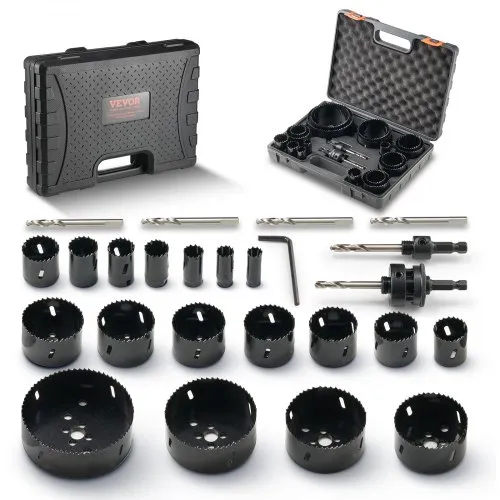
Most routine cutting tasks use a standard hole saw, and how long it holds an edge depends on the material being cut. Bi-metal hole saws feature a flexible steel body and a tougher cutting edge that can withstand repeated use when cutting wood, plastic, and thin metal. These are the general-purpose choices in most hole saw bit sets, handling everything from cutting electrical boxes to installing door hardware without requiring a specialty bit for every task. Carbide teeth stay sharper longer than bi-metal teeth on denser materials such as hardwood, fiberglass, or abrasive composite panels, further increasing durability.
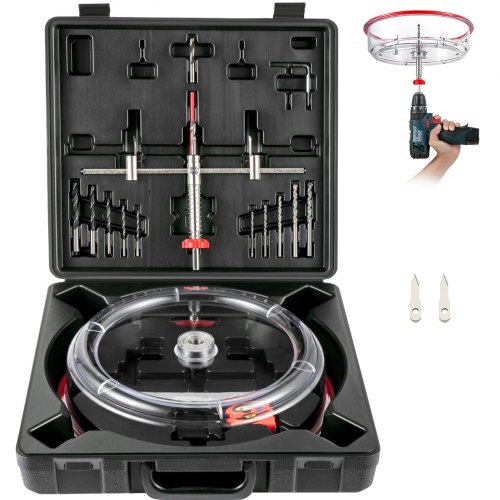
The term tipped hole saws refers to the same carbide-tipped construction, but it is expressed differently depending on how a listing calls it. Both refer to a bit designed to outlast standard bi-metal versions on more demanding cutting duties. Instead of employing a fixed-diameter blade, adjustable hole saws use an expandable cutting arm. This lets one tool cut a range of hole sizes without needing a full set of fixed-size saws. Bi-metal, carbide, and adjustable options cover most wood and metal cutting needs without requiring masonry-rated bits.
Concrete and Masonry Hole Saws
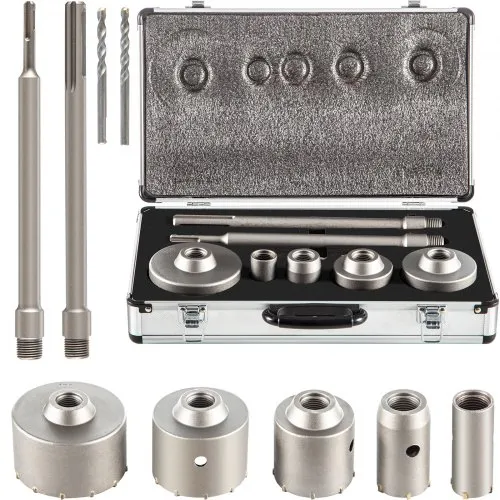
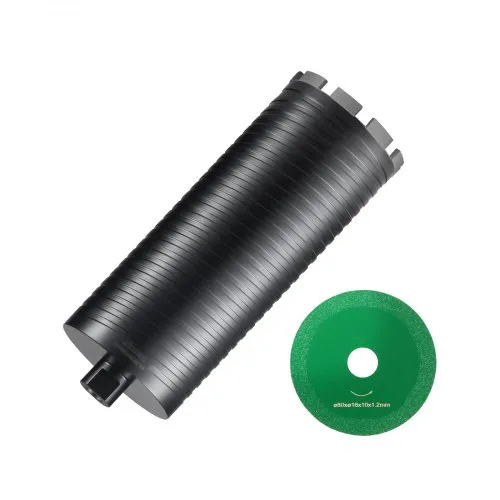
Compared with wood or metal, concrete and cement require a completely different cutting technique. The terms concrete hole cutter, concrete hole saw, cement hole saw, masonry hole saw, and concrete hole saw bit all refer to essentially the same product: a carbide- or diamond-edged saw designed to cut through poured concrete, block, or brick. You usually use it with a compatible drill to provide the cutting force required for denser materials. Cutting a clean, full-diameter hole in masonry for pipes, vents, or electrical runs serves the same purpose regardless of the tool you use.
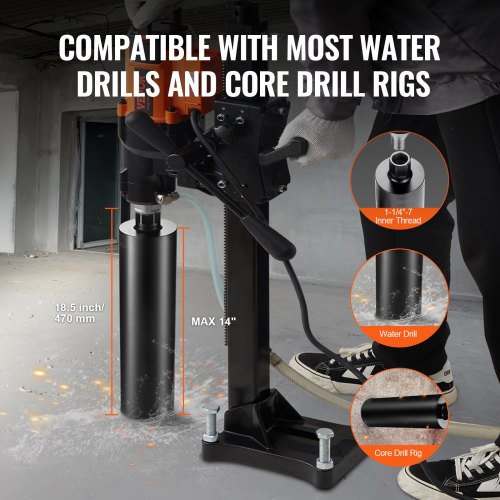
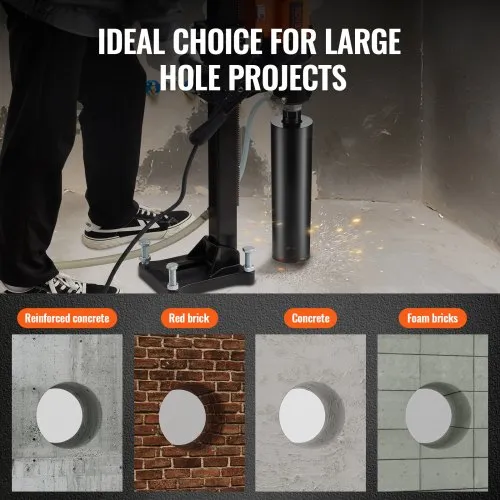
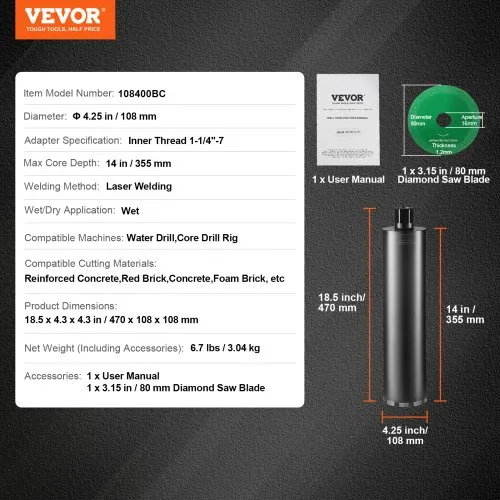
When a job requires more than one hole size, a concrete hole saw kit saves money by bundling multiple diameters with the arbor and pilot bit you need to get started. This is beneficial for anyone working on a complete project rather than just one hole. For larger-diameter holes or repetitive coring work on a construction site, concrete core drill bits are a related but significantly different type of tool, usually used with a dedicated core drill rig rather than a handheld drill. This category handles most residential and light commercial masonry cutting without industrial-grade core drilling equipment, thanks to standalone masonry hole saws and complete concrete hole saw kits.
Diamond Core Bits and Drill Core Bits
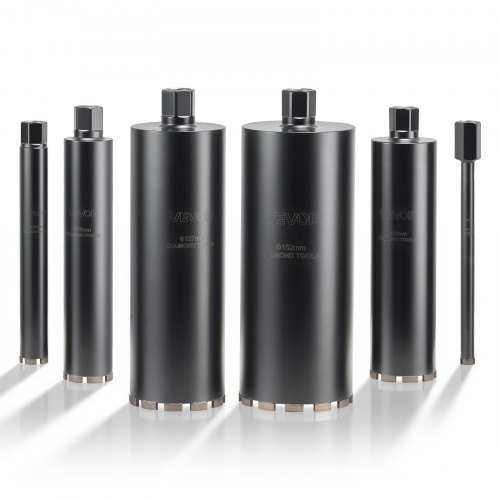
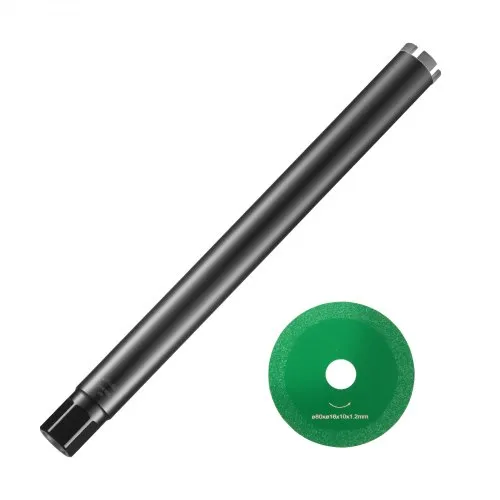
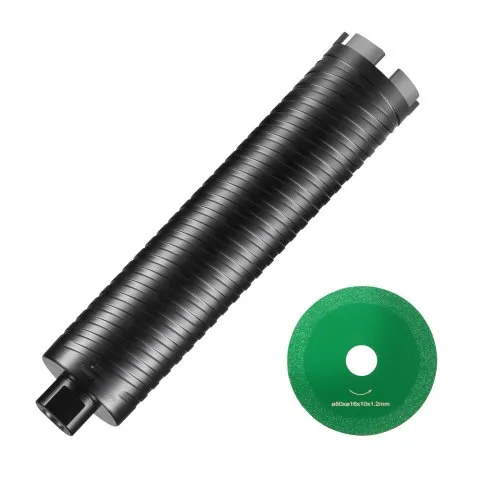
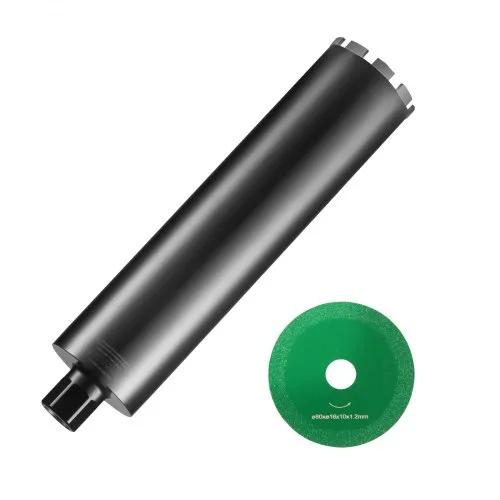
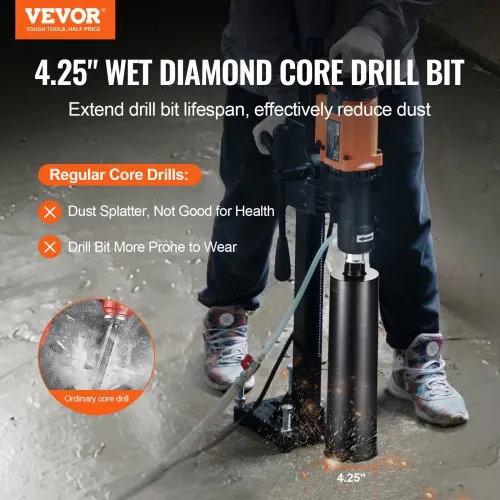
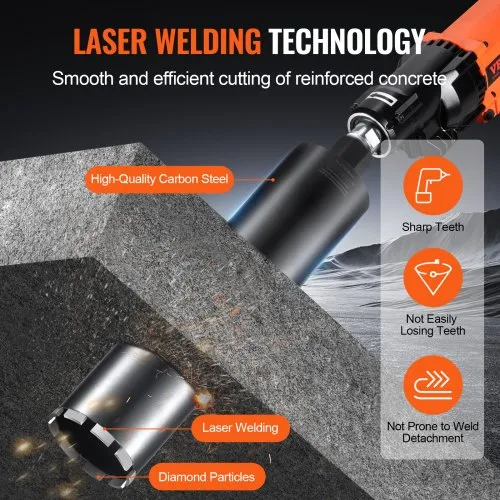
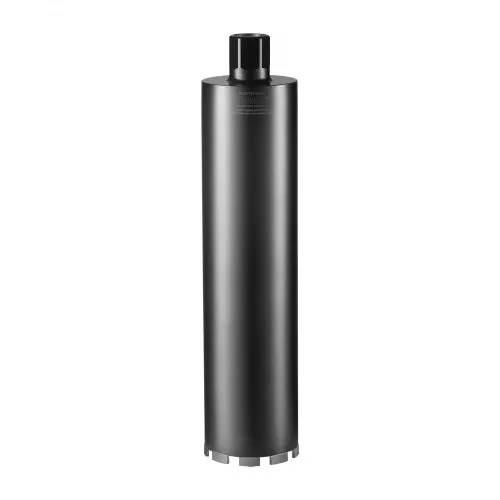
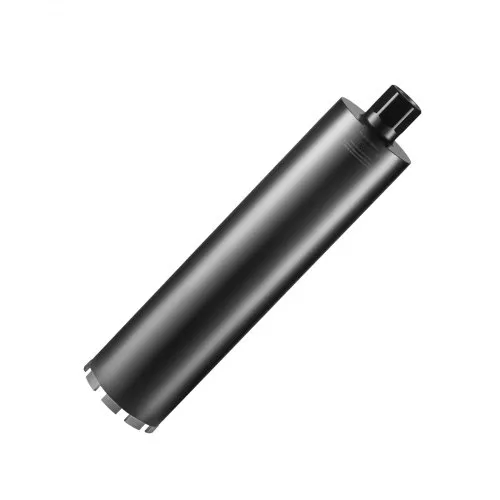
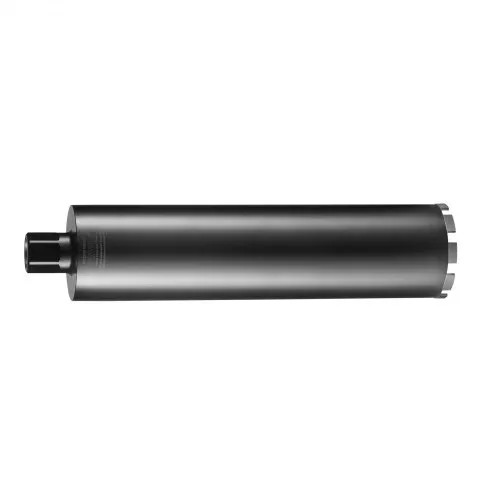
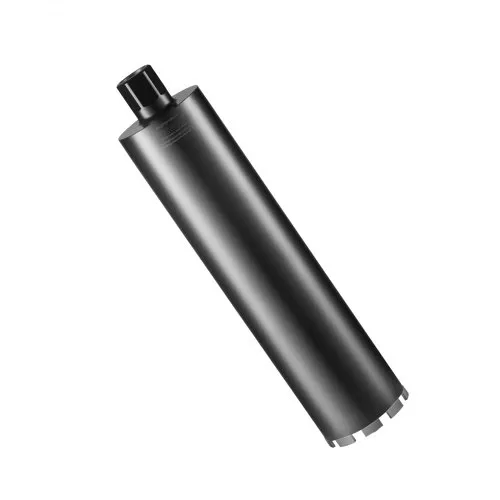
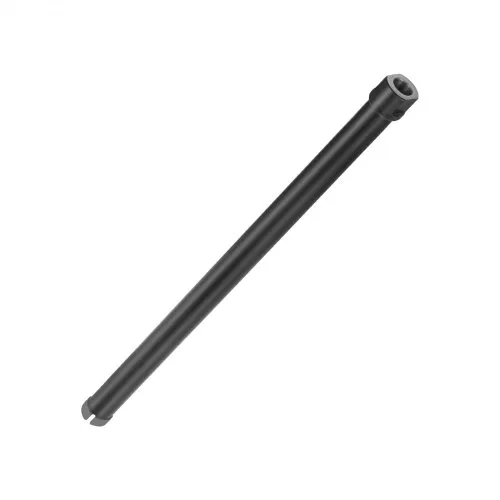
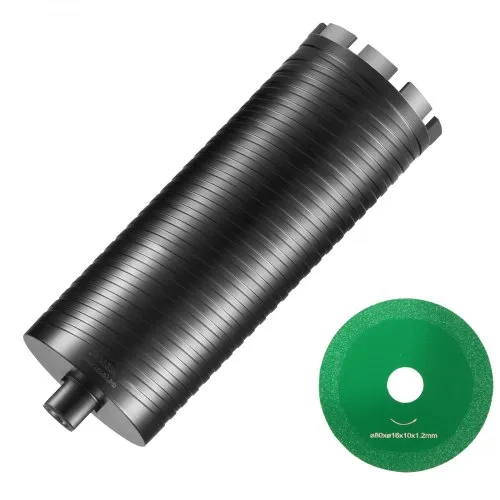
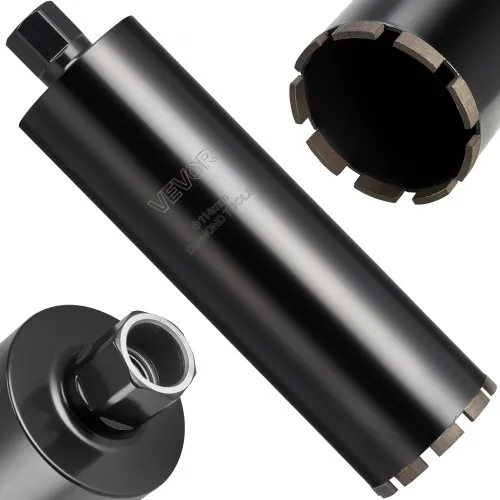
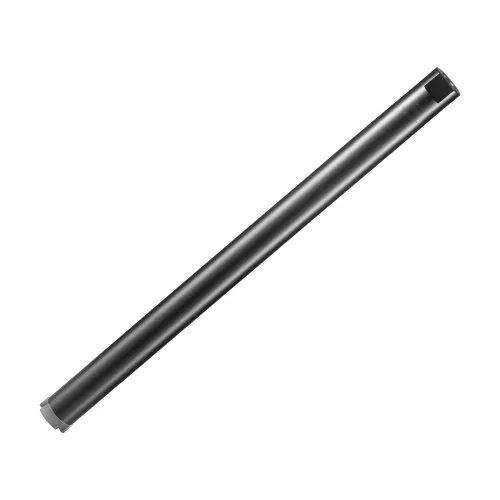
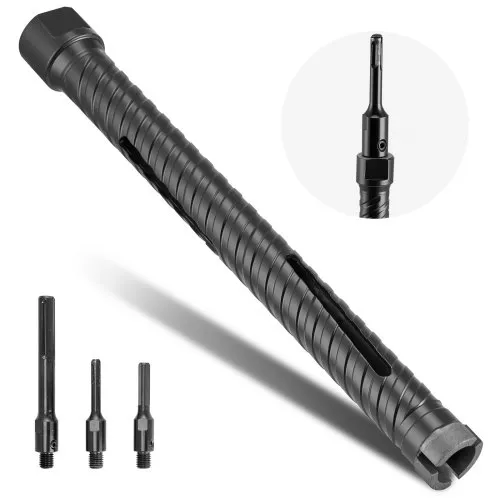
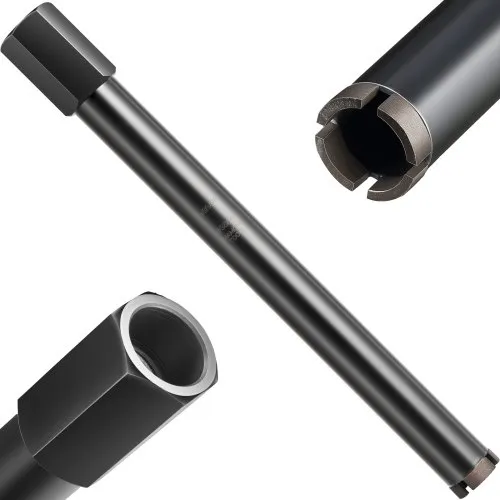
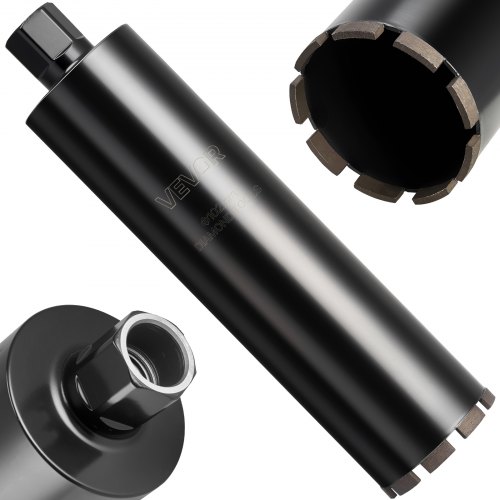
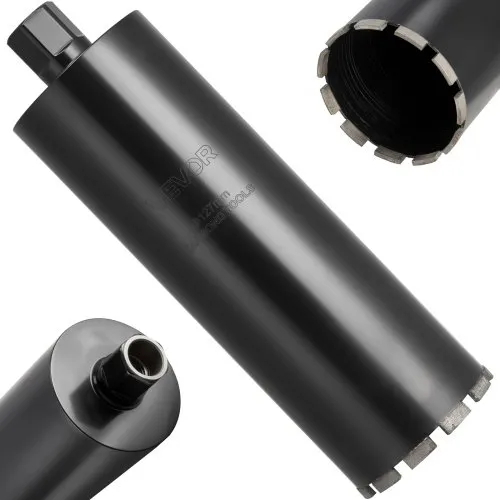
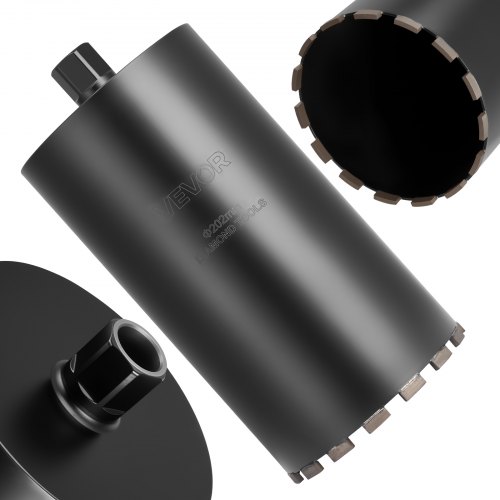
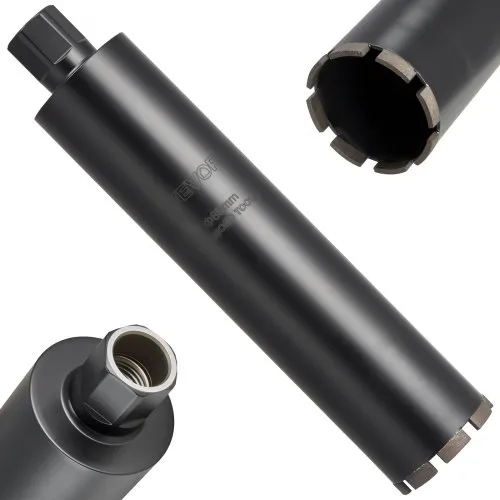
Diamond replaces carbide when a task requires the cleanest cut possible through the hardest materials. Instead of carbide teeth, diamond core bits use a diamond-coated cutting edge that cuts through tile, natural stone, and reinforced concrete without the chipping or cracking a standard masonry bit can cause around the hole's edge. They also run cooler during prolonged cutting, which matters when coring several holes consecutively rather than doing a single one-time task. This same broad category includes drill core bits, which focus on the coring function itself rather than the specific diamond construction. Depending on how a product is listed, the two terms overlap significantly.
Mag drill bit kits combine annular cutters with a magnetic drill press base for larger-scale coring tasks. This lets the tool anchor to steel surfaces for precise, vibration-free holes that a handheld drill cannot match on structural metal. This group includes wood core drill bits, sized and shaped to cut clean, full-diameter holes in wood rather than concrete or metal. These bits are useful for larger plumbing or wiring penetrations through beams or framing. This group covers larger coring jobs that require more than a simple hole saw, including diamond, standard core, and mag drill options.
Annular Cutters and Specialty Sets
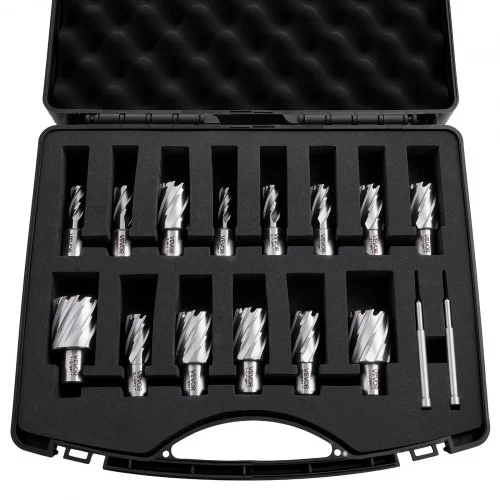
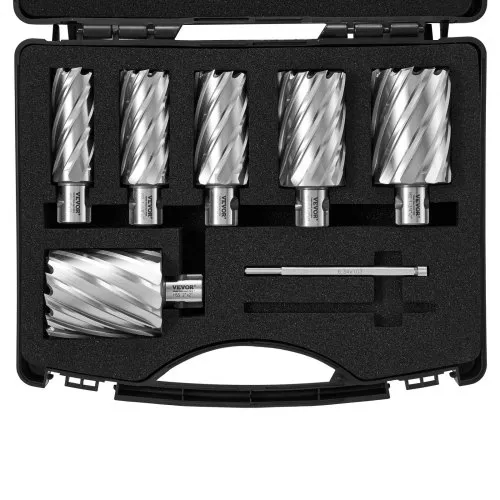
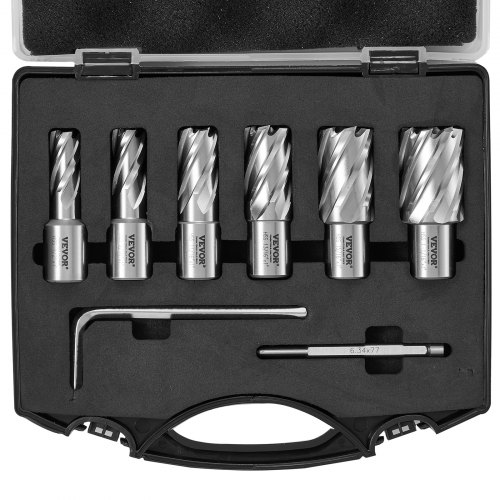
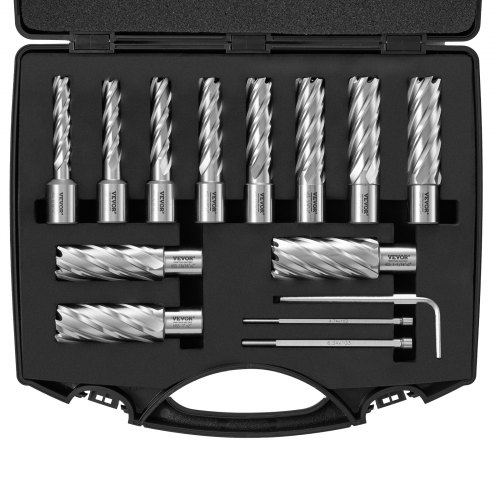
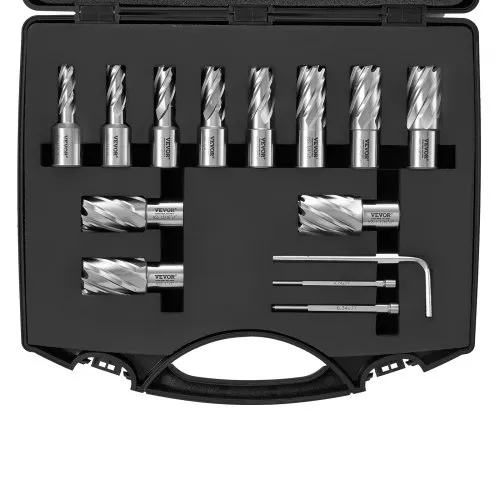
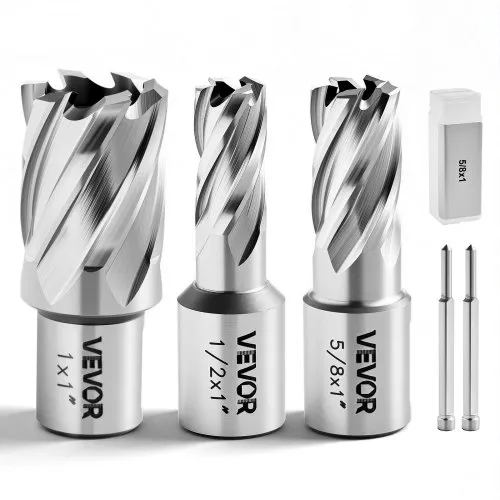
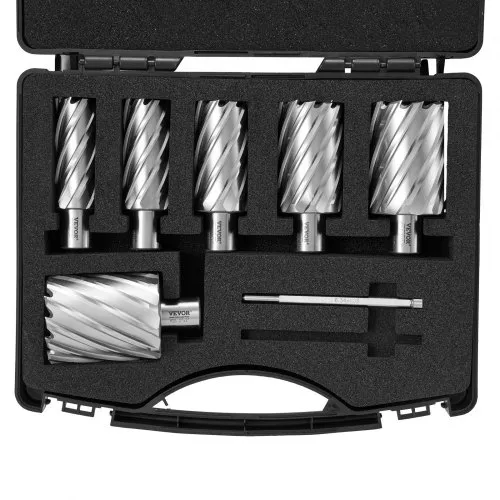
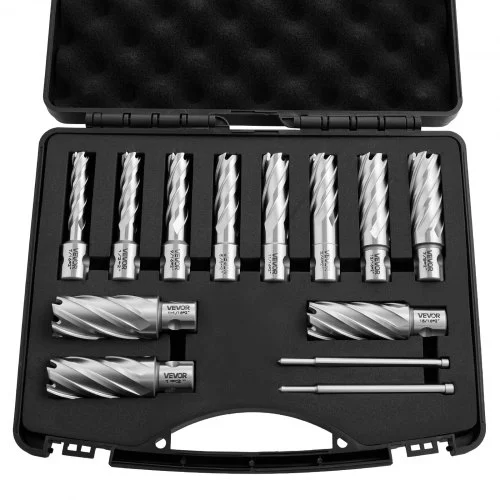
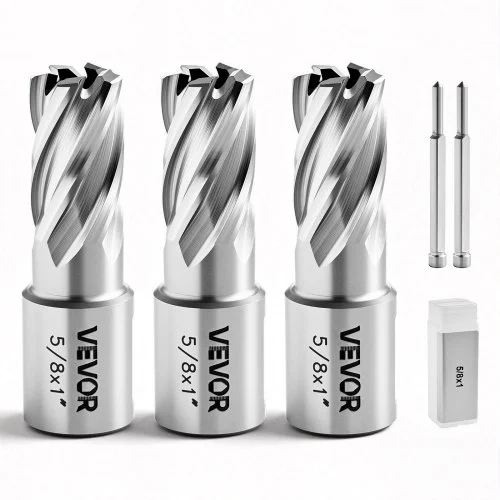
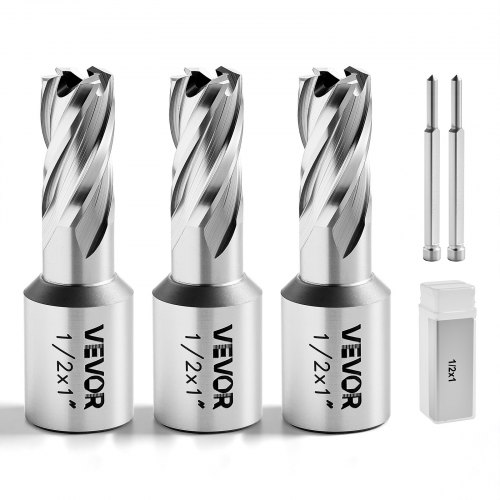
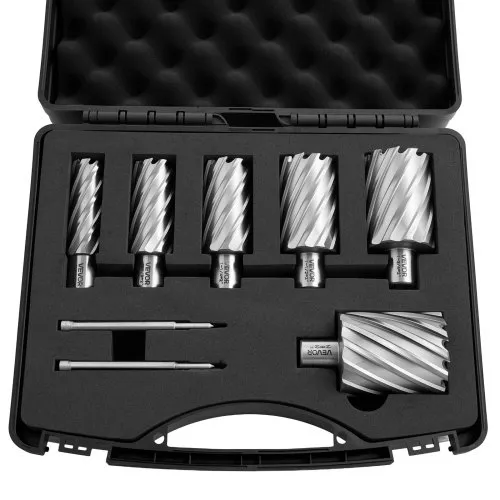
A completely different cutting form is required for metal manufacturing. Usually installed in a magnetic drill press rather than a handheld drill, annular cutter sets use a hollow, cylindrical cutting profile with teeth surrounding the cutting edge to drill precise holes through structural metal and steel plate. Because they remove only a ring of material rather than the entire core, these cut faster and run cooler than a twist bit of the same diameter. This is important for anyone drilling repeated holes through thick steel on a job site.
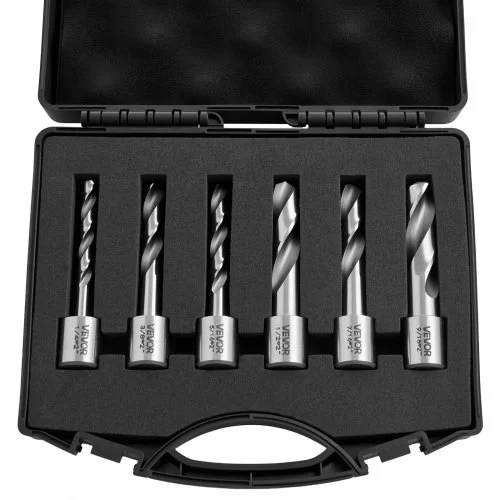
Hole saw kits and cutters combine several diameters into a single case for those who prefer to buy sets rather than individual bits. This lets them cover the range most jobs require without buying each size separately. Step drill bits solve a similar but distinct issue by cutting multiple hole sizes with a single stepped bit rather than a full-diameter saw. This works well on thin sheet metal or electrical boxes, where a typical hole saw tends to grab and tear the material. This group includes step bits, annular cutters, and general hole saw kits for specialty cutting needs not covered by standard wood, metal, or concrete hole saws.
Choosing Hole Saw Bits by Size and Set Configuration
Bit type is only part of the decision. Cutting diameter and set configuration influence whether the hole saw bits you buy actually cover the jobs you run into.
Matching Size to the Job
Hole saw sizing follows the diameter of whatever's traveling through the hole, whether that's a pipe, conduit, or cable run, and getting this wrong means a redo on a task that's already partway done. Check the actual outside diameter of the pipe or fitting traveling through the hole, not just its labeled size, since nominal plumbing and conduit sizes don't usually match their real outside dimensions perfectly. Sizing up slightly makes fitting easier, but oversizing too much creates a gap that will need patching or sealing later.
Size matters just as much for concrete and masonry work. Still, instead of the pipe, use the sleeve or fitting as the reference point, since concrete hole saw kits are typically used on conduit sleeves that need a bit of clearance for sealant or fire-stopping material. Check the manufacturer’s specs for the fitting or sleeve so you don’t end up with a hole that’s too tight to seat correctly or too loose to hold a seal. On each hole saw bit product page on VEVOR, the cutting diameter and arbor size are clearly listed, making it easier to match a bit to the job than to guess from a rough measurement.
Buying Kits vs. Individual Bits
When a project requires a single size, it makes sense to buy a hole saw or bit for that size only, keeping costs down for a one-off repair, such as replacing a single damaged bit from an existing set. Typically, it's cheaper for a spec build than for general-purpose use across several projects. If you’re doing a variety of tasks, it makes more sense to buy hole saw kits and concrete hole saw kits that combine several diameters and sometimes several bit types into one well-organized box.
If you are a contractor, a member of a maintenance crew, or just someone who doesn't know what size hole you will need for tomorrow's job, the size matters. Running out of a size mid-job costs more time than the extra money spent buying the whole kit upfront. The same logic applies to kits for mag drill bits and annular cutter sets for metal fabrication: bundle sizes so the right cutter is available, rather than running to a supplier mid-project. A kit with loose pieces rattling around in a flimsy container wears out faster than one with a molded, labeled tray that keeps each bit in its own slot. So when you're shopping for kits, pay as much attention to case quality and organization as you do to bit count.
Why Choose VEVOR Hole Saw Bits?
From single bi-metal saws to complete concrete hole saw kits, VEVOR hole saw bits cut wood, metal, and concrete. They're clearly sized, so you don't have to guess before you buy. Without sacrificing the carbide, bi-metal, or diamond elements that define a bit's true lifespan under frequent usage, prices remain reasonable. VEVOR provides everything you need, whether you require a step drill bit for electrical work, an annular cutter set for structural steel, or a diamond core bit for reinforced concrete. Choose the right piece for your next project by browsing the full selection.
FAQs
What's the difference between a concrete hole saw and a diamond core bit?
Concrete hole saws are useful for standard block, brick, and light concrete since they have carbide teeth. Diamond core bits chip less around the hole edge and cut through tile, stone, and reinforced concrete more cleanly.
Can bi-metal hole saws cut through metal?
Yes, compared to conventional wood-rated saws, bi-metal hole saws handle thin metal and composite materials better. Carbide hole saws and annular cutters maintain an edge longer when used repeatedly on thicker or denser metal.
Do concrete hole saws require a hammer drill?
Yes, a hammer drill works best with most concrete hole saws and masonry bits because the increased impact force helps the bit cut through denser material. A typical rotary drill wears the bit faster and runs more slowly.
What makes a mag drill bit kit superior to a portable annular cutter?
Compared to a handheld drill, mag drill bit kits produce more accurate, vibration-free holes by attaching to steel surfaces using a magnetic base. This is especially important for structural steel work that calls for precision and frequent cuts.
Are hole saw kits worth it over buying individual bits?
Yes, for many jobs. Particularly for contractors with erratic sizing requirements, hole saw kits cover more sizes in a single purchase, saving time and money compared to buying bits separately as each new task comes up.
