Drywall Knives





Results for Drywall Knives
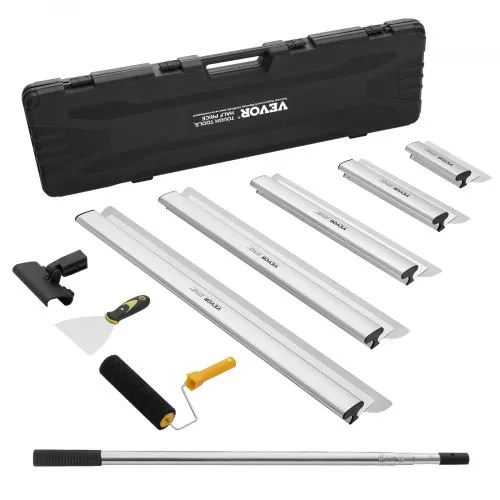
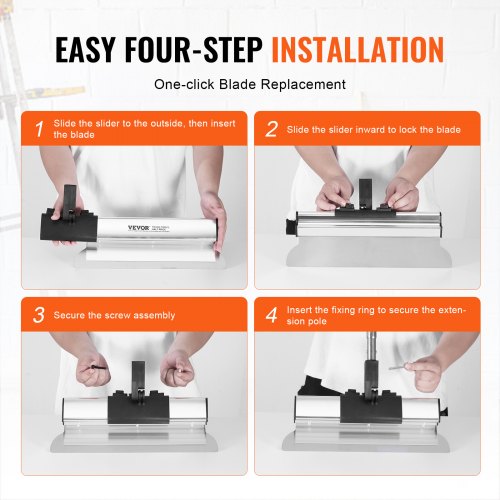
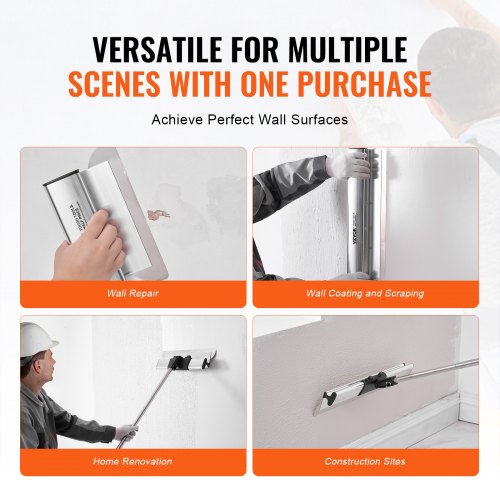
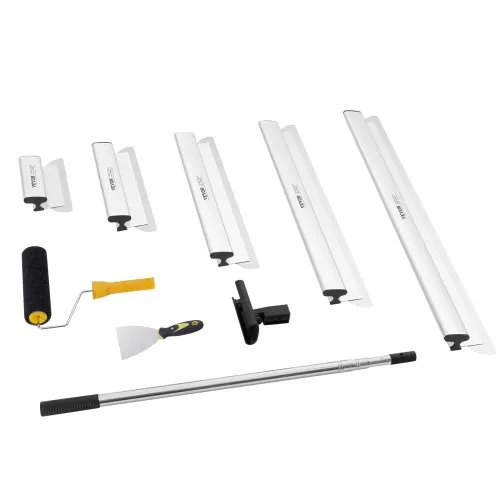
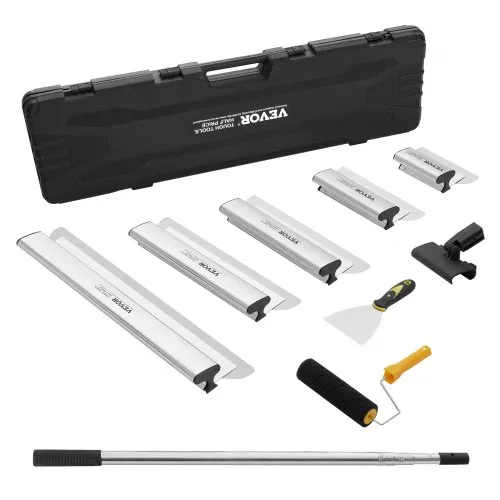
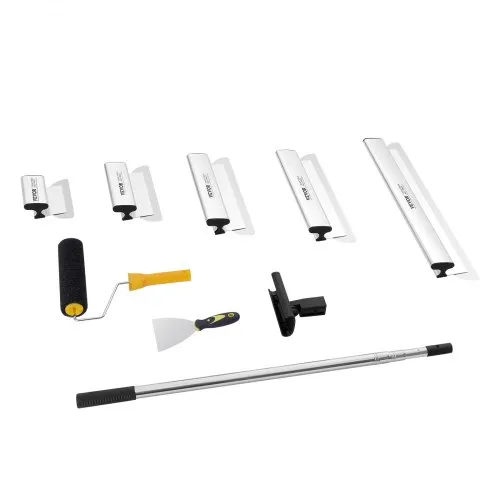
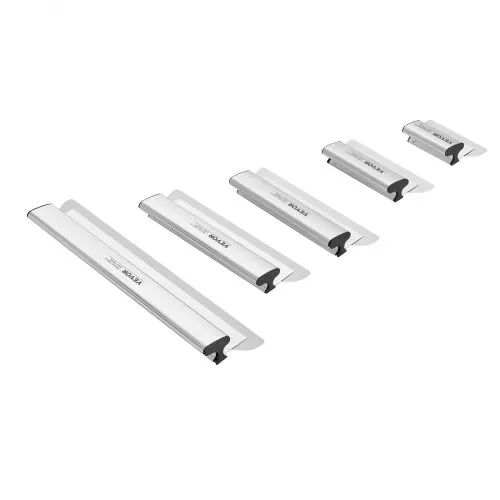
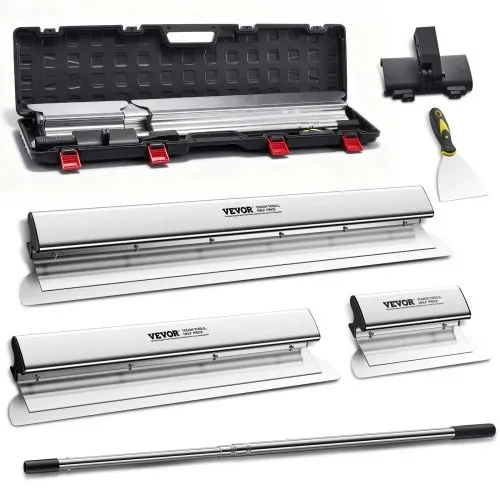
VEVOR's drywall knives cover every step of taping, skimming, and finishing work. This range, including wide 40-inch skimming blades and small smoothing knives, is designed for plasterers, drywall installers, and do-it-yourself renovators. Because each blade is made of stainless steel, it resists rust, flexes uniformly, and glazes out flaws without leaving lines. With VEVOR's full range, you can find the ideal blade type, size, and handle style in one place for both professional crews and weekend project budgets, whether you're skim coating a whole room or finishing a single patch.
VEVOR Drywall Knives with Stainless Steel Skimming Blades for Every Project
Are you removing texture before painting, smoothing joint compound, or skim coating a large wall? From wide-blade finishing to tight corner work, VEVOR drywall knives handle it all. With sizes ranging from 40-inch skimming blades to precision smoothing knives, this range gives homeowners and contractors the ideal equipment for a flawless, professional-grade finish.
Drywall Knives for Skimming and Smoothing Blade Types Explained
Project size and desired finish determine the best drywall knives. VEVOR's selection lets you match the tool to the task, from precision smoothing knives to wide skimming blades.
Skimming Blades for Large Surface Coverage
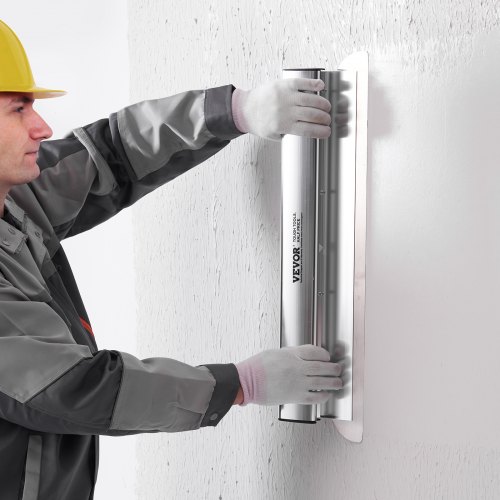
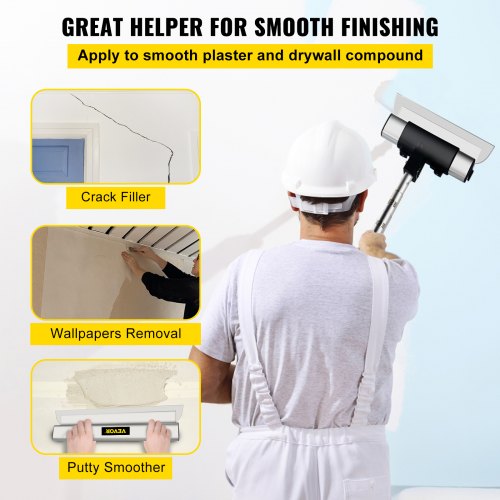
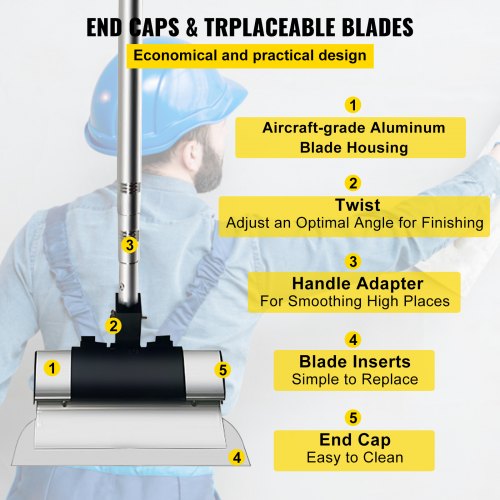
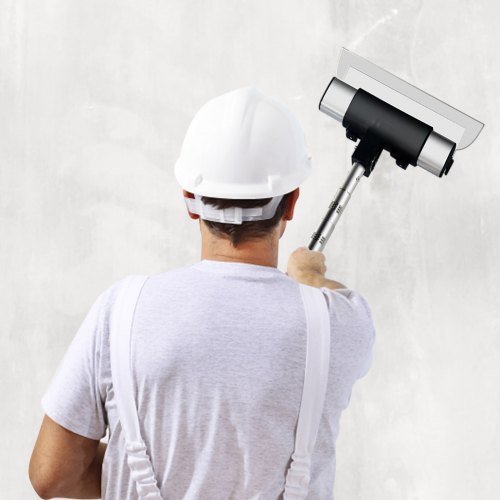
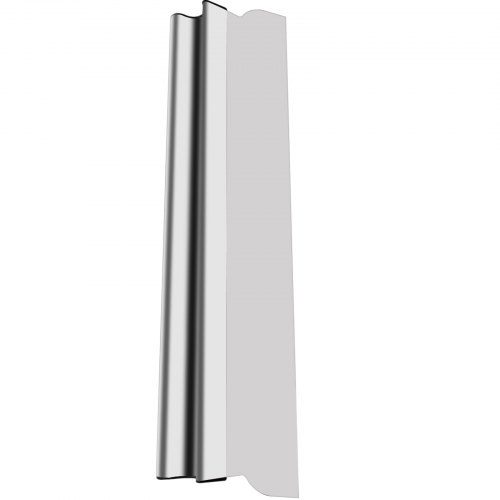
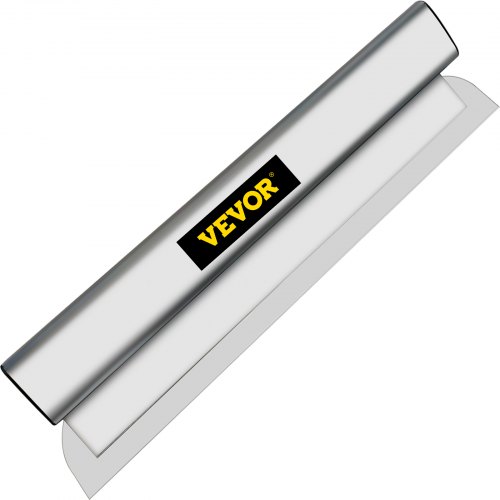
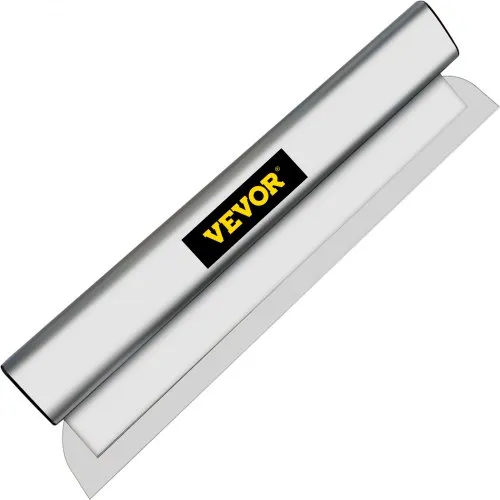
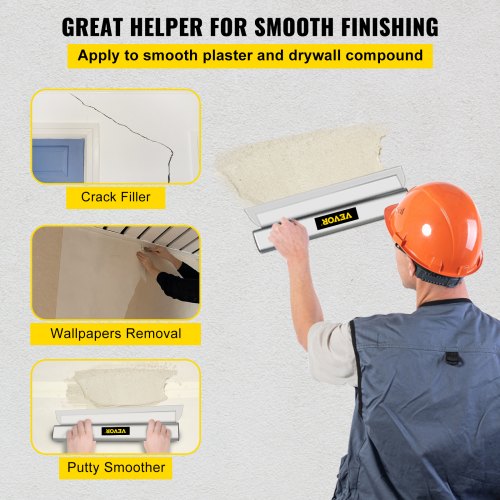
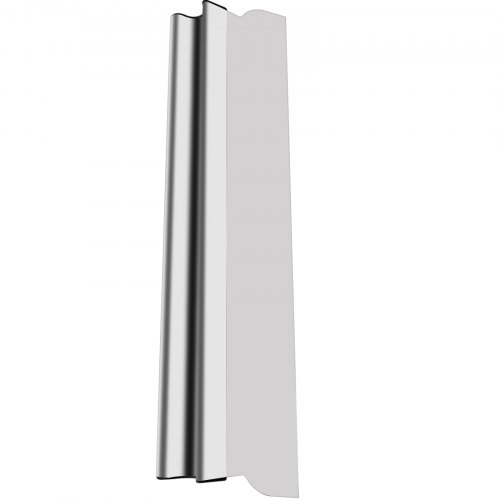
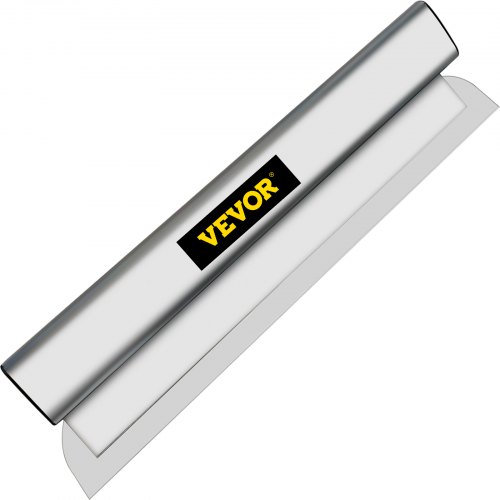
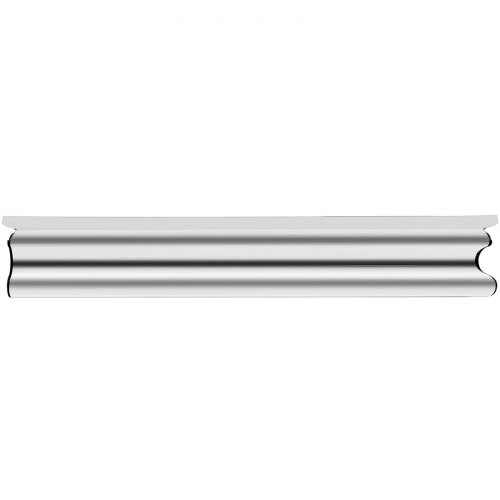
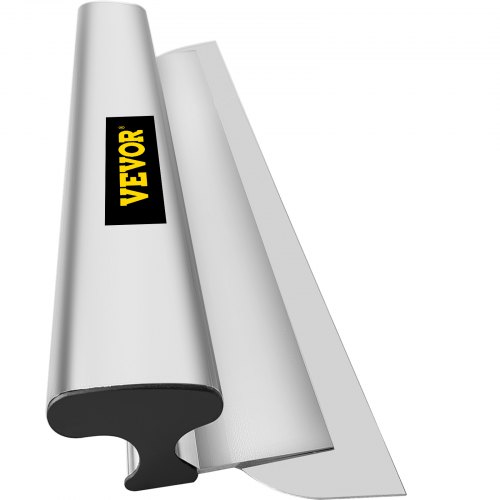
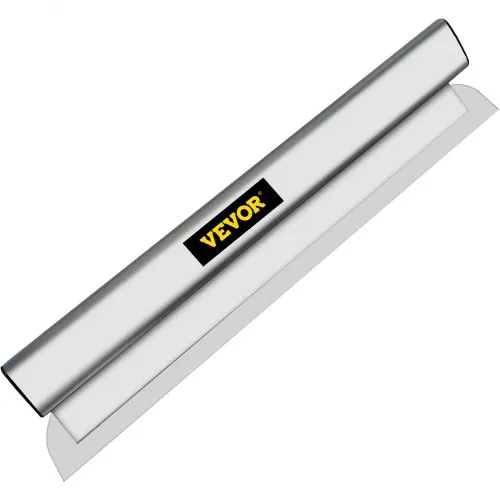
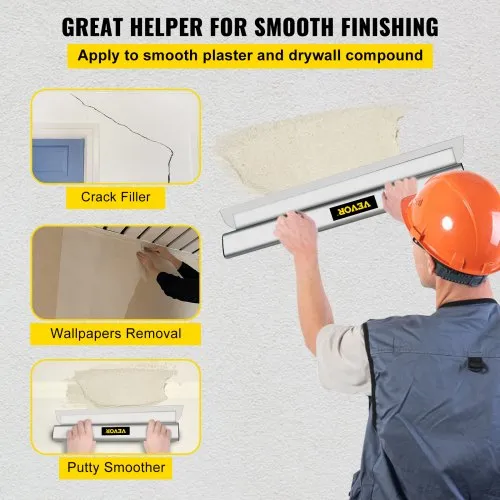
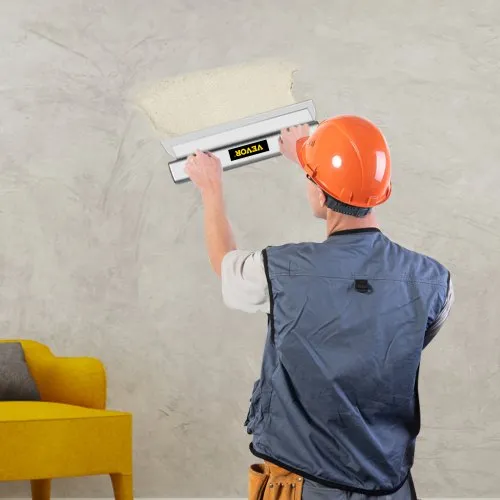
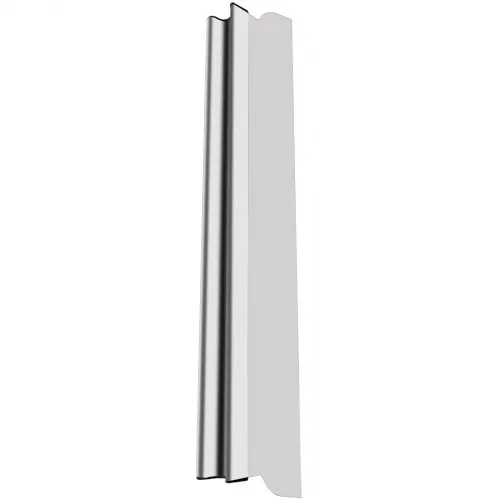
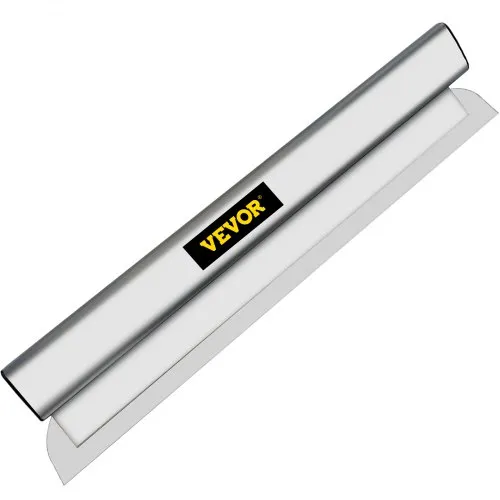
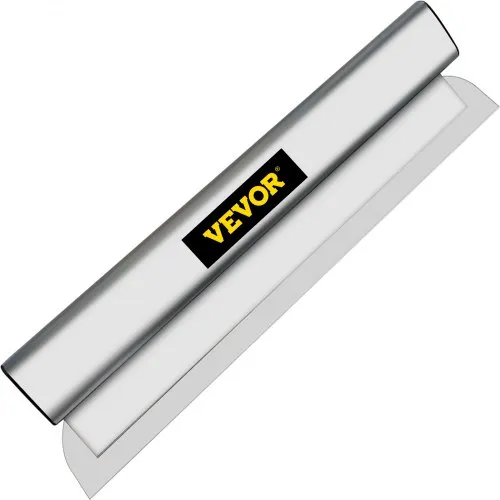
Skimming blades apply a thin, uniform layer of joint compound in fewer passes across large drywall surfaces. Unlike regular tape knives, a drywall skimming blade bridges seams, textures, and small wall flaws without digging in or leaving ridges, thanks to its wider, flexible steel edge that bends slightly under pressure. This makes skimming tools especially useful for resurfacing a whole room, preparing to remove popcorn ceilings, or repairing water-damaged areas where a smooth, uniform base coat is needed before painting.
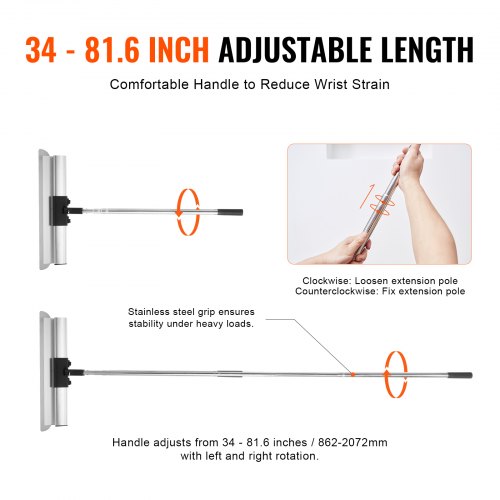
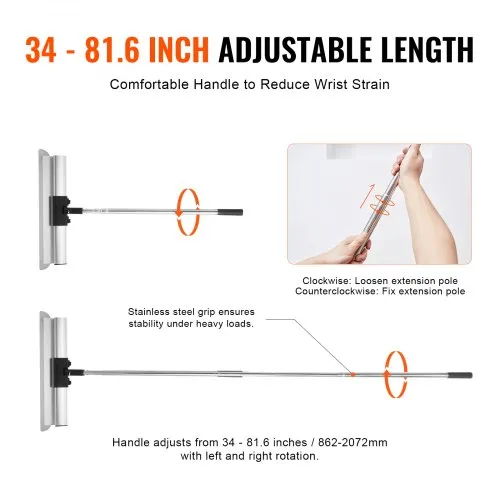
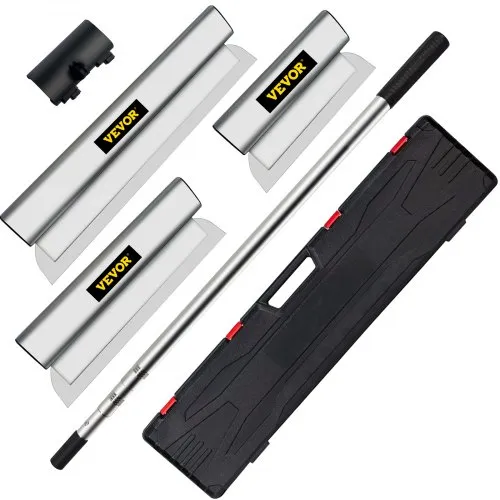
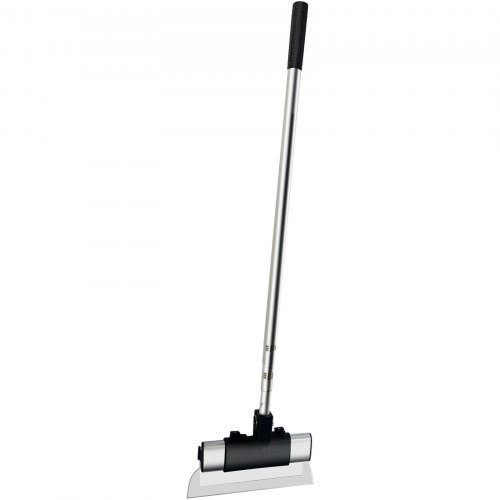
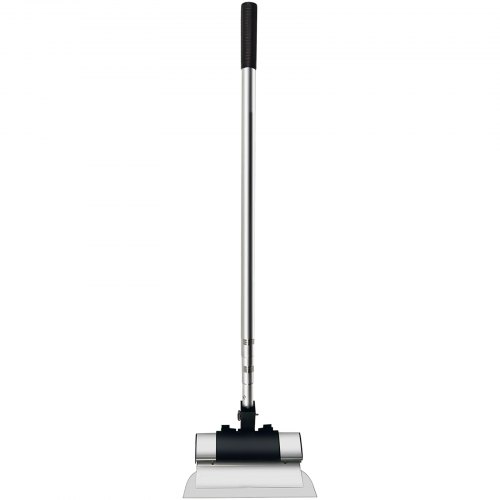
To improve control and reduce arm strain during long skim-coating sessions, VEVOR's drywall skimming blade set usually combines a wide blade with a secondary handle bracket. The primary reason professional plasterers choose a skimmer blade over a regular putty knife for whole-wall work is that the blade flex is calibrated to maintain constant pressure from edge to edge. Using a set of drywall knives made specifically for skimming, rather than thin taping blades, greatly reduces finishing time for contractors bidding on larger resurfacing jobs and produces a notably smoother surface ready for primer.
Smoothing Knives for Fine Finish Work
Skimming blades cover a lot of ground. The final pass uses a plasterboard smoothing knife. It feathers edges, blends seams, and wipes trowel marks from the previous coats. When working around outlets, corners or repair patches, control is often more important than coverage speed. These knives are generally narrower and stiffer than skimming blades, giving operators more precision.
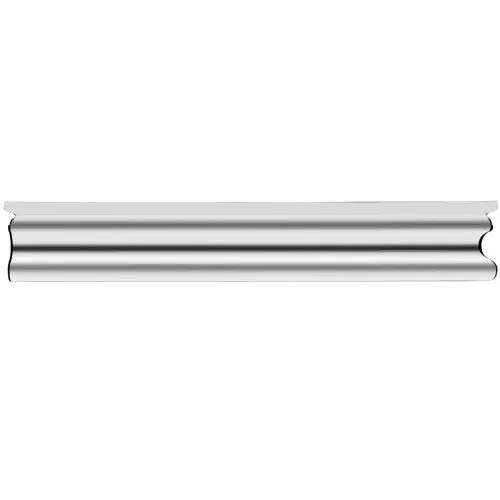
Gouging can come from the pressure points of a smoothing knife, and a good one should have a constant curvature throughout its length. VEVOR’s smoothing knives have a beveled edge that reduces compound drag, so customers can slide the blade across drying mud without ripping up the surface. This is especially true if the goal is to hide the seam on the second or third coat rather than to fill the void.
Having a few drywall knives in various widths on hand, one wider for open wall sections, one narrower for trim and corner detail, covers almost every smoothing scenario for finish carpenters and painters who frequently perform touch-up work. This eliminates the need for a complete toolbox of specialty blades.
Choosing the Right Size: 24, 32, and 40 Inch Blades
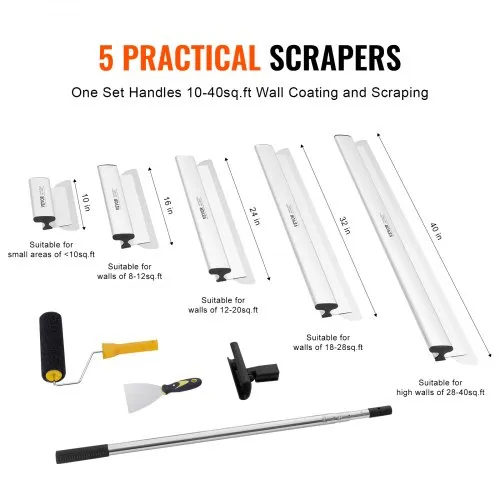
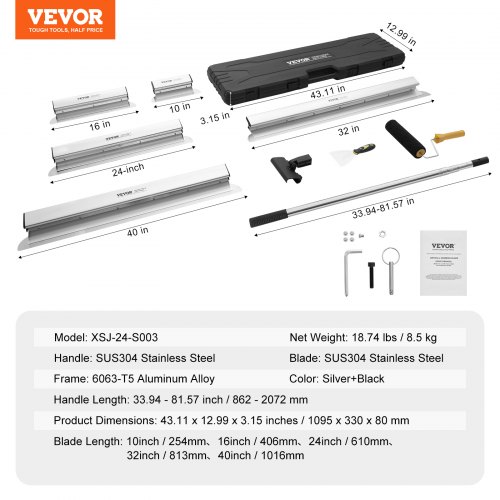
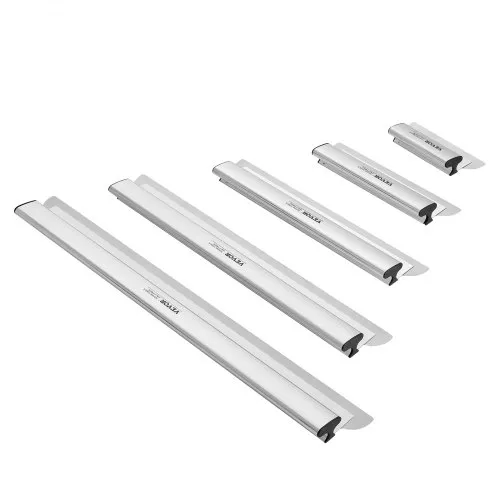
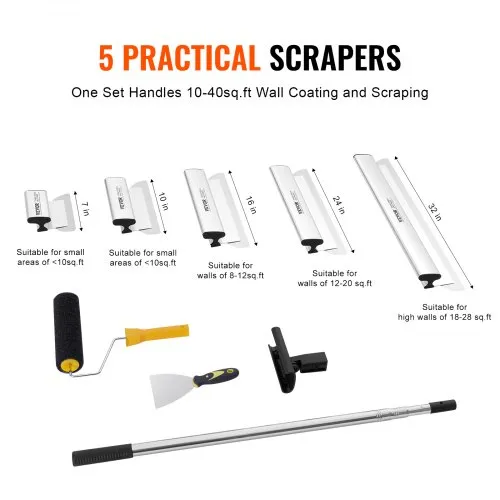
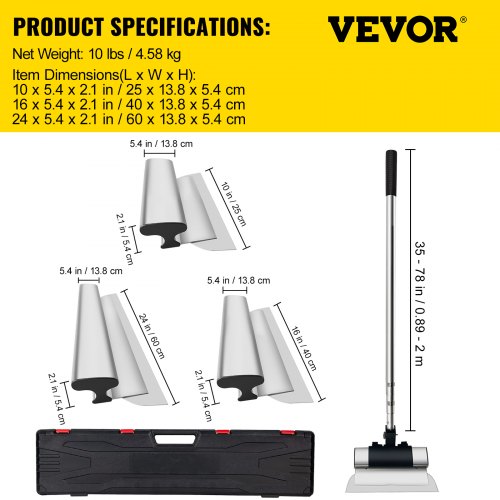
Blade width directly affects the speed and smoothness of the finishing process. VEVOR also has 24-inch, 32-inch, and 40-inch skimming blades. Choose the right size based on wall size, ceiling height, and how far you can reach with one hand, rather than needing a second support handle.
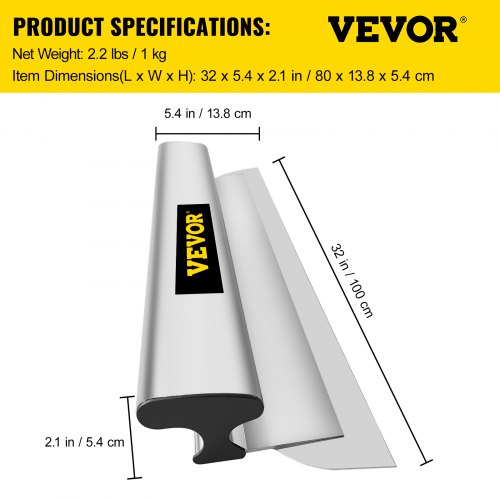
The most maneuverable of the three, the 24 inch drywall skimming blade is ideal for spot repairs, tight spaces, hallways, and closets where a wide blade would be difficult to handle. The 32 inch drywall skimming blade is a popular option for typical residential walls and ceilings because it balances coverage and control.
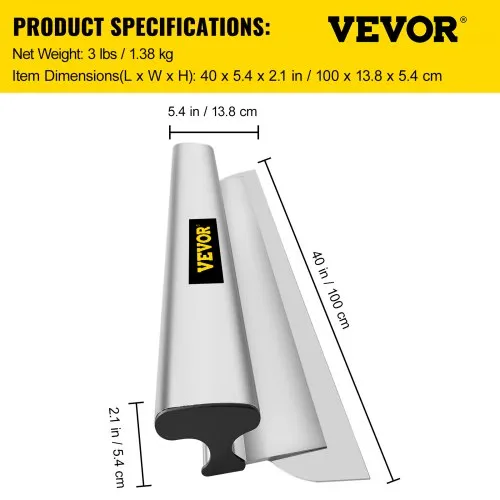
The 40 inch plasterboard skimming blade is designed for big open spaces such as full wall resurfacing, warehouse partitions, or commercial buildouts, where fewer passes and a longer, straighter finish line matter more than precise maneuverability. Many contractors keep several sizes of plasterboard knives on the truck, because skilled finishers often change blade width mid-job depending on the wall section being worked.
Knockdown Spatulas and Specialty Blade Shapes
In addition to straight-edge blades, VEVOR's category offers unique shapes for textural work rather than flat finishing, along with knockdown spatula tools. After applying texture spray, a knockdown spatula levels the peaks of stomp or splatter patterns, giving residential ceilings and accent walls their characteristic layered knockdown appearance.
To prevent gouging soft, still-wet materials, these spatulas usually have a rectangular blade that is slightly flexible and has rounded corners. Here, timing is crucial: a properly flexed blade makes that window easier to work in, and the material must set just enough to hold its shape while staying soft enough to flatten cleanly.
For users working on inset corners, ceiling-to-wall transitions, or repair patches that don't fit a flat blade, specialty-shaped drywall knives, such as offset blades and corner knives, complete the category. Finishers need a full toolkit for both flat-wall and textured-surface work, including a knockdown spatula, a corner blade, and conventional skimming and smoothing blades.
Material and Application: Stainless Steel Drywall Knives for Every Job
The material and intended application of the drywall knives you choose matter as much as their size.
Stainless Steel Construction for Durability
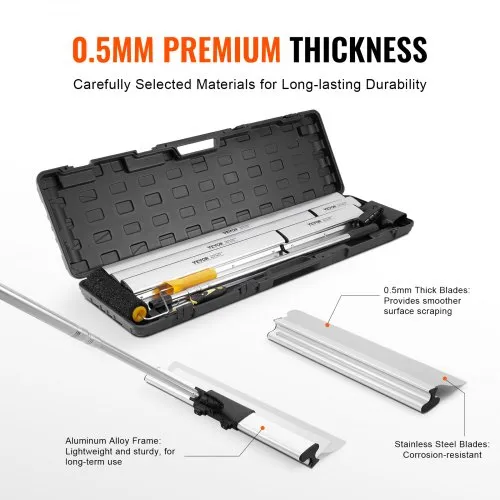
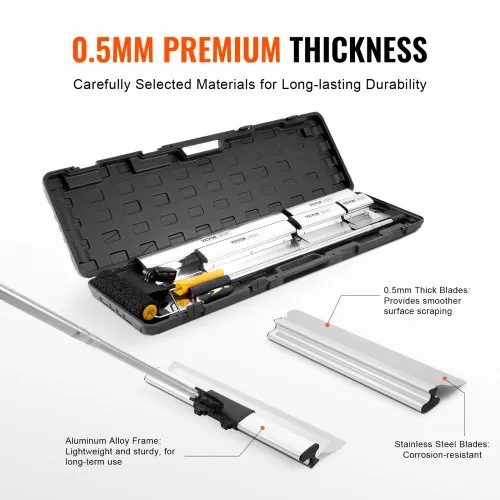
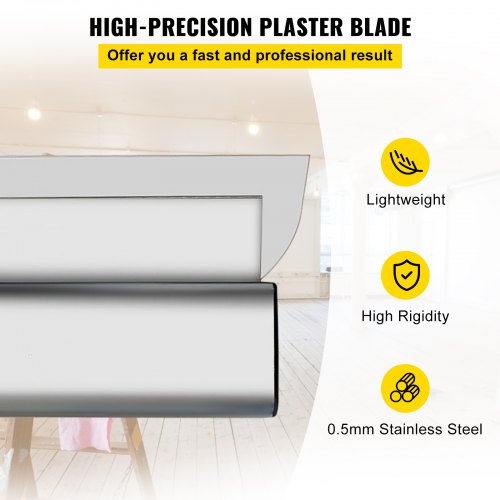
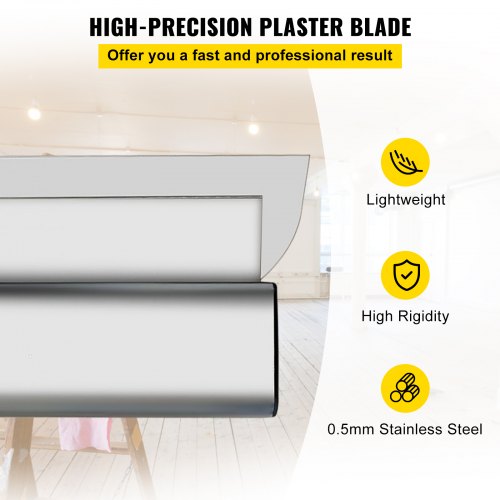
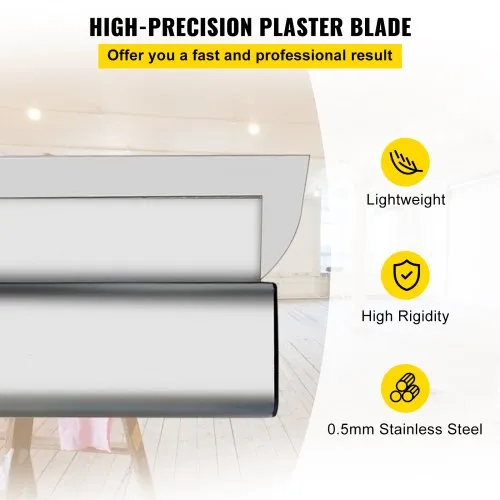
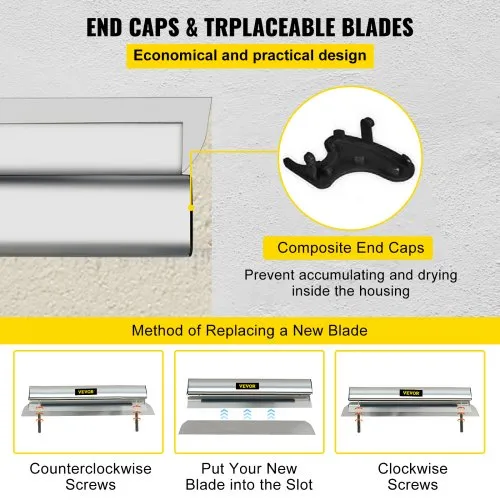
A knife's blade material affects its performance over time, and professional-grade drywall skimming tools are still made of stainless steel. Carbon steel blades frequently pit and rust after repeated exposure to moisture, whereas stainless steel drywall knives resist corrosion from wet joint compound. Over the tool's life, corrosion resistance directly affects finish quality, since a pitted blade drags through compound and leaves streaks.
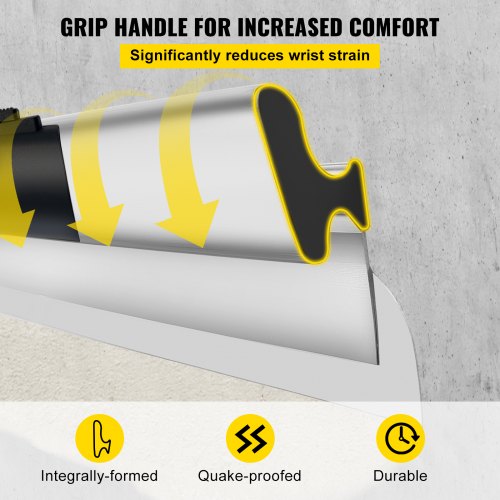
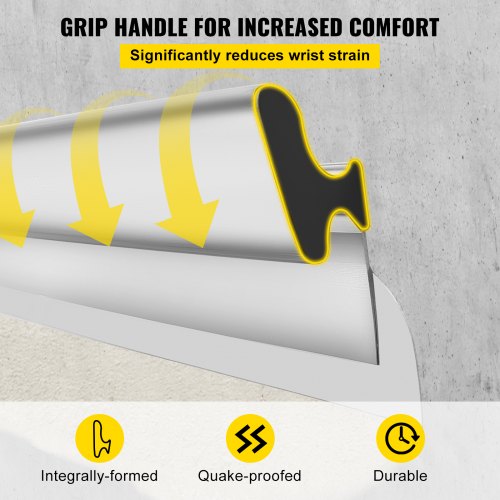
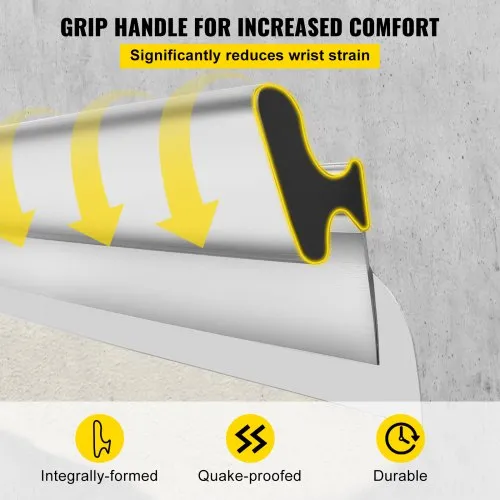
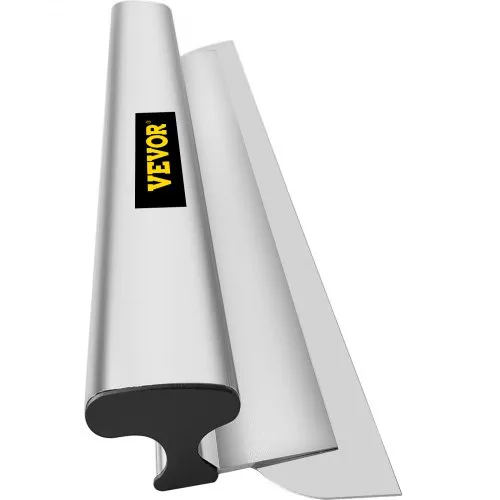
Additionally, compared to less expensive options, VEVOR's stainless steel drywall knives maintain their flex properties longer, preventing the blade from irreversibly warping under typical operating pressure. To reduce hand strain during long skim-coating or smoothing sessions, handles often combine soft-grip or contoured designs. This is especially important on multi-room jobs where a finisher may be holding a blade for extended periods. Stainless steel instead of regular steel means fewer blade changes and more consistent results, coat after coat, for anyone doing repeat plasterboard or drywall work.
Application Across Drywall, Plasterboard, and Gyprock Projects
Plasterboard is the category, but you can use the same blades, sanding spatulas, and plasterboard smoothing tools as the compound and method are almost the same for nearly all types of wallboard. Types of wallboard. Site calls it plasterboard, plasterboard or gyprock. A wallboard skim coating kit with a few blade lengths will do just as well. Typical uses include evening out older walls with obvious texture or patch marks before painting, stripping popcorn ceilings, fixing water damage, taping new construction, and resurfacing accent walls.
Renovation crews commonly use the same skim coat finishing tools on plasterboard and plasterboard jobs because blade flex and edge sharpness matter more than the underlying board material. Multi-use plasterboard knives eliminate the need for a separate blade for each wallboard type so that you can use one toolset for repairs, new construction, and texture removal.
Why Choose VEVOR Drywall Knives?
From 24- to 40-inch skimming blades to precise smoothing knives and knockdown spatulas, VEVOR offers a full line of drywall knives for every step of finishing work. Affordable pricing makes it feasible to supply many sizes without going over budget, and stainless steel construction resists corrosion and stays flexible with frequent use. Contractors and do-it-yourselfers alike can achieve a smoother finish in fewer passes with VEVOR's dependable after-sales support. Choose the ideal blade for your upcoming gyprock, plasterboard, or drywall project by browsing the full assortment now.
FAQs
What's the difference between a skimming blade and a smoothing knife?
Skimming blades are wider and more flexible, used to cover more ground in fewer passes. Smoothing knives are smaller and stiffer and used for final-pass detail work such as merging seams and feathering edges before painting.
What size drywall skimming blade should I buy?
For tiny spaces or repairs, use a 24-inch blade; for typical residential walls, use a 32-inch blade; and for big open surfaces, such as commercial buildouts, use a 40-inch blade. Many finishers have two sizes on hand.
Are stainless steel drywall knives worth the extra cost?
Yes. Stainless steel won’t rust from wet compound and stays flexible longer than regular steel, so it won't streak or warp after repeated use and lasts much longer.
Can the same blades be used on plasterboard and gyprock?
Indeed. Because Gyprock, plasterboard, and drywall all use almost the same joint compounds and methods, the same skimming and smoothing blades can be used with all three varieties of wallboard without any changes.
What is a knockdown spatula used for?
After spraying, a knockdown spatula flattens the stomp or splatter texture peaks to provide the layered knockdown appearance. Instead of flat wall finishing, it is applied to accent walls and ceilings.