Drywall Tools



















Results for Drywall Tools
Browse a full selection of plasterboard tools for weekend DIYers, contractors, and renovators. With corded and battery sanders, taping knives, mud pans, and complete accessory kits, VEVOR covers every step of the process, from applying joint compound to feathering the final coat. You can find the right reach, power, and dust control at prices that keep project budgets under control, whether you are repairing a single bedroom wall or completing a whole new construction.
VEVOR Drywall Tools for Fast Sanding, Smooth Finishing, and Clean Ceilings
Are you tired of spending hours inhaling white dust while scrubbing ceilings from a shaky ladder? VEVOR's plasterboard tools are made to keep you on your feet, work quickly, and finish walls without rework. Brushless motors maintain their speed under load, long telescopic handles reach high corners, and integrated hoover ports remove dust before it ever touches your floor.
Choosing the Right Sander Type and Power Features for Your Drywall Tools Setup
Not every wall requires the same tool. The single choice that saves the most time on site is matching the sander type and motor specifications to your workload.
Electric Drywall Sanders for All-Day Corded Power
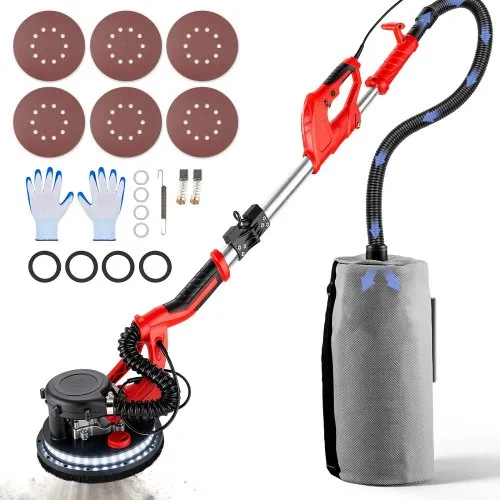
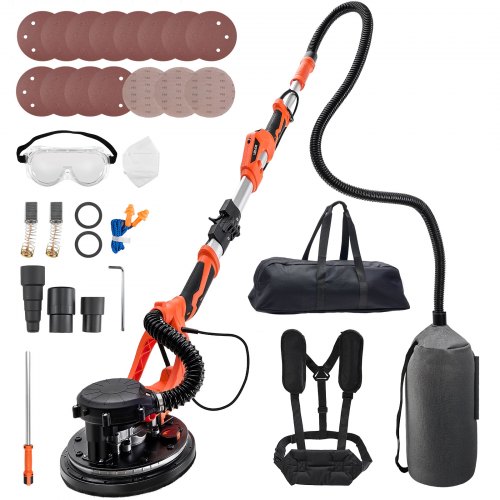
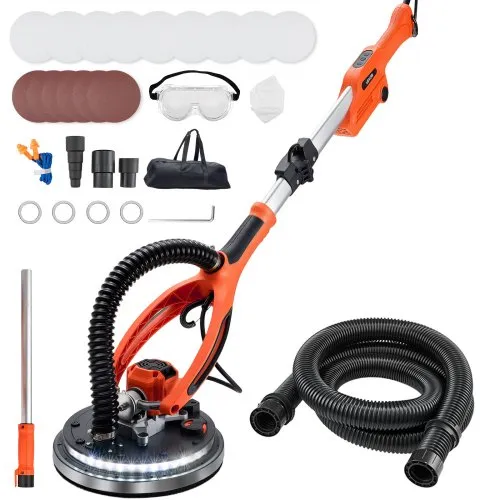
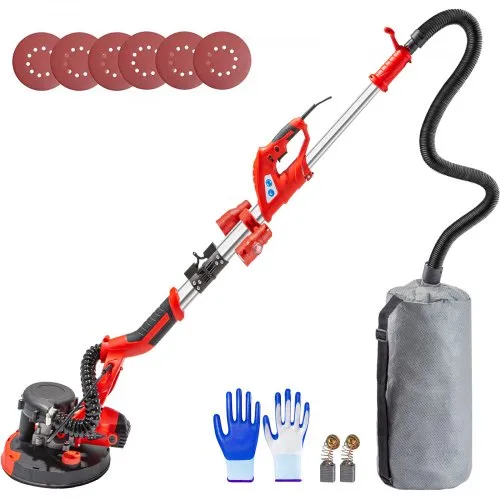
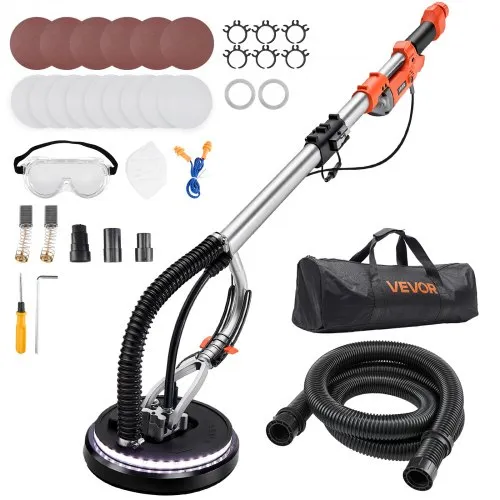
For finishing entire rooms instead of just small areas, electric plasterboard sanders remain the best option. When you are leveling a whole ceiling in a single session, a corded machine can't slow you down. Typically, VEVOR corded models have motors that run between 750 and 1200 watts, spinning sanding heads quickly enough to smooth ridges and lap marks in a single pass. Professional plasterboard tools differ from light consumer units that stall as soon as you apply more pressure, thanks to their consistent output.
Examine both the motor and the head design. A brush ring around the disc keeps dust close to the surface, and a pivoting sanding head follows the wall's contours rather than digging into corners. The most reliable configuration for remodeling teams working in occupied homes is still a shop vacuum and corded electric plasterboard sanders. You get consistent torque, no need to change batteries, and a finish that resists side lighting.
Cordless Drywall Sanders for Freedom Across the Site
Every finisher is familiar with the challenge of carrying a cord over scaffolding, across doorways, and around recently taped corners. Cordless plasterboard sanders provide a solution. Battery power lets you move between rooms and floors without hunting for an outlet. The majority of the performance gap has been closed by modern lithium packs. Before you need to recharge, a 20V platform with a large-capacity pack can easily handle small rooms, ceiling touch-ups, and patchwork.
Battery drywall tools are particularly useful for external soffits, remodeling projects where electricity may not yet be connected, and scaffold work where a trailing cord poses a real trip hazard. Many crews use one corded machine for volume sanding and one cordless unit for access work. Get a second pack right away and see whether you can share the battery with any other tools you already own. A cordless sander can transform from a convenience tool into a primary machine you can use all day, thanks to two rotating batteries.
Telescopic Wall Sanders and Foldable Sheetrock Sanders for High Reach
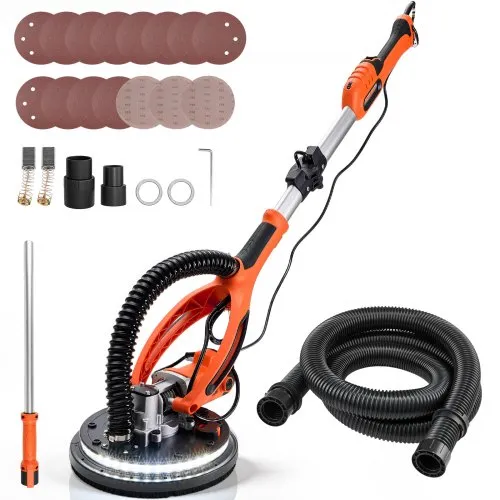
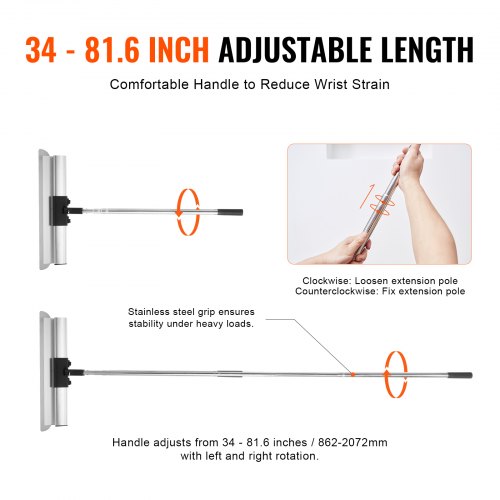
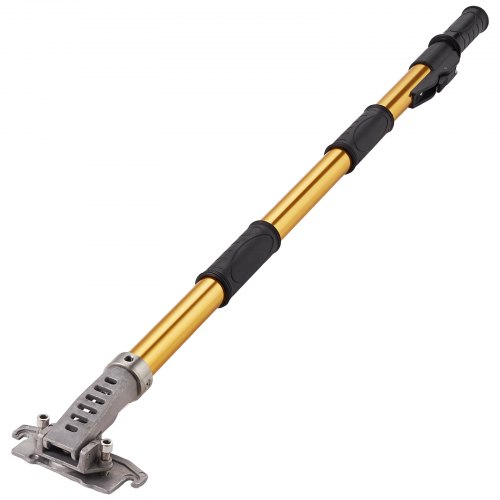
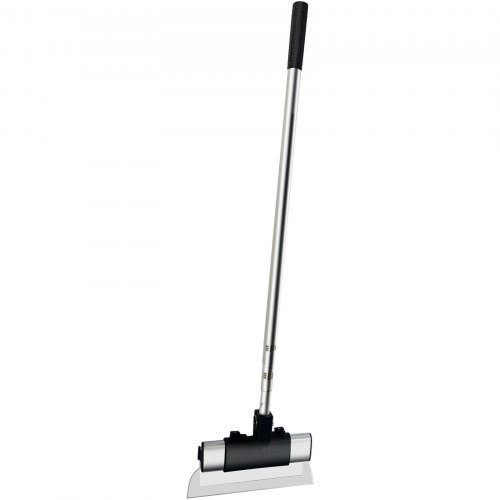
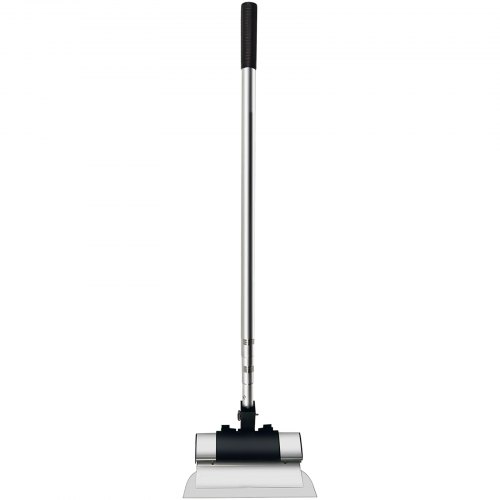
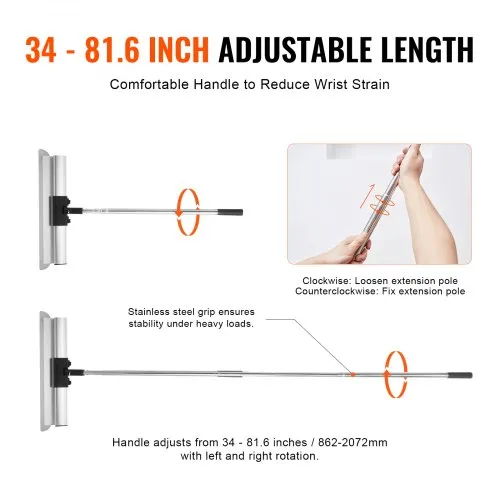
Reach beats raw power on stairwell walls and ceilings. You can sand a typical ceiling with both feet flat on the ground thanks to telescopic wall sanders, which range in length from about 4 feet to well over 6 feet. By hinging in the center, foldable sheetrock sanders go one step farther. When folded, they fit into a van shelf or a car boot; when extended, they span the same ceiling as a fixed pole machine. The storage savings are significant for someone operating from a tiny car.
Weight distribution matters more than total weight. Over a two-hour session, a machine that places the motor close to your hands rather than at your head feels much lighter and puts less strain on your shoulders. After the texture has softened, these are the preferred tools for removing popcorn from ceilings. The pivoting head keeps the disc flat so you don't damage the board underneath, and the extended reach and wide sanding head quickly remove previous textured coatings.
Brushless Motors and Variable Speed Control
If you sand frequently, brushless motor plasterboard sanders are a worthwhile upgrade. The motor runs cooler, lasts longer, and puts more power into disc rotation rather than heat because it has no carbon brushes to wear down. Consistency is a useful benefit. When you lean into a hard ridge, a brushless unit maintains its set speed, but a brushed motor bogs down and leaves a noticeable dip that requires you to skim again.
You get the other half of that control with variable speed wall sanders. For fine feathering over tape joints, run at 800 to 1200 RPM. For thick compound or uneven texture, push toward 1800 to 2200 RPM. Speed control also protects the board's paper face. A dial that lets you start slowly is real protection, not a marketing gimmick, since new plasterboard equipment in inexperienced hands often does the most damage at full speed on a thin coat.
Dust Collection and Accessories That Complete Your Drywall Tools Kit
The system consists of more than just the sander. What you attach to it determines the final surface's appearance and how clean the work area remains.
Dustless Drywall Sanders and Vacuum Systems
Dustless plasterboard sanders use a shrouded head attached to a vacuum hose to collect small gypsum particles at the source. Effective systems remove 85 to 95 percent of airborne dust before it enters the room. First and foremost, this is a health issue; cleanup comes second. Source capture offers much better protection than a paper mask alone, since fine plasterboard dust irritates your eyes and airways and can hang in the air for hours.
Choose a hose diameter that matches your vacuum and a HEPA-rated filter. To connect the sander to regular shop vacuums without makeshift tape joints that leak dust, many VEVOR kits include an adapter set. Empty the collection bag before it's about half full. The most common reason customers think their dustless plasterboard equipment is not working well is that a loaded bag drastically reduces suction.
Sanding Discs, Pads, Knives, and Skimming Blades
Abrasives determine your finish quality. Keep a wide range of grits on hand: 180 to 220 grit for the last pass before primer, 120 to 150 grit for basic leveling, and 80 to 100 grit for knocking down heavy compound. Sanding pads suit triangular detail sanders used in corners and around outlets, while hook-and-loop sanding discs are standard for circular heads and can be switched in seconds. Because jammed abrasive is sluggish, buy in large packs.
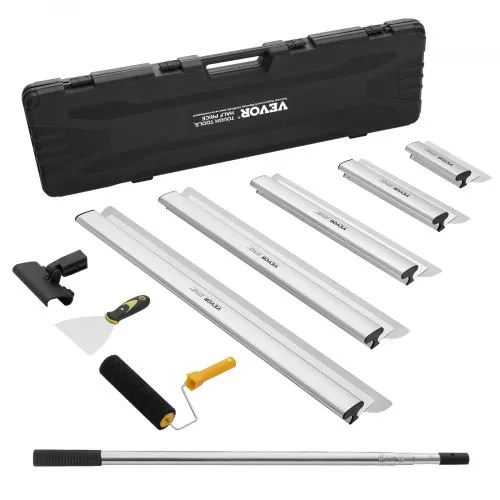
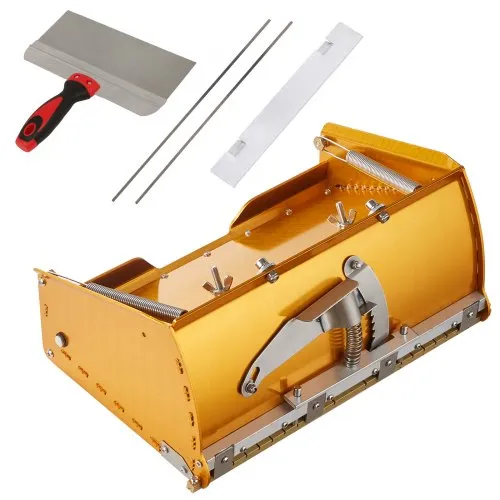
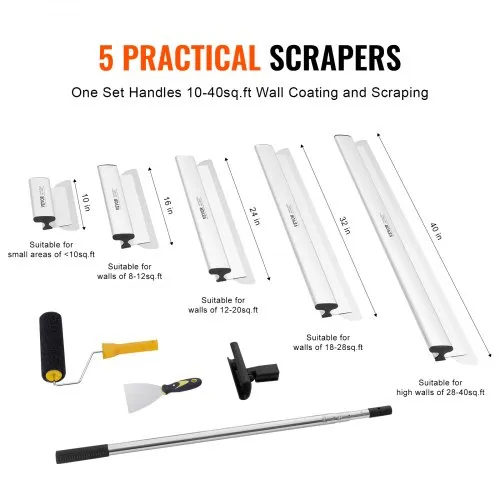
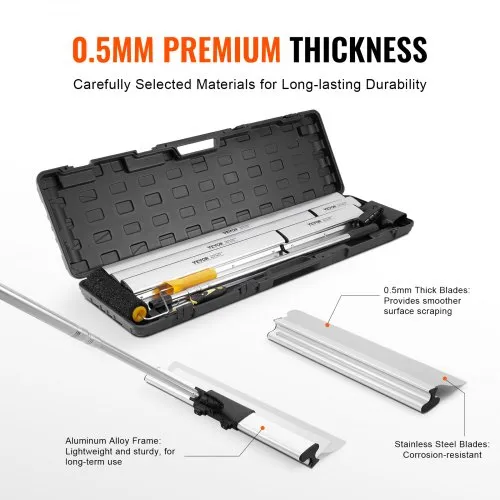
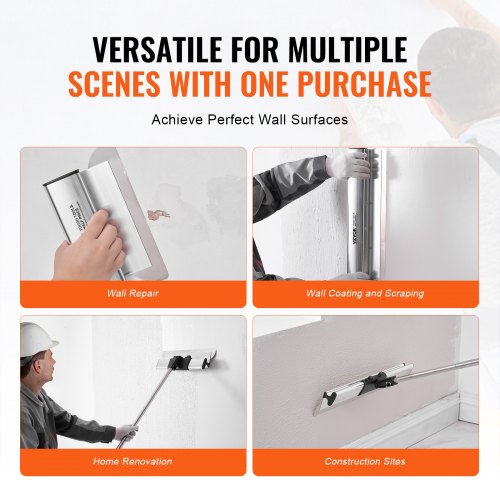
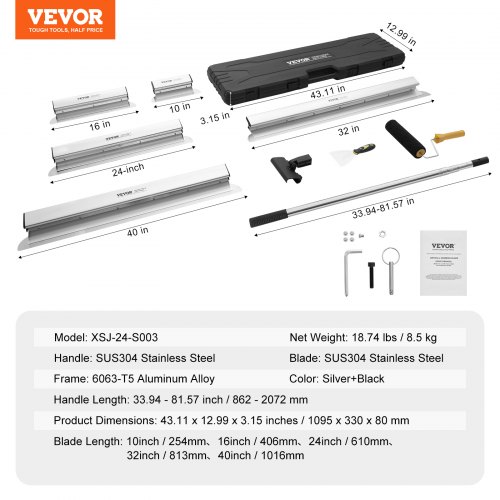
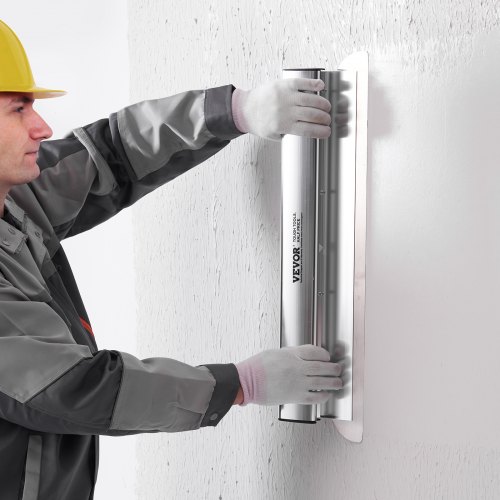
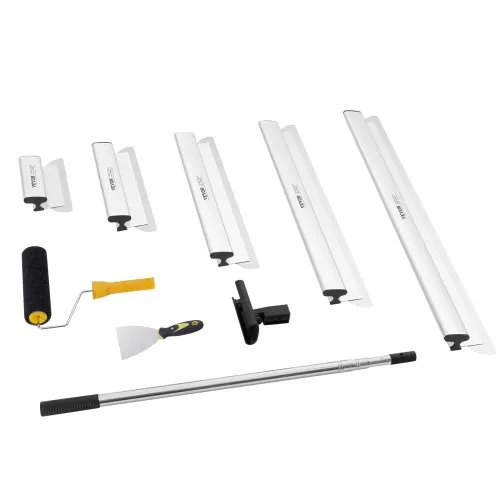
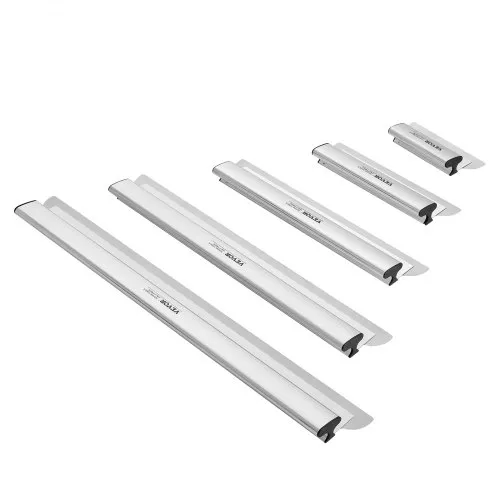
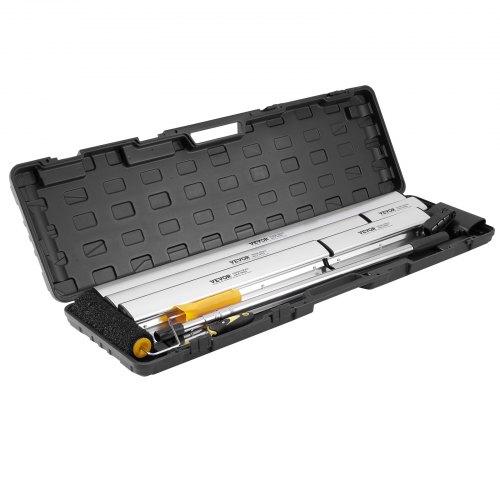
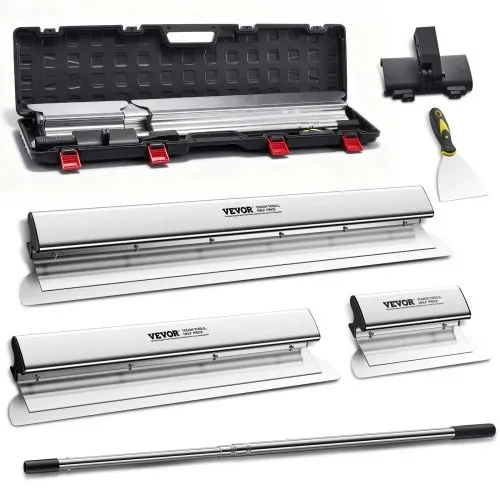
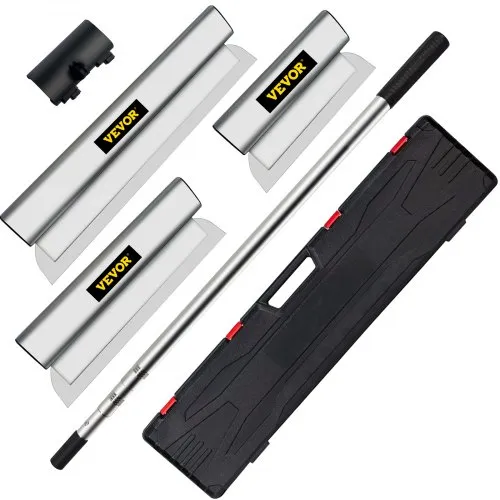
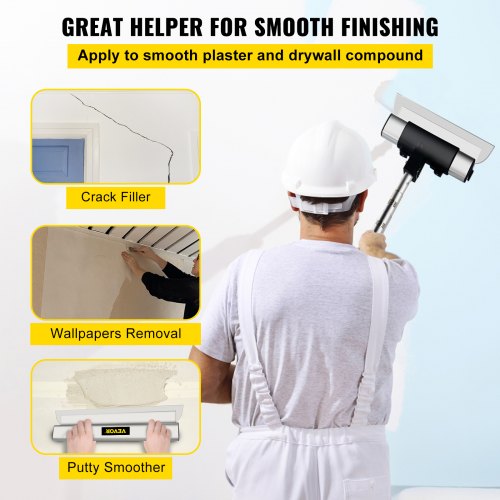
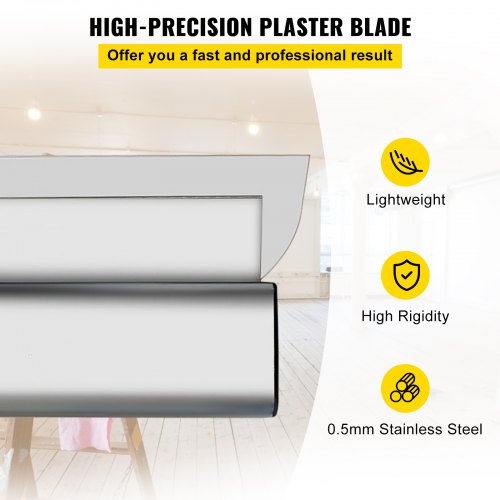
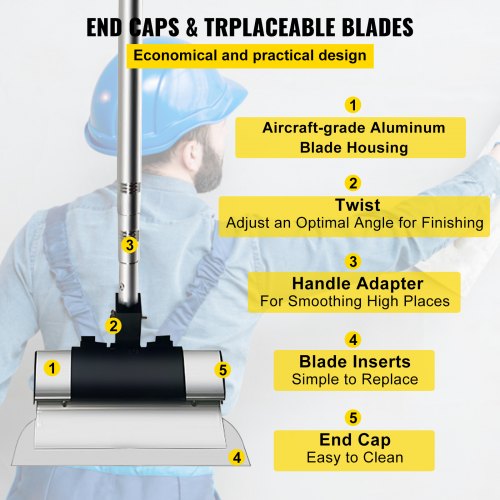
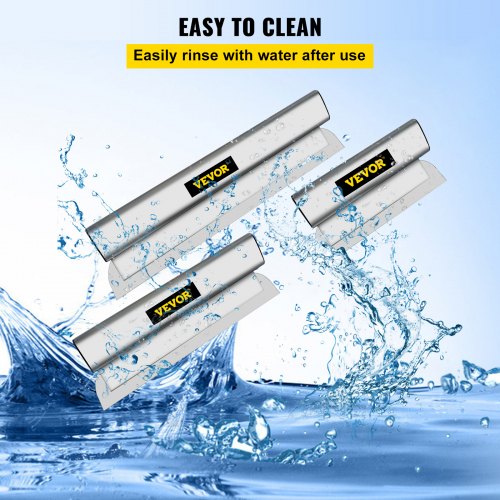
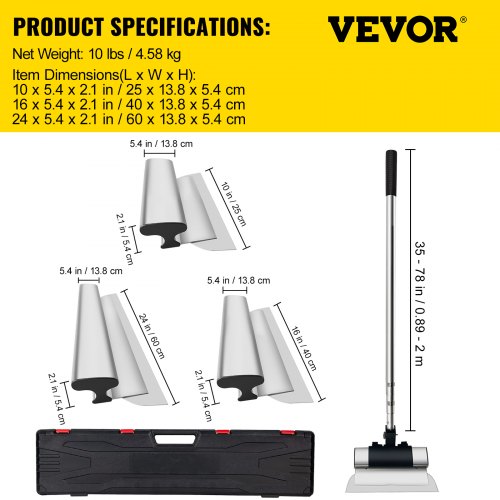
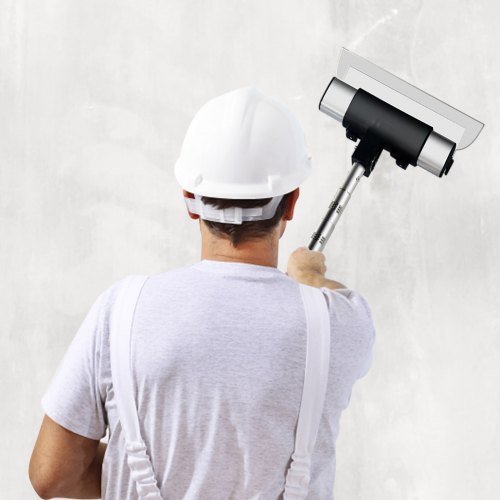
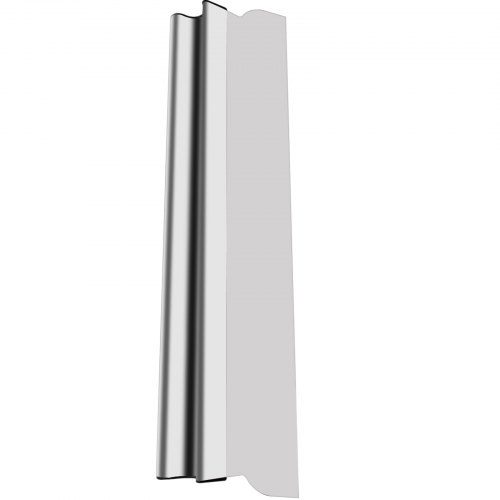
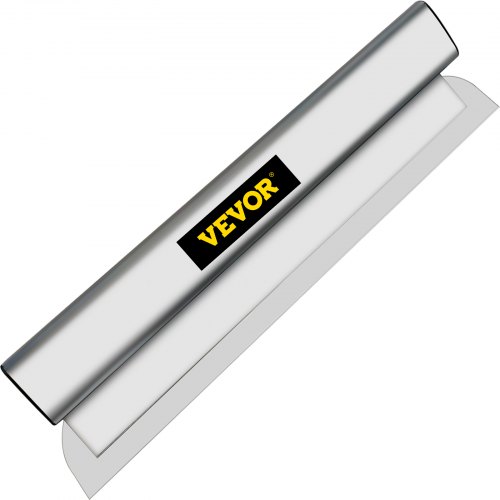
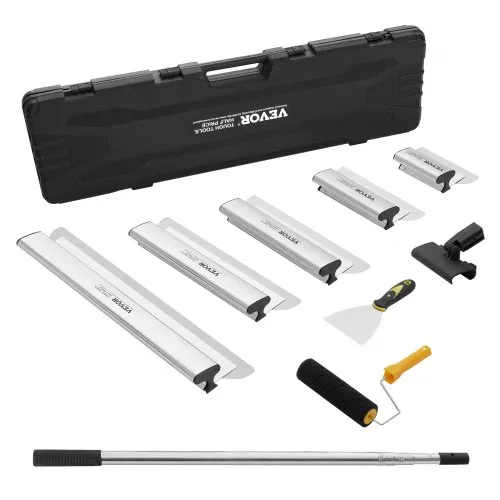
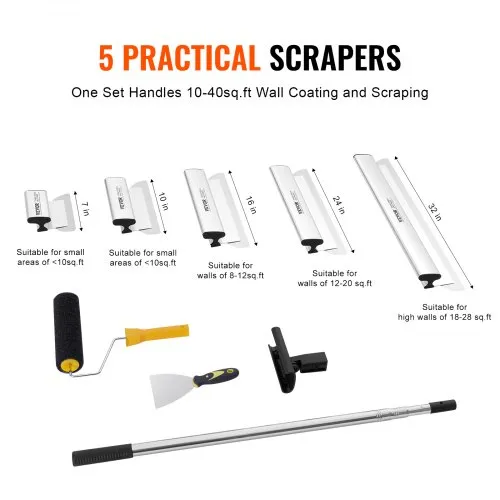
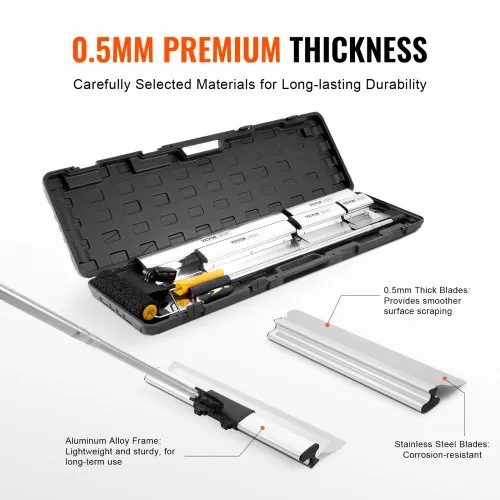
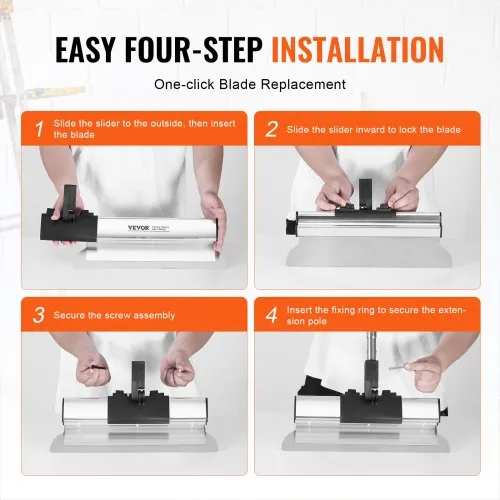
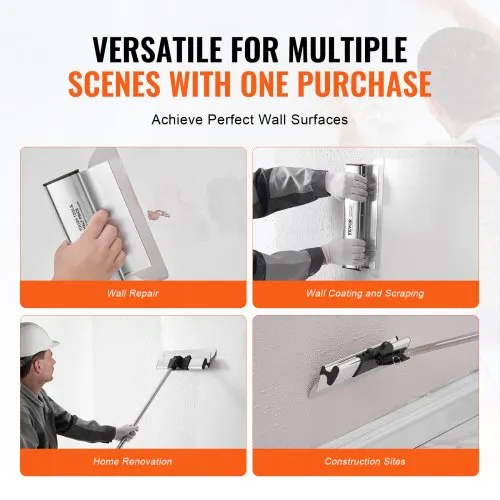
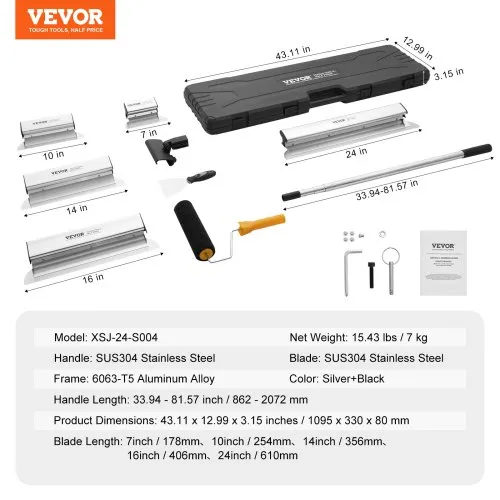
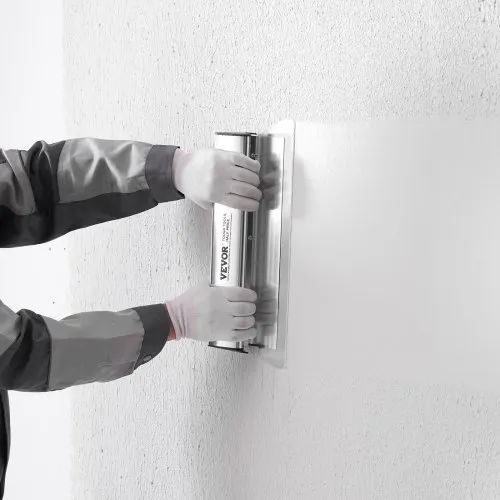
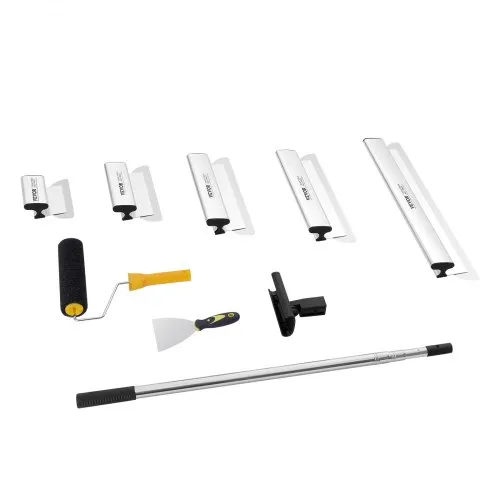
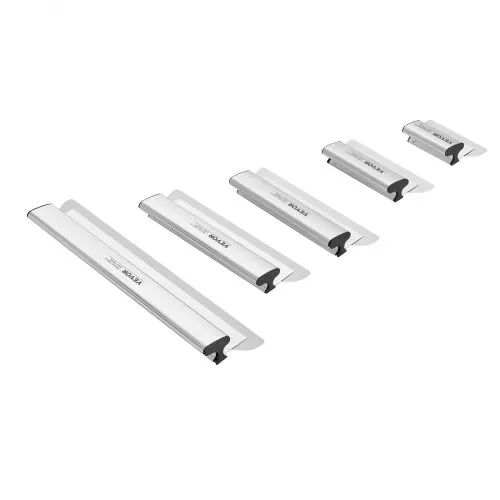
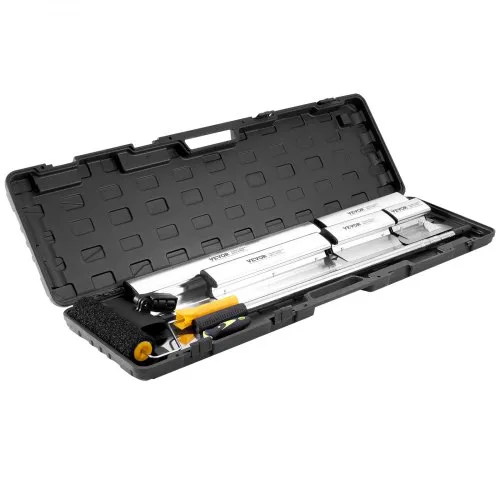
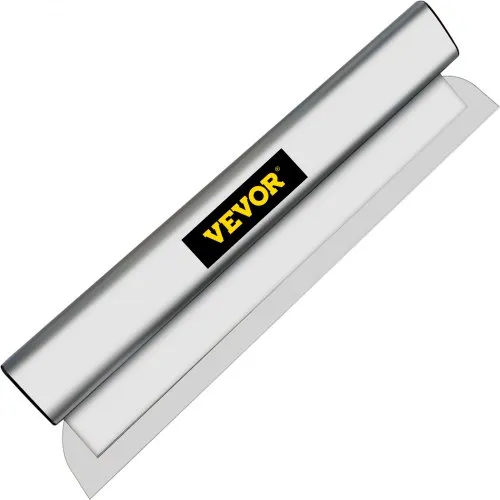
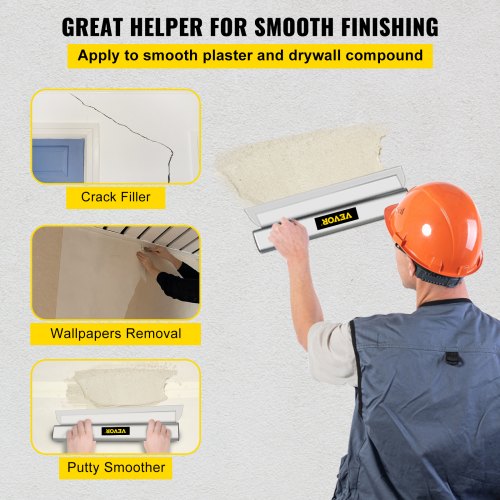
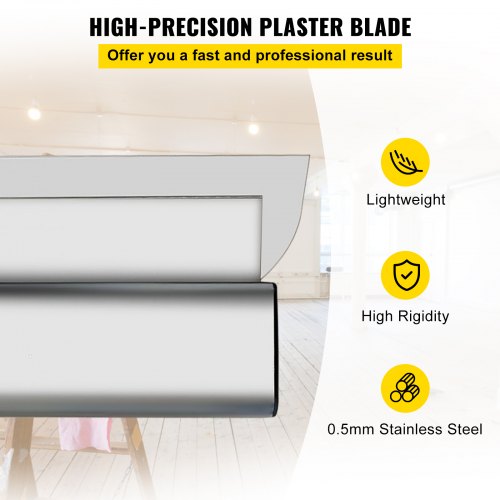
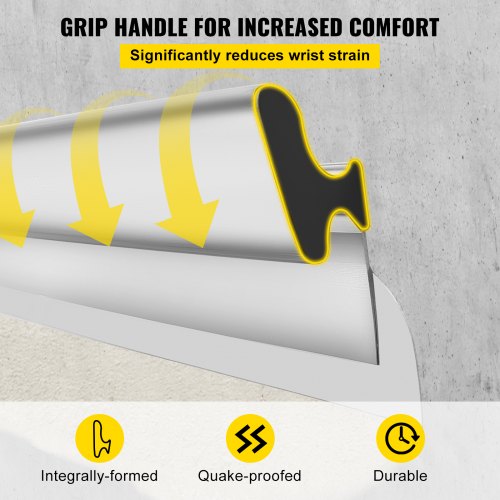
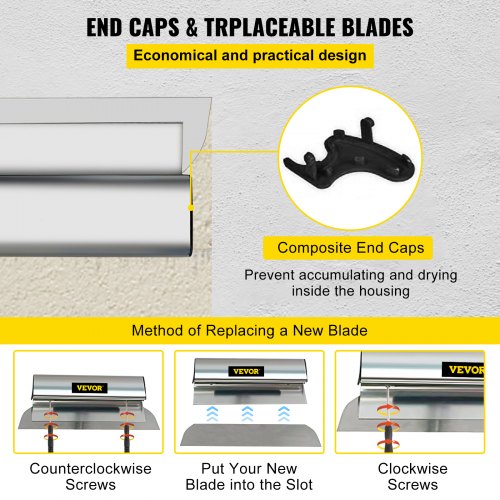
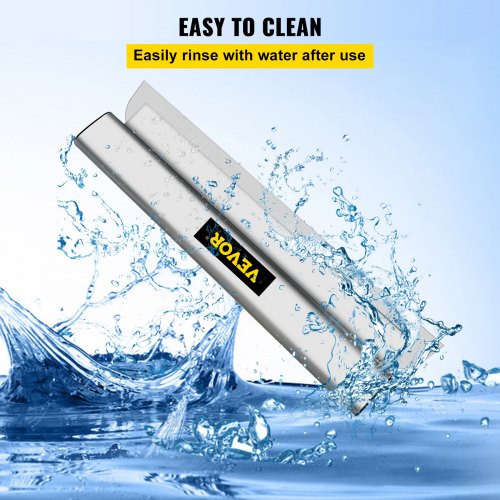
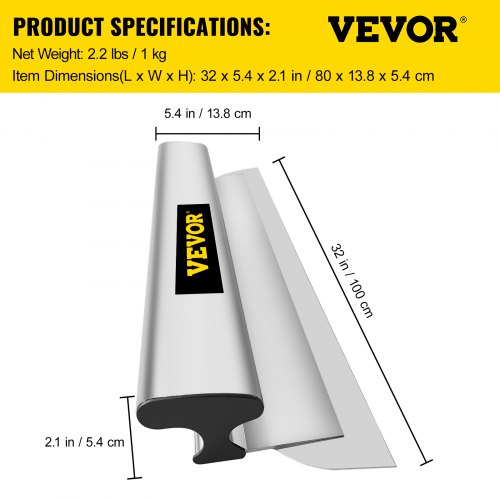
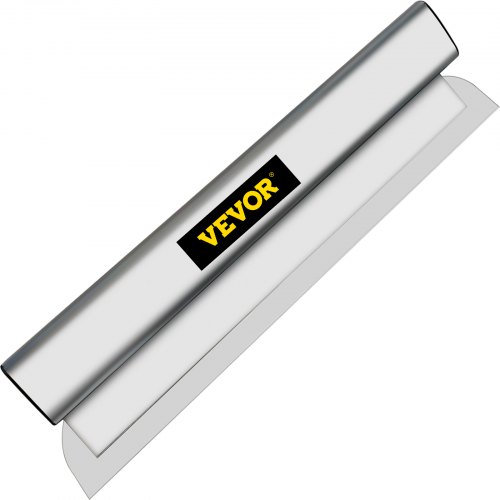
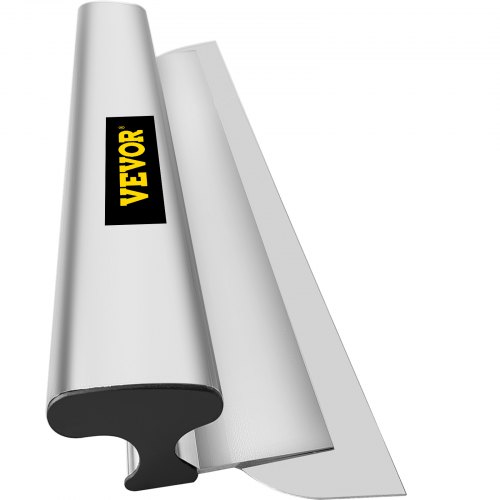
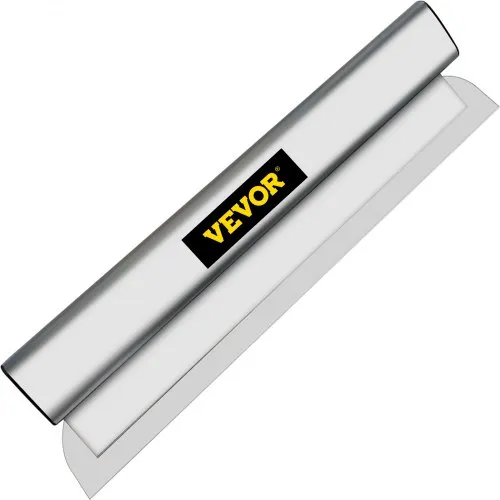
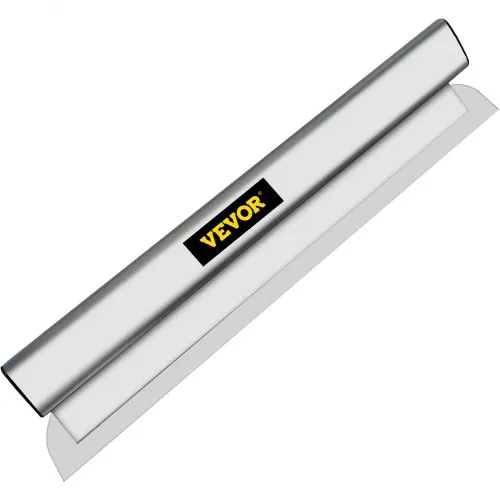
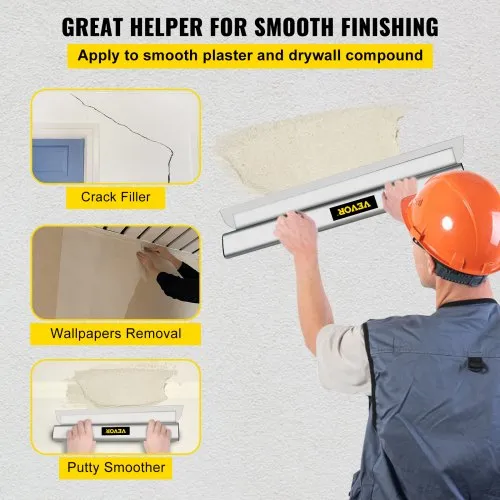
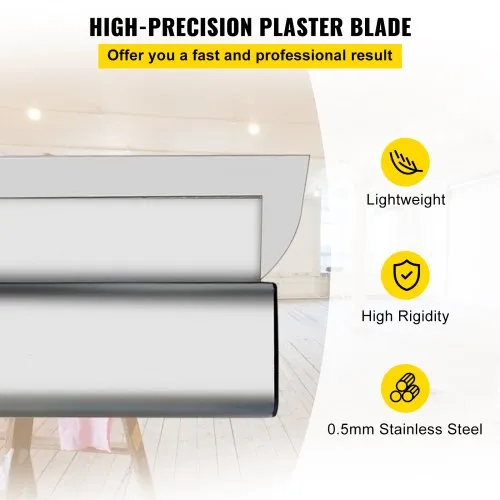
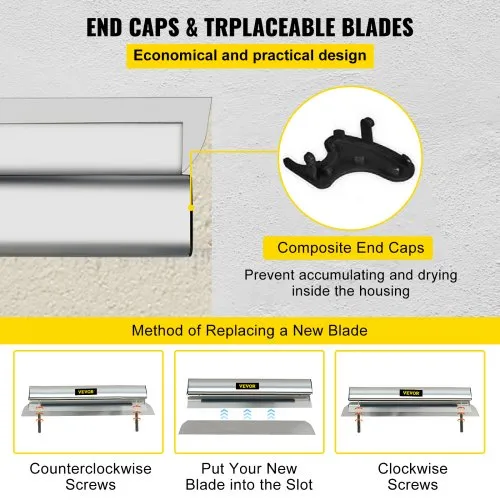
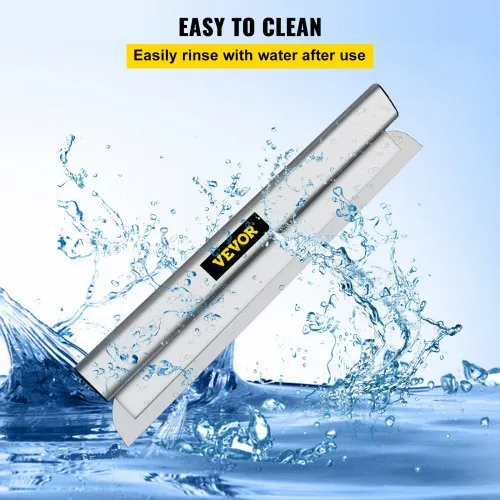
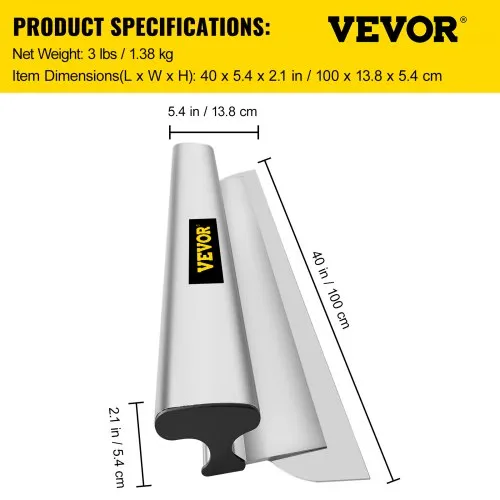
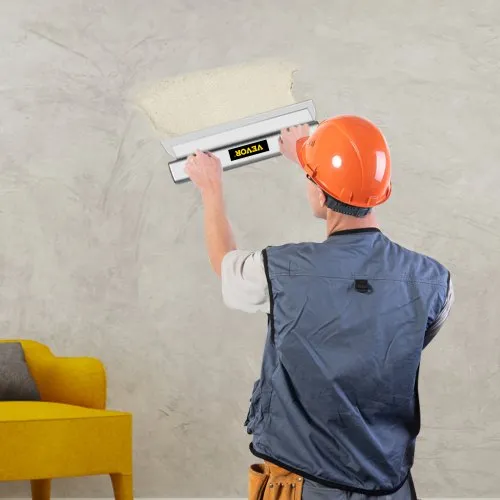
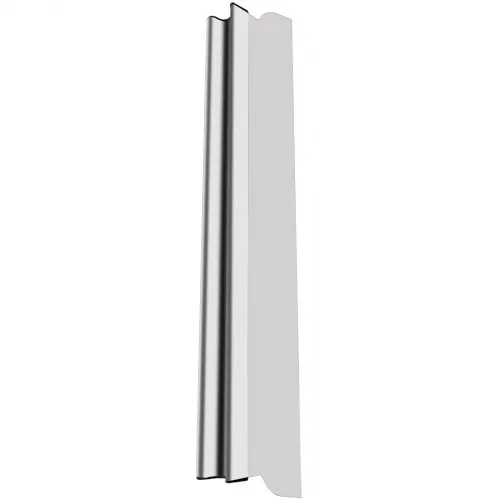
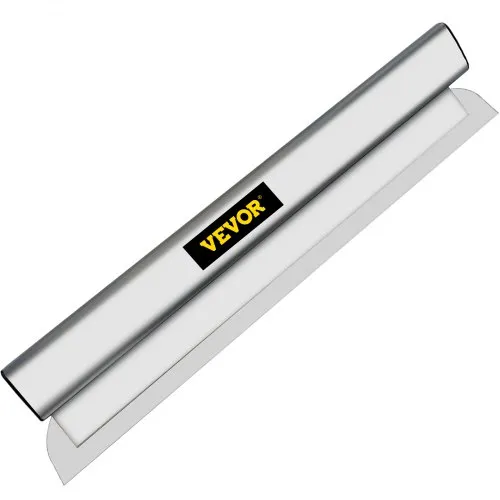
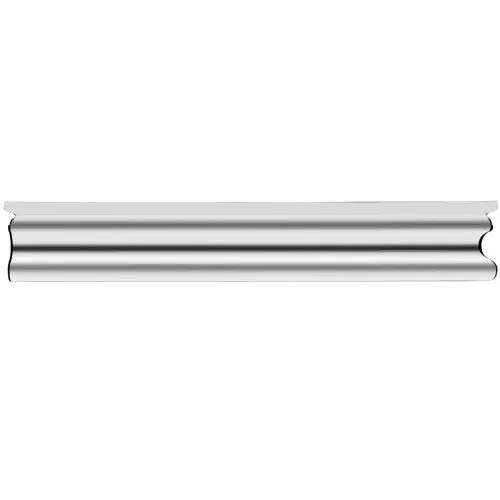
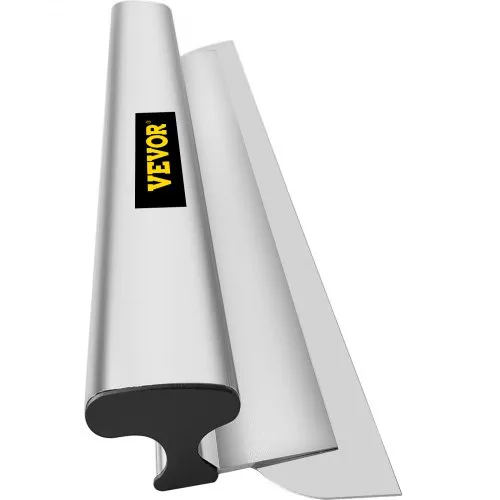
Plasterboard knives in 4, 6, 10, and 12-inch widths cover bedding tape through the final wide coat during compound application. Stainless steel blades resist rust and have enough flex to feather edges neatly. Sanding time drops when you use skimming blades between 24 and 40 inches, which lay down thick, flat coats in fewer passes. Add a mud pan, a corner trowel, and a set of flexible spatulas for patching to complete your plasterboard compound equipment. Your kit can handle anything from small repairs to large projects.
Why Choose VEVOR Drywall Tools?
Corded and cordless sanders, telescopic and folding models, brushless motors, dust extraction kits, knives, blades, and abrasives are all available in one location with VEVOR. With prompt after-sales support and an easy return procedure, you can receive contractor-grade build quality without contractor-grade markups. Browse the plasterboard tool selection to get smooth walls on the first try, whether you are finishing a single room or managing a large team.
FAQs
For a ceiling, what size plasterboard sander do I need?
Select a telescopic type that is at least six feet long. This eliminates the need to move the ladder and significantly reduces arm strain when sanding a typical 8-foot ceiling while standing on the ground.
Does a dustless plasterboard sander require a vacuum?
Yes. A shop vacuum supplies the suction, but the sander shroud collects dust. To prevent leaks, use a HEPA filter and make sure the hose adapter closes firmly.
For the final sanding pass, what grit should I use?
For the last coat, use 180 to 220 grit. Coarser grits cause scratches that show through paint, especially on gloss finishes or under side lighting.
Can I use a plasterboard sander to remove the popcorn texture from my ceiling?
Yes, when the texture has been somewhat softened and moistened. To prevent tearing the paper face underneath the coating, use a wide pivoting head at a moderate pace.
What is the battery life of a cordless plasterboard sander?
Usually, a 20V high capacity pack can sand continuously for 30 to 45 minutes. To avoid downtime, keep a second battery charging.