Electric Fence Wire




Results for Electric Fence Wire
VEVOR electric fence wires are made to keep livestock under control on farms, ranches, and rotational grazing systems. VEVOR offers a wide range of electric fence wires, including poly electric fence wire, polytape, and aluminium electric fence wire in various gauges. These wires come in different lengths, conductivity levels, and installation styles. These solutions keep the current flowing and provide long-lasting performance outdoors, whether you're fencing in cattle, horses, or a mix of animals.
VEVOR Electric Fence Wires For Cattle, Horses, And Livestock Control
Are you setting up new pasture fencing or upgrading worn-out lines across your property? To manage livestock, you need more than just physical barriers. You also need to ensure that electricity works reliably over long distances. The right electric fence wires can handle weather, tension, and animal pressure while still delivering a steady current. Choosing the right material, gauge, and length for your electric fence wires is important for how well it works season after season, whether you're putting it up for cattle in an open pasture or temporary paddocks.
Wire Type, Length & Conductivity In Electric Fence Wires
The first step to good performance in any fencing system is to choose the right materials and make sure they are conductive. Different kinds of wire are made for different types of livestock and field conditions.
Comparing Aluminum, Polywire, And Mixed Metal Options
People prefer aluminium electric fence wires because they conduct electricity well and resist corrosion. A 16 gauge aluminium alloy wire, 1640 ft (500 m) long, evenly distributes voltage across long fence lines, making it perfect for permanent perimeter fencing. Aluminium conducts electricity better than steel, so the voltage drop over a given distance is lower.
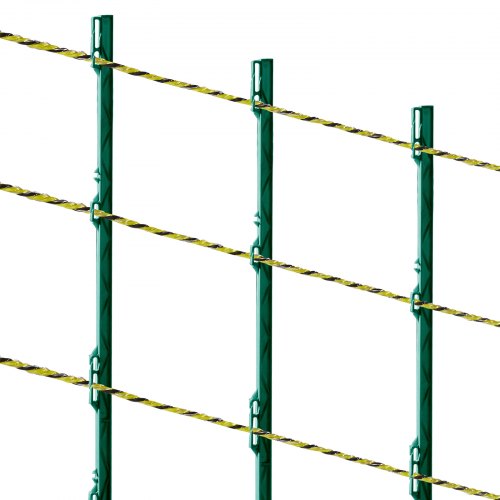
Poly electric fence wire is constructed of synthetic fibers and conductive strands, such as stainless steel or tinned copper. You can choose polywire with a 1/8" or 1/4" diameter and 6 stainless steel strands or mixed-metal strands for greater performance. These designs offer a good balance of flexibility and conductivity, making them suitable for temporary or rotational grazing settings.
Polytape versions, like 3/4" wide tape with six stainless steel strands, increase animals’ visual awareness of the fence line while keeping electrical reliability. It is very helpful for horses, who depend more on what they see. The right material for electric fence wires depends on how long it will last, the type of land, and how the animals behave.
Understanding Gauge And Conductivity Levels
The strength and electrical performance of a wire are both affected by its gauge. The 14 gauge electric fence wires are stronger and thicker than the 17 gauge electric fence wires. Thicker wire usually handles tension better and is better suited for long, permanent fence lines exposed to wind and other environmental stress.
Because it is thinner, a 17 gauge electric fence wire is easier to work with and is generally better suited for shorter or temporary runs. But over long distances, thinner wires may have a little more resistance. The number and type of conductive strands also affect conductivity. For example, polywire with six stainless steel strands is good for short distances, while polywire with nine mixed-metal strands is better for longer distances.
When designing fencing systems longer than 1,000 feet, conductivity is very important. Lower resistance makes sure that animals get a steady pulse that keeps them away. By looking at both the gauge and the strand composition, you can get the best performance out of electric fence wires in practical field conditions.
Selecting The Right Length For Your Property
Choosing the right length directly impacts cost and efficiency. VEVOR offers models ranging from 656 ft (200 m) to 3366 ft (1026 m). For dividing paddocks or making temporary enclosures, smaller 200 m rolls work well. Medium rolls of 1000 to 1640 feet can be used to support perimeter fencing around standard-sized plots of land.
Longer spools, like 2625 ft or 3366 ft, are better for large-scale grazing systems. These reduce the number of splices, helping maintain a strong electrical flow. Every connection point can add resistance, so keeping joints to a minimum keeps voltage steady.
Farmers who install electric fence wire for cattle in several fields usually measure the total perimeter length first, then add 5 to 10 percent more for corners and gates. Carefully planning the length of the wire ensures a smooth installation and helps prevent gaps where animals could escape.
There are many types of electric fence wire suitable for both small hobby farms and large farms.
Picking the Best Electric Fence Wires for Cattle and Other Animals
The size, personality, and layout of the pasture all play a role in choosing the right electric fence wires for cattle. Cattle are strong animals that can put a lot of pressure on fences, especially in systems where they graze in high density. For permanent perimeter fencing, 14 gauge electric fence wire or aluminium electric fence wire is better because it has a higher tensile strength and conducts electricity consistently over long distances. These choices keep a steady deterrent pulse across long fence lines and lower voltage drop.
Poly electric fence wire is easy to move, making it great for rotational grazing or temporary paddocks. Models with six or nine conductive strands allow the current to flow more effectively while remaining light. Visibility is also important; cattle respond better when they can clearly see the line that separates them from other animals.
When fencing in mixed livestock like horses and cows, it's best to combine strength with visibility to keep them in. Matching the type of wire to the animals' behavior makes the system safer, reduces escapes, and keeps it running smoothly all season long.
Durability & Installation Methods For Electric Fence Wires
Resistance to UV light, moisture, and tension also affects how long something will last. Correct installation methods greatly extend the fence’s service life.
Weather Resistance And Material Longevity
Fencing outside is always exposed to the sun, rain, wind, and changing temperatures throughout the year. Poly electric fence wires usually contain synthetic fibers that resist UV light, helping prevent them from breaking down. Stainless steel strands don't rust, and aluminum alloys naturally resist corrosion. Aluminum electric fence wire lasts a long time in humid or coastal areas because it doesn't rust.
Even after extended soaking, the stainless steel strands of polywire retain their conductivity. Durability is also impacted by tension stability. Excessive stretching can cause wires to sag, reducing the effectiveness of animal contact with the fence. The structure will remain sturdy over time if the gauge and diameter are selected appropriately and rated for the task.
When comparing electric fence wires, think about the weather and the amount of pressure from the animals. Horses may lean on or visually test fencing, while cattle may push against it. Strong materials that can withstand the weather mean less maintenance and lower long-term costs.
Efficient Installation For Long-Term Performance
The effectiveness of any electric fence system depends on how it is installed. Depending on the terrain, start by installing insulated posts at regular intervals, often 10 to 20 feet apart. To maintain the right tension without overstressing the wire, use tensioners. Avoid abrupt turns that can shatter conducting wires. Polywire systems are less likely to ground out when insulated T-post insulators are used. Insulators are included with certain VEVOR kits to facilitate setup.
Use the right joint connectors to keep conductivity when connecting more than one roll. Badly twisted manual connections can cause voltage drops. After installing a fence tester, checking the voltage ensures that the current flows evenly through the system. Good grounding rods are just as important. Without proper grounding, even the best electric fence wires can't deliver consistent deterrent pulses. Fencing systems will work well year-round if they are installed carefully and made of strong materials.
Why Choose VEVOR Electric Fence Wires?
VEVOR has a full range of electric fence wires, including aluminum, polywire, and polytape in a variety of gauges and lengths. These solutions are designed to control livestock, offer good conductivity, and are durable for outdoor use. They offer a good balance of performance and price. VEVOR helps farmers and property owners build reliable fencing systems by offering reliable after-sales support. Look through the collection and make your perimeter stronger today.
FAQs
What Gauge Is Best For Long Fence Lines?
The 14 gauge electric fence wire is usually stronger and better for long, permanent fence lines because it has lower resistance and lasts longer under tension.
Is Polywire Suitable For Cattle?
Yes, poly electric fence wire works well for cattle as long as the fence is properly tensioned and powered with adequate voltage.
Does Aluminum Wire Rust?
Steel rusts, but aluminum does not. Aluminum electric fence wire doesn't rust and works well in wet places.
How Far Can Electric Fence Wires Carry Current?
The distance depends on the type of wire and the strength of the energizer. Wires with less resistance and proper grounding let current flow farther while keeping the voltage steady.
Can I Use The Same Wire For Horses And Cattle?
Yes, but horses need to be able to see. Polytape or thicker polywire makes things easier to see while still working well electrically.