Hole Saw Cutter








Results for Hole Saw Cutter
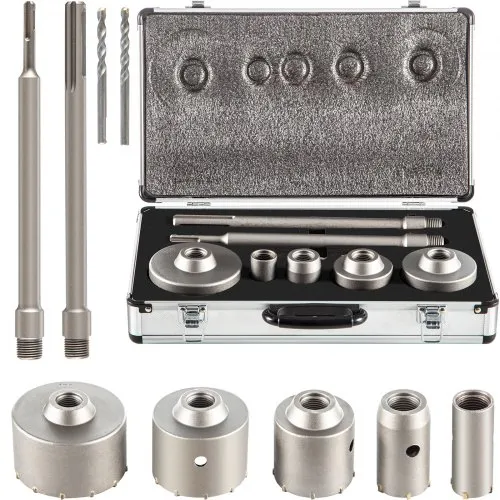
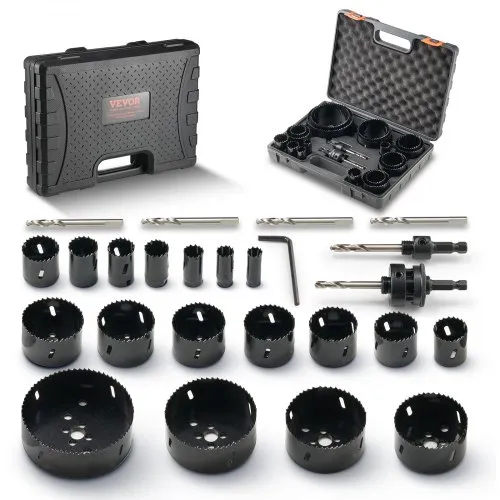
VEVOR hole saw cutters are made to make clean, precise cuts in a wide range of materials, including wood, sheet metal, tiles, plastics, plasterboard, and even concrete. VEVOR offers hole saw cutter systems, bi-metal kits, and strong masonry sets. You can use them to install recessed lighting, add ventilation, route wiring, or cut pipe openings. These tools are great for renovation, electrical, HVAC, and carpentry work because they come in a wide range of sizes, from small 19mm hole saw cutters to large adjustable units that can cut holes up to 200–300 mm in diameter.
VEVOR Hole Saw Cutters for Wood, Metal, Tile & Multi Surface Drilling
Are you making cuts for speakers, plumbing fixtures, recessed lights, or running cables? With VEVOR's adjustable hole saw cutters, drill bit hole saw cutters, and dedicated wood hole saw cutter kits, you can find the right size hole saw for almost any job. Their stable pilot bits, hardened cutting edges, and protective shields help users stay in control and accurate, even when working above their heads or on fragile materials like tile. These cutters work well for remodelling, workshop fabrication, and everyday professional use. They can make openings as small as 20mm or as large as 40mm or more.
Size Range & Material Compatibility of Hole Saw Cutters
To choose the right hole saw cutter, match the right diameter to a blade designed for the material you are cutting. The size, shape, and type of cutting material all affect how smoothly a blade cuts through wood, tile, metal, and masonry.
Diameter Options, Multi Material Cutting & Application Needs
There are many different sizes of hole saw cutters, and knowing those sizes will help you achieve the most accurate installation. People often use small cuts, such as those made with a 19mm or 20mm hole saw cutter, to create space for electrical fittings, cable pass-throughs, or narrow pipes. The 25mm hole saw cutter handle is a medium sized option that can handle plumbing stub-outs, conduit openings, and fixture hardware. Larger diameters, such as the 40mm hole saw cutter, can fit vents, speaker cutouts, and recessed parts that need to be flush with panels or ceilings.
The application also helps you choose the right cutting composition. Typically, a wood hole saw cutter's deep, coarse teeth efficiently remove wood dust. A hole saw metal cutter, on the other hand, can cut through sheet steel and aluminum without losing its sharpness thanks to its fine, heat-resistant bi-metal construction or M42 steel teeth. Instead of relying on strong biting forces, a tile hole saw cutter applies constant friction with carbide segments or diamond abrasives. It lowers the risk of cracks in tile and glass. An adjustable hole saw cutter lets you make small diameter changes without having to switch tools when cutting through mixed materials like plasterboard with a thin aluminum backing or flooring with embedded panels.
Pilot Bits, Tooth Design & Structural Reinforcement
The internal structure of a drill bit, or hole saw cutter, is what makes it cut easily, even though the diameter gets most of the attention. A good pilot drill bit keeps the cutter in place so it doesn't drift at the start of a cut. This stabilizing point is very important when working on smooth tile floors, painted walls, or metal sheets with little friction. The tool will last longer if you can change the pilot bits, because the hole saw body wears out much more slowly than the pilot tip.
Different materials need different tooth designs. Teeth that are deep-set quickly clear wood chips and don't get stuck in resinous timber. The fine-tooth pattern on a hole saw metal cutter cuts through metal without generating too much heat.
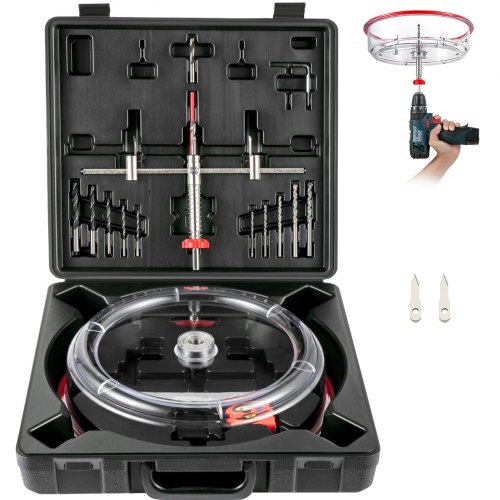
Reinforcements behind each tooth, such as thicker back plates or welded joints, help maintain the shape during tough cuts. The frame of the cutter as a whole is also important. A rigid steel shell evenly distributes pressure and doesn't bend when cutting through thick or layered surfaces. Adjustable hole saw cutter systems have two blades on a radial arm that can be moved to change the cutting arc. To keep a clean circular path, this design has to be very stiff. These cutters, when used with dust shields or debris collectors, keep the work area clean and make it easy to see.
Cutting Stability, Drill Speed Selection & Surface Control Across Materials
Choosing the right diameter or blade composition is not enough for precise drilling. Stability while rotating is just as important, especially when using a saw cutter on uneven, brittle, or hard-to-cut surfaces. Different materials respond differently to pressure and rotation. For example, wood can handle faster feed rates as long as the tooth pattern matches the board's density. On the other hand, sheet metal starts to heat up right away. To keep the teeth from glazing over or the edges from bending, a hole saw metal cutter needs to spin more slowly and be constantly lubricated.
Tile presents a different challenge. You have to carefully guide a tile hole saw until the abrasive rim makes its first scoring ring. If you go too fast, the surface will skate, and if you put too much pressure on it, the glaze could crack. A hole saw cutter lets you switch between cutting modes quickly without losing alignment when working with mixed surfaces, such as plasterboard with thin steel panels behind it.
Construction Quality & Features of Hole Saw Cutters
The build quality of a cutter is very important for its durability and usability, especially when it is used for professional contracting, electrical installation, or heavy remodeling.
Material Strength, Heat Resistance & Longevity in Continuous Use
Drilling over and over again creates friction, which always makes heat. To keep teeth from breaking or changing shape, quality hole saw cutters use heat-treated materials, usually M42 or bimetal steel. These alloys retain their shape even after durable cutting, making them well-suited for sheet metal or electrical rough-ins where many holes need to line up perfectly.
A wood hole saw cutter undergoes various kinds of stress, mostly from torque and chip buildup. Reinforced welds between the body and the arbour base help distribute the weight, preventing warping during aggressive cuts.
The cutter body features vent slots and relief holes, which make it even better. They make it lighter, help heat escape, and let debris escape rather than get stuck in the saw. When a cutter gets clogged, it heats up quickly, dulls its teeth, and burns the material it cuts. Another important part is the connection to the arbor. Quick-change mechanisms reduce downtime when moving from one diameter to the next, and deep-threaded connections eliminate wobble at high drill speeds. This stability keeps the drill motor safe and ensures clean, predictable cuts, even when the hole saw is used overhead or on sloped surfaces.
Safety Features, Dust Shields & Multi Surface Adaptation
When drilling big holes, especially above eye level or into fragile materials, safety is very important. Polycarbonate dust screens are commonly included in hole saw cutter kits to collect particles while preserving the operator's view. Hole saws that prevent binding sometimes feature tapered bodies that reduce friction after the initial cut. It stops sudden torque spikes that could hurt a user's wrist or jam the drill. Carbide-tipped models reduce kickback by shaving thin layers rather than digging deeply into hard surfaces.
Tile-specific cutters use water cooling or lubrication channels to keep the blade and the surface being drilled safe. When drilling into metal, the biggest danger is heat buildup. This means that a hole saw metal cutter must maintain its hardness even when temperatures change significantly.
Safety is also helped by compatibility. You can use a hole saw cutter with any standard drill, whether it's corded or cordless, to ensure power is delivered in a controlled manner. These features work together to make VEVOR hole saw cutters capable of drilling wood, creating precise tile openings, and cutting difficult metal parts with controlled, predictable behavior.
Why Choose VEVOR Hole Saw Cutters?
VEVOR hole saw cutters work with a wide range of materials, last a long time, and cut accurately every time. They work for electricians, carpenters, plumbers, HVAC installers, and individuals, and they come in sizes from small openings to wide adjustable setups. They are reliable tools that can be used repeatedly in tough conditions because they are made of strong materials, feature stable pilots, and include dust control features. VEVOR provides a robust, adaptable method for making precise, round cuts in concrete, plasterboard, metal, wood, and tiles.
FAQs
Which hole saw cutter size should I get?
The size of the opening you require will determine which cutter you should choose. Larger sizes, such as 40mm or adjustable cutters, are suitable for vents and fixtures, while smaller sizes, such as 19–25mm, are suitable for pipelines and wiring. If you're not sure, measure the part's outer diameter and add a few millimeters for clearance.
Can hole saw cutters handle tile, metal, and wood equally well?
Only if you use the right kind, a hole saw cutter for tiles requires carbide or diamond edges. A hole saw metal cutter uses bi-metal teeth, and a hole saw wood cutter uses deep, coarse teeth. Using cutters and materials that don't work well together can cause chips, overheating, or teeth to wear out too quickly.
When cutting, do adjustable hole saw cutters maintain their accuracy?
Indeed, well-made adjustable hole saw cutter systems feature strengthened arms that prevent the blade from slipping and maintain a consistent circle. Run the drill at slower rates to keep control and avoid vibration for the best results.
How can I prevent my hole saw cutter from overheating?
Maintain a constant, moderate pressure and periodically remove any debris. Water helps cool tile surfaces, and lubricants help cut metal. Too much heat quickly dulls teeth; cutting at shorter intervals prolongs the blades' lifespan.
Can a hole saw cutter harm the drill or the material?
If you use it properly, no. The proper speed selection and a steady pilot bit prevent items from tearing or wandering. Stop immediately if you feel sudden binding. Usually, it indicates excessive pressure or debris obstructions.