Plastic Roof Panels


















Results for Plastic Roof Panels
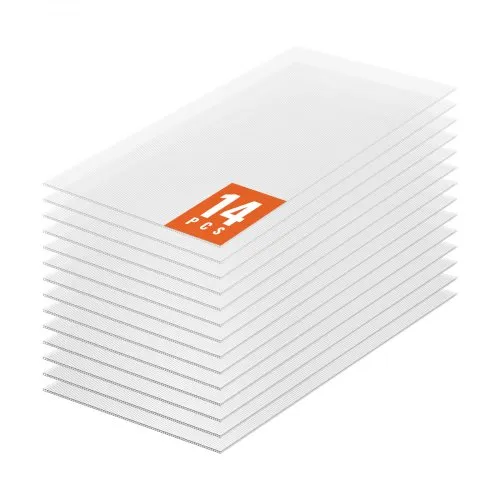
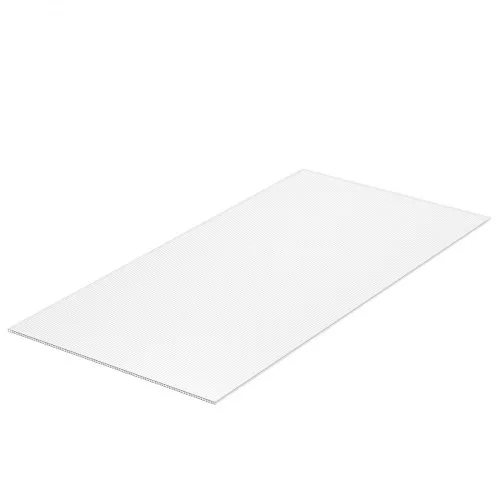
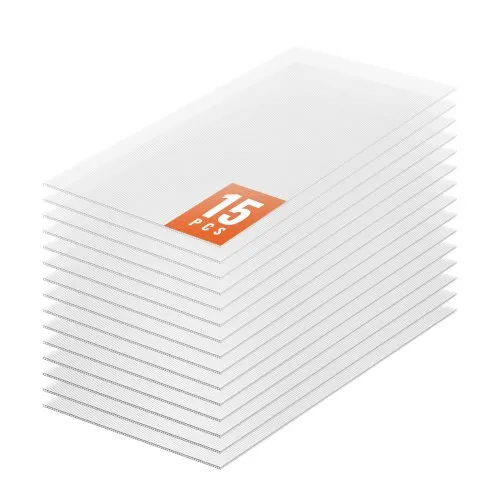
VEVOR offers a broad selection of plastic roof panels for carports, patios, pergolas, greenhouses, and garden buildings. VEVOR can meet a wide range of needs, whether you require tinted polycarbonate panels for greenhouse setups or clear plastic roof panels for optimal light transmission. Discover robust, weather-resistant solutions that are affordable and backed by dependable after-sales support, ideal for both professional builders and do-it-yourselfers.
VEVOR Polycarbonate Roof Panels for Greenhouses, Patios & Outdoor Structures
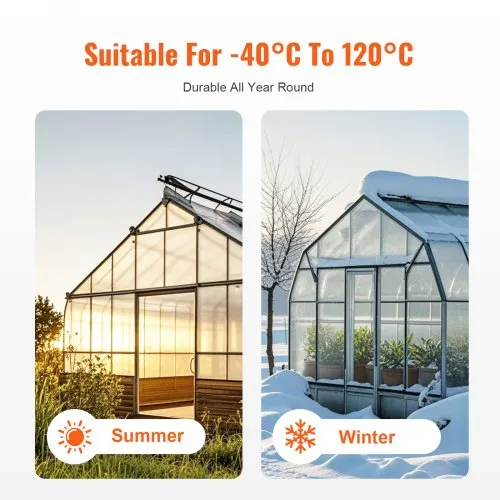
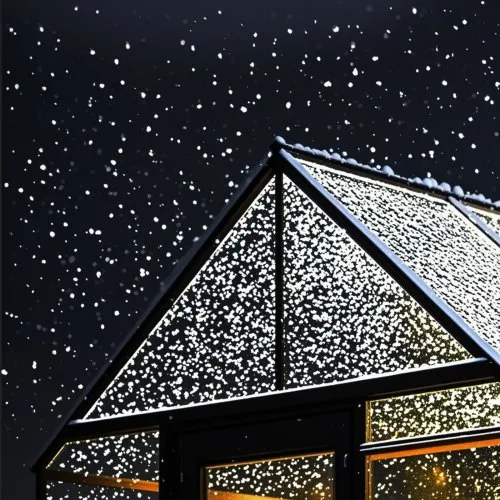
Are you planning a long-lasting carport roof, a greenhouse, or a patio cover for your backyard? Designed to withstand rain, UV rays, and temperature fluctuations, VEVOR's plastic roof panels let in the ideal amount of light. VEVOR offers the ideal panel for your project, ranging from tinted alternatives for shady outdoor areas to transparent polycarbonate panels for greenhouse development.
How Size, Thickness & Transparency Define the Right Plastic Roof Panel for Your Project
Selecting a plastic roof panel is more complicated than simply picking a size off the shelf; the dimensions, panel thickness, and light transmission level all affect how effectively your construction will function over time. By addressing these three aspects early on, you can avoid costly retrofits and save time and money.
Picking the Right Panel Size for Your Structure
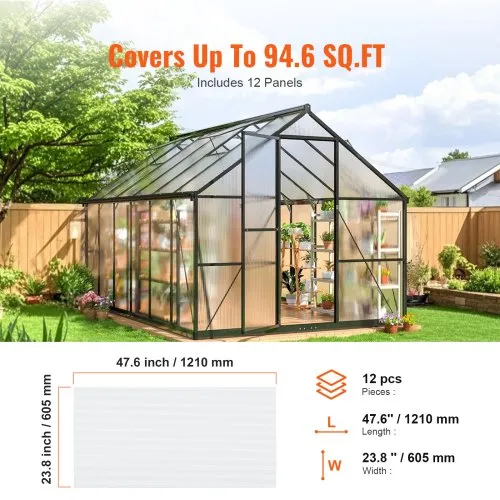
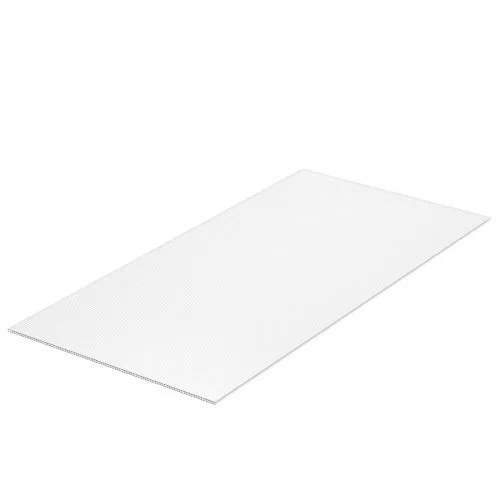
The first and most sensible choice you will make while looking for plastic roof panels is panel size. You have versatility, whether you are covering a full-length greenhouse bay or a small cold frame, because standard panels are available in widths of 24 to 48 inches and lengths of 6 to 12 feet or more.
Wider panels for greenhouses eliminate potential leak points and maintain a neater interior by reducing the number of overlapping seams. Narrower panels may be simpler to manage and trim on-site for patios and pergolas without the need for specialist cutting equipment. Multiple size options are available for VEVOR's polycarbonate greenhouse panels, allowing you to fit panel measurements to your framing plan without excessive cutting.
Before placing your order, measure the purlin spacing of your frame. Oversized panels can bend under wind and snow loads if the gap between supports is too wide, while too-narrow panels will need additional support frameworks. Generally speaking, without further bracing, panels should not extend more than 24 inches between supports. Whether you are building a new project or repairing worn-out roofing on an existing one, VEVOR's product descriptions contain precise sizing parameters to help you plan your material purchase.
Why Panel Thickness Matters More Than Most Buyers Realize
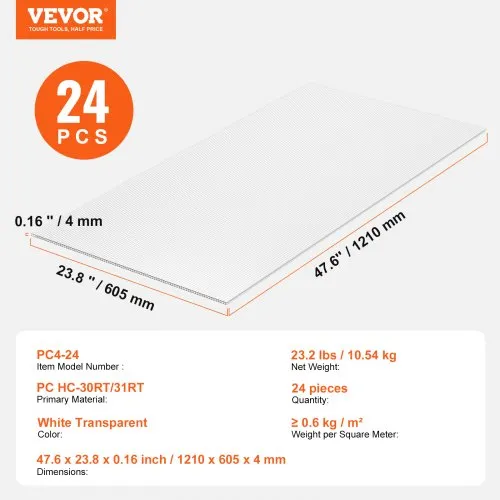
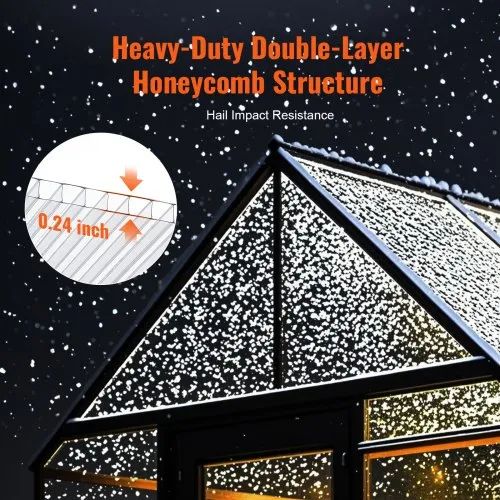
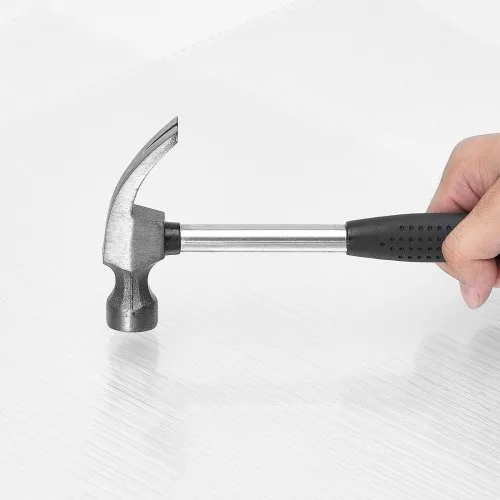
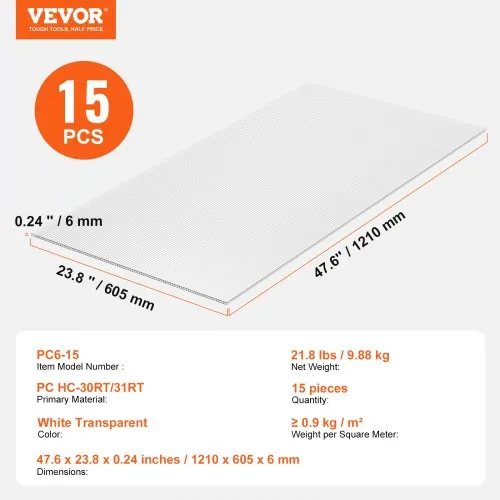
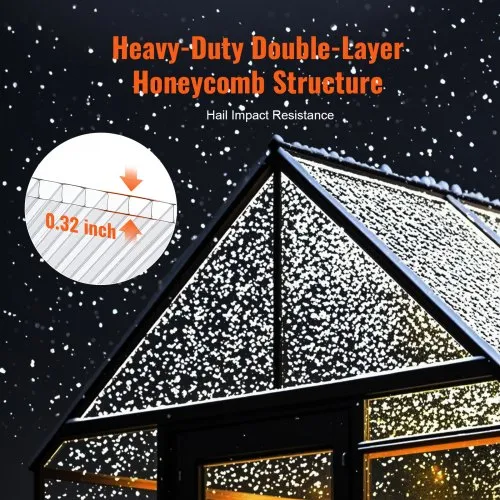
When purchasing plastic roof panels, thickness is one of the most neglected specifications; however, it directly affects structural stiffness, impact resistance, and insulating value. Each of the main panel thicknesses VEVOR offers—4mm, 6mm, 8mm, and 10mm—is suitable for a distinct use.
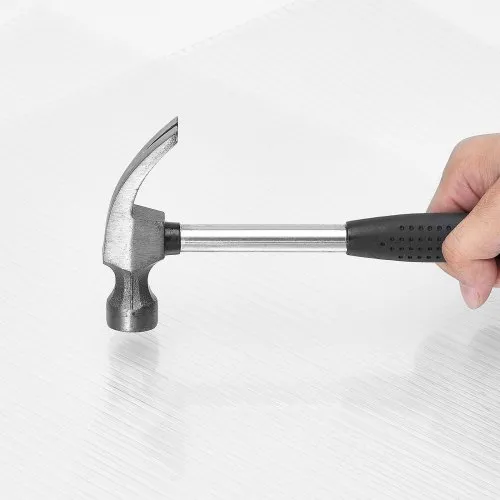
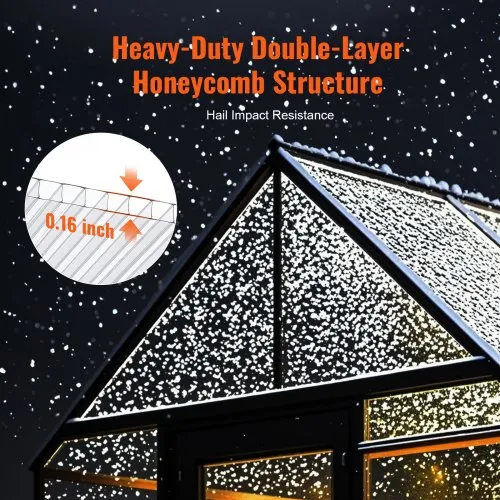
Lightweight and reasonably priced, a 4mm single-layer or twin-wall panel is a good option for temporary greenhouse coverings or seasonal cold frames with low-weight loading. Upgrade to 6mm twin-wall polycarbonate panels for greenhouse constructions that must withstand light snow or moisture, moderate wind, and hail. 8mm or 10mm panels provide noticeably greater rigidity and impact resistance if you live in an area with severe winters or heavy precipitation.
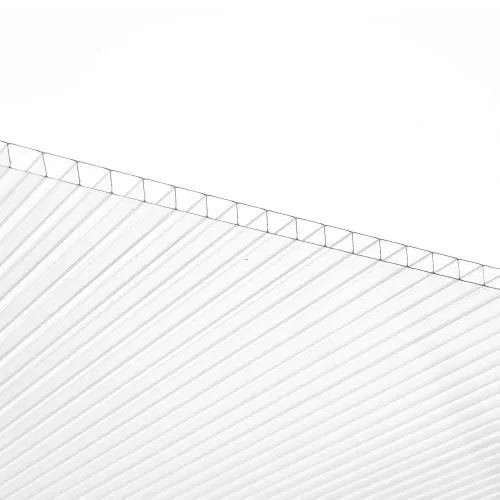
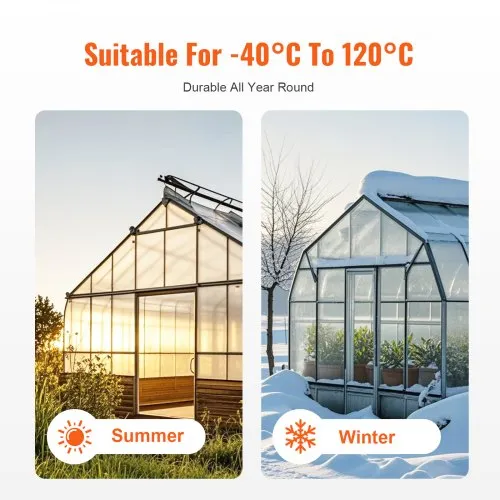
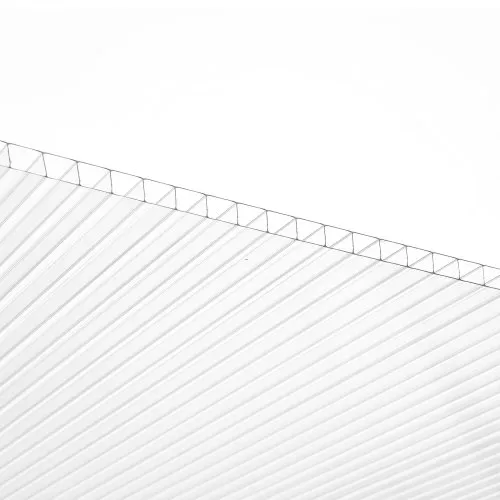
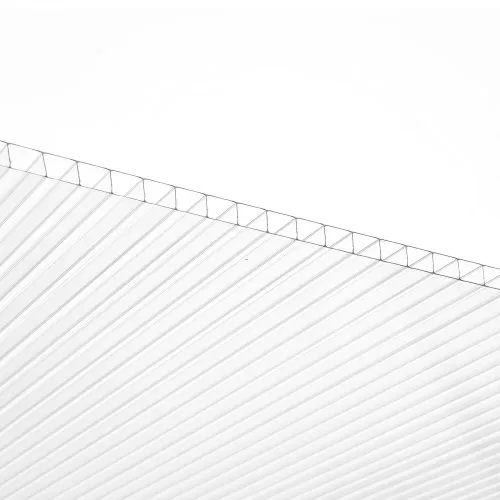
Better thermal insulation ratings are often associated with thicker panels. For year-round greenhouse cultivation, twin-wall and multi-wall designs lower heat loss during chilly nights by trapping air between layers. Thinner, clear plastic roof panels are more affordable and effective for open patio coverings where insulation is not a top concern. Because VEVOR's selection spans the entire thickness spectrum, you will not have to sacrifice performance to keep costs down. To ensure the panel meets the requirements of your local climate, always verify its thickness and IK impact rating.
Understanding Light Transmission Levels: Clear, Diffused & Tinted
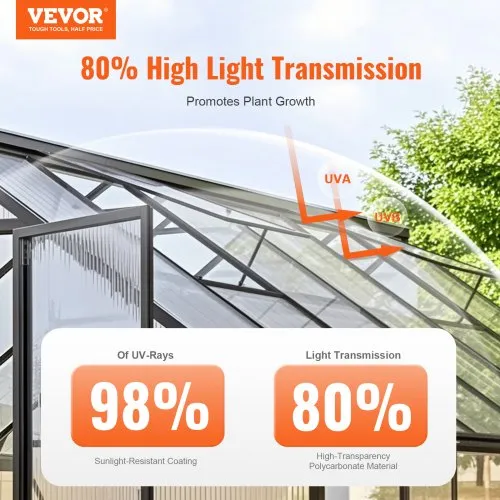
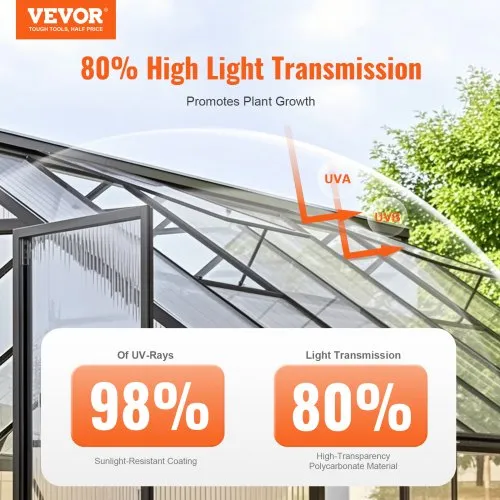
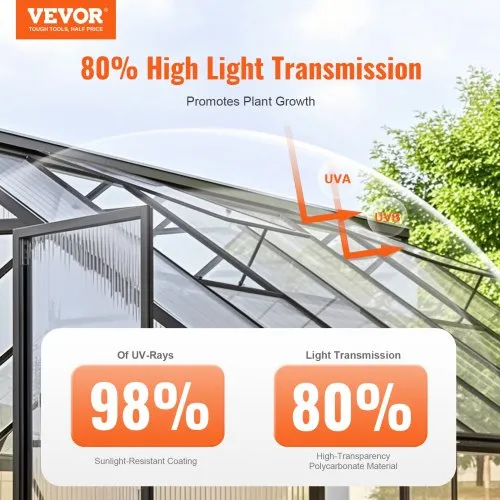
This differential is crucial in growth settings, as different plastic roof panels let in varying amounts of light. For seedlings, tropical plants, and any crop that requires the most sun exposure possible during the growing season, clear plastic roof panels are perfect because they normally transmit 88–90% of visible light.
Over the growth area, diffused or opal panels disperse direct sunlight to create a softer, more uniform illumination. Because direct sunlight can stress crops in the summer, this helps create a more uniform growing environment, prevents leaf burn on vulnerable plants, and reduces hotspots. The even distribution of light promotes better plant health, which is why many serious greenhouse gardeners use diffused polycarbonate panels.
For patios, carports, and covered walkways where shade is preferred over transparency, tinted or bronze panels reduce light transmission by 40–60%. A semi-transparent, tinted panel cools the space and reduces glare without completely obstructing the view of the sky, making it ideal for creating a tranquil outdoor living area.
VEVOR's polycarbonate roof panels for greenhouse and outdoor applications come in clear, diffused, and tinted varieties. To be sure the panel you select delivers the performance you truly require on the ground, compare the specified light transmission percentage with your plants' or structure's specific lighting needs when placing your purchase.
Matching Panel Profile to Frame Type and Weather Exposure
Corrugated plastic roof panels feature a ribbed profile that provides structural stiffness without significantly increasing weight, unlike flat sheet panels. Because the corrugated design effectively drains water off the roof surface, it is a popular choice for garden storage covers, lean-to buildings, and greenhouse side walls where drainage is just as important as light transmission.
Flat polycarbonate panels for greenhouse applications from VEVOR work well with glazed ridge-and-purlin frame systems, in which the panel is flush with the frame and secured in place by snap-fit glazing systems or aluminum glazing bars. Conversely, corrugated profiles are usually secured straight through the sheet using washered fasteners and pre-drilled screws, which prevent rain from entering at any fastening point.
Choose panels with a UV-protective co-extruded surface layer for outdoor applications, particularly in coastal or high-UV-index regions. This coating stops exposed polycarbonate from becoming brittle and yellowing after extended exposure to the sun. UV protection is a standard feature of VEVOR's clear plastic roof panels, ensuring transparency and structural integrity year-round.
Combining flat and corrugated profiles from the same product line simplifies procurement and maintains constant material prices when your project includes both glazed roof sections and open side walls. To cover every aspect of your project with a single provider, VEVOR's category includes both profiles.
How to Choose Plastic Roof Panels by Material & Installation Method
The improper combination of material type and panel installation technique can result in leaks, cracked panels, or a roof that is challenging to maintain. The build process is quicker and more predictable when you know what you are working with before you buy.
Polycarbonate vs. Other Plastic Panel Materials: What's the Real Difference?
Most consumers are already on the right track when they look for polycarbonate greenhouse panels or polycarbonate panels for greenhouse projects because polycarbonate is generally regarded as the best option for plastic roofing. Polycarbonate panels are about 200 times more impact resistant, far more flexible under load, and much less likely to crack during installation or expand due to heat than acrylic (Plexiglas-style) panels. Although acrylic panels are slightly more UV-stable and optically clearer over extended periods, they are fragile in freezing conditions and break easily when struck, which is a major drawback for outdoor roofing in most regions. Although PVC corrugated sheets are less expensive and suitable for temporary covers and sheds, they have limited insulating value and turn yellow quickly when exposed to UV light.
Impact resistance, thermal performance, UV protection, and long service life are all optimally balanced by polycarbonate roof panels for greenhouses and permanent patio constructions. To give customers a product that lasts several years rather than one that needs to be replaced in a single season, VEVOR primarily uses polycarbonate for its roof panels. Polycarbonate is one of the most versatile and cost-effective roofing materials available in the plastic panel category for the majority of residential and light commercial applications, such as greenhouses, pergolas, carports, and pool enclosures.
Installation Methods: Glazing Bars, Direct Fixing & Snap-Fit Systems
A plastic roof panel's installation method influences both build speed and long-term weatherproofing dependability. Based on the chosen panel profile and thickness, VEVOR's polycarbonate panels for greenhouses and outdoor structures support all three of the primary installation methods. Aluminum glazing bar systems provide a sealed, polished appearance by clamping flat twin-wall or multi-wall panels between a base bar and a cap bar. This technique offers superior weather sealing and is most frequently used in specially designed greenhouse frames. Additionally, the bar system allows panels to be removed one at a time for repair or cleaning without disrupting the surrounding area.
The preferred technique for corrugated profiles and heavier solid sheets is direct screw-fixing through pre-drilled holes. Use polycarbonate-specific washered roofing screws to prevent cracking around the fastening point. Because polycarbonate expands and contracts significantly with temperature changes, and tight fixes can cause the panel to stress-crack over time, always pre-drill holes just a little bit larger than the screw shank diameter. Snap-fit glazing systems are perfect for do-it-yourself projects where speed and ease of use are crucial, as they use unique extruded profiles that snap together without tools—clear plastic roof panels from VEVOR fit into most common snap-fit systems. Regardless of the technique you employ, always use aluminum tape or end caps to seal open panel ends and keep moisture, insects, and debris out of the panel's internal channels. This minor action can significantly increase the panel's longevity.
Shop VEVOR Plastic Roof Panels for Every Outdoor Build
From clear polycarbonate panels for greenhouse growing to tinted patio coverings and corrugated shed roofs, VEVOR's plastic roof panels come in a wide range of sizes, thicknesses, transparency levels, and profiles. Weather resistance and UV protection are basic features of every panel. VEVOR is the wise choice for your upcoming build because of its affordable prices, extensive product range, and trustworthy after-sales service. Order now and look through the entire selection.
FAQs
What thickness of plastic roof panel should I use for a greenhouse?
The minimum recommended twin-wall polycarbonate thickness for most hobby greenhouses is 6mm. It strikes a compromise between impact resistance, insulation, and light transmission. For extra structural strength and peace of mind, upgrade to 8mm or 10mm panels in locations with significant snowfall or hail.
Are VEVOR's clear plastic roof panels UV-protected?
Yes, the exposed side of VEVOR's polycarbonate roof panels has a co-extruded UV-protective surface layer. This feature helps panels retain their clarity and structural integrity over several seasons by preventing yellowing, surface deterioration, and early brittleness brought on by extended sun exposure.
Can polycarbonate panels for greenhouse use be cut to custom sizes on-site?
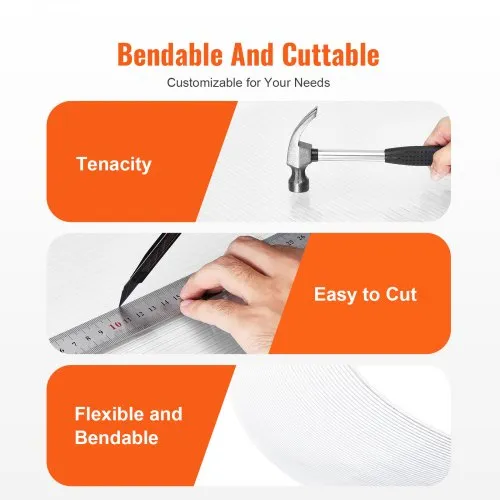
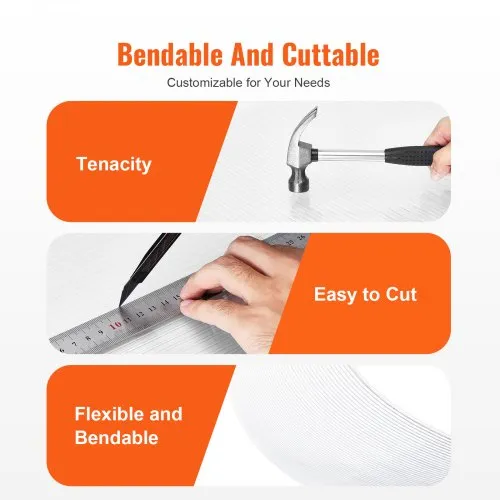
Yes. For smooth cuts, use a sharp utility knife for thinner sheets or a circular saw blade with fine teeth for polycarbonate panels. To prevent cracking, always score and snap rather than cut. To account for thermal expansion, slightly enlarge the pre-drilled anchoring holes.
What is the difference between twin-wall and solid polycarbonate roof panels?
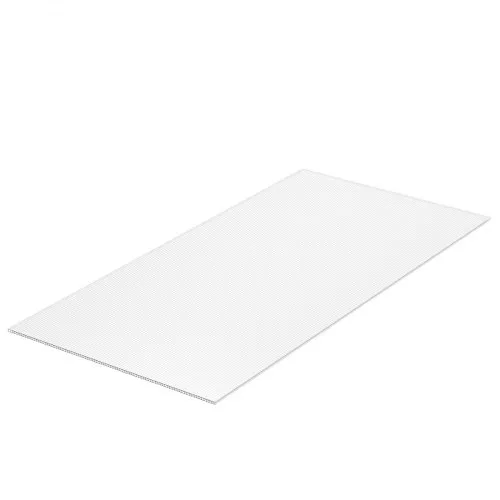
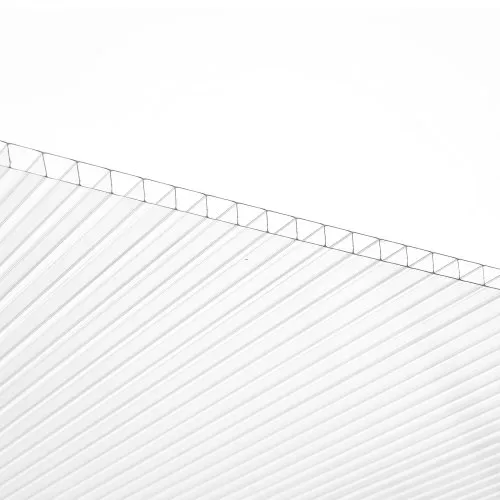
Twin-wall panels are ideal for greenhouses because they are lighter and feature two layers with internal channels for improved insulation. Applications such as security glazing and skylights, where maximum transparency and impact resistance are more important than thermal performance, are best suited to solid panels because they are heavier and optically clearer.