Roof Panels























Results for Roof Panels
They have plastic roof panels, polycarbonate greenhouse panels for light-transmitting enclosures, foam closure strips, metal roof foam closure strips, and panel accessories that ensure every installation has a properly sealed, weather-resistant finish. If you're building a greenhouse, covering a carport, cladding a yard structure, or replacing damaged panels on an existing roof, VEVOR offers long-lasting, well-designed roofing solutions that will perform reliably for years. Browse the entire collection to get the panels and other items you need for your project right away.
VEVOR Roof Panels: Plastic, Polycarbonate & Complete Accessory Solutions
Which material and panel layout work best and last the longest for your project? VEVOR's roof panel line is customizable for any use and installation situation. It includes plastic roof panels, polycarbonate greenhouse panels, foam closure strips, metal roof foam closure strips, and panel accessories in a wide range of sizes and specifications, making them useful for everything from backyard greenhouses to large-scale agricultural and commercial roofing projects.
Panel Material (Plastic, Polycarbonate) & Application
The choice of panel material is the most important part of any roofing job because it affects how much light gets through, how well it handles heat, how well it handles impacts, and how it will weather over time. You can get VEVOR's roof panels in both plastic and polycarbonate. Each material was specifically designed to work better in certain situations than the others.
Plastic Roof Panels for Cost-Effective Roofing and Cladding Across Multiple Applications
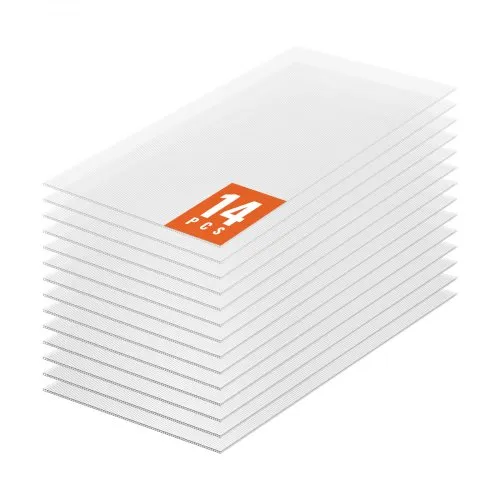
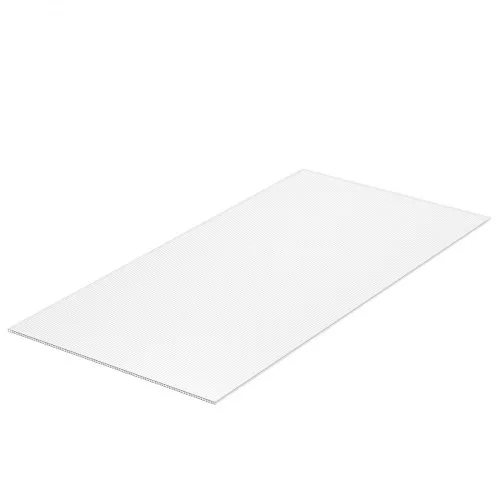
If you want a lightweight, corrosion-resistant, cost-effective alternative to metal and glass for residential, agricultural, and light commercial use, plastic roof panels are among the most useful roofing materials you can find. VEVOR's plastic roof panels come in both flat and corrugated profiles. Corrugated profiles give them the rigidity they need to span between purlins on carports, garden shelters, and farm buildings without needing very close rafter spacing.
The clear plastic roof panels from VEVOR let natural light into the buildings they cover. This is helpful for workshops, storage sheds, and yard buildings, where natural light reduces the need for artificial lighting during the day. VEVOR's plastic roof panels all use UV-stabilized formulations to prevent yellowing, breaking, and reduced light transmission that can occur with unstabilized plastic after long-term exposure to UV light in outdoor installations.
Polycarbonate Greenhouse Panels for High-Performance Light Transmission and Thermal Efficiency
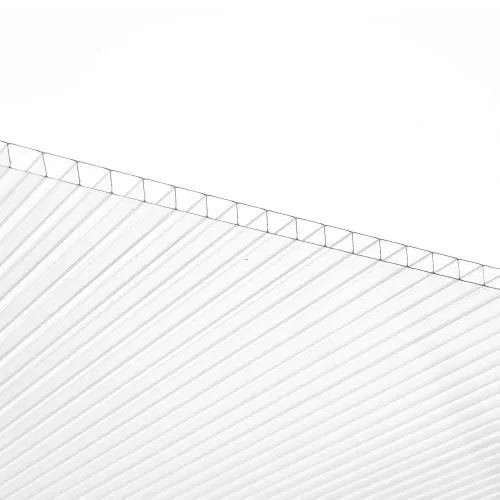
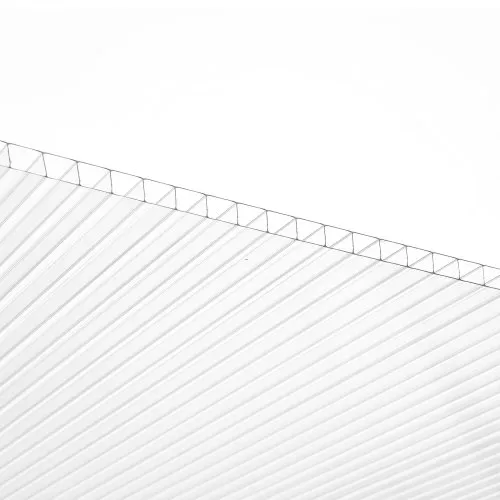
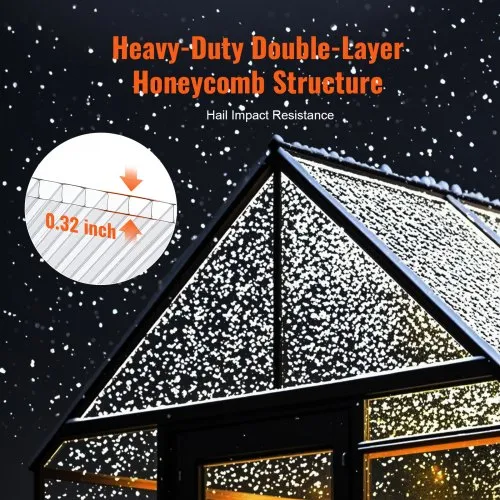
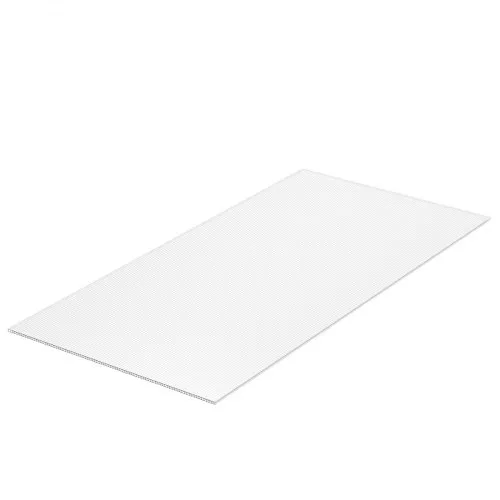
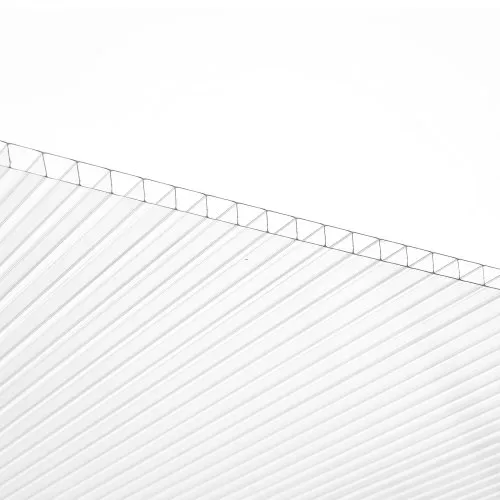
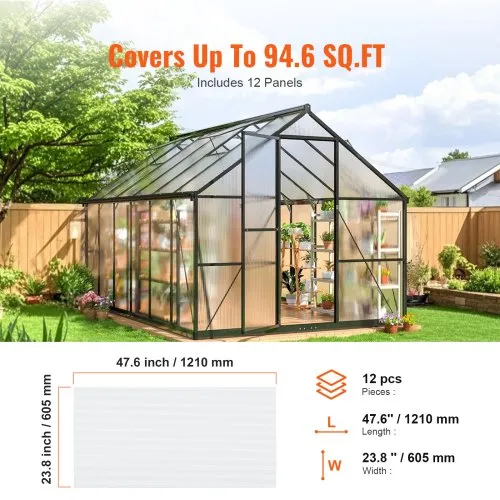
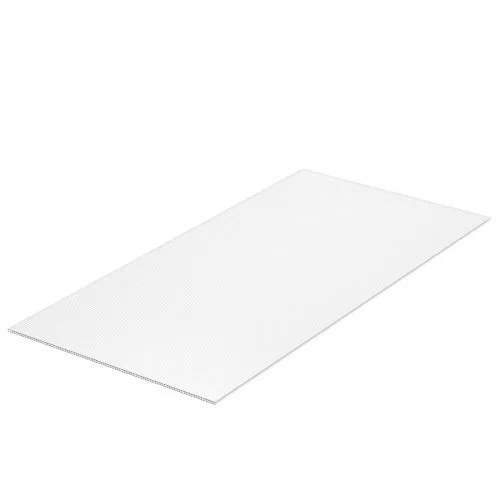
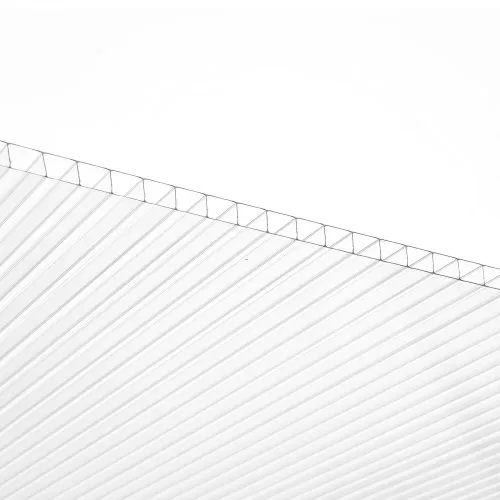
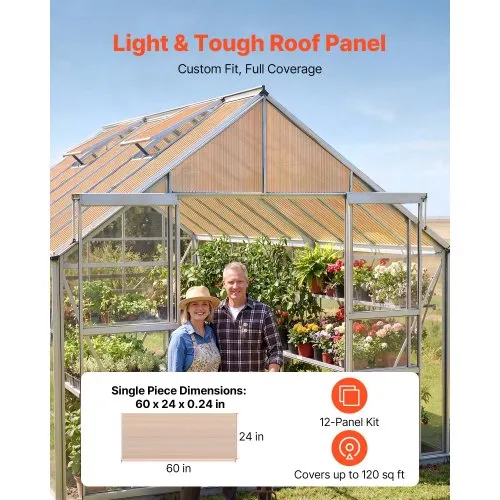
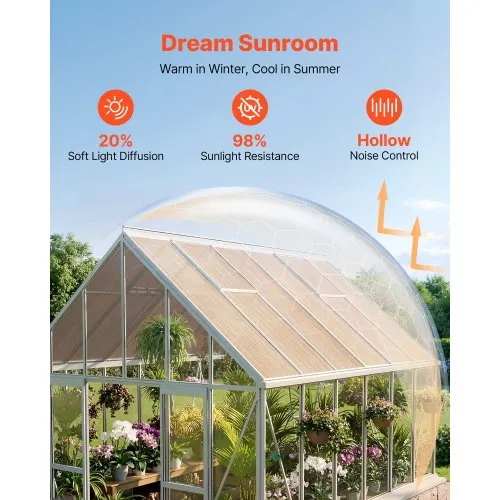
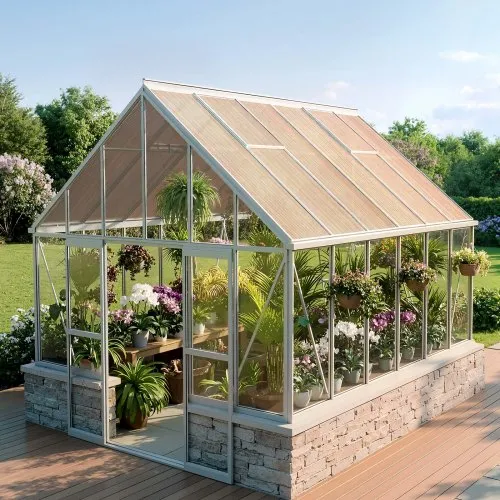
Compared to regular plastic roof panels, polycarbonate greenhouse panels are a big step up. They let in a lot of light, are much more impact-resistant than glass, and retain heat better than single-skin plastic options. VEVOR's polycarbonate greenhouse panels are available in twin-wall and multi-wall options. These panel types trap insulating air layers between the panel faces, reducing heat loss and maintaining the high temperatures inside the greenhouse that plants need during cooler months.
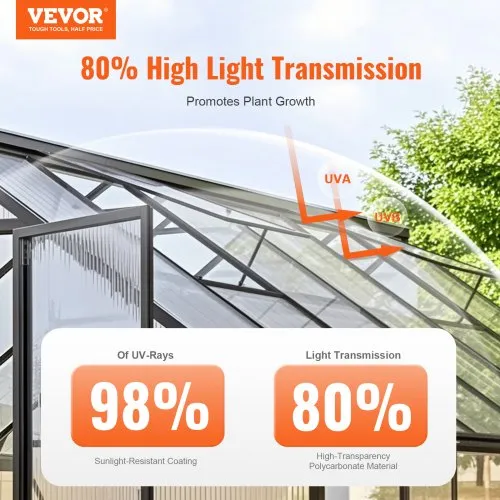
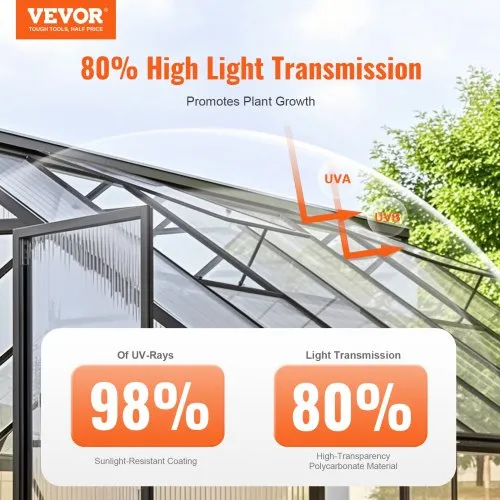
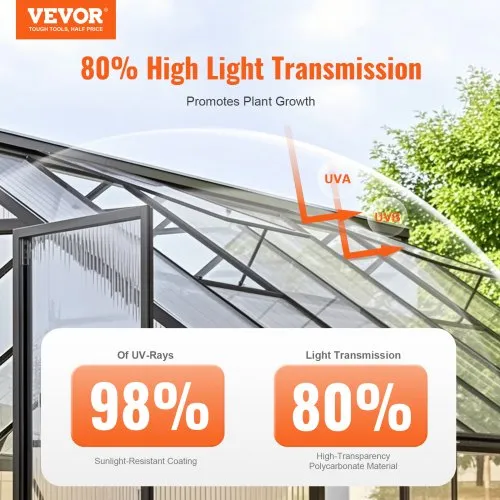
VEVOR's polycarbonate greenhouse panels are designed to transmit horticulturally useful light while blocking UV radiation that can burn leaves on sensitive plants, while allowing the full visible and near-infrared spectrum that plants need to grow. Some inner panel surfaces have anti-drip coatings that reduce condensation droplets from forming and dripping onto plants below. Instead, the coatings spread the moisture evenly down to the gutter without hurting the leaves.
Foam Closure Strips and Metal Roof Foam Closure Strips for Complete Panel Sealing
Foam closure strips are an important part of installing corrugated roof panels because they fill the irregular gaps between the corrugated panel profile and the flat supporting structure at the eave, ridge, and side overlap points. If you don't seal these gaps, wind-driven rain, insects, birds, and other debris could infiltrate the building through the roofline.
Metal corrugated roofing panel installations use metal roof foam closure strips for the same sealing purpose. However, because metal panels have a harder, more defined corrugation profile, they require a denser foam compound that maintains its seal when metal roofing fasteners clamp down harder than plastic panel fixings.
Panel Accessories That Complete Every Roof Panel Installation Properly
As we've already discussed, panel accessories include all the fixing, sealing, and finishing parts that turn individual roof panels into a fully weathertight roofing system. These include ridge caps, flashing profiles, overlap tape, and the foam closure strips we talked about earlier. VEVOR's panel accessories are designed to work directly with the company's plastic roof panels and polycarbonate greenhouse panels. This means you don't have to worry about compatibility issues that arise when you buy fixing hardware and finishing parts from different suppliers whose panel profiles aren't identical.
When installing VEVOR's roof panels, the screws use EPDM-bonded sealing washers that compress to make a watertight seal around each fixing penetration in the panel surface. This prevents water from entering at the fixing points, which is one of the main reasons cheap or incompatible fixings fail in corrugated panel roofing installations. In pitched roof installations, ridge cap accessories cover the space between the opposite panel faces at the ridge and keep rainwater from entering the building below.
Choosing Size & Weather Resistance Roof Panels
Roofing projects depend on panel size choices and weather-resistance specifications. The better the panels and installation, the longer it will last in the face of rain, wind, UV rays, changing temperatures, and physical damage. VEVOR designs its roof panels with useful size ranges and weather-resistant features that meet the real needs of outdoor roofing applications.
Panel Size Options That Suit Every Project Scale and Structural Spacing
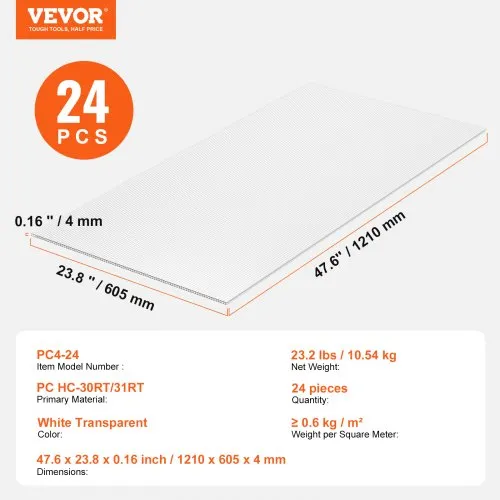
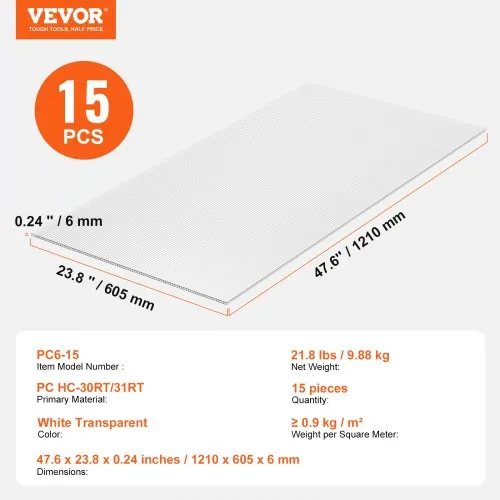
Choosing the right panel size for roof panels directly affects how quickly they are installed, how much material is wasted, and how far apart the supporting framework needs to be. VEVOR's plastic roof panels and polycarbonate greenhouse panels come in standard widths that suit common purlin spacing practices. This means that panels can be placed on structures built to standard framing dimensions with little cutting and waste.
The widths of VEVOR's roof panels match those of the most common corrugated panel profiles. This means that panels from different deliveries will overlap in the same way across the whole roof area. This is an important quality consistency point, especially for larger projects where multiple panel packs are installed one after the other across a wide roof surface.
Weather Resistance Properties That Define Long-Term Outdoor Roofing Performance
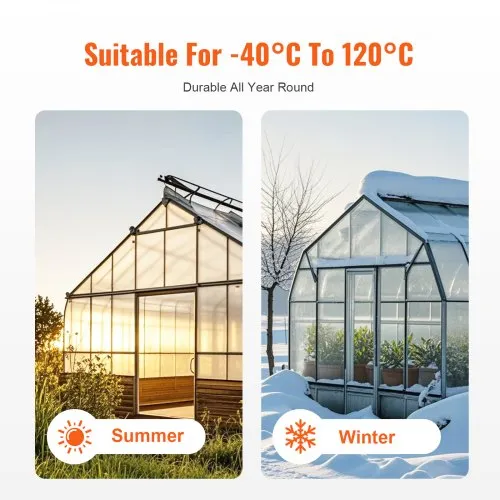
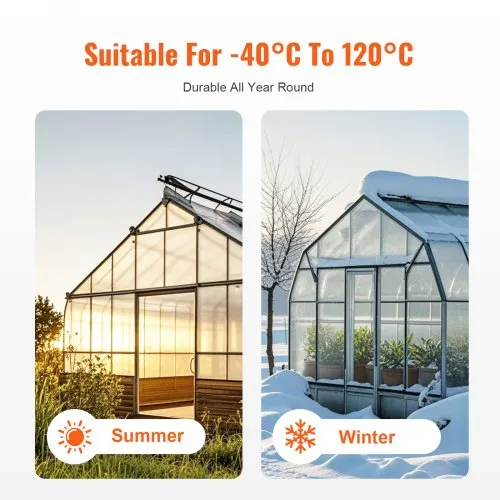
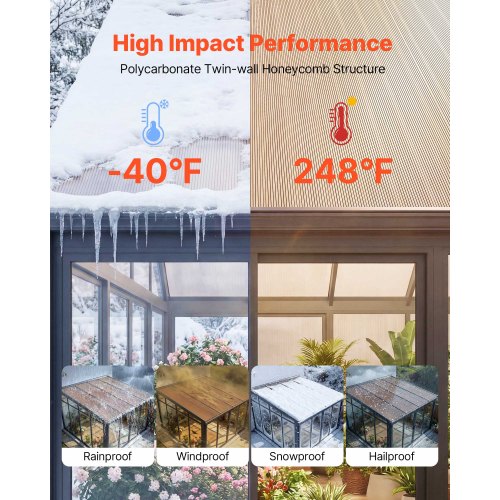
When it comes to roof panels, weather resistance is the most important thing. This includes UV stability, impact resistance, temperature cycling tolerance, and long-term water-tightness across the different types of weather an installation will see. VEVOR's plastic roof panels are made from UV-stabilized polymer formulations that prevent yellowing, cracking, and breaking, unlike unstabilized plastic, which can yellow, crack, or break when exposed to direct sunlight for extended periods. This means that the panels will last for years without needing to be replaced.
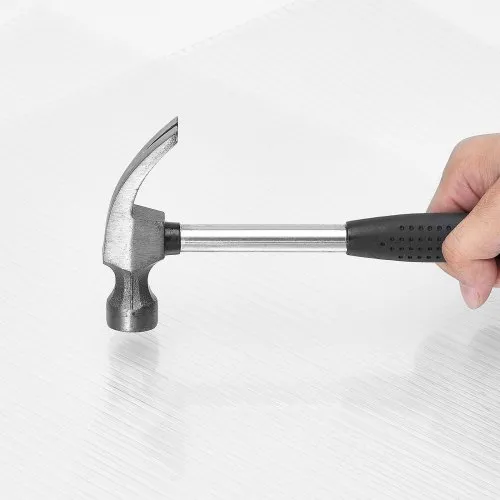
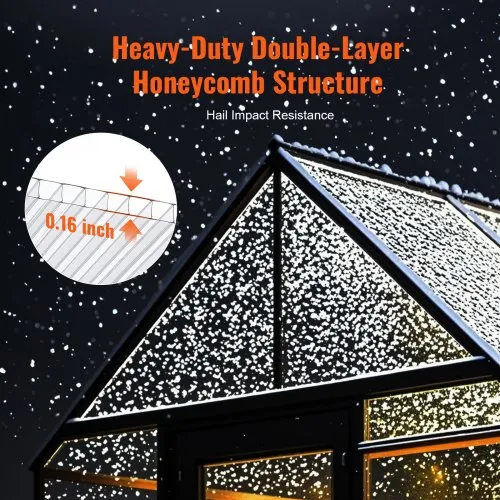
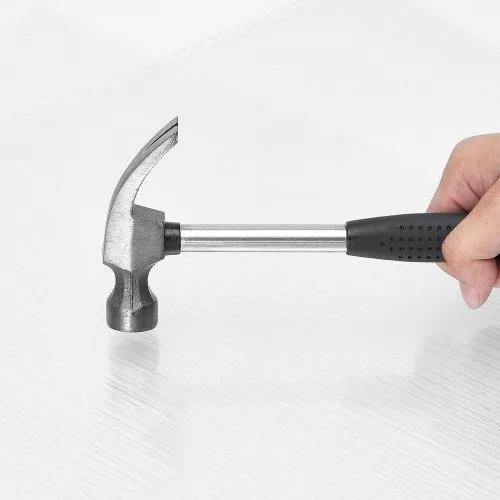
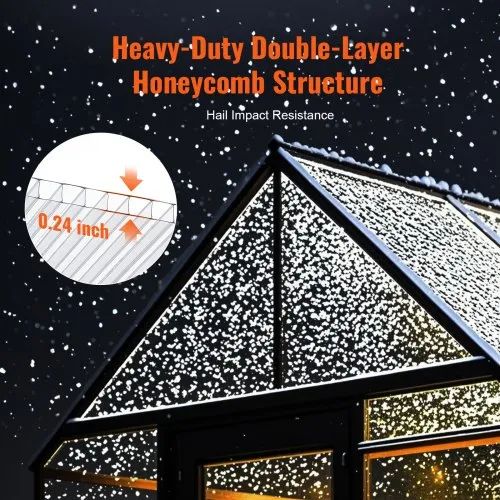
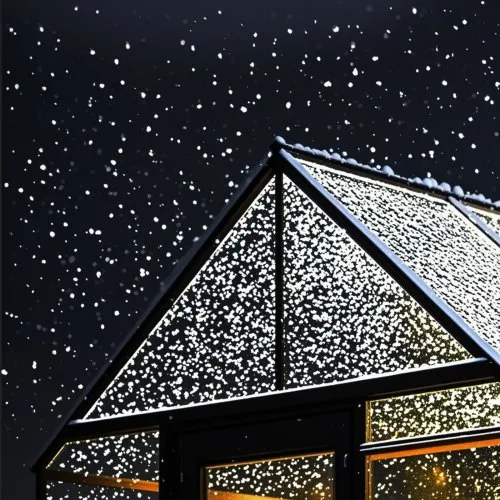
VEVOR's polycarbonate greenhouse panels feature co-extruded UV-protective surface layers that absorb harmful UV wavelengths. This means the protection is built into the panel's structure, not just on top, where it wears off over time. Impact resistance means polycarbonate greenhouse panels can withstand hail, falling branches, and installation pressure without breaking. This is a big benefit over glass and regular plastic panels in places where bad weather or overhanging trees are a problem.
Shop VEVOR Roof Panels for Durable, Weather-Resistant Coverage Across Every Project
VEVOR's roof panels are reliable and durable in all conditions. They come in a variety of styles, such as plastic roof panels and polycarbonate greenhouse panels, designed to let light through while maintaining structural strength. They also come with foam closure strips, metal roof foam closure strips, and panel accessories to ensure every installation has a properly sealed, weathertight finish. There are honest weather resistance ratings on every panel and accessory that state they will last for years when left outside.
FAQs
What is the difference between plastic roof panels and polycarbonate greenhouse panels?
Plastic roof panels are a cost-effective general-purpose roofing solution suited to carports, shelters, and agricultural buildings where basic weather protection and light transmission are the priorities. Polycarbonate greenhouse panels offer significantly higher impact resistance, superior thermal insulation through twin-wall construction, and optimized light transmission for horticultural applications, making them an excellent choice for productive greenhouse environments.
Do foam closure strips need to match the specific corrugation profile of my roof panels?
Yes. Foam closure strips should be pre-formed to match the exact corrugation profile of the roof panels being installed to achieve a continuous, gap-free seal at panel edges. VEVOR's foam closure strips are profile-matched to the corrugated panels in the lineup. Always confirm profile compatibility between your panels and closure strips before purchasing to ensure a proper weathertight seal.
Can polycarbonate greenhouse panels be cut to size on-site?
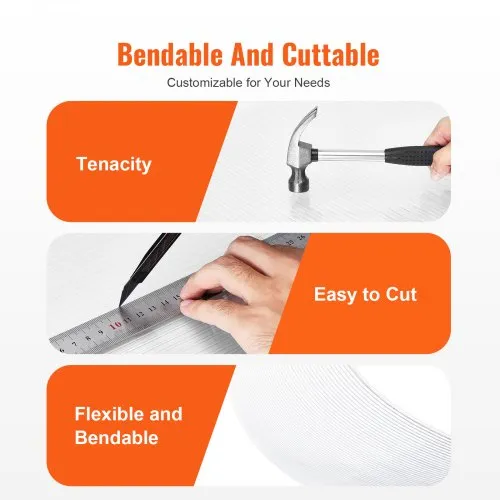
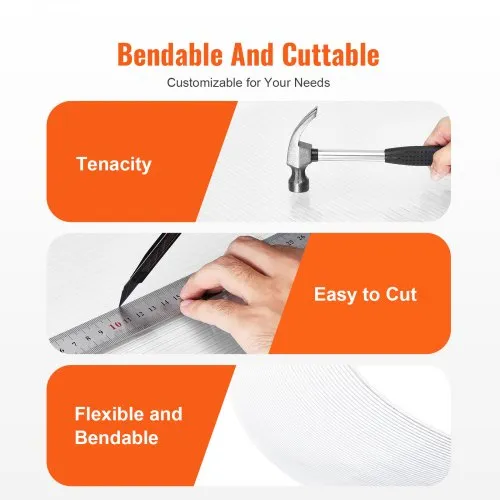
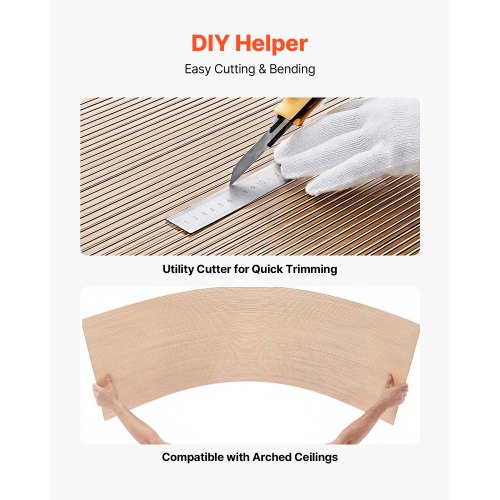
Yes. Polycarbonate greenhouse panels can be cut to length and width on site using a fine-tooth circular saw blade or jigsaw with a fine-tooth blade. Cut with the UV-protected face down when using a handheld saw to minimize surface scratching, use a straightedge guide for accurate cuts, and seal cut panel edges with appropriate aluminum foil tape or closure tape to prevent moisture and insects from entering the twin-wall flutes.
How do metal roof foam closure strips differ from standard foam closure strips?
Metal roof foam closure strips are manufactured from denser, closed-cell foam that withstands the higher clamping pressure applied by metal roofing fasteners without excessive compression or seal failure. Standard foam closure strips use softer foam formulations suited to plastic panel fixing pressures. Using the incorrect foam density for your panel type can result in an inadequate seal or in panel distortion at the fixing points.
What panel accessories are needed to complete a corrugated roof panel installation?
A complete corrugated roof panel installation typically requires fixing screws with EPDM sealing washers, foam closure strips at eave and ridge positions, ridge cap accessories for pitched roof applications, and overlap sealing tape for longitudinal panel joins on lower-slope roofs. VEVOR's panel accessories range includes all of these components specified for direct compatibility with the plastic roof panels and polycarbonate greenhouse panels in the lineup.