Towing Equipment

























Results for Towing Equipment
VEVOR's line of towing equipment includes all the parts you need to safely, legally, and confidently tow many different vehicles and loads. Everything from hitches and tow ropes, cables & chains, to tow mirrors, wheel chock tie down kits, and trailer parts and accessories is made to handle real loads. VEVOR offers reliable towing services at reasonable prices for owners and operators who prioritize safety and performance.
VEVOR Towing Equipment – Hitches, Mirrors, Lights, Ropes & Trailer Accessories for Every Setup
Are you putting together a whole tow setup or just looking for new parts for one that you already have? To keep every tow safe and legal, every part of the system must be correctly specified, rated, and made. VEVOR's line of towing equipment covers the entire system, with clearly rated parts that work with a wide range of vehicles and trailers.
Selecting Towing Equipment by Type and Towing Capacity
The most important thing to know about setting up a safe tow truck is how the type of equipment you have affects its towing ability. Every part of a tow system can only carry a specific weight. That means that each part must be properly spec'd before any load is hitched and moved.
Hitches, Tow Ropes, Cables & Chains with Rated Capacity for Every Load Type
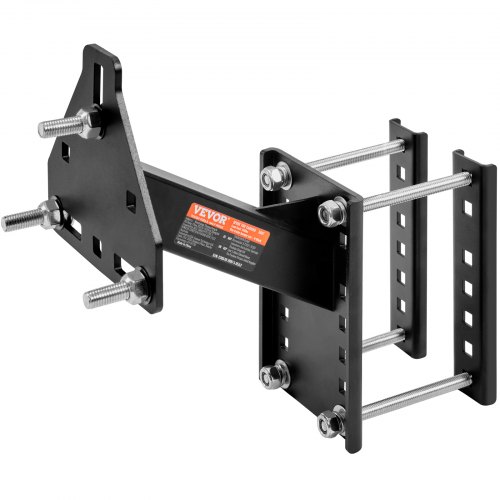
The hitch is the main structural link between the tow car and the trailer. Choosing the right type of hitch for the load you will be pulling is crucial. There are four normal SAE hitch classes. The tongue weight ratings range from 200 to 1,000 pounds, and the gross trailer weight ratings range from 2,000 to 10,000 lbs. Class I and II hitches work with smaller loads, like bike racks, cargo carriers, and utility trailers. They can be used on passenger cars and SUVs. Full-size trucks and SUVs that pull boats, campers, horse trailers, and heavy goods on flatbeds should use Class III and IV hitches.
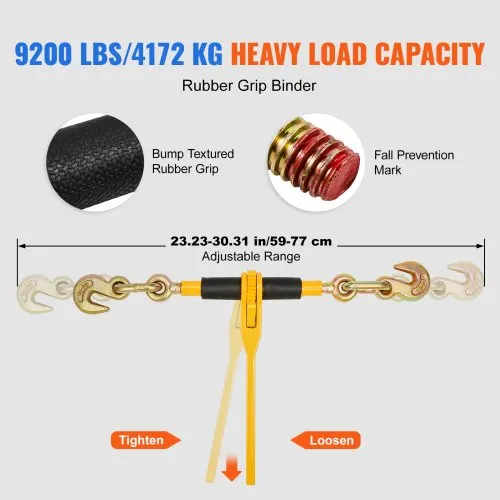
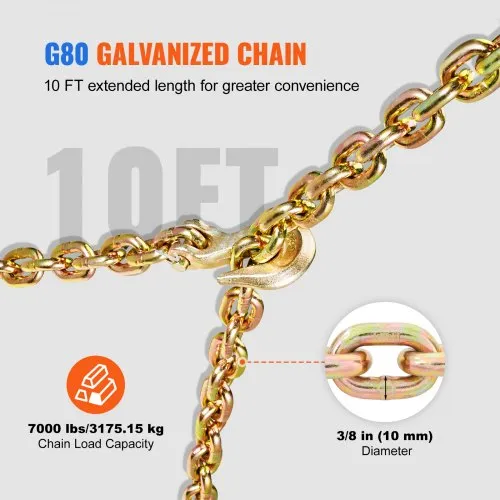
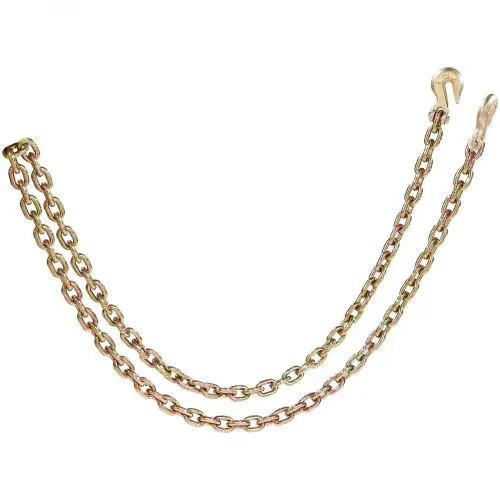
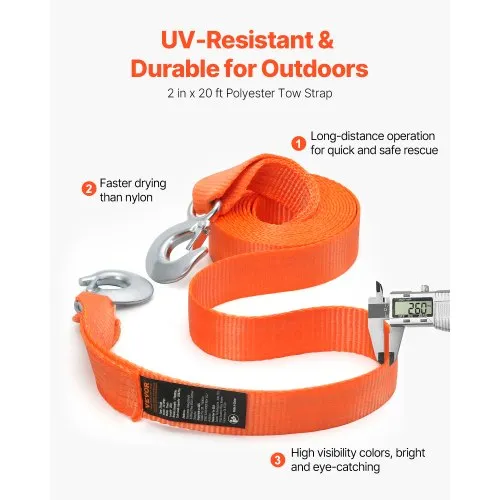
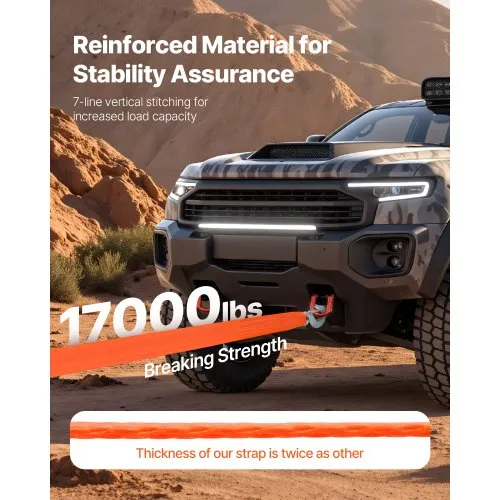
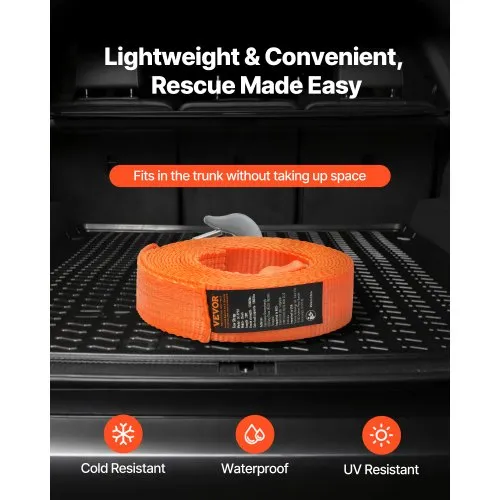
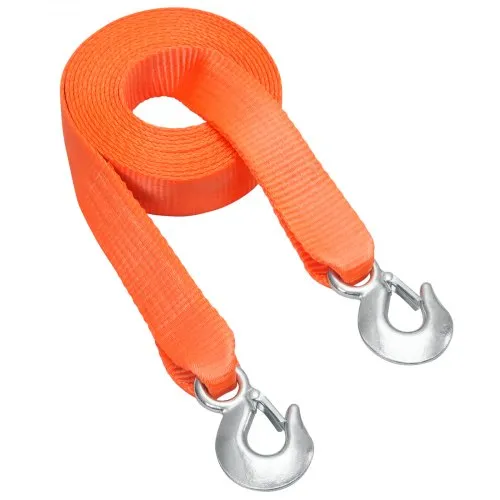
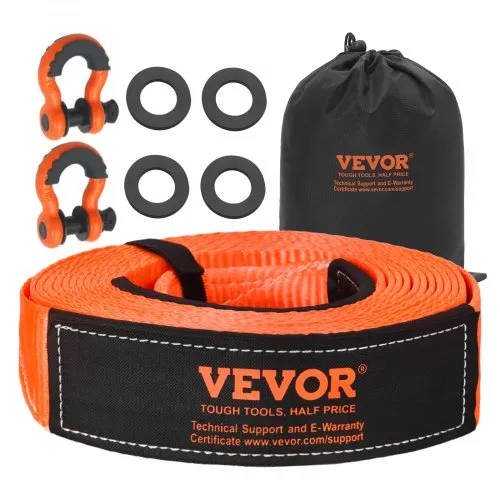
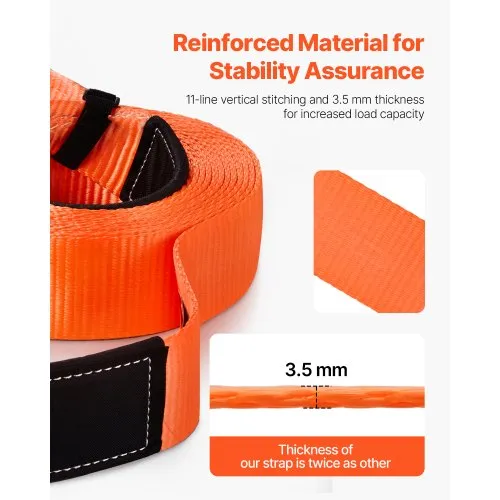
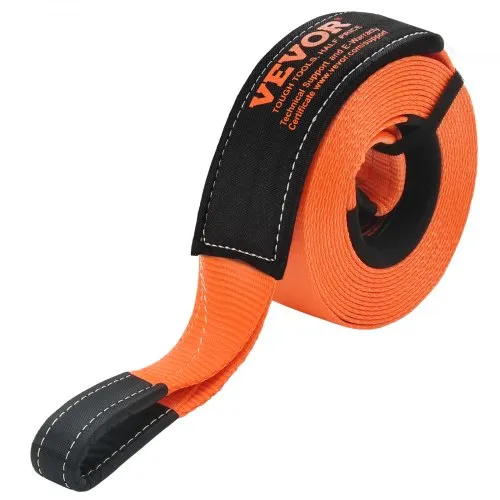
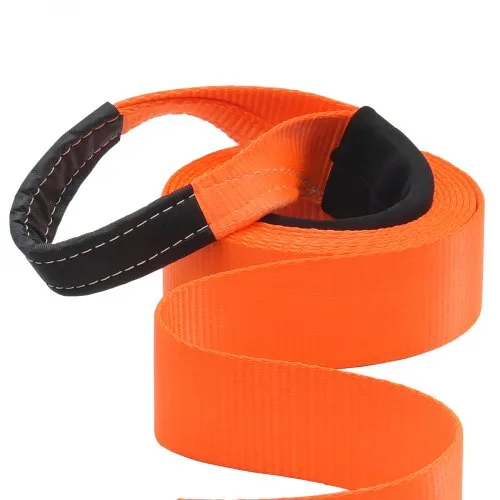
Recovery and extra towing needs can be met with tow ropes cables & chainswhen a vehicle gets stuck, breaks down, or needs to go a short distance without a normal trailer link. Tow ropes are measured by their breaking strength instead of their working load. There is an important difference: the safe working load should not exceed one-third of the breaking strength.
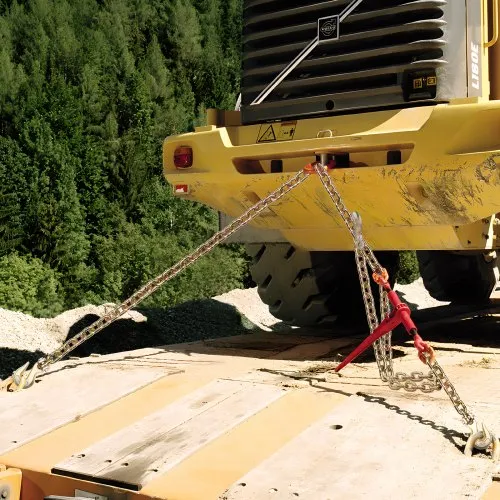
There are two types of tow ropes: polyester and nylon. Nylon tow ropes are better for reducing shock loads on both cars during recovery pulls because they absorb energy more efficiently. Steel tow cables and chains can hold more weight, which is beneficial for recovering heavy vehicles and securing loads.
Wheel Chock Tie Down Kits and Electric Pickup Truck Cranes for Load Security and Handling
As important as the hitch connection is, how the load is secured to the trailer is equally important. Wheel chock tie down kits are designed to keep cars and equipment on trailers from shifting, rolling, or tipping while they're being moved. Wheel chock tie down kits feature heavy-duty rubber or steel wheel chocks and built-in ratchet straps that hold the chocked wheels to the trailer deck. It creates a multi-point restraint system that stops forward, backward, and side-to-side movement simultaneously.
The sizes of wheel chocks are based on tire width and the type of trailer deck. The chock sets for tires on normal passenger vehicles that are between 205 mm and 275 mm wide. They also offer larger chock profiles for ATVs, motorcycles, and light equipment. Ratchet straps in tie-down kits can hold at least 1,500 lbs each.
Electric pickup truck cranes make it easier to tow big things by providing a powered way to lift bulk materials onto truck beds or trailers. Electric pickup truck cranes attach to the truck bed using heavy-gauge steel brackets that don't need to be permanently changed. They can lift between 440 and 1,320 pounds and have a powered boom extension and a spin that covers the entire truck bed. Some models feature a wireless remote control that allows a single operator to load and unload without a spotter.
Trailer Parts and Accessories for Maintaining a Complete and Compliant Trailer System
A trailer is only as reliable as its parts, so getting quality trailer parts and accessories is important for keeping your towing setup safe and legal over many years of use. VEVOR's trailer parts and accessories include couplers, jacks, safety chains, wiring harnesses, and load distribution gear. Mechanical and electrical components in any trailer system wear out, corrode, or require regular replacement.
The female receiver part that connects to the tow vehicle's hitch ball is called a trailer coupler. The coupler bore diameter and ball diameter must be the right size for a safe, rattle-free connection. Couplers come with standard ball sizes of 1-7/8", 2", and 2-5/16", so they can fit the hitch ball on the tow car. The coupler sizes are labeled with the gross trailer weight ratings for each size.
Trailer jacks give you the vertical support you need to level and stabilize a stopped trailer. They also let you raise the coupler so you can hitch and unhitch the trailer without having to lift the tongue by hand. Trailer jacks come in both swing-away and bolt-on styles and can lift to 5,000 lbs, enough for everything. Swivel wheel jacks give you horizontal mobility to move a parked trailer without a tow vehicle. It is useful for people who store their trailers in tight places or garages where precise placement is required. Zinc and powder-coated steel finishes on trailer parts protect them from corrosion and help them last longer.
Matching Towing Equipment to Vehicle Compatibility and Key Features
Towing equipment that works well with the tow vehicle is determined by how well it fits with the tow vehicle. VEVOR makes its tow equipment with a wide range of car compatibility and useful features that meet the real needs of towing on public roads and job sites.
Towing Mirrors and Towing Lights for Visibility, Compliance, and Vehicle Fit
Towing lights and towing mirrors are the two most legally and practically important parts of any road-going tow setup for sight. Towing is illegal and really dangerous if the mirrors don't cover enough and the trailer lights don't work. It is true for the driver, the load, and other people on the road who are sharing the space.
Towing mirrors let the driver see behind the trailer, which is wider than the tow vehicle's standard mirrors. It is required by law in most places where the trailer is wider than the tow vehicle's standard mirrors. Towing mirrors come in clip-on and strap-on styles that connect to the existing door mirrors without any changes. They have longer mirror arms that move the reflective surface 3 to 5 inches out to the side.
Towing lights that the trailer's brakes, turn signals, and running lights are properly visible to cars behind it. It is required by law for all trucks that go on the road in every state. Towing light kits come with both magnetic-base portable light sets and full hardwired harness kits for permanent trailer lighting setups. The magnetic-base portable light sets can be used to tow trailers without built-in wiring. Four-pin and seven-pin connectors work with all standard towing wiring setups for North American cars and light trucks. It ensures that all trailer lighting functions receive the correct signals without the need for adapters on compatible vehicles.
Hitch Compatibility, Adjustability, and Safety Features Across the Towing Equipment Range
The compatibility features and safety mechanisms built into towing equipment decide how securely, conveniently, and safely the system works. Receiver tube size is the main factor that determines what hitch-mounted towing equipment will work with what vehicle. Hitches, ball mounts, and hitch-mounted accessories are available in standard 1-1/4" and 2" receiver tube sizes, compatible with most factory-installed and aftermarket hitch receivers on cars, trucks, and SUVs.
Adjustable ball mounts compensate for the height difference between the tow vehicle's hitch receiver and the trailer coupler. The difference causes the trailer to run either too high or too low, compromising pulling stability and increasing tire wear. Adjustable drop ball mounts let you change the height of the hitch and the trailer by 1" at a time, from a 2" drop to a 6" drop. It lets you cover the height difference between most vehicle-trailer pairs without needing a custom-length fixed mount.
When installing a receiver hitch, two common problems are metal rattling from the gap between the ball mount shank and the receiver tube. Anti-rattle hitch inserts and locking hitch pins solve both of these problems. Anti-rattle inserts use a tightening bolt system to eliminate receiver clearance without making any permanent changes. Hitch locking pins, on the other hand, use keyed or combination locks to keep the ball mount in place when the car is not in use.
Shop VEVOR Towing Equipment for Every Vehicle, Trailer, and Haul
VEVOR sells all the parts you need for a safe towing system, such as Class I through Class IV hitches. Our collection also includes Grade 70 tow chains, towing mirrors, towing lights, wheel chock tie down kits, and electric pickup truck cranes. Each piece of towing equipment has a clear rating and is made from materials designed to withstand the stresses of normal road driving. VEVOR is the best place for truck owners, trailer operators, and tow professionals to get parts, thanks to its competitive prices. Look through both of our tools and start putting them together today.
FAQs
What hitch class do I need for towing a camper or boat trailer?
Most camping and boat trailers require a Class III or Class IV hitch that can tow up to 10,000 lbs. Before you start towing, you should always check the tow vehicle's stock towing rating and ensure the hitch class fits both the vehicle's capacity and the trailer's loaded weight.
Are towing mirrors compatible with all vehicles?
Clip-on and strap-on tow mirrors are made to fit most standard door mirror housings on cars, trucks, and SUVs. Before you buy, compare the mirror's clamp width range to the dimensions of the mirrors on your car to make sure they will fit securely.
What is the difference between tow ropes cables & chains for recovery?
Tow ropes, especially nylon ones, can absorb shock loads during car recovery, which makes it easier on both vehicles. Steel tow chains can hold more weight and are harder to cut or abrade, making them better for pulling big vehicles out of ditches and keeping trailer loads in place.
Do trailer lights work with both 4-pin and 7-pin connectors?
Either a 4-pin or a 7-pin connection is included with towing light kits. Four-pin connectors handle basic tasks like brake, turn, and running lights. Seven-pin connectors, on the other hand, provide an electric brake, a reverse light, and extra power circuits needed for larger trailers and caravans.