Winches
























































































Results for Winches
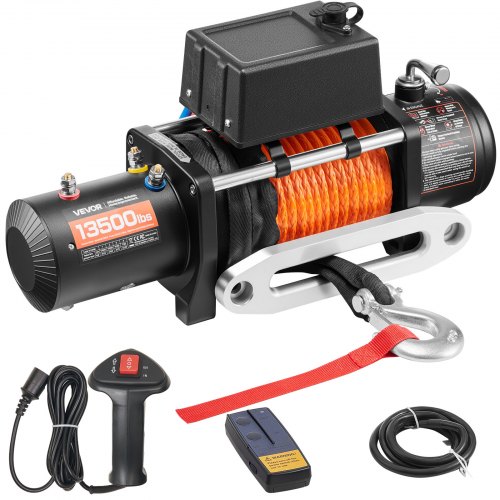
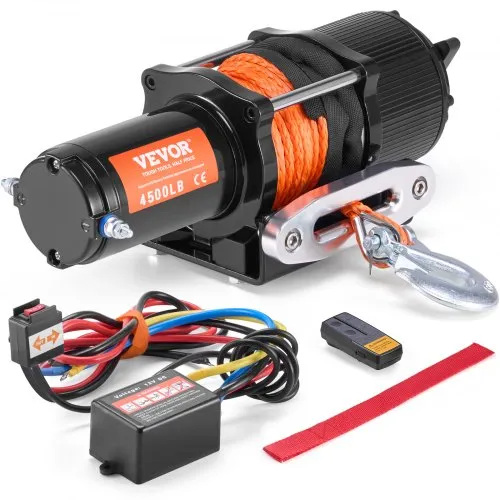
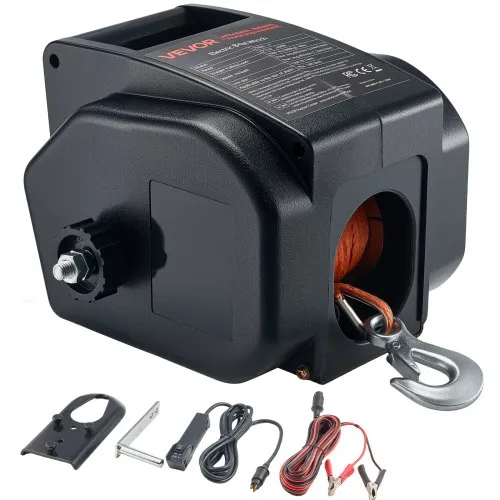
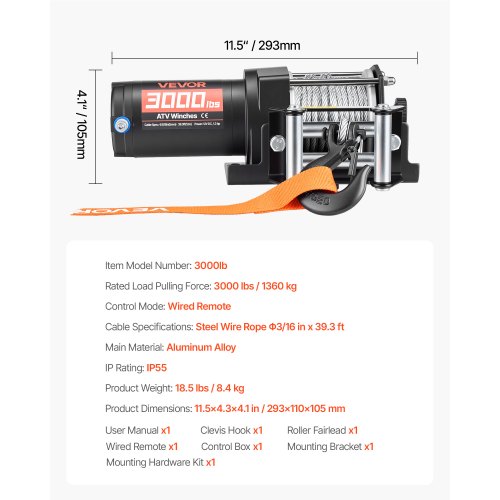
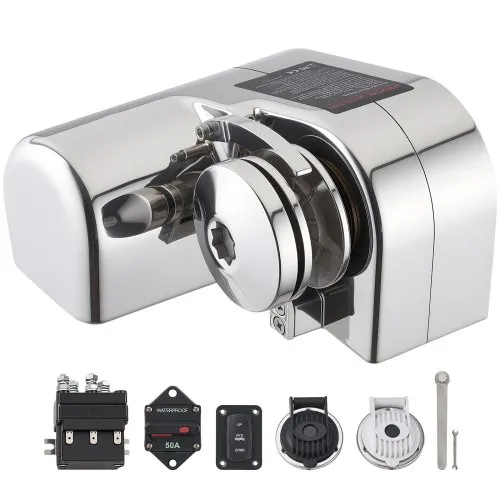
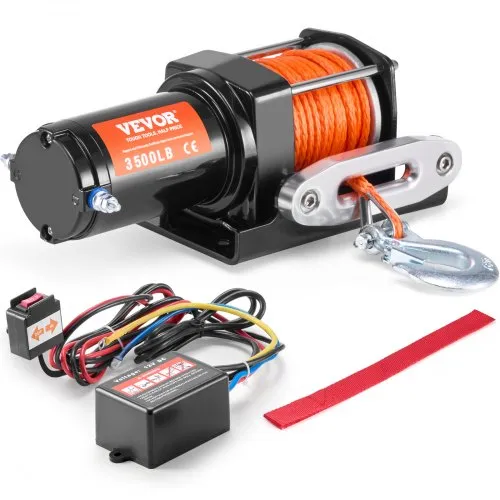
Check out VEVOR’s entire range of winches for off-road recovery, boat launching, garage lifting, and heavy-duty shop work. Includes electric winches, ATV winches, UTV winches, truck winches, boat trailer winches, hand winches, portable winches, and accessories such as hoists, fairleads, snatch blocks, spring balancers, and other pulling accessories. Whether you’re pulling a truck out of the mud, loading a boat onto a trailer, or lifting an engine block in the shop, VEVOR has winches rated for the job. Every winch product page lists line pull ratings and cable specs, so you know what you’re getting before it ships.
VEVOR Winches for Vehicle Recovery, Boat Trailers, and Shop Lifting
Mired in the mud? Hauling a boat onto a trailer? VEVOR offers electric and hand-powered winches for ATVs, UTVs, trucks, boats, and garage use. Instead of guessing what line pull rating you need, compare electric winches, truck winches, and hand winches side-by-side, and add pulley hoists and fairleads to round out the setup. If you need dependable pull and don't want to pay the dealer markup, this category is for you.
Winch Types for Every Vehicle, Boat, and Shop Job
VEVOR organizes its winches by vehicle type and use, making it easy to find the right pulling power without sifting through unrelated gear.
ATV, UTV, and Truck Winches for Lifting Off-Road Recovery
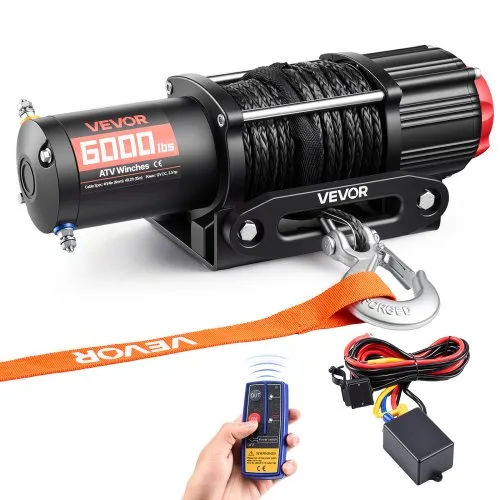
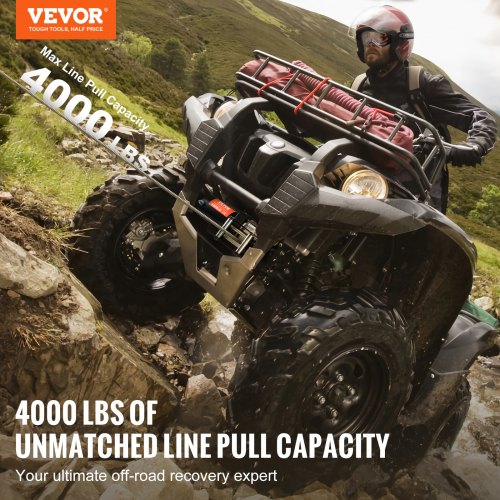
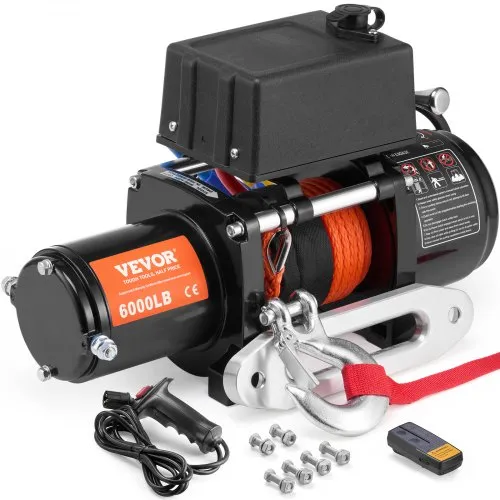
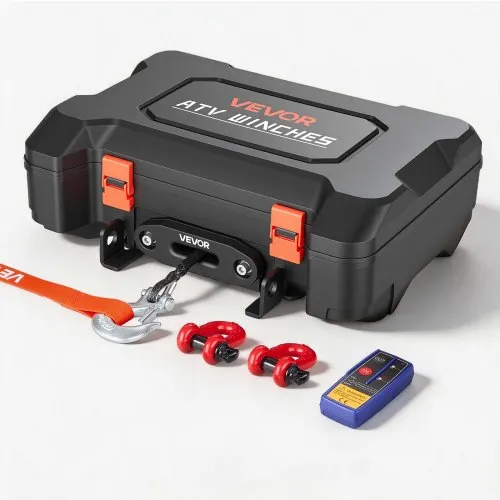
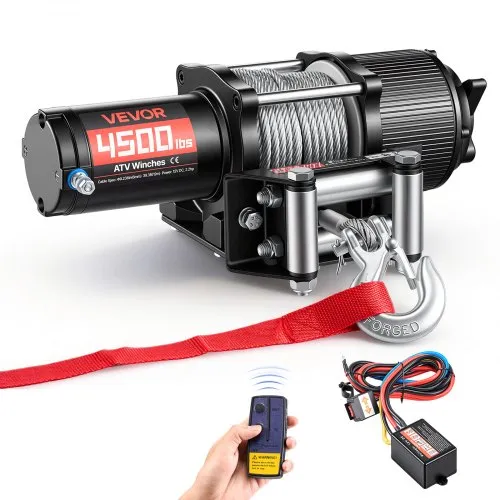
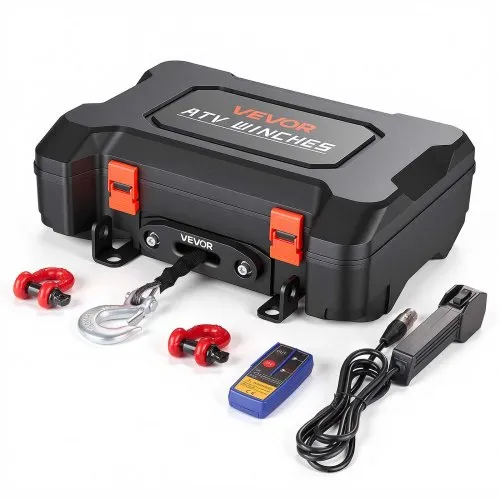
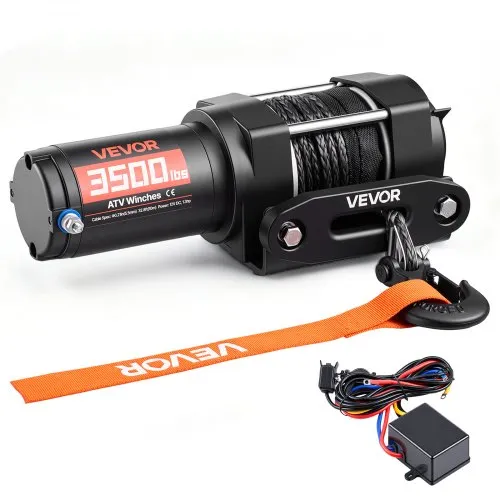
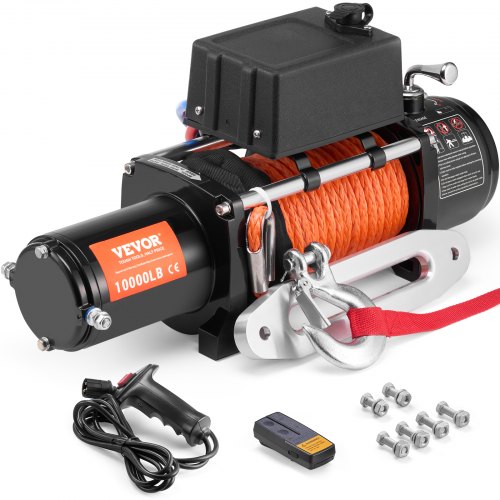
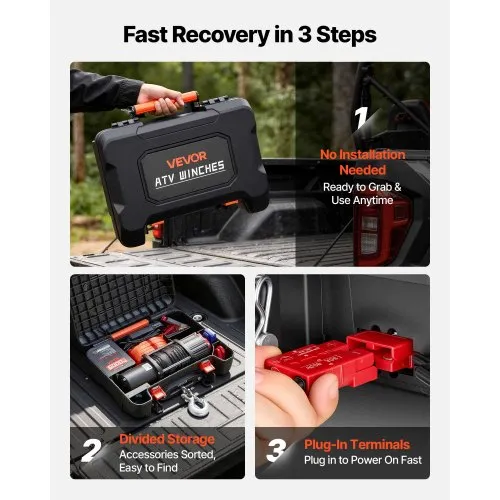
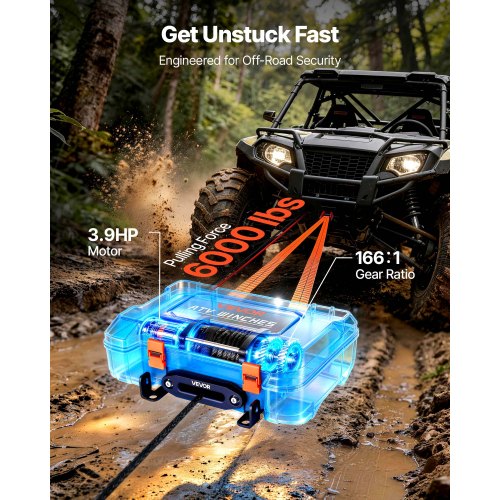
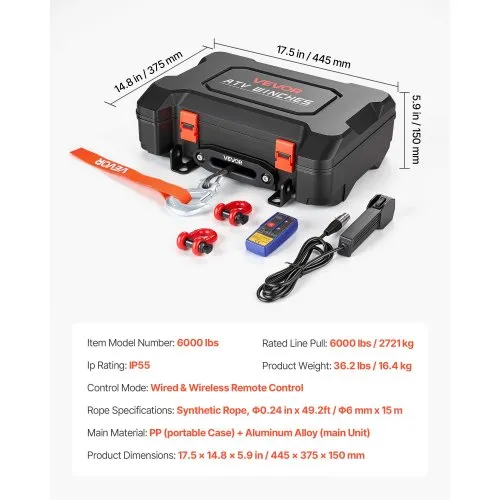
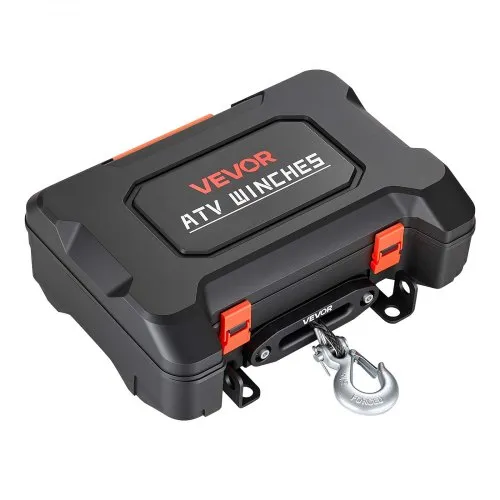
In off-roading, getting stuck is part of the deal, so a mounted winch is a must-have on most trail rigs. ATV winches are designed for lighter loads, such as quads pulling themselves out of the mud or moving light loads on the trail. UTV winches have more capacity and are built for heavier side-by-sides that have more weight and gear to move. Both mount to a front bumper or dedicated winch plate and wire into the vehicle's electrical system so that you can use them on demand.
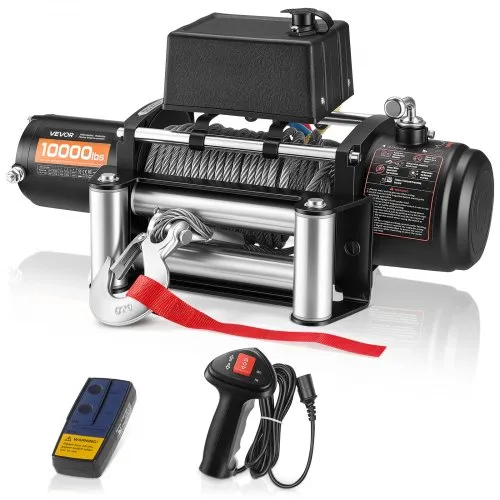
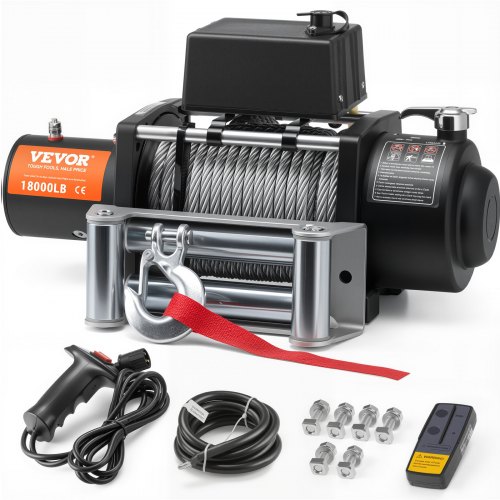
Truck winches are used for full-size pickups and larger off-road builds. They handle heavier loads, longer cable runs, and more frequent use without burning out the motor. Most are powered by the vehicle’s battery, putting them in the wider electric winch family of ATV and UTV models. The main differences between the three are line pull rating and mounting size; a UTV winch bolted to a truck bumper will undersize the pull and strain the motor, while an oversized truck winch on a small ATV adds unnecessary weight up front. That way the winch is matched to the vehicle, not just the highest rated pull number, keeping the setup balanced and the motor in its actual working range for years instead of months.
Boat and Trailer Winches
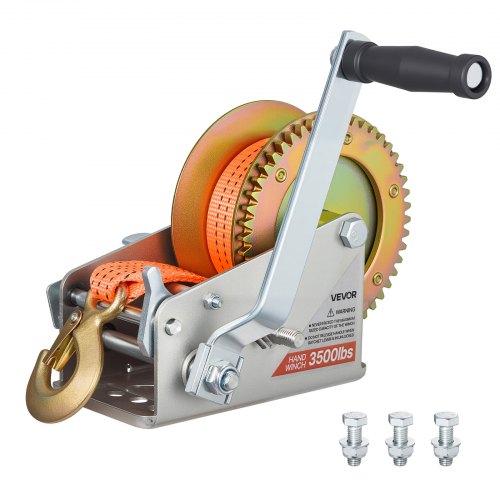
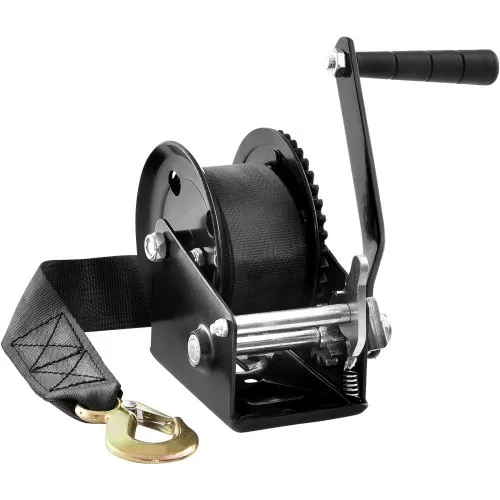
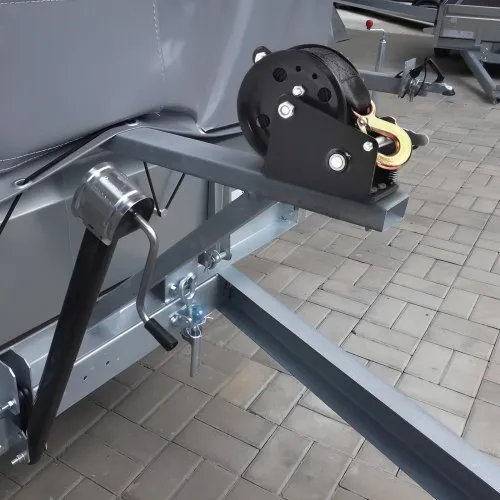
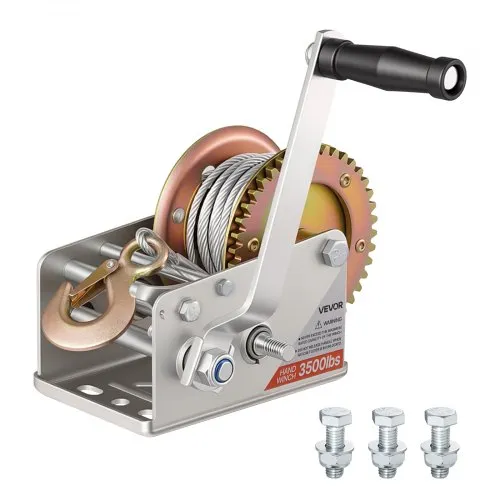
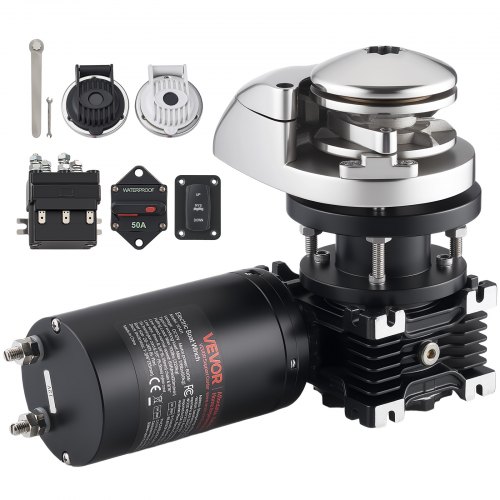
Loading a boat is not always a one-person job, but the right winch makes it easier. Boat trailer winches bolt to the trailer's bow stand and use a ratchet or gear arrangement to pull the boat onto the rollers or bunks, usually by hand crank on most consumer units. An electric boat winch removes the manual effort, running off a 12-volt battery or the tow vehicle's power to pull the boat up at the push of a button. For anyone launching and loading often, especially with larger boats, an electric boat winch can remove the manual effort from the equation.
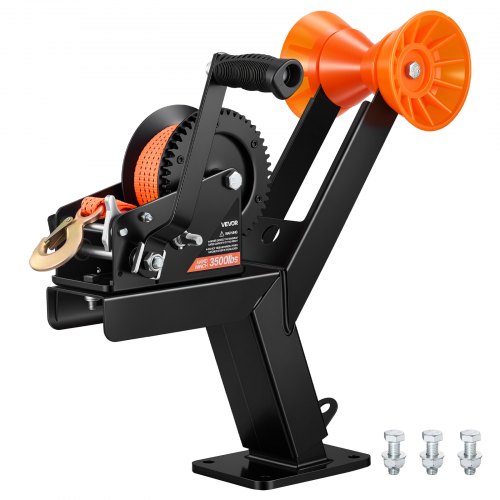
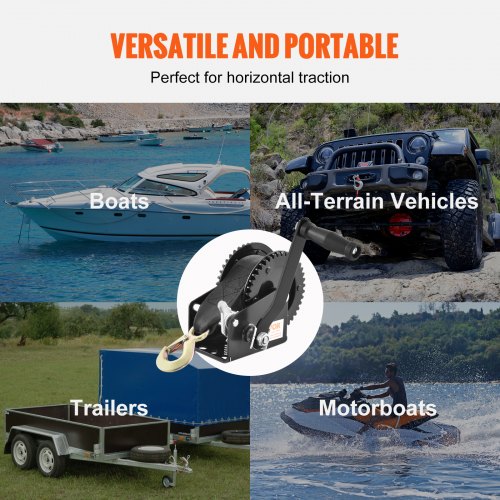
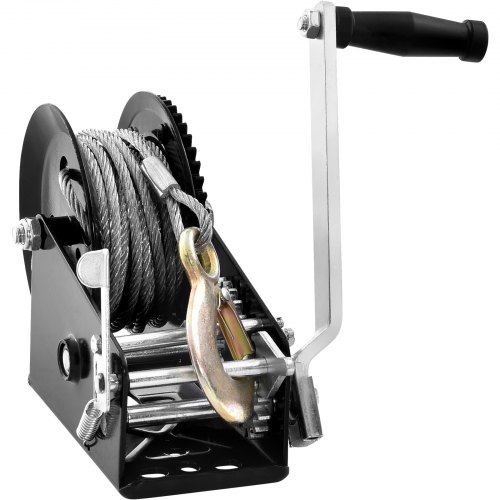
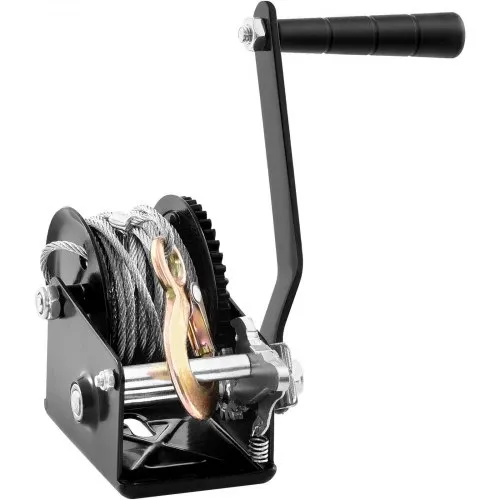
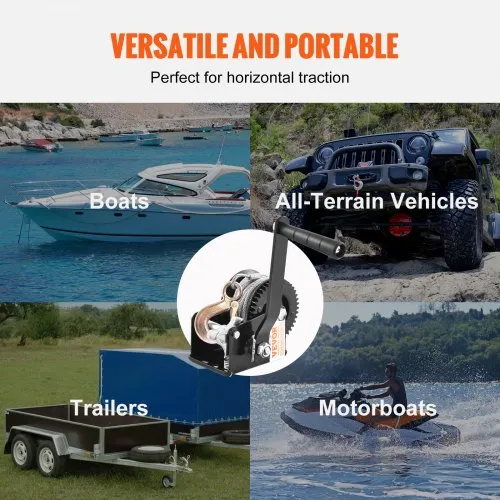
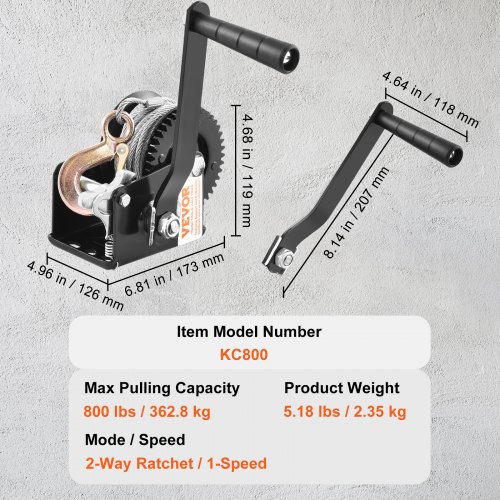
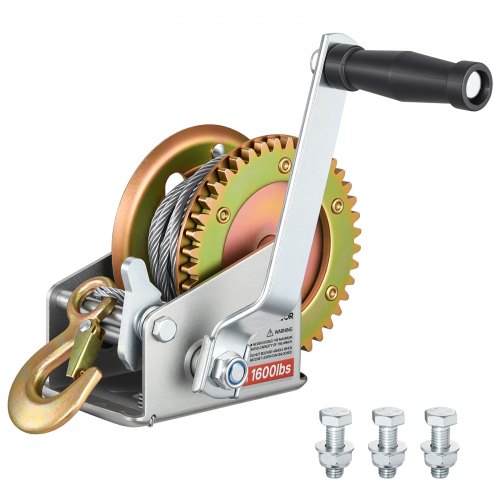
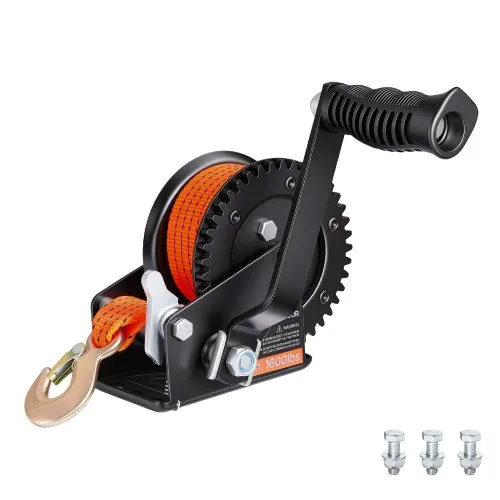
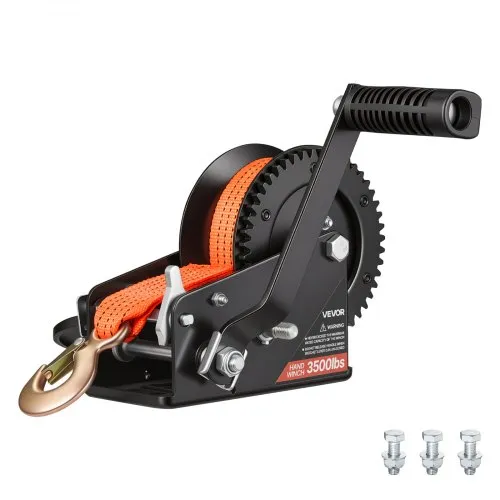
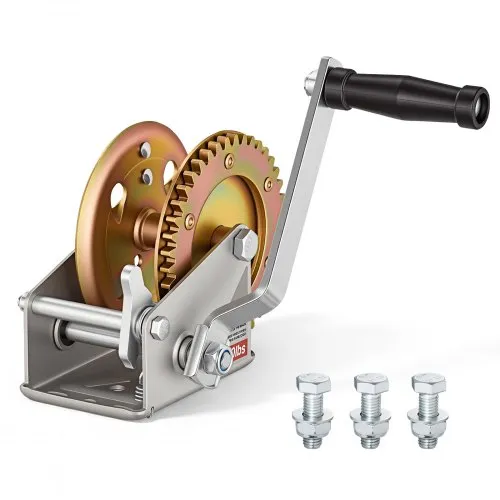
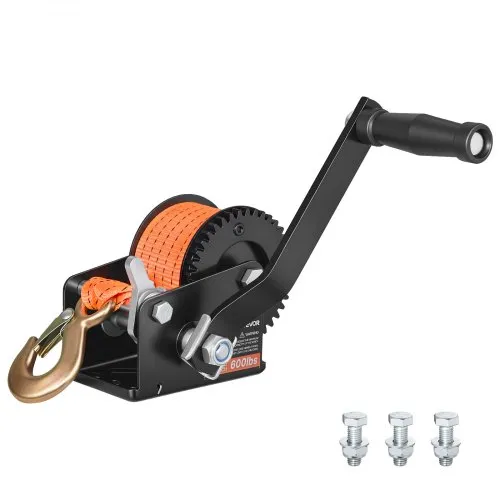
Hand winches aren’t just for boats. You’ll see them on trailers, small utility jobs, and anywhere a compact, no-power-needed pulling tool makes more sense than running an electrical line. Portable winches take that idea a step further, designed to move between vehicles, job sites, or storage without a permanent mount, which is great for anyone who only needs a winch once in a while instead of keeping one bolted down all year. Most boat owners use a basic hand winch if they only load and unload occasionally and an electric boat winch if they load and unload several times a week.
Garage, Shop, and Overhead Lifting Gear
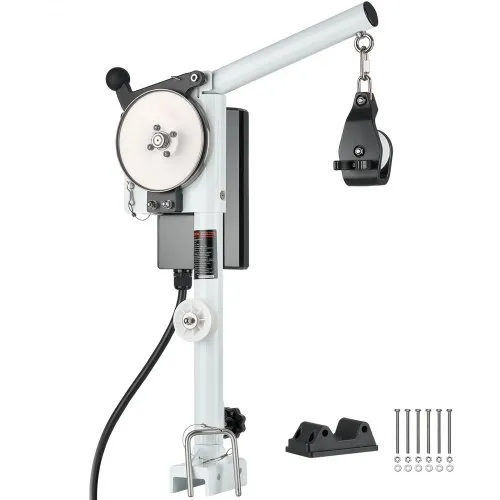
A lot of the shop equipment is searched under different names, and that's understandable because the gear overlaps. Some look for electric winch hoist, others electric hoist winch, electric lifting winch, or electric chain hoist, and all of these point to about the same thing: an electric-powered hoist mounted overhead or on a frame, used as a winch to lift engines, machinery, or heavy parts off the ground.
The same overlap appears with electric garage hoist, electric garage winch, overhead winch, electric crane winch, heavy lifting winch, and winch for shop. No matter what you type into the search bar, the function is the same: fixed or mobile lifting power for a home garage, small fabrication shop, or warehouse bay. VEVOR has a range of hoists, from simple pulley hoists for light manual lifting to complete electric chain hoist systems for repeated heavy use. Whether you came here from searching for the exact phrase, or if you’re pulling an engine for a rebuild, hanging a hoist over a workbench for parts assembly, or if you’re setting up a permanent lift point in a shop ceiling, this is the group to shop from.
Synthetic Rope and Steel Cable Options
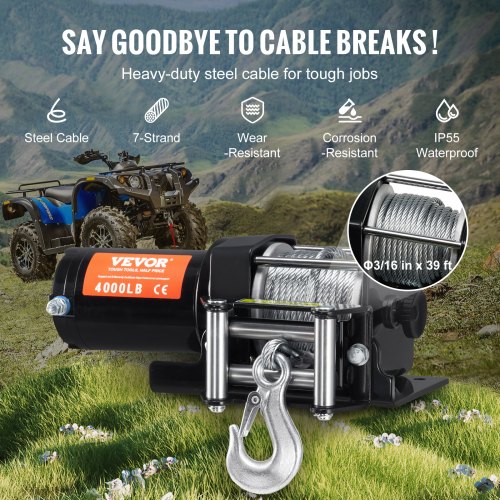
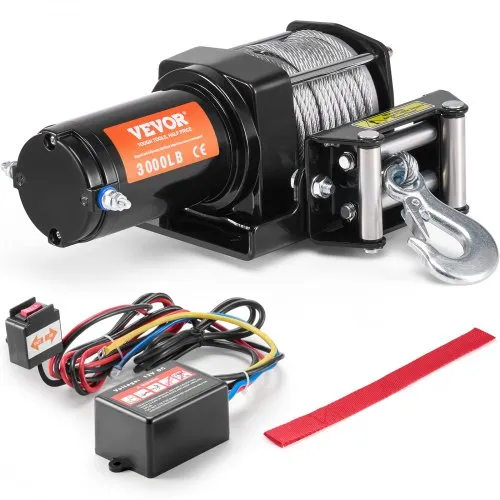
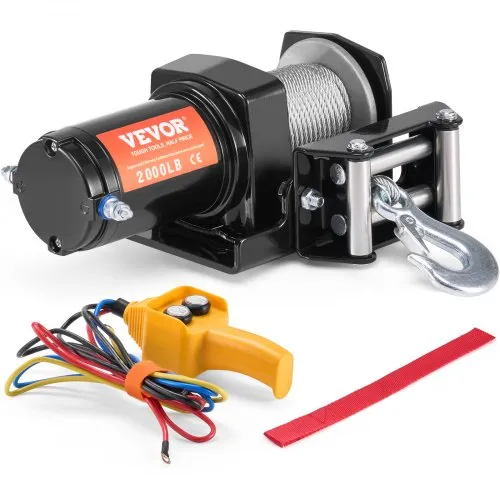
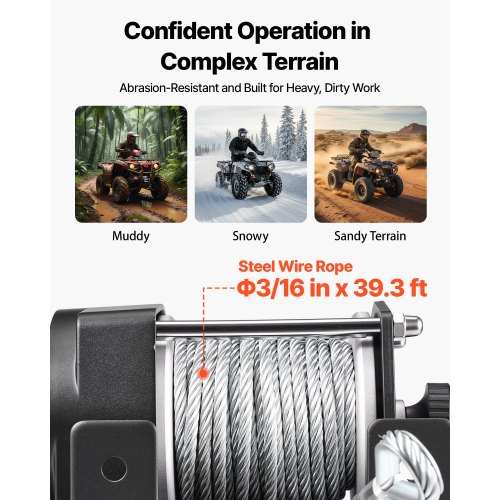
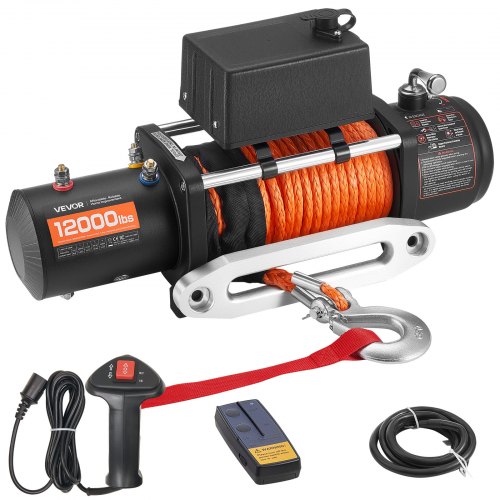
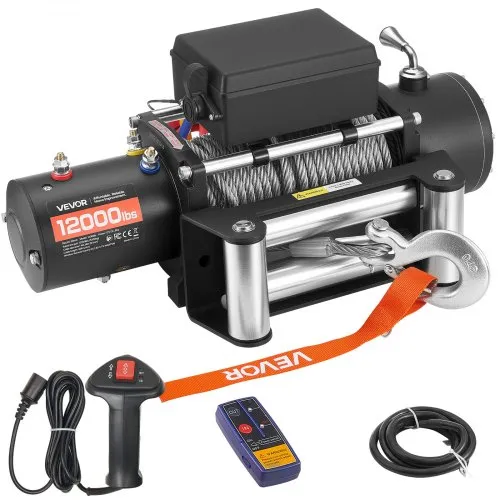
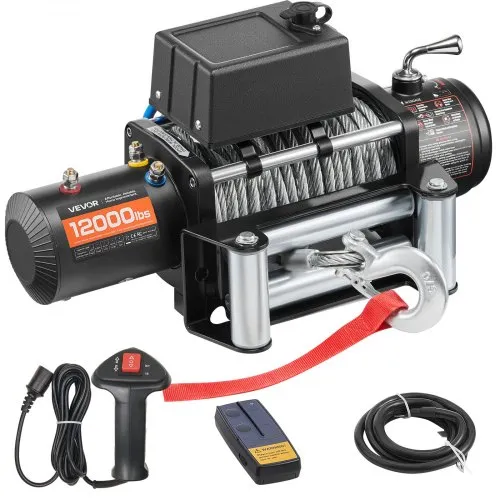
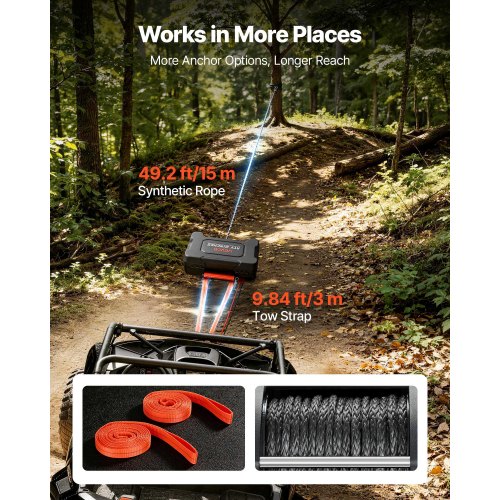
Cable selection is nearly as important as the motor in terms of the day-to-day performance of a winch. Synthetic rope winches have a lighter line that floats, doesn’t hold a memory kink like steel does, and won’t store the same dangerous energy if it breaks under load. This makes them a popular upgrade for off-road builds where weight and handling are important. Steel cable winches are more abrasion-resistant against rocks and sharp edges. They are generally less expensive to replace, so they are a good choice for work where the line is regularly dragged across rough ground.
The fairlead is just as important as the cable type. Roller fairleads work well with steel cable, guiding it through rollers that cut wear and friction as the line spools in at an angle. Aluminum hawse fairleads are made for synthetic rope and have a smooth, rounded opening instead of rollers. A synthetic line does not require the same reduction in friction, and rollers can actually abrade the outer sheath of the rope over time. This shortens the rope’s life, so select the right fairlead for the cable type before mounting anything permanently.
Matching Winches to Pulling Capacity and Job Type
Line pull rating is often discussed, but a few real-world tests matter more than chasing the biggest number on the box.
Choosing the Right Pulling Capacity
Winches are rated by line pull, usually in pounds, but that number only tells part of the story. A good general rule of thumb for sizing a winch is to go with about 1.5 times the loaded weight of the vehicle or object being pulled, as mud, inclines, and stuck tires will add resistance, not to mention flat, dry pulling. A 6,000-pound truck loaded shouldn’t be running a winch of exactly 6,000 pounds line pull, but rather one closer to 9,000 pounds of line pull.
Shop and garage winches are rated a little differently, primarily by working load limit rather than line pull, as the load is hanging rather than dragging along the ground. A winch pulling a stuck ATV out of a ravine isn’t going to need the same rated capacity as an engine hoist pulling a 400-pound motor, so check the specific rating type listed on the product page instead of assuming pounds means the same thing across every winch category. VEVOR clearly lists both line pull and working load limit on winch product pages, so comparing a vehicle-mounted winch versus a shop hoist is easy without mixing the two rating systems up.
Accessories and Features That Matter
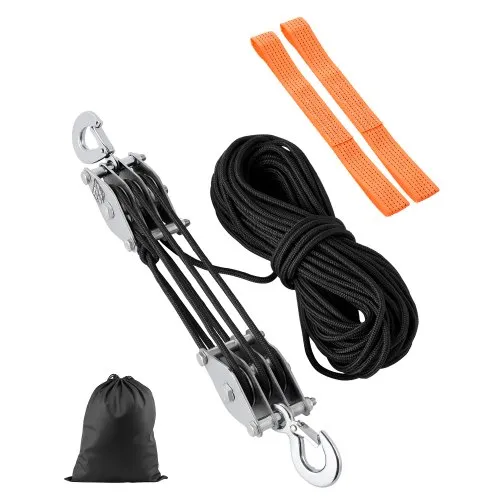
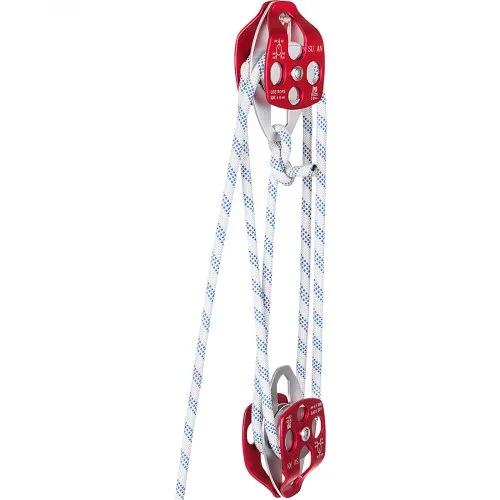
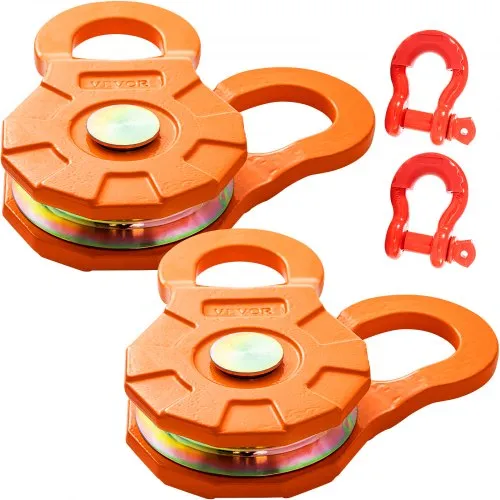
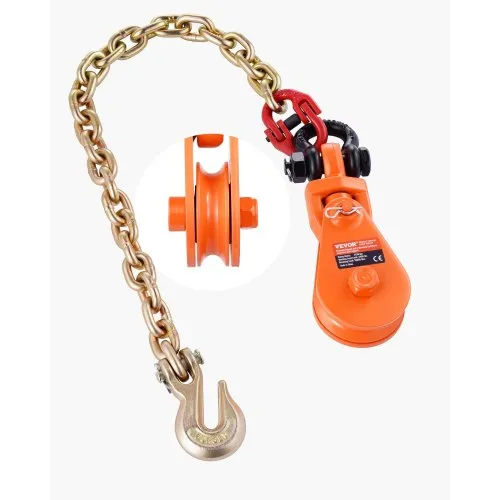
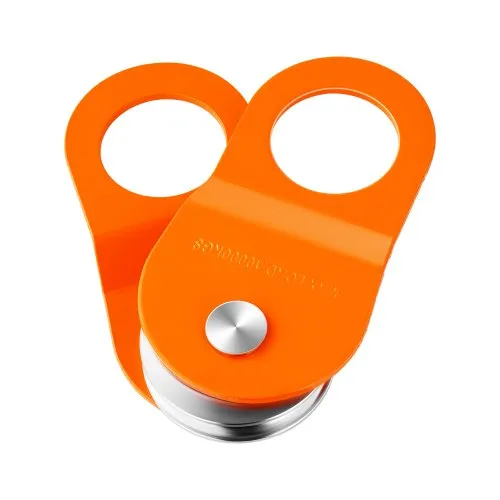
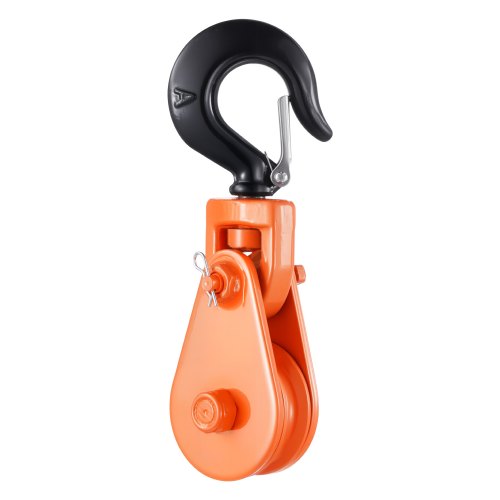
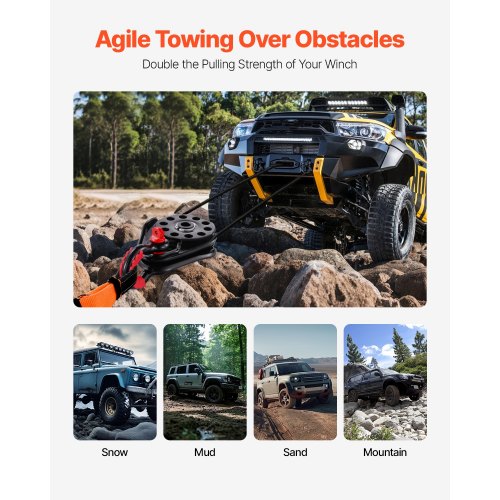
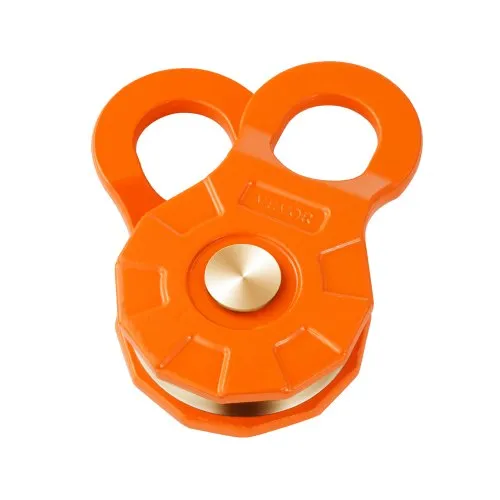
A winch alone isn't always the answer. Snatch blocks double a winch's pulling power by passing the cable through a pulley attached to a different point, which helps when a stuck vehicle is at an angle the winch can't pull straight. They also almost halve the load on the winch motor for very heavy pulls, extending the motor's life over repeated hard recoveries.
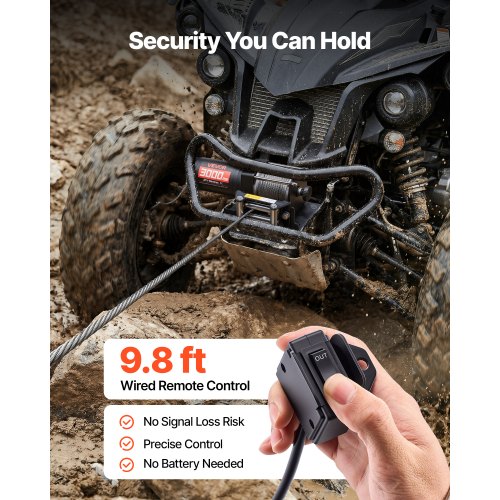
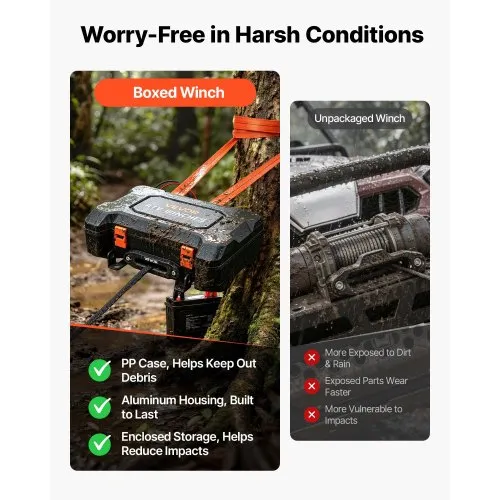
In the shop, spring balancers keep hand tools or hoses ready to use, so operators do not carry the full weight all day and fatigue drops on repetitive jobs. For vehicle-mounted applications, winch wireless remote controls allow the operator to control the pull from outside the vehicle, which is safer and more practical than reaching through a window during a tricky recovery. Once you have the winch mounted and rigged to your satisfaction, winch covers protect the motor and cable from dust, rain, and UV exposure between uses, especially for vehicles that sit outside all year long. You don't need any of these to operate a winch, but each solves a common problem worth adding.
Why Choose VEVOR Winches?
VEVOR winches are clearly rated for line pull or working load for ATV, UTV, truck, boat, and shop applications, so you don't have to guess before you buy. Prices remain competitive without skimping on motor quality or cable strength, and the lineup includes accessories that make a winch usable in the field, such as snatch blocks, wireless winch remotes, and winch covers. Whether outfitting a trail rig, loading a boat, or setting up a hoist in the shop, VEVOR has a winch for it. See the complete lineup and get the right pull rating for your next job.
FAQs
What's the difference between a winch and a hoist?
A winch typically pulls a load horizontally, like pulling a stuck vehicle out of a ditch, while a hoist lifts loads vertically, like lifting an engine. Some products, like an electric chain hoist, are made for vertical lifting, not horizontal pulling.
Should I get a synthetic rope or steel cable winch?
Synthetic rope winches are lighter, safer if the line breaks, and easier to handle by hand. Steel cable winches are more abrasion-resistant and cheaper to replace, so they are a good choice for rough terrain and heavy use.
How do I figure out what line pull rating I need?
Size the winch to about 1.5 times the loaded weight of your vehicle or object, since mud, inclines, and stuck conditions add resistance. Please check the individual rating listed on each product page before you buy.
Do I require a fairlead with my winch?
Yes, a fairlead guides the cable straight and reduces line wear. For the best fit and longest cable life, use steel cable with roller fairleads and synthetic rope with aluminum hawse fairleads.
Are electric boat winches worth it over hand winches?
Electric boat winches save effort for frequent loading and launching, especially with larger boats. Hand winches are fine for occasional use and cost less up front, so it depends on how much time you spend on the water.